
Is Vinyl Plank Flooring Good? Pros, Cons, and Who It’s Best For
Yes — vinyl plank flooring is a practical, budget-friendly choice if you want durable, water-resistant floors that mimic wood without the cost or upkeep. You’ll get easy DIY installation options, low maintenance, and good wear for kitchens, bathrooms, and high-traffic rooms. Downsides include potential scratching, sun fading, limited lifespan versus hardwood, and some VOC/environmental concerns. It works well for renters and many homeowners, and sticking with higher-quality plank improves performance — keep going to learn specifics.
Quick Answer Is Vinyl Plank Flooring Good?
Yes — vinyl plank is a solid choice for many situations: it’s affordable and durable for homeowners, easy to install and replace for renters, and resilient enough for many commercial spaces.
The main trade-offs are that it can’t be refinished like real wood and lower-end options may look less authentic.
We’ll compare the pros (water resistance, low maintenance) and cons (lifespan limits, appearance) next.
Short verdict for homeowners, renters, and commercial use
Although vinyl plank isn’t perfect for every space, it’s a solid choice for most homeowners, renters, and many commercial settings because it balances durability, affordability, and easy maintenance.
If you ask “is vinyl plank flooring good,” the short verdict: homeowners get low-maintenance resilience, renters enjoy affordability and simple install/removal, and many commercial spaces benefit from wear resistance and cost-effectiveness.
One-sentence summary of pros vs cons
If you want a quick answer: vinyl plank gives you durable, water-resistant, and low-cost flooring that’s easy to install and maintain, but it can lack the natural feel of real wood, may dent under heavy point loads, and isn’t ideal for high-heat or certain luxury applications.
You’ll get practical, low-maintenance floors that suit busy homes and many commercial spaces, though not premium aesthetics or extreme durability.
What Is Vinyl Plank Flooring?
Vinyl plank flooring is a synthetic, layered product available as LVP (luxury vinyl plank), WPC (wood plastic composite), or SPC (stone plastic composite), each offering different cores and rigidity.
You’ll see it look like hardwood but it differs from laminate, hardwood, and engineered wood in materials, moisture resistance, and how it’s installed.
Knowing those distinctions helps you pick the right type for your space and budget.
Composition and types (LVP vs WPC vs SPC)
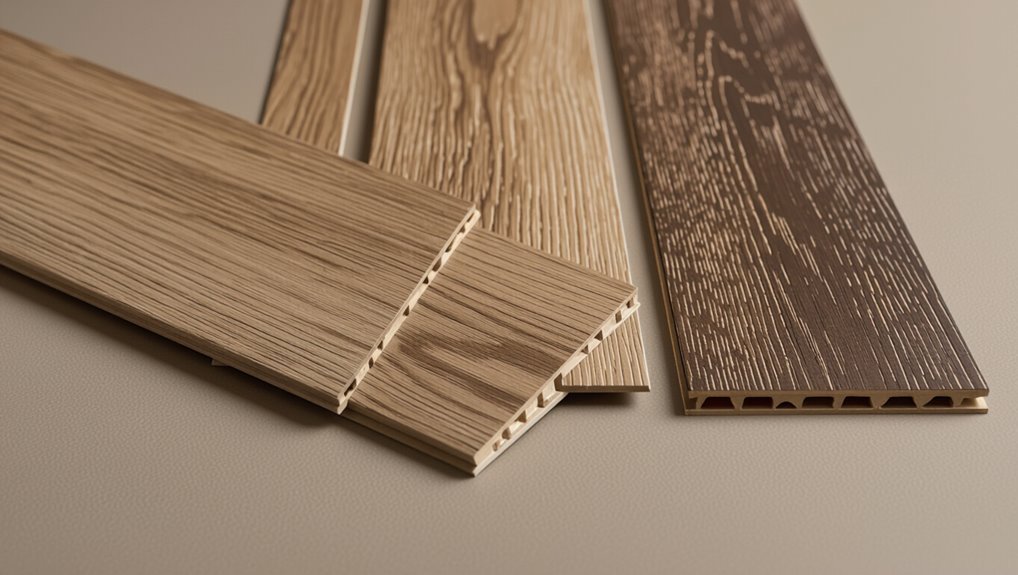
When you look closer, you’ll see that “vinyl plank” actually refers to several distinct constructions—LVP (Luxury Vinyl Plank), WPC (Wood Plastic Composite), and SPC (Stone Plastic Composite)—each built from different core materials that affect durability, feel, and price.
LVP is flexible and affordable; WPC adds a thicker, cushioned wood-plastic core; SPC uses a rigid, stone-filled core for superior stability and impact resistance.
How it differs from laminate, hardwood, and engineered wood
Now that you’ve seen the different vinyl plank constructions—LVP, WPC, SPC—you’re ready to see how they stack up against other plank-style floors. You’ll find vinyl is more water-resistant and softer underfoot than laminate, less costly and lower-maintenance than hardwood, and more moisture-tolerant than engineered wood. Choose based on budget, durability, and moisture needs.
| Feature | Vinyl vs Others |
|---|---|
| Water resistance | Superior |
| Cost | Lower |
Benefits of Vinyl Plank Flooring
You’ll find vinyl plank flooring offers several practical advantages that make it a smart choice for many homes.
From tough, wear-resistant surfaces and water-safe options for kitchens and basements to lower upfront costs and straightforward DIY installation, vinyl packs a lot of value into its lifespan and easy upkeep.
Below are three key benefits to contemplate:
- Durability and water resistance that suit high-traffic and wet areas
- Lower cost and strong value compared with hardwood or tile
- Simple installation and minimal maintenance requirements
Durability and wear resistance
Durability is a key reason many homeowners choose vinyl plank flooring: it resists scratches, dents, and stains far better than many traditional materials, so it holds up in high-traffic areas and busy households.
You’ll find thick wear layers and protective coatings that reduce visible wear, and proper installation plus routine care keeps planks looking new for years without frequent repairs or replacement.
Water resistance and suitability for wet areas
Beyond standing up to scratches and dents, vinyl plank flooring also shines where moisture is a concern: many products are water-resistant or fully waterproof, so they work well in kitchens, bathrooms, basements, and laundry rooms.
You’ll find options with sealed seams and waterproof cores that prevent warping and mold; just follow manufacturer guidelines for installation and avoid prolonged standing water to protect the finish.
Cost and value compared to alternatives
One major reason homeowners choose vinyl plank is its strong value: it gives you the look of hardwood or stone at a fraction of the cost, and installation and upkeep are cheaper too.
You’ll pay less upfront and over time versus real wood, tile, or luxury options.
Durability and low maintenance mean fewer repairs and replacements, boosting long-term cost-effectiveness.
Ease of installation and DIY options
Because vinyl plank is designed for straightforward fitting, you can often tackle installation yourself without specialized tools or training.
Click-lock and peel-and-stick options simplify layout, cutting, and connections. You’ll save on labor and control scheduling.
Prep—clean, level subfloor and acclimate planks—matters. For complex rooms or uneven substrates, you might still hire a pro, but many projects are DIY-friendly.
Maintenance, cleaning, and lifespan expectations
If you want low-maintenance flooring, vinyl planks deliver: routine sweeping and occasional damp mopping keep dirt and grit from scratching the surface, while manufacturers’ recommended cleaners remove spills and stains without dulling the wear layer.
You won’t need frequent waxing or refinishing; with normal care, quality vinyl lasts 10–25 years.
Promptly clean abrasive or oily messes to preserve appearance and longevity.
Aesthetic variety and realism of wood looks
Texture and color options in vinyl planks give you convincing wood looks without the cost and upkeep of hardwood.
You can pick from wide planks, hand-scraped textures, and accurate grain patterns that mimic oak, hickory, or walnut.
Color tones range from pale bleached to deep espresso, so you’ll match modern, rustic, or traditional decor while keeping consistent, fade-resistant appearance.
Comfort underfoot and sound properties
When you walk across vinyl plank flooring, you’ll notice it feels softer and warmer than tile or hardwood because many vinyl products include a cushioned backing or are installed over a thin underlayment that absorbs impact.
You’ll also hear less echo and footfall noise—vinyl dampens sound better than hard surfaces. Thicker planks and quality underlayment boost comfort and acoustic performance.
Drawbacks and Limitations of Vinyl Plank Flooring
You’ll want to weigh some notable drawbacks before choosing vinyl plank flooring so you don’t get surprised later.
It can be scratched or dented by sharp objects and heavy furniture, may fade with sun exposure, and raises questions about VOCs and long-term repair or resale.
Consider these key concerns as you compare options:
- Physical damage and denting
- UV sensitivity and discoloration
- Environmental/VOC, repair, and resale implications
Susceptibility to damage (sharp objects, heavy furniture)
Although vinyl plank flooring is tough against everyday wear, it’s still vulnerable to sharp objects and concentrated weight. Dragging a metal chair leg, dropping a heavy tool, or placing a piano without proper padding can gouge, dent, or puncture the wear layer and core.
You should use felt pads, lift heavy items, and distribute weight with protective boards or rugs to prevent irreversible damage.
Potential for discoloration and UV sensitivity
Beyond physical dents and gouges, vinyl plank flooring can also change color over time when exposed to sunlight and certain chemicals.
You’ll notice fading, yellowing, or uneven patches in sunlit rooms or near windows. Dark rugs or mats left in place can create contrasting tones when removed.
To minimize this, rotate coverings, use UV-protective window films, and avoid harsh cleaners.
Environmental and VOC concerns
When you’re choosing vinyl plank flooring, consider its environmental footprint and indoor air quality effects.
Vinyl is petroleum-based and not biodegradable, and manufacturing can emit pollutants. Some products release volatile organic compounds (VOCs) after installation, affecting sensitive occupants.
Look for low-VOC certifications, recycled-content options, and proper ventilation during and after installation to reduce health and environmental impacts.
Repairability and long-term replacement issues
Concerns about vinyl’s environmental footprint and off-gassing are only part of the bigger picture; you should also weigh how the material performs over time and how easy it’s to fix or replace.
Scratches, dents, and edge curling can be spot-repaired only if you have matching planks, and glued or floating installation types affect removability.
Replacing large areas often means full-room reinstallation.
Perception and resale-value considerations
Image and resale matter as much as performance for many buyers, and vinyl plank flooring can shape both—sometimes favorably, sometimes not.
You might boost appeal with realistic styles and quality installation, but some buyers view vinyl as lower-end compared with hardwood or tile. That perception can limit resale value in upscale markets, so consider neighborhood standards and future buyers when choosing vinyl.
Who Is Vinyl Plank Flooring Best For? Use-Case Scenarios
If you’ve got kids, pets, or high foot traffic, vinyl plank is a practical, durable choice that stands up to spills and scrapes.
You’ll also find it ideal for bathrooms, kitchens, basements, budget remodels, and rental units where moisture resistance and cost matter.
However, if you want authentic hardwood warmth, superior resale value, or heavy-duty commercial/industrial performance, you might opt for real wood, tile, or specialized commercial flooring instead.
Best for busy households with kids and pets
For busy households with kids and pets, vinyl plank flooring offers a practical blend of durability and easy upkeep that makes daily life simpler. It resists scratches, hides scuffs, and stands up to spills so you can spend less time worrying about the floor and more time with your family.
You’ll appreciate quick cleaning, stain resistance, and softer underfoot for play, plus affordable repairs when needed.
Best for bathrooms, kitchens, and basements
Because vinyl plank handles moisture, heavy foot traffic, and temperature swings so well, it’s ideal for bathrooms, kitchens, and basements where spills, humidity, and occasional dampness are common.
You’ll appreciate its water-resistant core, easy cleaning, and slip-resistant textures. Installations cope with uneven subfloors, and repairs are straightforward.
Choose quality planks and proper underlayment for best long-term performance.
Best for budget-conscious remodels and rentals
Bathrooms, kitchens, and basements show how vinyl plank stands up to moisture and wear, but it also shines when money and turnover matter.
If you’re remodeling on a tight budget or outfitting rentals, you’ll get durable, low-maintenance floors that install fast and replace easily between tenants.
You’ll save on materials and labor while keeping properties attractive and functional without high upfront costs.
Situations where hardwood or tile are better choices
While vinyl plank handles moisture and traffic well, there are clear situations where you’d be better off choosing hardwood or tile instead.
Pick hardwood when you want long-term resale value, authentic grain, and the option to sand and refinish.
Choose tile for extreme wet areas, superior heat resistance, and high-end bathrooms or kitchens where durability and design flexibility outweigh vinyl’s cost advantages.
Commercial and light-industrial suitability
If you need tough, low-maintenance flooring that stands up to heavy foot traffic and routine cleaning, vinyl plank is often a strong candidate for commercial and light-industrial spaces.
You’ll get scratch and stain resistance, moisture tolerance, and easy replacement of damaged planks.
It suits retail, offices, workshops, and showrooms, though extreme chemical exposure or heavy point loads may call for specialized industrial flooring.
How to Choose the Right Vinyl Plank Flooring (Step-by-step)
Start by picking the right core (LVP, WPC, or SPC) based on your subfloor and durability needs.
Next, check wear-layer thickness and AC rating, then consider overall plank thickness, underlayment, and sound control.
Finally, confirm water resistance and warranty, and choose a style, plank size, and finish that fit the room.
Step 1 Select the right construction (LVP/WPC/SPC)
Pick the right construction first—LVP, WPC, or SPC—because that choice determines durability, feel underfoot, water resistance, and installation options.
Choose LVP for flexible, budget-friendly planks; WPC for thicker, cushioned cores and better comfort; SPC for ultra-rigid, highly durable, and dimensionally stable floors ideal for heavy traffic.
Match construction to room use and installation method.
Step 2 Evaluate wear layer thickness and AC rating
Because the wear layer and AC rating determine how well your vinyl will stand up to daily use, you should evaluate them before anything else in the buying phase.
Check wear layer thickness (6–20 mil for homes, 20+ mil for heavy traffic).
Match AC ratings: AC3–AC4 for residential, AC5 for commercial.
Thicker wear layers and higher AC ratings mean better scratch and abrasion resistance.
Step 3 Consider thickness, underlayment, and sound control
Once you’ve locked in durability, turn your attention to plank thickness, underlayment, and sound control—these factors affect comfort, stability, and noise more than most shoppers realize.
Thicker planks feel firmer and hide subfloor imperfections. Choose an appropriate underlayment for cushioning and moisture barriers.
For multi-story spaces, add acoustic underlayment or an integrated cork layer to reduce footfall noise and improve overall comfort.
Step 4 Check water-resistance and warranty terms
Before you commit, check how the plank is rated for water resistance and what the warranty actually covers, since those two things determine long-term performance and your recourse if problems pop up.
Verify full vs. surface water resistance, installation limits, and moisture barrier requirements.
Read warranty length, stain/scratch coverage, transferability, and exclusions so you’ll know remedies and responsibilities if issues arise.
Step 5 Match style, plank size, and finish to the space
Step 5 is where you match the plank’s style, size, and finish to your room so the floor complements both function and decor; pick wider, longer planks for open spaces to create a seamless look, narrower or mixed-width boards for smaller or traditional rooms, and finishes (matte, satin, or glossy) that hide wear and suit lighting and traffic.
Choose grain pattern and color to tie into trim, furniture, and overall mood.
Step 6 Budgeting and sampling (ordering swatches)
Now that you’ve narrowed style, size, and finish, it’s time to lock in budget and order samples so you can see the planks in your space.
Decide total spend including installation, underlayment, and trim.
Order several swatches in different lighting and test them on your floor for a few days.
Compare wear layer specs and return policies before committing.
Installation Options and What to Expect
You’ll choose between floating click-lock, glue-down, or loose-lay systems, each with different tools, costs, and durability.
Decide whether you’ll DIY or hire a pro by weighing savings against experience, time, and warranty coverage.
Before installation, you’ll prep the subfloor, check moisture, acclimate planks, and plan for a few hours to a couple of days per room while avoiding common errors like uneven subfloors, skipping moisture tests, and misaligned seams.
Floating click-lock vs glue-down vs loose lay
When you’re choosing vinyl plank installation, consider how each method affects cost, durability, and how the floor behaves over time:
Floating click-lock is quick, DIY-friendly, and tolerates subfloor movement but may feel slightly springy.
Glue-down offers solid, permanent attachment and better sound dampening.
Loose lay relies on weight and friction for fast installation, best for low-traffic, easily replaceable areas.
DIY vs professional installation pros and cons
Choosing between DIY and professional installation comes down to your budget, skill level, timeline, and tolerance for risk.
DIY saves money and gives control but demands tools, patience, and careful edge/transition work.
Professionals cost more but deliver faster, cleaner seams, and warranties.
If you’re inexperienced, tight on time, or need flawless results, hire pros; do DIY for simple rooms and savings.
Preparation steps: subfloor, moisture testing, acclimation
Before you lay a single plank, prepare the subfloor, check moisture levels, and acclimate the flooring so the job goes smoothly and the warranty stays valid.
- Remove debris, level high spots, and repair cracks or squeaks for a flat, clean base.
- Use a moisture meter and follow manufacturer limits; address vapor barriers if needed.
- Let sealed boxes sit in the room 48–72 hours to acclimate temperature and humidity.
Typical timeline and common installation mistakes to avoid
Now that your subfloor is ready, moisture’s checked, and planks have acclimated, you can map out a realistic schedule and know what mistakes to avoid.
Plan 1–3 days for floating or glue-down rooms, longer for complex layouts.
Don’t rush cutting, skip underlayment, or ignore expansion gaps.
Test connections, stagger seams, and keep temperature stable to prevent buckling or gaps later.
Maintenance, Repair, and Care Best Practices
You’ll want simple routines and quick fixes to keep vinyl planks looking their best and to avoid bigger repairs down the road.
In the next section we’ll cover daily/weekly cleaning, how to handle stains, dents, and scratches, and when to replace individual planks versus the whole floor.
Also look at preventive steps—furniture pads, entry mats, and humidity control—to reduce damage.
- Daily/weekly cleaning and gentle products
- Spot repairs for stains, dents, and scratches
- When to replace planks vs the entire floor and preventive tips
Daily and weekly cleaning routines
One simple daily habit—sweeping or dry-mopping high-traffic areas—keeps grit and dust from scratching vinyl plank surfaces and makes weekly care much faster.
Weekly, you should damp-mop with a manufacturer-recommended cleaner, avoid soaking floors, and rinse stubborn residue.
Use felt pads on furniture, lift heavy items, and spot-clean spills promptly to maintain appearance and prolong the wear layer.
Handling stains, dents, and scratches
When stains, dents, or scratches appear, act quickly to prevent them from worsening and to keep your vinyl looking its best.
Blot spills immediately, clean with a mild detergent, and avoid abrasive scrubbing.
Use a vinyl repair kit for small scratches and color-matching compound for dents.
For deeper gouges, fill, sand lightly, and seal.
Test repairs in an inconspicuous spot first.
When and how to replace planks vs full floor
If damage is isolated to a few planks, you can replace them individually; but if wear is widespread, age-related, or the underlayment is compromised, a full-floor replacement makes more sense.
Remove damaged planks by releasing seams or cutting out glued pieces, match new planks’ batch and profile, and inspect underlayment.
For full replacement, plan layout, remove all flooring, address subfloor issues, and reinstall or hire pros.
Preventive measures (furniture pads, mats, humidity control)
After replacing or repairing planks, you’ll want to protect the new surface to extend its life and avoid repeat work.
Use felt pads under furniture, rubber casters on chairs, and doormats at entryways to trap grit.
Maintain consistent indoor humidity (35–55%) with a humidifier/dehumidifier and avoid moisture sources.
Clean spills promptly and lift furniture—don’t drag—to prevent scratches and seams separating.
Common Mistakes and Problems to Avoid
Don’t install vinyl planks over unsuitable subfloors or skip moisture testing, or you’ll invite buckling and mold.
Pick a wear layer rated for your traffic, follow the manufacturer’s instructions and warranty rules, and skip harsh cleaners that can strip or haze the surface.
Addressing these common mistakes up front will save time and expense down the road.
Installing over unsuitable subfloors or without moisture testing
When you skip moisture testing or lay vinyl planks over a subfloor that’s warped, damp, or uneven, you’ll invite buckling, cupping, adhesive failure, and shortened floor life.
You should always test for moisture, repair or replace compromised subfloors, and level surfaces before installation.
Taking these steps prevents costly callbacks, preserves warranties, and guarantees the planks perform as designed.
Choosing too-thin wear layers for high-traffic areas
If you pick vinyl planks with a too-thin wear layer for busy rooms, the surface will show scratches, dents, and wear long before the board itself reaches the end of its life.
You’ll need to replace or refinish sooner, raising long-term costs.
Choose thicker wear layers (20–30 mil or higher) for entryways, kitchens, and commercial spaces to keep appearance and durability.
Ignoring manufacturer instructions and warranty requirements
Because manufacturer instructions spell out proper installation, maintenance, and limits of use, ignoring them often voids your warranty and leaves you paying for avoidable repairs.
Don’t skip recommended prep, adhesives, or environmental guidelines. Follow installation steps, register warranties, and keep proof of purchase.
If you diverge, expect denied claims for warping, color changes, or delamination that result from improper care or installation.
Using harsh cleaners that damage the surface
Although a vinyl plank’s wear layer resists everyday messes, using harsh cleaners or abrasive tools will strip that protection and leave you with dulling, scratches, or even surface lifting.
You should stick to manufacturer-approved pH-neutral cleaners, microfiber mops, and gentle spot treatment.
Don’t use bleach, ammonia, or steam cleaners; they’ll void warranties and shorten your floor’s lifespan.
Cost Breakdown and Value Analysis
You’ll want to weigh both upfront costs and long-term expenses to see how vinyl plank fits your budget and timeline. Below is a quick visual comparing typical material/installation tiers, ongoing costs, and resale impact so you can make a practical choice. Use this to match a product level to your expected lifespan and market.
| Cost/Value Factor | Typical Range or Impact |
|---|---|
| Upfront material & installation | Low / Mid / High |
| Maintenance & repair | Low to Moderate (depends on quality) |
| Replacement timeframe | 10–25 years (by quality) |
| ROI & resale considerations | Varies by market; mid-range often balances cost and appeal |
Upfront material and installation costs (low, mid, high)
When weighing vinyl plank flooring, consider three clear price tiers—low, mid, and high—that reflect material quality and installation complexity.
Low-cost planks suit DIY installs and basic rooms. Mid-range balances durability and style for most homes. High-end options deliver thicker wear layers, realistic visuals, and professional fitting that raise the upfront bill but can extend lifespan and performance.
You’ll pay roughly budget: $1–$3/ft² plus basic labor, mid: $3–$6/ft² with better cores and edging, and premium: $6–$12+/ft² for luxury visuals and pro installation.
Long-term costs: maintenance, repairs, replacement timeframe
Upfront price tells only part of the story — long-term costs like maintenance, repairs, and eventual replacement can change the true value of a vinyl plank floor.
You’ll spend little on routine cleaning and occasional refinishing isn’t needed.
Expect modest repair costs for damaged planks and plan replacement every 10–25 years depending on wear, traffic, and product quality to keep performance and appearance.
ROI and resale considerations by market type
Because resale value depends a lot on local demand and property type, you should weigh vinyl plank’s cost against comparable flooring in your market to estimate ROI.
In midrange or rental markets, vinyl often boosts appeal and reduces vacancy.
In luxury neighborhoods, hardwood may yield better returns.
Factor installation quality, style, and warranties when projecting resale impact and buyer expectations.
Environmental and Health Considerations
You should weigh indoor air quality and look for low-VOC products and third-party certifications like FloorScore or GREENGUARD to reduce health risks.
Consider what happens at the end of the product’s life—recycling options are limited but important to factor into your choice.
Also compare sustainable alternatives (and their trade-offs) so you can pick a flooring option that balances performance, health, and environmental impact.
VOCs, certifications (FloorScore, GREENGUARD), and safe choices
When you’re comparing vinyl plank options, VOCs and third‑party certifications should be top of mind since they directly affect indoor air quality and long‑term health.
Check for FloorScore or GREENGUARD labels, low VOC emissions, and clear ingredient disclosures.
Choose products with phthalate‑free or bio‑based formulations, buy from transparent manufacturers, and ventilate during and after installation to minimize exposure.
Recycling and end-of-life options
Although vinyl plank lasts a long time, its end‑of‑life path matters for both the environment and your health.
You’ll find limited curbside recycling; many planks end up in landfill or incineration, releasing additives and microplastics.
Some manufacturers and specialty recyclers accept clean, separated flooring for mechanical recycling or energy recovery.
Check local programs, return-to-manufacturer takeback, or professional removal to reduce impact.
Sustainable alternatives and trade-offs
Considering end‑of‑life impacts can help you choose flooring that reduces long‑term environmental and health costs.
You can opt for FSC‑certified hardwood, cork, linoleum, or reclaimed wood to cut fossil‑based materials and VOCs.
Each choice trades durability, maintenance, cost, and water resistance.
Balance priorities: lower embodied carbon and indoor air quality versus lifespan and installation expense to find the right fit.
Real-World Case Examples and Scenarios
Now you’ll look at three real-world scenarios to see how vinyl plank performs: a pet-friendly family home, a basement remodel dealing with moisture, and a budget-focused rental installation.
For the family, we’ll cover which products stood up to claws and spills and what the final wear looked like.
For the basement and rental, you’ll learn the moisture controls and cost-saving installation choices that affected durability and satisfaction.
Case A: Family home with pets product selection and outcome
When you choose vinyl plank for a busy family home with pets, you’re prioritizing durability and low maintenance without sacrificing style.
You pick a scratch-resistant, thicker wear layer and waterproof core, install with click-lock for quick replacement, and add area rugs in high-traffic spots.
The result: easy cleanup, minimal visible wear, and long-lasting performance that handles pets and daily chaos.
Case B: Basement remodel moisture management approach
In a basement remodel you’ll prioritize moisture control before laying any vinyl plank, because even waterproof cores can fail if water or humidity aren’t managed.
Test concrete for moisture, install a vapor barrier and perimeter drainage if needed, level and slope floors, and use recommended adhesives or floating systems rated for basements.
Monitor humidity with a dehumidifier to protect the installation long-term.
Case C: Rental unit cost-effective installation and durability
Budget-conscious landlords and DIYers can get durable, rental-ready results by choosing mid-grade vinyl plank with a thick wear layer and installing it as a floating floor or with perimeter glue where required, since those options balance cost, speed, and longevity;
pick planks rated for commercial or multi-family use, seal seams at bathroom and kitchen thresholds, and plan simple repairs—like replacing individual planks—to keep turnover costs low.
You’ll also warranty-check, buy extra planks, and use inexpensive underlayment to reduce noise and improve tenant satisfaction.
Frequently Asked Questions
You’ve probably got questions about bathrooms, basements, and whether vinyl plank is waterproof or just water-resistant.
You’ll also want to know how long it lasts, if you can install it over existing floors, and whether it helps your home’s resale value.
Below are clear, practical answers to those common concerns.
Can vinyl plank be installed in bathrooms and basements?
Although bathrooms and basements can be tricky, you can install vinyl plank flooring in both spaces—provided you choose the right type and follow proper prep and installation steps.
Pick fully waterproof, glue-down or tight-lock planks, guarantee subfloor is dry and level, use moisture barriers where needed, and seal seams in wet areas.
Proper installation prevents damage and mold.
How long does vinyl plank flooring typically last?
If you pick quality vinyl plank and install it correctly, it’ll typically last 10–25 years. Heavy-traffic areas and cheaper products sit at the low end, while commercial-grade or thicker wear layers push toward the high end.
You can extend lifespan by cleaning gently, avoiding sharp objects, using protective pads, and replacing damaged planks promptly. Warranties often reflect expected longevity.
Can I install vinyl plank over existing flooring?
Extending the life of your current floor doesn’t mean you have to tear it out — you can often install vinyl plank right over existing flooring.
You’ll need a smooth, level substrate: clean, dry, and free of loose material. Thin carpeting, vinyl, or ceramic can work if stable.
Remove padding, fix high spots, and follow manufacturer guidelines for glue, click-lock, or floating installations.
Is vinyl plank flooring waterproof or just water-resistant?
Wondering whether vinyl plank is truly waterproof or just water-resistant?
Many luxury vinyl planks are waterproof thanks to a solid vinyl core and waterproof wear layer, so spills and humidity won’t warp them.
Some cheaper or wood-look types are only water-resistant and can swell at seams if exposed long-term.
Check product specs and install details for wet-area suitability.
Will vinyl plank increase my home’s resale value?
Curious whether vinyl plank will boost your home’s resale value? You’ll likely see a modest, positive impact: buyers appreciate durable, low‑maintenance flooring that looks like wood.
High-quality, well‑installed vinyl plank in neutral tones appeals broadly and can speed sales. It won’t match real hardwood for premium buyers, but it’s a smart, cost‑effective upgrade that improves perceived value and marketability.
Conclusion Final Recommendations and Next Steps
Use the quick checklist below to weigh budget, room conditions, wear layer, and installation style before you buy.
If you’re unsure about subfloor issues, moisture concerns, or warranty details, consult a flooring professional for an assessment and quote.
Next steps: compare samples in your space and schedule a pro visit if any red flags pop up.
Quick checklist for choosing vinyl plank flooring
1 clear checklist will help you weigh durability, water resistance, wear layer, thickness, installation method, and budget so you can pick vinyl plank flooring that suits your space and lifestyle.
Check room use and traffic, choose 12–20 mil+ for high traffic, pick waterproof options for wet areas, confirm floating vs. glue-down fits subfloor, compare warranties, and set a realistic budget before buying.
When to consult a flooring professional
Once you’ve run through the checklist and narrowed your options, know when to call in a flooring pro: if your subfloor has moisture issues, unevenness, or previous glue that needs removal; if you’re unsure about measuring, underlayment choice, or whether floating vs. glue-down suits your space; or if complex layouts, stairs, or changes in level are involved.
- Structural or moisture concerns
- Complex layouts or alterations
- Time, tools, or confidence limits
