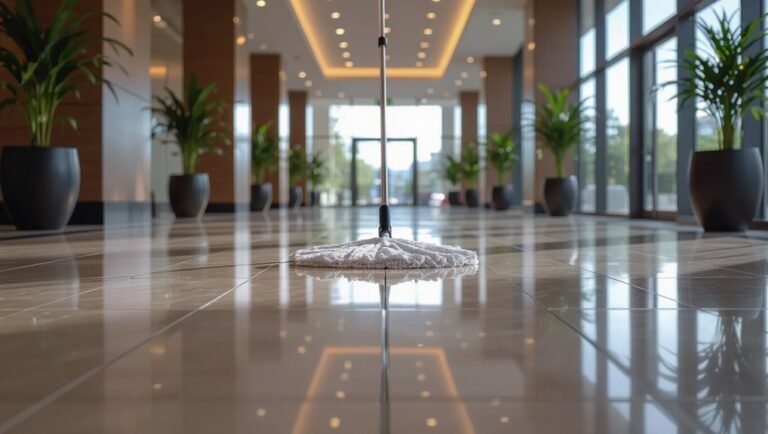
How to Clean Laminate Floors: Easy Methods That Won’t Cause Damage
You can keep laminate floors looking like new by sweeping or vacuuming loose dirt daily and wiping spills immediately, then dry-mopping weekly and using a lightly damp microfiber mop with a pH-neutral cleaner or a diluted vinegar solution. Avoid excess water, steam mops, bleach, and abrasive tools. For stains use rubbing alcohol for ink, dish soap for grease, and touch-up kits for scratches. Follow simple prevention tips and continue for step-by-step guidance and troubleshooting.
How to Clean Laminate Floors: and What You Need
Start by sweeping or vacuuming loose dirt. Then mop with a damp microfiber mop and a gentle, pH-neutral laminate cleaner for a quick, effective clean.
You’ll want a soft-bristled broom or vacuum with a hard-floor setting, a microfiber mop, and a mild cleaner—avoid oil-based or abrasive products.
Don’t use excessive water, steam mops, or bleach, since those can warp or strip the laminate.
Best simple method in 3 sentences
Pick a soft broom or vacuum (no beater bar), a damp microfiber mop, and a mild pH-neutral cleaner diluted per label instructions.
Sweep or vacuum to remove grit, then mist the cleaner sparingly and mop with the grain, avoiding puddles.
For stubborn spots, gently rub with a microfiber cloth; rinse the mop and change solution as needed to prevent streaks.
Essential tools and safe cleaning products
Now that you’ve got the basics—sweeping, misting, and mopping—it’s time to look at the tools and cleaners that’ll keep your laminate looking its best without causing damage.
Choose soft, nonabrasive tools and mild, pH-neutral cleaners. Test any new product in a hidden spot first and dilute concentrates as directed.
- Microfiber mop
- Soft broom or dust mop
- pH-neutral laminate cleaner
- Spray bottle for diluted solutions
What to avoid immediately (products and actions)
Because laminate’s wear layer is thin and water-sensitive, you should avoid anything that can scratch, swell, or strip the finish.
Don’t use steel wool, abrasive pads, or harsh powders. Avoid soaking mops, steam cleaners, vinegar concentrates, bleach, or oil-based polishes.
Don’t drag heavy furniture without pads. If spills occur, blot promptly and dry thoroughly to prevent warping and permanent damage.
Understanding Laminate Flooring Basics
Laminate floors are made of a decorative wear layer over a high-density fiberboard (HDF) core, so the surface type—glossy, textured, or matte—affects both appearance and cleaning needs.
You’ll want to care for the finish because standing water or harsh cleaners can swell the HDF core, warp boards, or strip protective coatings.
With the right products and quick drying, you can keep the finish intact and prevent long-term damage.
What laminate floors are made of and why care matters
Think of laminate flooring as a layered sandwich: a hard, moisture-resistant backing, a dense fiberboard core, a printed design layer that mimics wood or stone, and a clear protective wear layer on top.
You should clean gently because scratches, standing water, and harsh chemicals can degrade the wear layer and warp the core.
Proper care preserves appearance and extends lifespan.
Common surface types and finishes (glossy, textured, HDF core)
Surfaces and finishes determine how your floor looks, feels, and holds up to daily wear. You’ll spot glossy panels that shine, textured planks that hide scuffs, and HDF cores that provide stability. Match cleaning gentleness to finish; avoid abrasive tools. Use the table to compare appearance, grip, and maintenance effort.
| Finish | Appearance | Maintenance |
|---|---|---|
| Glossy | High shine | Low dirt visibility |
| Textured | Matte, grip | Hides scratches |
| HDF core | Stable | Durable |
How water and cleaners affect laminate (swelling, warping, finish damage)
Although you can mop up spills quickly, water and harsh cleaners still pose real risks to your floors: prolonged moisture can make boards swell and warp, and strong solvents or abrasive products can strip the protective wear layer.
You should avoid soaking, use damp—not wet—mops, choose pH-neutral cleaners, and dry promptly to prevent delamination, discoloration, and permanent surface damage.
Step-by-Step Daily and Weekly Cleaning Routine
Start with simple daily care: sweep or vacuum gently and wipe up spills as they happen to prevent damage.
Once a week dry-mop and follow with a lightly damp mop using the exact diluted cleaner your flooring maker recommends, then treat sticky spots with specific solutions and short dwell times.
Once a month perform a deeper clean with approved cleaners and finish by thoroughly drying the floor and ventilating the room.
Step 1 Daily care: sweeping and spot cleaning
1. You should sweep daily to remove grit and loose dirt so it won’t scratch the laminate.
Spot-clean spills immediately with a damp microfiber cloth; don’t let moisture sit. For sticky spots, use a mild cleaner diluted per label instructions and a soft cloth.
Keep shoes off to reduce debris.
- Sweep or vacuum with hard-floor setting
- Wipe spills promptly
- Use damp microfiber
- Avoid abrasive tools
Step 2 Weekly dry mopping and light wet cleaning procedure (exact method)
For weekly care, grab a microfiber dry mop to lift dust and fine grit.
Then follow with a lightly damp microfiber mop to remove films and footprints without soaking the floor.
Work along the grain, rinsing or replacing the mop pad when it’s dirty.
Use a bucket with warm water and a few drops of laminate cleaner; wring thoroughly to avoid puddles.
Step 3 Dealing with sticky spots and stains (specific solutions and dwell times)
When you spot a sticky patch or stain, act quickly: blot any fresh spill with a dry microfiber cloth.
Then treat the area with a specific solution based on the mess—diluted dish soap for grease (one teaspoon per quart of warm water), white vinegar mix for sugar-based residues (1 cup water to 1/2 cup vinegar), and a commercial laminate stain remover for stubborn spots.
Apply lightly, let it sit no more than 2–5 minutes, and wipe gently with a damp microfiber pad to avoid damage.
Afterward, dry the area thoroughly and repeat once if needed; avoid scrubbing or soaking to protect the laminate finish.
Step 4 Deep cleaning monthly: approved cleaners and technique
Once a month, give your laminate floors a deeper clean using an approved cleaner and a careful technique that won’t harm the finish:
- Choose a pH-neutral laminate cleaner or diluted vinegar solution (1 cup per gallon).
- Use a microfiber mop slightly damp, not wet, to avoid swelling.
- Work in small sections, rinsing mop often to lift residue.
- Dry any damp areas promptly with a soft cloth.
Step 5 Drying and ventilation best practices after cleaning
Because moisture left on laminate can warp boards, dry floors quickly and ventilate the room after every cleaning session.
Wipe residual dampness with a microfiber mop or soft towel, working with the grain. Open windows, run fans, or use a dehumidifier to speed drying.
Avoid steam cleaners and standing water. Check baseboards and seams for trapped moisture and re-dry any damp spots promptly.
Safe Cleaning Products and Homemade Solutions
Choose commercial cleaners labeled safe for laminate or “no-wax” and avoid anything abrasive, oil-based, or ammonia-heavy.
You can make gentle DIY mixes—like a few drops of mild dish soap in a bucket of water or a 1:10 vinegar-to-water solution—and avoid undiluted vinegar or high-alcohol blends that can dull the finish.
Skip steam mops on laminate because heat and moisture can warp boards; use a well-wrung microfiber mop instead for a safer alternative.
Recommended commercial cleaners (what to look for)
When shopping for a commercial laminate floor cleaner, look for pH-neutral, non-abrasive formulas that won’t strip the wear layer or leave a dull residue.
Choose products labeled safe for laminate, low-odor, and quick-drying. Test in a hidden spot first. Prefer sprays or diluted concentrates designed for sealed floors.
- pH-neutral
- non-abrasive
- low-odor
- quick-drying
DIY solutions that are safe and those to avoid (vinegar ratios, alcohol, mild detergent)
Although some homemade mixes can clean laminate effectively, you should stick to gentle, low-residue solutions and avoid anything that strips or dulls the wear layer.
Use a cup of white vinegar per gallon of warm water for occasional spot cleaning, or a few drops of mild dish soap in water.
Skip undiluted alcohol, abrasive cleaners, and wax-based products.
When to use a steam mop risks and safe alternatives
If you want to freshen heavily soiled laminate, a steam mop might seem tempting, but you should use one only sparingly and with caution—excess heat and moisture can lift seams, warp boards, or damage the protective wear layer.
Instead, spot-clean with a barely damp microfiber mop and a mild pH-neutral cleaner, or use a vinegar-water mix (1 cup per gallon) for stubborn grime, drying immediately.
Problem-Solving: Common Stains and Damage Repair
You’ll learn how to lift water stains and address minor swelling before they get worse.
I’ll show safe, targeted methods for removing ink, nail polish, grease, and food stains without harming the laminate.
You’ll also get quick fixes for scratches, chips, and surface wear and clear guidance on when to call a pro.
Removing water stains and minor swelling
Water stains and minor swelling on laminate are usually fixable with quick, targeted steps that stop further damage and often restore the surface.
Blot moisture, dry with fans, then lift swollen edges gently with a hairdryer and press flat using a weighted cloth.
Light sanding of raised edges and sealing seams with a laminate-safe sealant can prevent recurrence; replace planks if swelling persists.
Treating ink, nail polish, grease, and food stains
After you’ve dealt with moisture and swelling, turn attention to surface stains—ink, nail polish, grease, and food are common but usually removable with the right approach.
Blot fresh spills, then use a damp microfiber and mild detergent.
For ink try rubbing alcohol sparingly; for nail polish use acetone-free remover on a cloth; for grease apply dish soap.
Rinse and dry promptly.
Repairing scratches, chips, and surface wear (temporary fixes and when to call a pro)

When scratches, chips, or dull spots show up, act quickly to prevent dirt from embedding and the damage from worsening; many minor issues can be hidden or minimized with simple DIY fixes.
Use laminated repair kits, color-matching markers, wax sticks, or clear nail polish for small nicks.
For deep gouges, warping, or widespread wear, call a pro to replace planks and assess subfloor damage.
Comparison: Laminate vs. Other Hard Floors for Cleaning
You’ll find laminate cleans differently than hardwood, so avoid excess water and use gentle cleaners to protect the wear layer while hardwood can be refinished if sealed properly.
Compared with vinyl and tile, laminate is less forgiving of standing moisture and scratches, though it’s often easier to replace than damaged hardwood.
Keep these differences in mind when choosing cleaning methods and preventative care.
Laminate vs. hardwood: cleaning differences and precautions
Although laminate looks like wood, it cleans differently and needs gentler care; you’ll want to treat spills quickly, avoid excess water, and skip waxes or oil-based cleaners that are fine on hardwood. You should mop lightly, use pH-neutral cleaners, and protect edges from swelling.
| Laminate | Hardwood |
|---|---|
| Surface layer protects print | Solid wood grain |
| No refinishing | Can refinish |
| Water sensitive edges | More water tolerant |
| No wax | Can wax |
| Use gentle cleaners | Use wood cleaners |
Laminate vs. vinyl and tile: which is more forgiving
Wondering which floor will tolerate spills, scrubbing, and busy households better?
You’ll find vinyl and tile are tougher: they handle water, steam, and abrasive scrubbing without swelling.
Laminate resists stains and scratches but hates standing water and harsh cleaners.
For low-maintenance durability choose vinyl or tile; pick laminate if you want wood look with moderate care and quick cleanup.
Mistakes to Avoid When Cleaning Laminate Floors
Don’t let excess water sit on your laminate, since over-wetting and standing water can warp the boards.
Avoid abrasive tools, wax, or oil-based products that can scratch or leave residue.
Also skip harsh or homemade cleaners that can strip the finish or accelerate damage.
Over-wetting and standing water
When you let water pool on laminate, it soaks into seams and can warp or lift the planks, so avoid mopping with a soaking wet pad or leaving spills to sit.
Blot spills immediately, wring mop heads until damp, and use a microfiber cloth or nearly dry mop.
If water reaches edges, dry promptly and inspect for swelling to stop permanent damage.
Using abrasive tools, wax, or oil-based products
Even if you act fast on spills, using abrasive tools or waxy and oil-based cleaners can still ruin your laminate’s finish.
Don’t scrub with scouring pads, steel wool, or stiff brushes—those scratch the wear layer. Avoid waxes and oil soaps that leave residue, attract dirt, and make floors slippery.
Use soft microfiber mops and water-based laminate cleaners instead to protect the surface.
Wrong cleaners and DIY mixtures that accelerate damage
If you want your laminate to last, steer clear of harsh cleaners and homemade concoctions that promise shine but strip the protective wear layer.
- Don’t use bleach or ammonia; they fade and dull finishes.
- Skip oil soaps and waxes; they leave residue and attract dirt.
- Avoid straight vinegar or steam; they can lift seams.
- Never mix chemicals; reactions can discolor or damage boards.
Prevention and Maintenance Tips to Extend Floor Life
To keep your laminate looking great longer, use mats at entries, furniture pads, and a humidifier or dehumidifier to maintain stable moisture levels.
Check your floors regularly and give them seasonal attention—clean spills quickly, tighten loose trim, and replace worn pads.
For pets and high-traffic zones, groom nails, use rugs in run areas, and rotate mats to prevent uneven wear.
Protective measures: mats, furniture pads, humidity control
A few simple protective measures—door mats, area rugs in high-traffic zones, felt pads under furniture, and stable humidity levels—can dramatically cut down wear and prevent warping or scratches on your laminate floors.
- Use absorbent doormats to trap grit and moisture.
- Place rugs where feet cluster to reduce abrasion.
- Attach felt pads to chair and table legs.
- Keep indoor humidity between 35%–55% to avoid gaps or buckling.
Routine inspections and seasonal care
Beyond those preventative steps, regular checks and seasonal adjustments will keep your laminate looking and performing its best.
Inspect seams, edges, and junctions monthly for gaps, warping, or lifted boards. Wipe spills promptly, tighten loose thresholds, and replace worn weatherstripping.
In dry winter months, raise humidity slightly; in humid summers, use dehumidifiers or AC to prevent cupping and swelling.
Best practices for pets and high-traffic areas
If you have pets or heavy foot traffic, proactive care will cut down on scratches, stains, and wear—so set up simple routines that protect your laminate and make maintenance easier.
Use felt pads on furniture, washable rugs at entrances, and doormats outside.
Trim pet nails regularly, clean spills immediately, vacuum daily in busy zones, and rotate rugs to distribute wear evenly and extend floor life.
Quick Reference Cleaning Schedules and Cheat Sheets
Keep a simple one-line routine you can follow at a glance—daily sweep, weekly mop, monthly deep clean—so you won’t forget the basics.
Post an emergency spill response flowchart nearby to stop stains and water damage fast.
These quick-reference schedules make upkeep easy and cut down on mistakes.
One-line routines: Daily, Weekly, Monthly
When you break cleaning into one-line routines, it’s easy to remember what to do each day, week, and month:
- Daily: Sweep or dry-mop high-traffic areas.
- Weekly: Damp-mop with a laminate-safe cleaner; spot-treat scuffs.
- Monthly: Deep-clean edges, under furniture, and vents.
- Seasonal: Inspect seals, trim felt pads, and refresh mats to prevent damage.
Emergency spill response flowchart

One clear, easy-to-follow flowchart helps you act fast whenever a spill hits laminate flooring: assess the spill type (water, oil, sticky, or corrosive), stop the source, blot up excess liquid, and follow the specific cleanup steps to prevent staining, warping, or finish damage.
Keep a laminated cheat sheet: immediate steps, safe cleaners, tools to use, drying times, when to call professionals, and prevention tips.
Frequently Asked Questions
You’ll get clear answers here to common concerns like using vinegar, whether steam cleaning is safe, and how often to deep clean.
You’ll also learn the best ways to remove scratches and whether laminate can be refinished or resurfaced.
Keep reading for practical, no-nonsense tips.
Can I use vinegar on laminate floors?
Curious whether vinegar is safe for your laminate floors? You can use a diluted mix—about 1 cup white vinegar to a gallon of warm water—for routine cleaning.
Wring the mop well so it’s damp, not wet, to avoid warping. Test a small area first.
Avoid undiluted vinegar, abrasive cleaners, or soaking; they can dull finish and damage seams.
Is steam cleaning safe for laminate?
Wondering if steam cleaning is safe for your laminate floors? You should avoid regular steam cleaning—excess heat and moisture can warp seams and damage the wear layer.
Occasional, very cautious use with a low-moisture, manufacturer-approved steamer might be acceptable, but stick to damp mopping for routine care.
Always check your flooring warranty and manufacturer’s guidance before using steam.
How often should I deep clean laminate floors?
How often should you deep clean laminate floors? Aim for a deep clean every 1–3 months depending on traffic. High-traffic areas need closer to monthly attention; low-traffic rooms can wait two to three months. Deep cleaning removes embedded dirt and residue that regular sweeping and light mopping miss. Always use laminate-safe cleaners and avoid excess water to prevent swelling.
What is the best way to remove scratches from laminate?
Want to minimize scratches on your laminate?
Light surface marks often buff out with a soft cloth and a bit of laminate cleaner or mineral oil.
For shallow scratches, use a color-matching laminate repair kit or wax stick, following instructions carefully.
Avoid abrasive pads or harsh chemicals.
For deeper gouges, consider professional advice—don’t attempt sanding or stripping the wear layer yourself.
Can laminate be refinished or resurfaced?
Can you refinish laminate floors? No—laminate has a thin wear layer that won’t accept sanding or traditional refinishing.
You can repair minor damage with touch-up kits, replacement planks, or thin restorative products designed for laminate.
If wear is widespread, replacing the flooring is usually the practical solution.
Consult the manufacturer for warranty and replacement-matching recommendations.