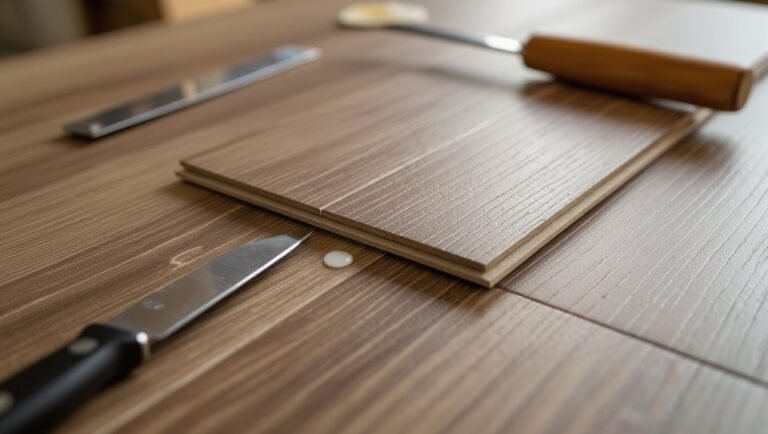
Laminate vs Vinyl Flooring: Key Differences Every Buyer Should Know
You’ll choose vinyl when you need water resistance, softer underfoot comfort, and easier repairs; pick laminate if you want superior scratch resistance, a firmer feel, and lower upfront cost. Both offer DIY click installations, similar lifespans, and simple upkeep, but laminate swells with moisture while vinyl tolerates bathrooms and basements. Consider room use, subfloor prep, and warranties to match performance to budget—keep going to see room-by-room picks, installation tips, and warranty trade-offs.
Laminate vs Vinyl Flooring and Buying Summary
Here’s a quick roundup to help you choose: I’ll say which performs best in common situations, give a one-paragraph buying tip for homeowners, renters, and contractors, and include a snapshot comparison table for quick reference.
You’ll get practical guidance on durability, moisture resistance, cost, and installation so you can match flooring to your needs.
Use the table to scan differences at a glance and the short summaries to make a fast decision.
Quick Answer: Which is Better for Which Situation?
Which should you pick: laminate or vinyl?
Decide by needs: ask what’s the difference between laminate flooring and vinyl flooring — laminate’s great for dry, budget-friendly living spaces with realistic wood looks; vinyl wins in moisture-prone rooms, high-traffic areas, and for easier maintenance.
If you want comfort and resilience, choose vinyl; if you want rigid, cost-effective style, choose laminate.
One-Paragraph Buying Summary for Homeowners, Renters, and Contractors
If you need tough, waterproof floors for bathrooms, kitchens, or rentals, pick vinyl for its moisture resistance, softer underfoot, and easy cleaning;
choose laminate for dry living areas where you want a rigid, affordable floor with convincing wood visuals and simpler DIY installation.
As a homeowner, renter, or contractor, weigh durability, budget, installation skill, and room moisture to decide which suits your project.
Snapshot Comparison Table
Use a simple side-by-side snapshot to quickly compare the key traits of laminate and vinyl so you can match flooring to the room, budget, and installation skill. Review this compact table and pick based on moisture resistance, durability, cost, and DIY ease to make a confident, fast decision.
| Trait | Laminate vs Vinyl |
|---|---|
| Moisture | Vinyl better |
| Durability | Tie |
| Cost | Laminate cheaper |
Understanding the Basics: What Are Laminate and Vinyl?
You’ll want to start by knowing that laminate is a multi-layered product with a decorative printed layer over a fiberboard core and a protective wear layer.
Vinyl comes in sheet, LVP, and LVT forms made from PVC with varying backings and wear coatings.
Learn a few key terms—AC rating, wear layer, plank vs tile, and SPC vs WPC—so you can compare them clearly.
What Is Laminate Flooring? Layers, Materials, and Manufacturing
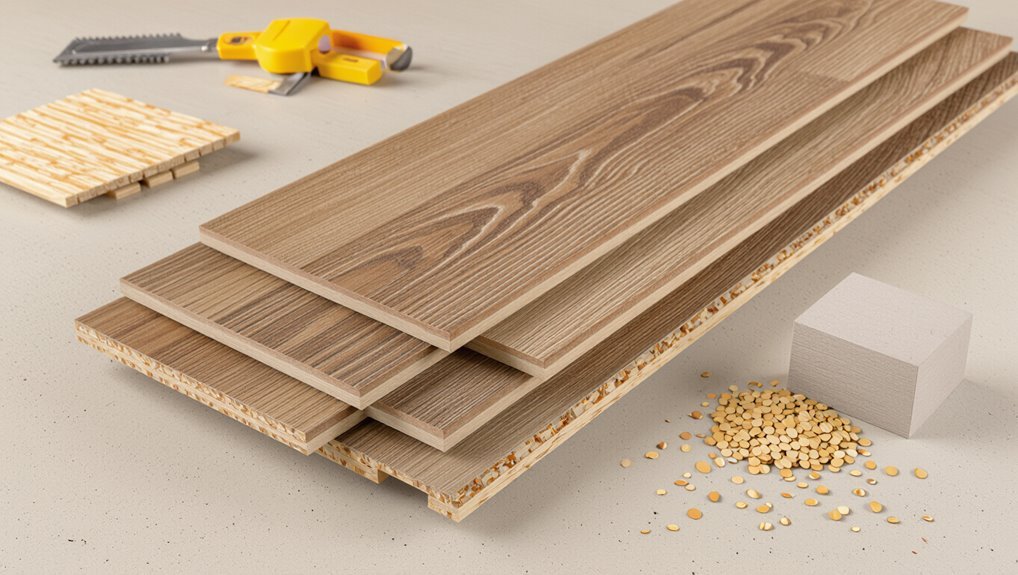
Think of laminate flooring as a layered system built to mimic wood or stone while keeping costs and maintenance low.
You get a durable wear layer, a high-resolution decorative image, and a fiberboard core (usually HDF) that provides stability.
Manufacturers bond these layers under heat and pressure, adding a protective coating for scratch and stain resistance.
Installation commonly uses click-lock planks.
What Is Vinyl Flooring? Types (LVP, LVT, Sheet), Materials, and Manufacturing
Vinyl flooring offers a waterproof, low-maintenance alternative to laminate and real wood, and it comes in several formats—luxury vinyl plank (LVP), luxury vinyl tile (LVT), and sheet vinyl—each tailored to different looks and installation needs.
You’ll find a PVC core or fiberglass backer, printed design layers, and a clear wear layer; manufacturers use calendaring or extrusion plus lamination to assemble durable, realistic products.
Key Terminology Buyers Should Know
Getting familiar with a few core terms will make comparing laminate and vinyl much easier.
You’ll want clear definitions so you can judge durability, cost, and suitability.
- Wear layer: protective top coating that resists scratches and stains.
- Core: inner structure—HDF for laminate, vinyl composite or SPC for rigid vinyl.
- Click-lock: floating installation system that snaps planks together.
Head-to-Head Comparison: Performance and Practical Differences
Now you’ll compare laminate and vinyl across key performance areas like durability, water resistance, and scratch or impact tolerance.
You’ll also look at differences in expected lifespan and warranties, plus comfort, sound, and how warm each feels underfoot.
This will help you pick the best option for your room’s traffic, moisture levels, and comfort needs.
Durability and Wear Resistance
While both laminate and vinyl aim to stand up to daily life, they do it with different strengths: laminate resists scratches and dents thanks to a tough melamine wear layer over a dense core, while luxury vinyl relies on flexible, layered construction and a clear protective coating to handle moisture and impact. You should weigh scratch resistance, impact tolerance, repairability, and lifespan for your use.
| Feature | Typical Result |
|---|---|
| Scratch resistance | Laminate wins |
| Impact tolerance | Vinyl wins |
| Repairability | Vinyl easier |
| Lifespan | Comparable |
| Maintenance | Both simple |
Water Resistance and Moisture Performance
Because moisture affects where you can install flooring, you should compare how laminate and vinyl handle water: Laminate resists spills short-term but can swell at seams; vinyl tolerates standing water and suits bathrooms. Choose based on room moisture and installation method.
| Feature | Laminate | Vinyl |
|---|---|---|
| Water exposure | Limited | High |
| Seam vulnerability | High | Low |
| Suitable rooms | Dry | Wet |
Scratch, Dent, and Impact Resistance
If you’re balancing everyday wear with long-term durability, scratches, dents, and impact resistance are key factors to compare between laminate and vinyl.
Laminate’s tough wear layer resists surface scratches well but can chip or swell if impacted.
Luxury vinyl handles dents and impacts better due to flexible cores, and it still resists scuffs—ideal if you expect heavy foot traffic or dropped items.
Longevity and Warranty Differences
1 clear way to choose between laminate and vinyl is to compare how long they’ll last and what their warranties actually cover.
Laminate often offers 10–30 year residential warranties but can fail from moisture; vinyl commonly has 10–25 year warranties and resists water, extending real-life life.
Check warranty fine print for wear, water damage, installation and commercial use limits before buying.
Comfort, Acoustic Properties, and Thermal Feel
Warranties and lifespan give you a sense of durability, but how a floor feels underfoot and how it sounds in your home often matters more day to day.
Laminate feels firmer and can echo footsteps unless you add underlayment; it’s cooler to the touch.
Vinyl offers softer, quieter underfoot cushioning and feels warmer, especially with cushioned or foam-backed varieties—better for standing or bedrooms.
Installation Methods and Difficulty (Floating vs Glue vs Click)
Installing laminate or vinyl often comes down to three main methods—floating, glue-down, and click-lock—and each affects skill level, time, and long-term performance. You’ll find floating and click-lock are DIY-friendly and quick; glue-down feels permanent and demands precision. Choose based on room use, water exposure, and your patience level.
| Method | Feeling |
|---|---|
| Floating | Relief |
| Click-lock | Confidence |
| Glue-down | Commitment |
| Hybrid | Peace |
Subfloor Requirements and Preparation
Subfloor prep sets the stage for how laminate and vinyl will perform, and you’ll need to treat them differently: laminate demands a flat, dry, and rigid base—usually plywood or OSB with less than 3/16″ variance over 10 feet—while many vinyl products tolerate minor unevenness and can be installed over concrete, cement board, or existing resilient floors if they’re sound and clean.
You should test for moisture, level imperfections, and repair squeaks or soft spots; install underlayment per product instructions to guarantee stability, moisture control, and warranty compliance.
Aesthetic and Design Considerations
When you’re choosing between laminate and vinyl, look closely at how realistic the wood or stone visuals are—textures, plank widths, and embossing make a big difference.
Consider color, pattern, and customization options to match your style and room scale.
Also think about edge profiles, changes, and trim so the finished installation looks intentional and cohesive.
Realism of Wood and Stone Looks (Texture, Plank Widths, Embossing)
Although both laminate and vinyl can mimic wood and stone, the level of realism you get depends on texture, plank widths, and embossing techniques.
You’ll notice laminate often uses deeper, registered embossing aligned with the printed grain for convincing texture, while luxury vinyl relies on surface embossing and varied plank widths to mimic natural variation.
Choose based on tactile feel and scale for the room.
Color, Pattern, and Customization Options
Because color and pattern set the mood of a room, you’ll want to weigh how laminate and vinyl differ in palette, repeats, and personalization.
Laminate offers many wood and stone tones with realistic repeats but limited custom prints.
Vinyl gives broader color ranges, groutable tile looks, and easier custom patterns or inlaid designs.
You can match style, budget, and longevity when choosing.
Edge Profiles, Transitions, and Trim Considerations
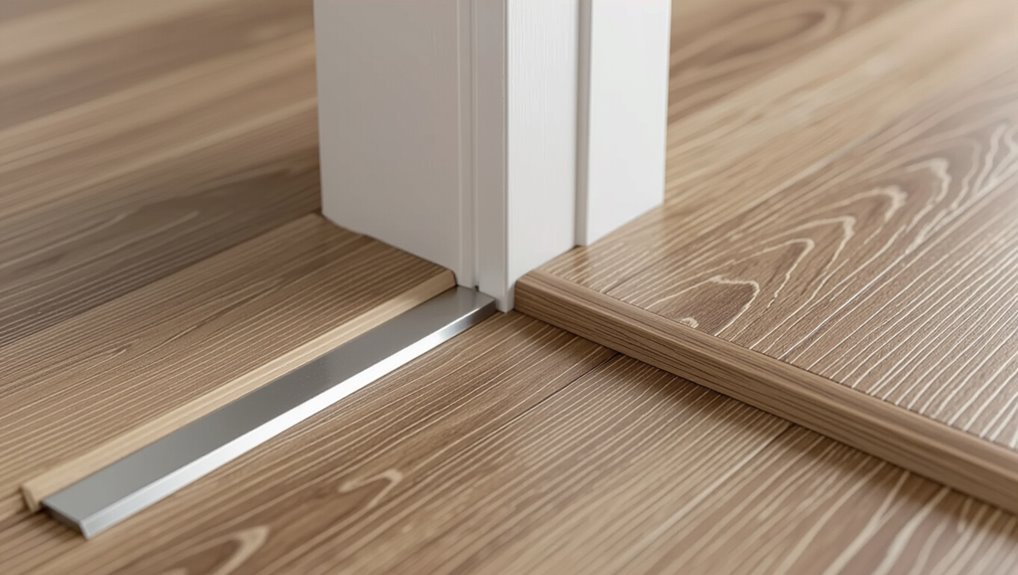
If you want a seamless look or a bold accent, edge profiles, junction strips, and trim let you define where floors meet and how they flow between rooms.
You’ll choose flush, beveled, or bullnose edges to match style; coordinate connections for height differences; and pick trim finishes that hide gaps and protect edges.
Proper choices boost cohesion and durability.
Cost Analysis and Value Over Time
You’ll want to compare upfront material prices—laminate and vinyl range from budget to premium—so you know what fits your budget.
Consider installation scenarios too: doing it yourself can cut costs, while professional fitting raises the initial outlay.
Finally, weigh total cost of ownership by factoring in maintenance, likely repairs, and expected replacement timelines.
Upfront Material Costs (Budget to Premium)
Price matters: when you compare laminate and vinyl flooring, the upfront material costs span from budget-friendly to high-end options, and those initial prices shape both your short-term spend and long-term value.
You’ll find laminate often costs less per square foot for basic planks, while luxury vinyl and SPC varieties raise prices—so balance appearance, durability, and warranty when choosing.
Installation Cost Scenarios (DIY vs Professional)
When weighing laminate versus vinyl, installation choice—DIY or pro—can swing total project cost markedly.
So factor labor, tools, and time into your budget. You’ll save on labor with laminate DIY click-lock, but need underlayment and floor prep.
Vinyl’s glue-down or loose-lay options may demand adhesive, special tools, or skilled installers.
Get quotes and compare warranties before deciding.
Total Cost of Ownership: Maintenance, Repair, Replacement
After choosing DIY or a professional installer, think about how maintenance, repairs, and eventual replacement will affect long‑term value. You’ll weigh cleaning frequency, repair ease, and lifespan: vinyl resists water and needs less upkeep, while laminate may need replacement sooner if swollen. Factor warranties and resale impact when comparing true lifetime cost.
| Item | Impact |
|---|---|
| Maintenance | Frequency/cost |
| Repairs | Ease/cost |
| Replacement | Lifespan/warranty |
Maintenance, Cleaning, and Repair
You’ll want simple, regular routines to keep laminate and vinyl looking their best, including sweeping, damp mopping, and using manufacturer-recommended cleaners.
Learn quick stain-removal tricks and basic scratch or spot repairs so small issues don’t get worse.
When damage is extensive or repairs can’t restore appearance or function, you’ll need to weigh repair costs against replacement.
Routine Cleaning Best Practices for Laminate and Vinyl
Keeping laminate and vinyl floors looking their best doesn’t take long if you stick to a few simple habits:
- Sweep or vacuum daily with a soft-brush attachment to remove grit.
- Damp-mop weekly using a manufacturer-approved cleaner; avoid soaking boards.
- Place doormats and felt pads under furniture to prevent wear.
You’ll extend lifespan and keep surfaces attractive with minimal effort.
Stain Removal, Scratch Repair, and Spot Fixes
While small spills and scuffs are inevitable, you can often remove stains and repair minor scratches yourself with the right materials and quick action.
For laminate, blot spills, use mild detergent, and apply a laminate repair kit or colored wax for scratches.
For vinyl, clean gently, use a vinyl repair compound for gouges, and buff light marks; always test products in an inconspicuous spot.
When to Repair vs Replace
Small repairs can stretch a floor’s life, but there comes a point where repair costs, repeated fixes, or widespread damage mean replacement is the smarter choice.
If planks or tiles buckle, swell, or show chronic water damage, replace. For isolated scratches, chips, or a few loose edges, repair.
Compare repair cost, matching difficulty, and warranty before deciding.
Environmental, Health, and Safety Factors
When choosing between laminate and vinyl, you’ll want to weigh VOC emissions, indoor air quality, and available certifications like FloorScore or GREENGUARD.
Consider each option’s recyclability, overall sustainability, and the environmental impact of how it’s manufactured.
Also check fire resistance ratings and slip ratings to keep your home safe.
VOCs, Indoor Air Quality, and Certifications
Because new flooring can affect the air you breathe for months, it’s important to understand VOCs, off-gassing, and the certifications that limit them.
You should choose products with low-VOC formulations, Greenguard or FloorScore certifications, and formaldehyde-free labels.
Proper acclimation, ventilation during installation, and checking manufacturer test reports will reduce exposure and help you maintain healthier indoor air quality.
Recyclability, Sustainability, and Manufacturing Impact
Materials matter: you’ll want to weigh recyclability, resource use, and manufacturing impacts when choosing between laminate and vinyl, since each has different life-cycle footprints, waste pathways, and health-and-safety considerations during production and disposal.
Laminate uses more wood fiber, can be recycled less often but is biodegradable in parts; vinyl relies on PVC, is harder to recycle, and raises concerns about additives and incineration emissions.
Fire Resistance and Slip Ratings
1 key safety area to check is how laminate and vinyl perform in fires and underfoot: they behave very differently and that affects your health risks and building safety.
You should note that vinyl can release toxic gases when burning, while many laminates char and may self-extinguish.
Also compare slip ratings (R or COF values) for wet and dry conditions to reduce fall risk and meet codes.
Room-by-Room Recommendations and Use Cases
Think about each room’s moisture, traffic, and maintenance needs when choosing between laminate and vinyl.
You’ll learn which options work best for kitchens, bathrooms, living rooms, bedrooms, basements, garages, and other high-moisture areas.
I’ll also cover choices suited for rental properties and high-traffic commercial spaces.
Best Options for Kitchens and Bathrooms
When choosing flooring for kitchens and bathrooms, prioritize water resistance, durability under heavy foot traffic, and ease of cleaning—because spills, steam, and frequent use demand materials that stand up to moisture and mess without constant upkeep.
Choose waterproof luxury vinyl planks or tiles for reliability; consider grout-resistant vinyl and quality underlayment.
Avoid standard laminate unless engineered waterproof models are specified.
Best Options for Living Rooms and Bedrooms
Looking for the right floor for your living room or bedroom? You’ll want comfort, style, and durability.
Choose laminate for realistic wood looks, scratch resistance, and budget-friendly installation.
Pick luxury vinyl plank if you want softer underfoot, better sound dampening, and water resistance near exterior doors.
Both handle typical foot traffic well; match texture and tone to your décor and furniture.
Best Options for Basements, Garages, and High-Moisture Areas
Living rooms and bedrooms favor comfort and style, but basements, garages, and other high-moisture areas demand different priorities: water resistance, stability over concrete, and easy maintenance.
Choose waterproof vinyl plank or tile with a robust wear layer for garages and damp basements.
For concrete, use glued or click-lock vinyl with proper moisture barrier; avoid standard laminate unless engineered for wet spaces.
Recommendations for Rental Properties and High-Traffic Commercial Spaces
For rental properties and high-traffic commercial spaces, pick flooring that withstands heavy use, minimizes upkeep, and keeps replacement costs down.
You’ll want durable, low-maintenance options that look professional and resist stains.
- Choose commercial-grade vinyl for moisture resistance and easy cleaning.
- Consider high-AC-rated laminate where moisture isn’t an issue.
- Prioritize warranty coverage and straightforward replacement.
Common Mistakes Buyers Make
Don’t pick flooring just because it’s the cheapest option—you’ll often pay more later.
Check your subfloor and moisture risks before buying, and read warranty fine print and installation limits so you don’t void coverage.
Also factor in long-term maintenance costs, since cheap-looking savings can become expensive over time.
Choosing Based Only on Price
While choosing the cheapest option may seem smart at the checkout, basing your floor decision solely on price often leads to regret—cheaper laminate or vinyl can mask differences in durability, installation complexity, and long-term costs that you’ll feel down the road.
You should weigh warranty, wear layer, maintenance, and expected lifespan; investing a bit more now often saves money and hassle later.
Ignoring Subfloor and Moisture Issues
Price matters, but fixing a warped subfloor or battling hidden moisture will cost you far more than choosing a slightly better product at the store.
Don’t install laminate over damp concrete or ignore uneven joists — you’ll get cupping, buckling, and mold.
Inspect, test for moisture, and repair or waterproof first. Proper subfloor prep protects your investment and prevents premature failure.
Misjudging Warranty Conditions and Installation Limits
If you skim the fine print, you can end up voiding coverage or limiting where and how you can install your new floor.
Read warranty terms carefully: note exclusions for moisture, commercial use, or radiant heat.
Follow prescribed installation methods and certified installers, keep receipts, and document conditions.
That protects claims and avoids surprises if problems arise after installation.
Overlooking Long-Term Maintenance Costs
Because upfront costs don’t tell the whole story, you should factor ongoing maintenance into your flooring choice: compare cleaning needs, repair ease, and product lifespan.
Laminate may need careful moisture control and panel replacement; vinyl often cleans easily and resists water but can gouge.
Estimate routine cleaning, occasional repairs, and replacement timing so you won’t face unexpected long-term expenses.
How to Choose: Step-by-Step Buying and Installation Checklist
Start by checking room conditions and moisture risks so you pick a material that can handle the space.
Then set your budget, compare material grades, and choose the style, durability rating, and warranty that match your needs.
Finally decide on DIY versus professional installation and prepare the subfloor before scheduling the install.
Step 1 Assess Room Conditions and Moisture Risks
Before you pick a floor, evaluate the room’s use, temperature swings, and moisture exposure so you know whether laminate or vinyl will hold up there.
Check for spills, humidity, basements’ dampness, and direct sunlight. Measure traffic levels and pet activity.
Note subfloor condition and any flooding history. Prioritize moisture-prone areas for waterproof vinyl; consider laminate only in dry, stable spaces.
Step 2 Set a Budget and Compare Material Grades
Decide how much you’re willing to spend and what performance you need before shopping so you don’t get swayed by looks alone.
Compare price per square foot across laminate and vinyl, factoring installation and underlayment.
Check core thickness, wear layer (for vinyl), and AC rating (for laminate) to match budget with expected lifespan.
Prioritize value, not lowest cost.
Step 3 Select Style, Durability Rating, and Warranty
3 key choices now shape your purchase: style, durability rating, and warranty—so pick options that match how you’ll use the room and how long you want the floor to last.
Choose a look that fits your decor, check AC ratings (laminate) or wear layers (vinyl), and compare warranty coverage for traffic, moisture, and manufacturing defects before buying to avoid surprises.
Step 4 Decide on DIY vs Professional Installation
If you’re handy and have basic tools, installing laminate or vinyl yourself can save money and give you control over the timeline; if not, hiring a pro reduces risks like improper subfloor prep, gaps, or warranty issues.
Weigh skill level, time, and complexity—room size, patterns, changes—and compare DIY tutorials’ scope to contractor quotes, including labor guarantees and cleanup.
Step 5 Prepare Subfloor and Schedule Installation
Now’s the time to get your subfloor ready and lock in an installation date.
You’ll check for level, clean debris, and address moisture before installers arrive. Confirm access, protect surrounding areas, and set a start time that suits you.
Follow this quick checklist:
- Leveling and moisture test
- Clean and repair subfloor
- Schedule installer arrival and access details
Best Practices and Tips for Longevity
To keep your laminate or vinyl looking great, start with simple preventive measures like furniture pads, entry mats, and felt glides to cut down on scratches and grit.
You’ll also want to manage indoor humidity and seasonal care—use a humidifier or dehumidifier as needed and avoid excessive moisture.
For small issues, learn quick spot-repair tricks and routine maintenance to extend the floor’s life before professional fixes are necessary.
Preventive Measures to Reduce Damage (Furniture Pads, Mats)
Protect your floors by using simple preventive measures like furniture pads and entry mats; they cut down on scratches, dents, and grit-related wear that shorten both laminate and vinyl life.
You should replace worn pads, use felt under chair legs, and place rugs in high-traffic zones.
Clean mats regularly and avoid rubber-backed pads that can trap moisture or stain surfaces.
Seasonal Care and Humidity Control
Because wood‑based laminate and some luxury vinyl respond differently to moisture and temperature, you’ll need a seasonal plan to keep them stable and long‑lasting.
Monitor indoor humidity with a hygrometer, aiming for 35–55%. Use humidifiers in dry winters and dehumidifiers or AC in humid summers.
Allow acclimation before installation, maintain consistent HVAC settings, and promptly dry spills to prevent warping or cupping.
Tips for Spot Repairs and Extending Product Life
1 practical habit will extend your floor’s life: address damage fast and correctly.
Inspect regularly for scratches, chips, or lifting. For laminate, replace damaged planks and use repair kits for minor scratches; for vinyl, use heat-set patches or adhesive-backed repairs.
Clean spills promptly, use felt pads, avoid harsh chemicals, and maintain recommended humidity to prevent warping and delamination.
Frequently Asked Questions (FAQ)
You probably have a few quick questions about where to use each product, how long they last, and which one adds more to your home’s value.
You’ll want to know if laminate works in bathrooms or basements, whether you can install either over existing flooring, and which is cheaper to replace if damaged.
Below are concise answers to those common concerns.
Can laminate be installed in a bathroom or basement?
While laminate looks great and performs well in many rooms, it isn’t the best choice for bathrooms or damp basements unless you pick a water-resistant variety and follow strict installation and moisture-control steps.
You can install water-resistant laminate in these spaces if you use proper underlayment, seal edges, maintain humidity control, and address leaks promptly.
Otherwise, choose waterproof alternatives.
How long does vinyl/laminate flooring typically last?
Because lifespan depends on material quality, installation, and care, vinyl and laminate flooring can last very differently:
Vinyl often endures 10–25 years depending on wear layer and traffic, while laminate typically lasts 15–30 years with good maintenance and low moisture exposure.
You should choose based on room use, foot traffic, and maintenance commitment; repairability and warranty also affect real-world longevity.
Is vinyl or laminate better for resale value?
Lifespan and upkeep affect buyers’ impressions, so it’s worth asking how vinyl and laminate influence resale value.
You’ll find both can boost appeal if they look high-quality and match your home’s style. Waterproof vinyl often attracts buyers in kitchens and baths; premium laminate with realistic grain can raise value elsewhere.
Choose durable, neutral options and maintain them to protect resale potential.
Can I install vinyl or laminate over existing flooring?
Can you install vinyl or laminate over your existing floor? Yes—often you can lay vinyl planks or laminate over smooth, level, dry surfaces like tile or wood.
Remove loose molding, fix uneven spots, and use recommended underlayment. Avoid installing over carpet or damp subfloors.
Check manufacturer guidelines—warranty and performance depend on proper substrate preparation and compatibility.
Which flooring is easier and cheaper to replace if damaged?
If you’ve already prepared your subfloor and removed molding as needed, the next question is how each material handles repairs and replacements when damage happens.
You’ll find vinyl planks are usually easier and cheaper to replace: you can swap individual tiles or planks with minimal disruption.
Laminate often requires replacing whole boards or sections and may need special tools, raising labor and cost.
Final Recommendation and Quick Decision Guide
Now that you’ve seen the facts, here’s a quick decision guide to help you pick based on priority.
- Waterproofing — choose vinyl for wet areas.
- Budget and aesthetics — pick laminate if you want lower cost with good looks;
- Durability — weigh high-end vinyl or commercial-grade laminate depending on traffic.
Recommendations by Priority: Waterproofing, Budget, Aesthetics, Durability
When choosing between laminate and vinyl, prioritize what matters most to you—waterproofing, budget, looks, or lifespan—and let that guide the final pick.
If you need waterproofing, pick vinyl; on a tight budget, choose budget laminate or entry vinyl.
For top aesthetics, opt for high-end laminate or luxury vinyl planks.
For longevity, select thicker, well-rated options and proper installation.