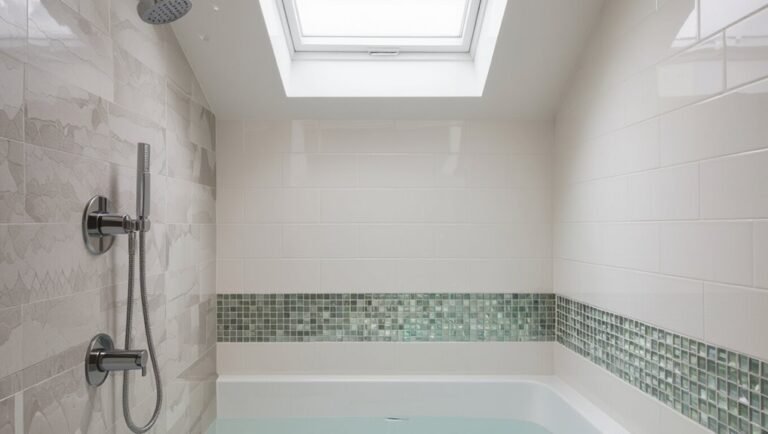
Porcelain vs Ceramic Tile: Which One Is Actually Better for Your Home
You’ll pick porcelain when you need ultra-durable, low-porosity tile for high-traffic or wet areas, and ceramic when you want a budget-friendly, easier-to-cut option for walls or low-traffic rooms. Porcelain is denser, more frost- and stain-resistant, and lasts longer, while ceramic gives brighter glazes and simpler installation. Consider moisture exposure, foot traffic, and budget to decide. Keep going for clear tips on where each tile truly shines and how to choose.
Which Is Better: Porcelain or Ceramic Tile?
Here’s a quick verdict: porcelain is tougher and better for high-traffic or wet areas, while ceramic is fine for low-traffic, budget-friendly spaces.
You’ll choose porcelain when you need durability and moisture resistance, and ceramic when you want easier cutting, lower cost, or a warmer finish.
Consider traffic, moisture exposure, and budget to decide which fits your project.
One-sentence verdict
While porcelain generally outperforms ceramic in durability and water resistance, the better choice depends on your budget, style preferences, and where you’ll install the tile.
For most high-traffic or wet areas you’ll want porcelain, but if cost or ease of cutting matters, ceramic can win.
Ask yourself what’s better porcelain or ceramic tile for your specific needs before deciding.
When to choose porcelain vs when to choose ceramic
Now that you know the basic trade-offs, deciding which to pick comes down to where the tile will go and what constraints you have — budget, traffic, moisture, and how much cutting or installation effort you’re willing to take on.
Choose porcelain for high-traffic, wet, or exterior spaces and when you need thin, durable slabs.
Pick ceramic for lower-traffic, budget-friendly indoor areas.
- Porcelain: durable, dense
- Porcelain: better for outdoors
- Ceramic: cheaper, easier cuts
- Ceramic: good for walls and light use
Understanding the Basics
You’ll first want to know what ceramic tile is—clay that’s shaped and fired to create a durable, glazed surface.
Porcelain is a denser, finer clay fired at higher temperatures for greater strength and lower porosity.
Then we’ll look at how those different clays and firing processes shape each tile’s performance and uses.
What is ceramic tile?
Ceramic tile is a hard, durable surface made from clay and other natural minerals that’s shaped, glazed, and fired in a kiln to create a finished product for floors, walls, and countertops.
You’ll find varied colors, patterns, and glaze types; glazed ceramic resists stains and offers design flexibility, while unglazed provides texture and slip resistance.
It’s affordable and relatively easy to install and maintain.
What is porcelain tile?
Porcelain tile is a dense, fired clay product that’s been compressed and vitrified at higher temperatures than standard ceramic, giving it greater strength and lower water absorption—qualities that make it ideal for high-traffic areas, moisture-prone spaces, and outdoor use.
You’ll find it harder, more durable, and less porous, resisting stains and frost so it performs well in kitchens, bathrooms, entryways, and patios.
How porcelain and ceramic are made
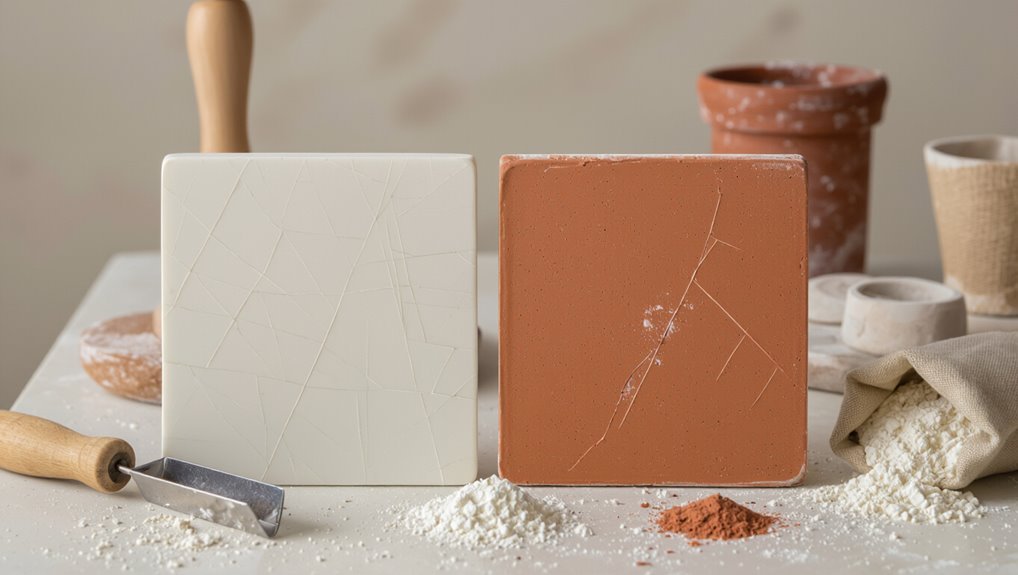
Now that you know how porcelain differs in density and durability, it helps to look at how both porcelain and ceramic start on the production line.
You’ll see porcelain made from finely ground, purified clay mixed with kaolin, fired at very high temperatures for vitrification.
Ceramic uses coarser clays and lower firing, so it’s more porous.
Both get glazing and a final kiln firing.
Key Differences Explained
Now you’ll compare how porcelain and ceramic differ in composition and how they’re made, since that affects everything from water absorption to durability.
You’ll see why porcelain is generally stronger and more resistant to breaking, and how hardness varies between types.
Finally, you’ll look at surface finishes, glazing, and color options so you can choose the right look and performance for your project.
Material composition and manufacturing process
Although they look similar at a glance, the raw materials and how they’re made set porcelain and ceramic tiles apart: porcelain’s clay mixes include finer, denser clays and often higher kaolin content, while ceramic uses coarser clays and additives.
Manufacturers fire porcelain at higher temperatures and under more pressure to create a harder, less porous body.
You’ll notice finished porcelain tiles are more uniform, often molded and vitrified, while ceramic may be glazed, pressed, and less refined, affecting feel and finish.
Water absorption and durability
Because of differences in clay, firing, and density, porcelain absorbs far less water than ceramic, and that lower porosity makes it noticeably tougher in everyday use. You’ll find porcelain resists stains, frost, and moisture better, so it suits wet areas. Compare absorption rates and maintenance:
| Tile Type | Water Absorption | Typical Use |
|---|---|---|
| Porcelain | <0.5% | Bathrooms, exteriors |
| Ceramic | 0.5–3% | Indoor, low-moisture areas |
Strength, hardness, and breaking resistance
When you compare porcelain and ceramic on strength and breaking resistance, porcelain typically comes out ahead due to its denser, more vitrified body and higher firing temperatures; that structure gives porcelain greater hardness and makes it less prone to chipping or cracking under heavy loads.
You’ll find ceramic is adequate for light-traffic areas but more likely to crack under impact or sustained heavy weight.
Surface finishes, glazing, and color options
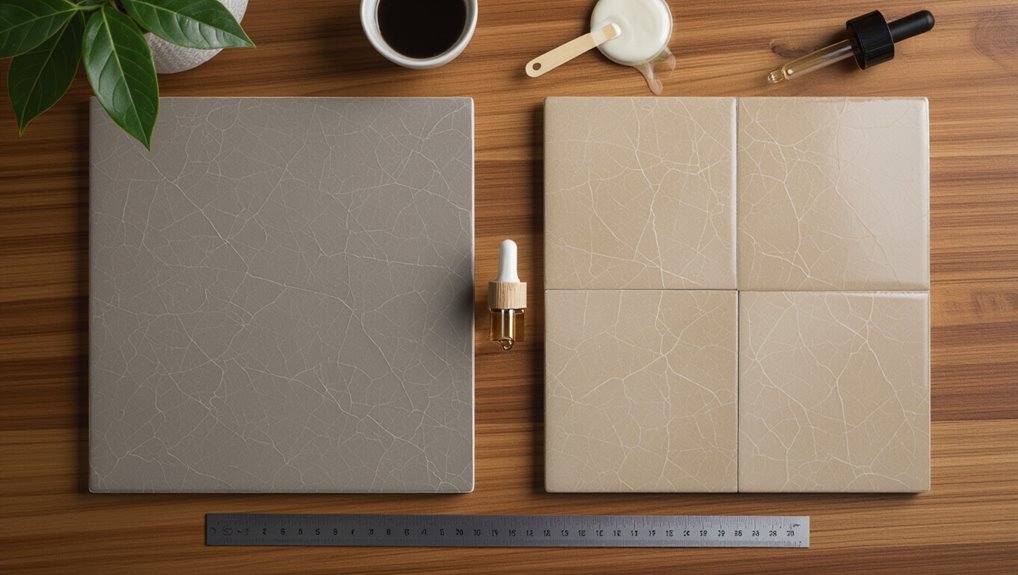
Finish choices shape how tile looks, feels, and performs, and porcelain and ceramic offer different palettes and glazing options you should know.
You’ll find porcelain often has through-body color and dense, subtle hues with unglazed or polished finishes for modern, low-maintenance looks.
Ceramic gives brighter surface glazes, varied textures, and patterns but needs sealed glazes for durability.
Choose by style, slip resistance, and maintenance.
Performance Comparison by Use Case
When choosing between porcelain and ceramic, think about where you’ll install the tile—floors need tougher wear resistance than walls.
For high-traffic spots like kitchens and hallways, and wet areas such as bathrooms, laundry rooms, or outdoor patios, durability and water absorption are key.
Also consider compatibility with radiant or underfloor heating, since some tiles handle thermal cycling better than others.
Floors vs walls
Although both porcelain and ceramic look similar at a glance, they perform very differently once you install them.
For floors, choose porcelain for durability, water resistance, and thinner grout lines; it stands up to foot traffic and moisture.
For walls, ceramic works well—lighter, easier to cut and install, and cost-effective.
Match tile choice to location and maintenance expectations for best results.
High-traffic areas (kitchens, hallways)
If you’re choosing tile for kitchens or hallways, prioritize wear resistance and slip performance because these spaces face constant foot traffic, spills, and dragging furniture. Porcelain resists scratches and abrasion better; ceramic can chip under heavy use. Choose textured or matte finishes for grip and larger formats to reduce grout lines for easier cleaning.
| Feature | Recommendation |
|---|---|
| Durability | Porcelain |
| Slip | Textured/Matte |
| Maintenance | Porcelain easier |
| Cost | Ceramic lower |
Wet areas (bathrooms, laundry rooms, outdoor patios)
Because wet spaces demand both water resistance and safe footing, pick tiles that handle moisture, temperature swings, and frequent cleaning without losing grip or finish.
Porcelain’s low porosity and durability make it ideal for showers, laundry floors, and uncovered patios; textured or matte finishes improve traction.
Glazed ceramic can work indoors if rated for wet areas, but avoid slippery glossy surfaces outdoors.
Radiant heat and underfloor heating compatibility
When you install radiant heat, tile choice affects how quickly floors warm, how evenly heat distributes, and how efficiently the system runs; porcelain’s density and low porosity typically transmit heat well and resist thermal stress, while ceramic’s lighter body can heat a bit faster but may be more prone to cracking if not properly installed or matched to the heater’s output.
You should match tile thermal conductivity, thickness, and installation method to your system, use proper mortar and control joints, and follow manufacturer recommendations to prevent failures and optimize comfort.
Aesthetic Considerations
You’ll want to weigh style and design flexibility when choosing between porcelain and ceramic, since each offers different finishes and patterns.
Consider size, edge profiles, and grout joint options because they shape the visual flow and scale of a room.
If you’re aiming to mimic natural stone or wood, we’ll compare which material does it more convincingly and where each excels.
Style and design flexibility
Although both porcelain and ceramic tiles can mimic wood, stone, and intricate patterns, porcelain gives you broader design flexibility thanks to its advanced printing and glazing techniques.
You’ll find more realistic textures, greater color consistency, and larger-format options.
Porcelain handles high-traffic areas and outdoor settings while keeping appearance, so you can match styles across rooms, create seamless changes, and achieve striking, durable looks.
Size, edge profiles, and grout joint options
Tile size, edge profile, and grout joint choices play a big role in the final look and feel of your space, and they differ between porcelain and ceramic.
You’ll find porcelain available in larger formats and rectified edges for minimal grout lines, while ceramic often comes in smaller sizes with eased edges.
Choose grout width and color to enhance pattern, scale, and maintenance.
Mimicking natural stone or wood which works better?
Want a floor that looks like honed marble or reclaimed oak? You’ll find porcelain excels at convincingly replicating stone and wood with high-resolution prints, sharper veining, and durable finishes, so patterns stay true under wear.
Ceramic can mimic softer looks affordably but with less precision and fading risk. Choose porcelain for realism and longevity; pick ceramic if budget and low-traffic use guide you.
Cost and Value Analysis
You’ll notice porcelain usually costs more per square foot than ceramic, but installation complexity can shift the balance.
Consider labor, special tools, and any substrate prep—those factors often drive total project cost.
Think about long-term value too, since durability and lifecycle expenses can make a pricier option cheaper over time.
Material cost differences
When comparing porcelain and ceramic, expect porcelain to cost more per square foot because it’s denser, fired hotter, and often requires higher-grade raw materials and more precise manufacturing.
You’ll pay premiums for superior wear resistance, lower porosity, and advanced finishes.
Ceramic can save money upfront for low-traffic rooms, while porcelain offers longer-term durability and better resale value in high-use or moisture-prone areas.
Installation cost factors (labor, tools, substrate)
Because installation often makes up as much—or more—of your total cost as the tile itself, you should budget carefully for labor, special tools, and any substrate work the job needs.
Labor rates vary by region and complexity; porcelain often needs tougher cutting and skilled installers. Factor rental or purchase of saws, trowels, leveling systems, and possible underlayment or subfloor repairs.
Long-term value and lifecycle cost
Durability drives long-term value, so look past upfront price and compare lifecycle costs: purchase and installation, maintenance and repairs, and expected replacement interval. You’ll pay more for porcelain now, but lower upkeep and longer life usually cut total cost. Choose ceramic if budget and easy replacement matter; pick porcelain for longevity and resale appeal.
| Factor | Impact |
|---|---|
| Purchase | Porcelain higher |
| Maintenance | Porcelain lower |
Installation and Maintenance
When you plan installation, check substrate flatness, moisture barriers, and any special prep porcelain may need compared with ceramic.
You’ll want to understand common installer mistakes—like improper thinset choice or uneven subflooring—along with grout type, sealing needs, and routine cleaning.
Finally, consider how easy repairs and replacement will be for each tile type so you can minimize future headaches.
Preparation and substrate requirements
Before you lay porcelain or ceramic tile, confirm the substrate is flat, clean, and structurally sound—any movement, contamination, or unevenness will compromise the bond and cause cracks or lippage.
Check moisture levels, repair cracks, remove loose or contaminated materials, and guarantee proper slope where needed.
Use appropriate backerboard or cementitious underlayment for wet areas, and follow manufacturer tolerances for flatness and cleanliness.
Installation difficulty and common installer mistakes
Although both porcelain and ceramic tile follow similar steps, porcelain often demands tighter tolerances and firmer technique.
So you’ll find it a bit harder to cut, set, and grout correctly. You should expect sharper tools, slower cuts, and stricter flatness.
Common installer mistakes include:
- Uneven substrate leveling
- Incorrect tile spacings
- Using wrong adhesives
- Poor edge and corner alignment
Grout, sealing, and ongoing maintenance needs
Mistakes in setting and spacing will show up most around grout lines, so you’ll want to pay extra attention to grout choice, sealing, and routine upkeep.
Choose grout color and joint width to hide dirt; use epoxy where moisture is heavy.
Seal porous ceramic grout annually; porcelain often needs less sealing.
Clean regularly with pH-neutral products and re-seal or deep-clean grout as needed.
Repair and replacement considerations
When tiles chip, crack, or loosen, you’ll want a clear plan for quick repairs and eventual replacement to avoid bigger problems. Small fixes like replacing a single ceramic tile are generally straightforward, while porcelain—because it’s denser and often installed with tighter joints—can be harder to match and cut.
Keep spare tiles, note grout color, and hire pros for complex or large-area replacements.
Environmental and Health Factors
Now let’s look at how porcelain and ceramic compare on sustainability, embodied energy, and their impact on indoor air quality.
You’ll want to evaluate VOC emissions, hypoallergenic properties, and whether tiles can be recycled or safely disposed of at end of life.
These factors can influence both your health and the long-term environmental footprint of your choice.
Sustainability and embodied energy
Although both porcelain and ceramic tiles look similar, their environmental footprints can differ quite a bit.
You’ll want to take into account embodied energy, resource use, and end-of-life impacts when choosing between them.
Porcelain often needs higher firing temperatures and more energy, while ceramic can use less intensive processes.
Consider recycled content, local sourcing, and recyclability to lower overall impact and long-term sustainability.
VOCs, indoor air quality, and hypoallergenic properties
Because tiles themselves are mostly inert, they rarely off-gas once installed.
However, the products you use with them—adhesives, grouts, sealers, and cleaners—can release volatile organic compounds (VOCs) that affect indoor air quality and trigger allergies or respiratory irritation.
Choose low‑VOC or water‑based adhesives and sealers, use unscented, non‑toxic cleaners, guarantee proper ventilation during installation, and prefer glazed porcelain or ceramic for easy cleaning.
Recyclability and end-of-life options
When you’re done with a tile floor or backsplash, think beyond the dumpster: both porcelain and ceramic can be recycled or repurposed, but the options and ease differ.
You can donate intact tiles, use broken pieces for mosaics or drainage, or find construction recycling centers.
Porcelain’s dense composition limits some reuse, while ceramic’s varied glazes may complicate recycling—call local facilities first.
Common Problems and How to Avoid Them
You’ll want to watch for cracking, chipping, and moisture problems that can start small but get worse fast.
Pay attention to efflorescence, staining, and grout failure, since they often signal installation or waterproofing issues.
Choosing the right tile rating and specs for your use and substrate will help prevent most of these failures.
Cracking, chipping, and moisture issues
If you want tile that stays intact and attractive for years, understanding cracking, chipping, and moisture problems is essential.
Choose porcelain in high-traffic or wet areas for its density and strength. Install on a stable, well-prepared substrate, use proper thinset and expansion joints, and seal edges where moisture can penetrate.
Inspect and replace damaged tiles promptly to prevent wider issues.
Efflorescence, staining, and grout failure
A few common problems—efflorescence, stubborn stains, and grout failure—can make even well-installed tile look neglected and shorten its lifespan, so you should spot and address them early.
Clean spills promptly, use pH-neutral cleaners, and seal grout to repel moisture and stains.
Fix leaks, guarantee proper drainage, and regrout or replace damaged sections before mold and deterioration spread.
How to choose the right tile rating and specs to prevent failures
When you pick tile, match the rating and specifications to the job so it won’t fail under real conditions; consider PEI wear ratings, water absorption, frost resistance, and slip ratings alongside anticipated traffic and exposure.
You’ll choose durable porcelain for high traffic, low-absorption tiles for wet areas, frost-rated outdoors, and proper slip resistance where needed.
- Match PEI to traffic
- Check water absorption
- Use frost-rated tiles outside
- Verify slip rating
Best Practices and Buying Tips
When you shop, learn how to read technical specs like PEI ratings, porosity, and frost ratings so you can match tile to the room and climate.
Ask suppliers and installers about installation methods, warranties, and expected maintenance before you commit.
Budget for quality where performance matters (wet areas, high traffic) and save on trim or less-visible selections.
How to read technical specs (PEI, porosity, frost rating)
Because porcelain and ceramic specs pack a lot of useful detail into a few acronyms, you’ll want to know how to read them before you buy.
Check PEI for wear (higher is tougher), porosity for water absorption (lower means porcelain), frost rating for outdoor use, and COF for slip resistance.
- PEI class
- Porosity %
- Frost rated?
- COF value
Questions to ask suppliers and installers
Now that you can read PEI, porosity, frost rating and COF, you’ll want to ask suppliers and installers targeted questions to guarantee the product and the job match your needs.
Ask about tile source, grade, and slip resistance; warranty details; recommended grout and sealant; installation qualifications and references; substrate prep and moisture mitigation; timeline, change-order policies, and cleanup.
Get everything written.
Budgeting tips and when to splurge vs save
Curious where to splurge and where to save on tile? You should invest in quality porcelain for high-traffic areas and wet rooms—durability pays off.
Save on ceramic for low-traffic spaces or backsplashes.
Budget for proper installation, substrate prep, and high-quality grout; those prevent costly repairs.
Shop sales, compare samples, and prioritize longevity over trendy finishes.
Side-by-Side Quick Comparison Table
Now let’s put porcelain and ceramic side-by-side so you can see the key pros and cons at a glance.
You’ll get a clear comparison of durability, water resistance, cost, and maintenance to help you choose.
Use the table to quickly weigh which material fits your project and budget.
At-a-glance pros and cons of porcelain vs ceramic
While both porcelain and ceramic tiles can look great, choosing between them comes down to trade-offs in durability, maintenance, cost, and installation. You’ll weigh longevity versus price and ease of repair versus toughness. Use this quick table to compare.
| Porcelain | Ceramic |
|---|---|
| More durable, pricier | Less durable, more affordable |
| Harder to cut, low water absorption | Easier to install, higher absorption |
Short Decision Guides
You’ll get quick, practical guidance for choosing tiles based on room and conditions so you can pick what’s right for kitchens, bathrooms, and outdoor or high-moisture areas.
We’ll compare durable, low-porosity porcelain with more affordable ceramic options for budget-friendly renovations and outline when a luxury tile upgrade makes sense.
Use these short decision points to move from confusion to a clear selection.
Best tile choices for kitchens
Choosing the right tile for your kitchen comes down to balancing durability, maintenance, and style—porcelain handles heavy traffic and spills best, while ceramic gives you more design options at a lower price.
Pick porcelain for high-traffic cooking zones, island surrounds, and near sinks.
Choose ceramic for backsplashes and casual dining areas where looks and cost matter more than extreme wear resistance.
Best tile choices for bathrooms
Because bathrooms combine constant moisture, frequent foot traffic, and a need for safe, easy cleaning, pick tiles that resist water, stains, and slipping.
Choose porcelain for durability and low porosity; glazed ceramic works well for walls.
Opt for textured or matte finishes and smaller-format tiles to improve traction.
Prioritize mosaics or textured trims in wet zones, and pick grout sealed against mildew.
Best tile choices for outdoor and high-moisture areas
For outdoor and constantly wet spaces, pick tiles that stand up to freeze-thaw cycles, heavy wear, and slippery surfaces.
Choose porcelain with low porosity and high PEI for patios, steps, and pool surrounds. Frost-resistant, textured finishes improve grip.
Glazed ceramic suits covered porches or dry-eaves areas only.
Seal natural stone and use proper slope and drainage to prevent water damage and algae.
Best tile choices for budget renovations vs luxury projects
If you want to stretch a tight budget, prioritize durable, low-maintenance tiles like porcelain or budget ceramic with a PEI rating suited to the room; save splurging for small focal areas (backsplashes, feature walls) where luxury materials make the most impact.
For budget renos, choose neutral, easy-to-install tiles; for luxury projects, invest in large-format porcelain, natural stone, or designer ceramics for texture and visual value.
Frequently Asked Questions
You probably have a few quick questions about porcelain and ceramic — like whether porcelain is always better, if ceramic can go outdoors, or whether porcelain needs special tools to cut.
You’ll also want to know how long each lasts and whether either works with heated floors.
I’ll answer these plainly so you can pick the right tile for your project.
Is porcelain always better than ceramic?
Wondering whether porcelain is always better than ceramic? You shouldn’t assume so.
Porcelain is denser, more water-resistant, and often harder, making it ideal for high-traffic, moisture-prone areas.
Ceramic can be more affordable, easier to cut, and perfectly fine for many indoor spaces.
Choose based on durability needs, budget, finish preferences, and installation complexity rather than a blanket “better” label.
Can ceramic tile be used outdoors?
Since porcelain often gets recommended for outdoor use, you might ask whether ceramic can handle the elements too.
You can use ceramic outdoors if it’s rated for exterior use—look for frost- and water-resistant ratings, low porosity, and a durable glaze.
Avoid untreated indoor-only ceramics; choose proper adhesive, grout, and slope for drainage to prevent cracking and moisture damage.
Does porcelain require special tools to cut?
How hard is porcelain to cut? It’s denser and tougher than ceramic, so you’ll need a wet saw with a diamond blade for clean, reliable cuts.
For smaller jobs, a quality tile nipper or scoring tool can work but may chip edges.
Always wear eye and ear protection, clamp tiles securely, and practice on a scrap before cutting your finished pieces.
How long do porcelain and ceramic tiles last?
Curious about lifespan? You can expect porcelain tiles to last 50+ years with proper care; they’re dense, water-resistant, and wear-resistant.
Ceramic tiles often last 20–50 years depending on quality, traffic, and maintenance.
Both benefit from correct installation, grout sealing, and avoiding heavy impacts.
Replace individual tiles as needed to extend overall floor life without full renovation.
Will heated floors work with porcelain or ceramic?
Yes — heated floors work very well with both porcelain and ceramic tiles, and you’ll often get faster, more even heat with porcelain because it’s denser and conducts heat slightly better.
You’ll want thinset mortar and proper backerboard or self-leveling compound. Electric or hydronic systems both suit tiles; avoid thick adhesives or underlayment that insulate.
Tile tolerates heat, so installation matters more than tile type.
Final Recommendation and Next Steps
Now that you’ve reviewed pros and cons, use a simple decision checklist—consider durability, budget, maintenance, and where the tile will be installed—to pick between porcelain and ceramic.
Get accurate quotes by sharing measurements and specs with multiple installers, and ask for physical samples to check color and texture in your space.
When you have quotes and samples, you’ll be ready to compare total costs and make a confident choice.
Decision checklist for homeowners
Start with the basics: match the tile to how you’ll use the space—pick porcelain for high-traffic, moisture-prone areas and ceramic for low-traffic, budget-conscious rooms—and then weigh factors like durability, maintenance, appearance, installation cost, and warranty to make your final choice.
Use this checklist to decide quickly:
- Traffic and moisture needs
- Budget and long-term costs
- Desired look and finish
- Maintenance effort and warranty
How to get accurate quotes and samples
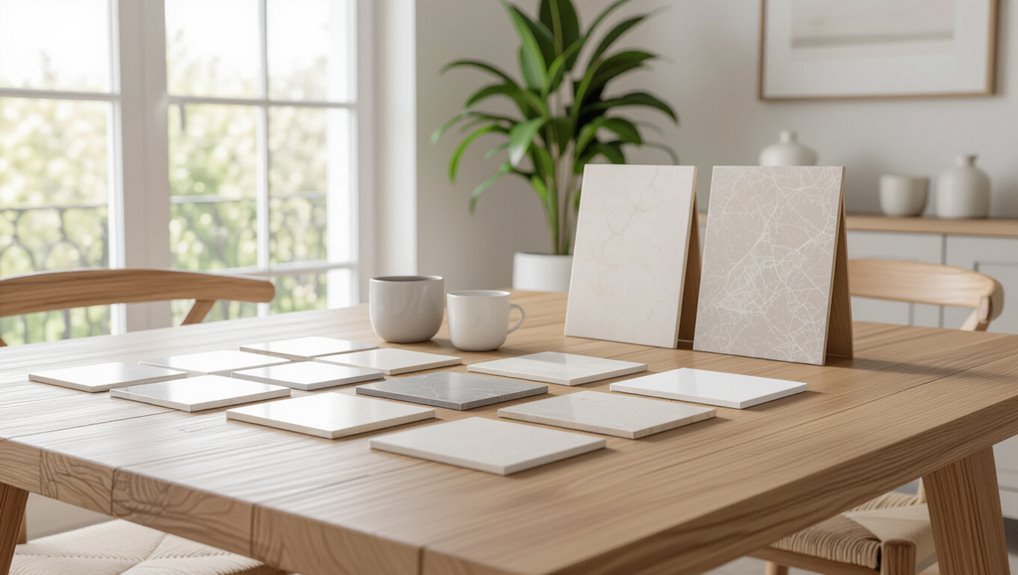
With your checklist in hand, it’s time to get concrete: accurate quotes and real tile samples will turn choices into a plan you can act on.
Contact multiple suppliers, share measurements and installation details, request itemized quotes, and ask for physical samples or large swatches.
Compare costs, lead times, and warranties.
Schedule onsite estimates to confirm pricing before committing.