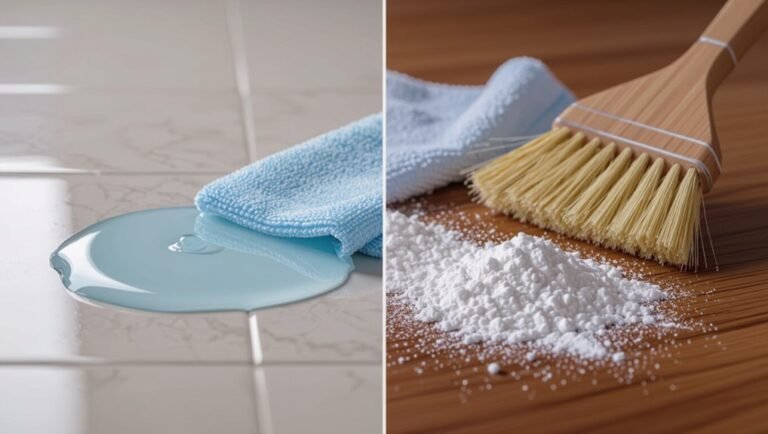
How to Strip Vinyl Floors Wax and Bring Back Natural Floor Finish
You can restore your vinyl floor by stripping old wax with the right stripper, agitation, and thorough rinsing. Clear the area, ventilate, and wear gloves and eye protection. Apply a manufacturer-approved stripper in small sections, let it dwell, then agitate with a soft pad or brush and lift the dissolved finish with a mop or squeegee. Rinse repeatedly with clean water and dry. Continue for stubborn spots, and keep going below for detailed steps and tips.
Quick Overview: When and Why Strip Vinyl Wax
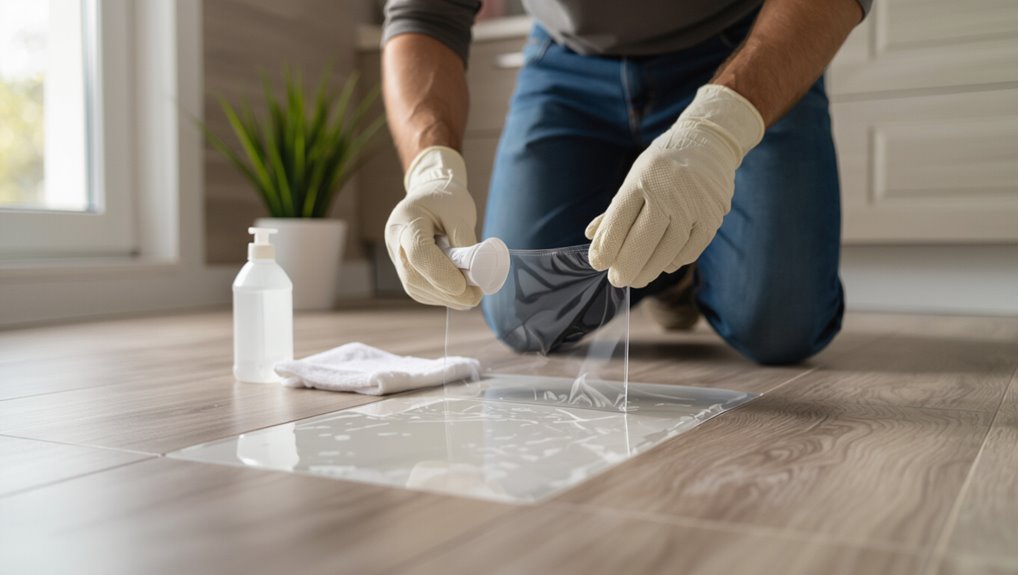
When your vinyl floor looks dull, sticky, or shows buildup from repeated wax coats, it’s time to strip the old wax before you recoat; stripping restores the finish, removes contaminants, and lets a new coat adhere properly.
You’ll assess condition, traffic, and cleaning results to set stripping frequency.
Good vinyl care prevents buildup, improves appearance, and guarantees each recoating bonds and lasts longer.
Quick Answer: How to Strip Vinyl Floor Wax Safely
Start by ventilating the room, moving furniture, and sweeping thoroughly so you can see the finish clearly and work safely.
Choose appropriate wax removal techniques: test a mild stripper or use warm water with gentle scrubbing for light buildup.
Test a mild stripper first; for light wax, warm water and gentle scrubbing often do the trick
Wear gloves, goggles, and a mask.
Consider eco-friendly options like biodegradable strippers and microfiber pads to minimize fumes and protect the vinyl.
Quick Steps: Strip Vinyl Wax at a Glance
Before you start, clear the room and remove furniture and loose debris so you’ve got an open, safe workspace.
Put on gloves and goggles, then mix and apply the stripper solution according to the label, working in small sections.
Let the product sit the recommended time before agitating and wiping away the wax.
Prep And Clear Area
1 clear workspace makes stripping vinyl wax faster and safer: push furniture to the room’s perimeter, remove rugs and loose items, and dust or vacuum thoroughly so debris doesn’t scratch the floor during stripping. Use Vinyl safety tips and Floor protection methods: wear gloves, ventilate, and tape protective sheets at thresholds.
| Item | Purpose |
|---|---|
| Gloves | Skin protection |
| Ventilation | Fume control |
| Tape sheets | Protect adjacent floors |
| Vacuum | Remove grit |
Apply Stripper Solution
Mix the stripper according to the label, apply it evenly with a mop or applicator, and let it dwell just long enough to soften the old wax without drying.
You’ll use proper stripper application techniques: work in small sections, agitate gently with a pad or brush, and monitor dwell time.
Maintain ideal stripper concentration to avoid residue or floor damage, then remove and rinse thoroughly.
When to Strip Wax From Vinyl Floors
You should strip wax when you notice visible wear, scuffing, or darkened patches that won’t clean off.
If the floor shows uneven gloss or patchy shine, that’s a sign old finish is breaking down.
Also strip when you see a build-up of old wax layers that dulls the floor or traps dirt.
Visible Wear Or Scuffing
When scuffs, dull patches, or dark traffic lanes start showing despite regular cleaning, it’s a clear sign you should strip the old wax and recoat the vinyl.
You’ll spot wear patterns and scuff marks that hurt floor maintenance and vinyl longevity. Act before damage sets in.
- Shoes tracking grit
- Chair legs dragging
- Heavy appliance zones
- Repeated mop streaks
Uneven Gloss Or Shine
Uneven shine on vinyl—patchy, glossy streaks next to dull areas—means the old finish has broken down or built up unevenly, and it’s time to strip and recoat to restore a consistent surface.
You’ll notice uneven wear where traffic patterns alter reflectivity; for effective gloss restoration, strip the compromised coat, clean thoroughly, and apply a uniform sealer and finish to prevent recurrence.
Build-Up Of Old Wax
If your vinyl floor feels tacky, looks hazy in spots, or peels in thin layers, it’s likely suffering from wax build-up that needs stripping.
You should strip when buildup resists routine cleaning; adjust maintenance frequency based on traffic.
Choose proper wax removal techniques to avoid damage.
- Sticky entrance
- Dull patch near sink
- Flaky edges by baseboard
- Slippery hallway
Signs Your Vinyl Floor Needs Stripping
Look for dull, cloudy patches and sticky areas that won’t respond to regular mopping—those are clear signs your vinyl floor needs stripping.
You’ll also notice uneven sheen, scuff rings, or trapped dirt in seams.
If frequent cleaning fails to restore appearance, plan stripping as part of routine floor maintenance.
Proper vinyl care restores finish and simplifies future upkeep.
How Wax Buildup Affects Finish and Traction
When wax builds up on your vinyl, it leaves a hazy, dull film that masks the original finish.
That same buildup traps dirt and grime in sticky layers, making each cleaning less effective.
Over time the surface gets slippery in places and uneven in traction, which can be a safety hazard.
Hazy, Dull Appearance
A hazy, dull finish usually means you’ve got wax buildup on the vinyl; old coats and repeated rewaxing leave a cloudy film that scatters light and hides the floor’s natural sheen.
You’ll notice a hazy appearance and a dull sheen that masks texture.
Visualize:
- Frosted, muted color
- Soft, blurred reflections
- Lost surface luster
- Flattened depth
Reduced Floor Traction
Because wax layers can fill in a vinyl floor’s microscopic texture, they make the surface slick and you more likely to slip, especially when the floor’s wet or you’re wearing smooth-soled shoes.
You’ll notice reduced grip and impaired footing; stripping restores natural texture for traction improvement.
Follow simple safety measures like warning signs, non-slip mats, and proper footwear while you strip and refinish the floor.
Trapped Dirt And Grime
If wax layers build up over time, they trap dirt and grime in a sticky film that dulls your finish and further reduces traction.
You’ll notice dirt accumulation hiding scratches and making floors slippery; grime removal becomes harder without stripping.
Visualize the problem:
- Dark streaks along traffic paths
- Grit in seams
- Sticky, matte patches
- Shoes leaving smeared trails
Tools You’ll Need to Strip Vinyl Floor Wax
Preparation starts with the right tools, so gather them before you begin stripping wax from vinyl floors.
You’ll need a quality stripper (compare stripper types for water- or solvent-based finishes), a low-speed floor machine or hand scrapers, microfiber mops, sturdy buckets, abrasive pads, and squeegees.
Also pick materials for floor protection during rinsing and drying to prevent damage.
Protective Gear and Ventilation Requirements
When stripping vinyl floor wax you’ll need proper protective gear and good ventilation to keep yourself safe from chemical fumes and debris; wear chemical-resistant gloves, splash-proof goggles, and a respirator rated for organic vapors if you’re using solvent-based strippers.
Open windows or run an exhaust fan to keep fresh air moving.
Follow safety precautions and ventilation methods:
- Gloves on
- Goggles sealed
- Respirator fitted
- Fans/exhaust running
How to Patch-Test Cleaners and Strippers
After you’ve put on protective gear and guaranteed good airflow, always patch-test any cleaner or stripper on an inconspicuous area first to confirm it won’t damage the vinyl or its finish.
Use small swabs, wait recommended dwell times, and check for discoloration or softening.
Document patch testing methods and note cleaner compatibility.
If damage appears, discontinue and try a gentler product.
Choose: Cleaner vs. Stripper
Before you decide which product to use, figure out whether you need a cleaner to remove dirt and mild buildup or a stripper to dissolve old finish and multiple wax layers.
You’ll assess cleaner effectiveness versus stripper application, then pick accordingly.
Visualize results:
- Dull surface with scuffs
- Sticky wax rings
- Even sheen after cleaning
- Bare vinyl ready for refinishing
Types of Commercial Vinyl Floor Strippers Compared
Because different formulations work best for different jobs, you’ll want to know the main types of commercial vinyl floor strippers and what they do. Choose by stripper effectiveness, eco friendly options, user reviews, application techniques, safety precautions, cost comparisons, and product recommendations.
| Type | Notes |
|---|---|
| Alkaline | Powerful, quick |
| Solvent | Fast, harsher |
| Bio-based | Gentler, eco |
| Low-odor | Safer indoors |
| Industrial | Heavy-duty, costly |
Solvent or Alkaline: Which Stripper Should You Pick?
You’ll need to weigh solvent strippers’ fast, powerful lift against their strong fumes and flammability.
Alkaline strippers are milder and safer for many surfaces, but they may take longer and need more scrubbing.
Think about worker safety, ventilation, and disposal rules when you choose.
Solvent Stripper Pros Cons
When deciding between solvent and alkaline strippers, weigh how quickly you need results, what fumes you can tolerate, and how delicate the subfloor is; solvent strippers work fast and dissolve finish layers effectively but give off stronger odors and can be harsher on some flooring materials.
You’ll consider solvent types and application methods, then visualize:
- Pooled liquid lifting wax
- Scraper edge revealing vinyl
- Damp rag wiping residue
- Ventilated room drying
Alkaline Stripper Benefits
If you prefer a gentler, low-odor method that’s kinder to concrete and some subfloors, choose an alkaline stripper — it breaks down waxes and finishes with water-based chemistry, so you’ll get effective removal without the intense fumes and rapid aggression of solvent products.
You’ll appreciate alkaline benefits: easy rinsing, reduced substrate damage, and compatibility with eco friendly options when minimizing VOCs and disposal concerns.
Safety And Environmental Tradeoffs
Because safety and environmental concerns often dictate which stripper you pick, weigh health risks, ventilation needs, and disposal rules alongside performance.
You’ll choose by balancing chemical safety and environmental impact, using protective measures and safe practices.
Consider waste disposal, eco friendly alternatives, and sustainable options.
- Open windows, respirator, gloves
- Contain runoff, label containers
- Prefer low-VOC, biodegradable formulas
- Follow local disposal rules
Homemade Solutions That Safely Remove Wax
You don’t need harsh chemicals to strip wax from vinyl floors—several simple, homemade solutions will soften and lift buildup without damaging the surface.
Try a homemade vinegar solution (water and vinegar) or a baking soda paste for spot treatment.
Use a citrus cleaner mix or dish soap mixture, hydrogen peroxide solution for stains, olive oil treatment for stubborn spots, corn starch scrub, club soda rinse, or essential oil blend.
How to Prepare the Room for Stripping
Before you start stripping, clear the workspace by removing rugs and small items so you have room to move.
Take out furniture and fixtures or lift and protect anything you can’t remove to prevent damage.
Open windows, run fans for ventilation, and cover baseboards and nearby surfaces with drop cloths or plastic.
Clear The Workspace
Start by removing furniture, rugs, and loose items so you’ll have a clear, open area to work in.
Focus on workspace organization and clutter management: you want clear sightlines and safe paths. Gather small items in bins, roll rugs, and label boxes. Visualize the finished room.
- Empty corners
- Stack chairs
- Bag small debris
- Tape cords
Remove Furniture And Fixtures
1. Remove all movable items first so you can work freely.
You’ll relocate furniture with planned furniture placement to avoid dragging and scratches.
Take down lamps, curtains, and lightweight fixtures; label and bag small parts.
Secure larger fixtures by disconnecting and supporting them, ensuring fixture protection during removal.
Keep pathways clear for safe transport to staging areas outside the room.
Ventilate And Protect Surfaces
With the room cleared, focus on airflow and protecting adjacent surfaces so dust, fumes, and stripping solution don’t spread.
You’ll improve air quality and floor safety by sealing doorways, running fans, and covering nearby furniture.
Follow these simple steps to visualize setup:
- Tape plastic sheeting over doorways and vents.
- Position exhaust fans toward windows.
- Lay drop cloths along baseboards.
- Remove or wrap nearby fixtures.
How to Remove Furniture and Protect Fixtures
Before you strip the floor, clear the room of all movable items and protect anything that can’t be moved; you’ll work faster and avoid accidental damage.
Use furniture removal tips like lifting with help, sliding on plywood or felt pads, and emptying drawers.
For fixture protection strategies, cover fixed appliances, secure loose trim, and tape waterproof plastic around plumbing to prevent stripper seepage and scratches.
How to Tape Off Baseboards and Doorways
Start by running a strip of painter’s tape along the top edge of baseboards and around door frames to create a clean barrier that keeps stripper off trim and prevents finish lines. Press the tape firmly into corners and seams, and overlap pieces by about 1/2 inch to maintain continuity.
Use precise tape application and masking techniques for baseboard protection and doorway sealing.
- Smooth edges
- Press corners
- Trim excess
- Check adhesion
Pre-Sweep and Degrease the Vinyl Floor
Although you’ve taped off trim, you still need to remove loose dirt and grease so the stripper can work effectively; sweep thoroughly, then mop with a recommended degreasing solution. Use gentle cleaning products for vinyl floor care, focusing on dirt removal and surface preparation to aid wax removal and floor maintenance while preserving floor protection.
| Tool | Solution | Purpose |
|---|---|---|
| Broom | Water | Dirt removal |
| Mop | Degreaser | Degreasing solutions |
| Cloth | Cleaner | Vinyl care |
Apply Vinyl Floor Stripper: Step-by-Step
Put on gloves and a mask, then work in small sections so the stripper stays wet and effective.
You’ll apply stripper, wait per instructions, agitate stubborn wax, and rinse thoroughly. Practice vinyl floor maintenance and proven cleaning techniques to avoid damage.
- Pour small stream
- Spread with pad
- Scrub concentrated spots
- Squeegee residue away
Mop Technique for Gentle Wax Removal
Start by rinsing the floor with warm water to loosen remaining wax without shocking the vinyl.
Use a soft mop and make slow, overlapping strokes to lift residue instead of rubbing it in.
Keep rinsing the mop often so you’re always working with clean water and gentle motion.
Warm Water Rinse
1 gentle warm water rinse after stripping helps remove residual wax without damaging the vinyl. You’ll use appropriate cleaning techniques and monitor water temperature to avoid swelling. Rinse systematically, changing water when cloudy, and dry promptly to prevent streaks.
- Bucket of warm, clear water
- Microfiber mop head
- Fresh water replacement
- Soft towel for drying
Soft Mop Strokes
Use slow, overlapping strokes and keep the mop head flat against the floor so you lift remaining wax without scratching the vinyl.
You’ll work in small sections, rinsing the mop often and changing water to avoid redepositing residue.
Apply soft mop techniques, keeping pressure even and controlled.
This gentle cleaning prevents streaks, preserves the finish, and readies the surface for a final rinse.
Using a Floor Machine or Buffer Safely
Before you turn the machine on, make sure you’ve checked the pad or brush, power cord, and safety switch so everything’s in good working order.
You’ll practice floor machine safety and gentle buffer techniques, keep a firm two-handed grip, and work slowly.
Visualize motion:
- Low speed sweep
- Overlap passes
- Short controlled arcs
- Clear debris frequently
Which Pads and Brushes Work Best on Vinyl
When stripping vinyl, pick pads and brushes that remove finish without damaging the sheet—soft white or tan pads and non-abrasive nylon brushes work well for light buildup, while black or brown stripping pads and coarse synthetic brushes are reserved for heavy finish or old wax that needs aggressive cutting.
Match pad types and brush materials to finish thickness, follow cleaning techniques, and use tested product recommendations.
How Long to Let Stripper Dwell for Best Results
Although stripping time varies by product and finish thickness, you should let the stripper dwell only long enough to soften and lift the finish without letting it dry—typically 5–15 minutes for most water-based strippers and 10–30 minutes for heavier solvent-based formulas.
You’ll monitor shine change and tackiness to achieve ideal results.
Visualize progress:
- Beads forming
- Finish lifting
- Cloudy residue
- Damp, softened wax
Agitate Wax Without Damaging Vinyl
Before you start scrubbing, test the stripper on a small, inconspicuous spot to confirm it won’t discolor or soften the vinyl.
Use soft pads or a microfiber mop with light, even pressure to loosen wax rather than harsh brushes or steel pads.
Work in small sections and recheck the test area as you go so you don’t accidentally damage the floor.
Test Solvent Compatibility
If you’re removing wax from vinyl, first verify the solvent won’t soften, discolor, or cloud the surface by testing a small hidden spot; try different solvent types and application methods in tiny areas, wait, and inspect.
Then compare results and proceed only with safe options.
- Cotton swab + solvent
- Microfiber pad + dab
- Spray mist + blot
- Cloth wipe + rinse
Gentle Mechanical Agitation
Gently agitate the waxed area with soft, controlled motions so you lift residue without scratching the vinyl. Use gentle techniques and light pressure, working small sections. Choose non-abrasive pads and low-speed mechanical tools, testing first. Wipe away loosened wax promptly and repeat until finish is consistent and clean.
| Tool | Pad | Speed |
|---|---|---|
| Hand brush | Microfiber | Low |
| Orbital machine | Soft pad | Slow |
How to Remove Dissolved Wax Residue
Once the wax has dissolved, you’ll need to lift the residue without spreading it—work in small sections and blot rather than scrub to avoid pushing wax deeper into seams.
For wax residue removal and effective cleaning, follow these steps:
- Blot with microfiber towels, folding to fresh side.
- Scoop softened wax with a plastic scraper.
- Repeat blotting until towels show no film.
- Air dry briefly and inspect.
Neutralize and Rinse Safely
Because cleaning solvents and dissolved wax can leave a residue or alter the pH on your vinyl, you’ll need to neutralize and rinse the floor thoroughly to prevent damage and sticky film. Use recommended neutralizing agents, then employ layered rinsing techniques with clean water. Work sections methodically and change rinse water often.
| Step | Agent | Action |
|---|---|---|
| 1 | Dilute neutralizer | Apply |
| 2 | Soft mop | Scrub |
| 3 | Clear water | Rinse |
| 4 | Repeat | Change water |
| 5 | Final rinse | Inspect |
How to Dry and Inspect the Floor After Stripping
After you’ve neutralized and rinsed thoroughly, start drying to prevent water spots and allow a clear inspection of the vinyl surface.
After neutralizing and rinsing thoroughly, dry promptly to prevent water spots and enable clear inspection of the vinyl surface
Use floor drying methods like microfiber mops, fans, and absorbent towels, then perform systematic inspection techniques to spot residues, dull areas, or damage.
- Blot with microfiber towel
- Use airflow from fans
- Scan under bright light
- Note scratches and stains
Handling Stubborn or Multiple Wax Coats
When multiple wax layers resist your initial stripping, you’ll need a patient, systematic approach: work in small sections, apply a stronger stripper or repeat applications, agitate gently with a non-abrasive pad, and let dwell time lift stubborn wax.
Scrape carefully with a plastic scraper, wipe residues with clean rags, and rinse thoroughly.
Repeat until multiple layers are removed and the surface looks uniform.
Remove Wax From Seams and Vinyl Grout Lines
Seams and grout lines trap wax and dirt differently than flat vinyl, so you’ll need to tackle them with targeted tools and steady pressure to avoid damaging the vinyl.
Use gentle solvent, soft nylon brush, and a plastic scraper for seam cleaning and grout maintenance.
Visualize action:
- Thin solvent applied
- Nylon brush scrubbing
- Scraper lifting wax
- Damp wipe finishing
Address Yellowing or Surface Etching
If parts of your vinyl have turned yellow, first figure out whether it’s from old wax buildup, sun exposure, or chemical damage.
For surface etching—those dull, scratched-looking spots—you’ll need to test gentle cleaners and mild abrasives on an inconspicuous area.
Once you identify the cause, you can choose the right removal method to restore the finish.
Identify Yellowing Causes
Because vinyl can yellow for different reasons, you’ll want to pinpoint whether the discoloration comes from surface etching, chemical reactions, or embedded contaminants before you strip the floor.
Use test spots and inspection to isolate yellowing factors and guide vinyl care choices.
- Sunlight-stained perimeter
- Oxidized finish patches
- Cleaner-chemical residue
- Dirt embedded in grain
Remove Surface Etching
1 simple test can tell you whether the yellowing is surface etching: rub a small area with a soft cloth dampened in warm water and mild detergent, then inspect for a lighter, dull spot.
If etching’s confirmed, gently buff with a nonabrasive cleaner and fine pad, rinse, then apply appropriate surface protection.
Maintain routine cleaning and etching prevention to avoid recurrence.
When to Stop Stripping and Consider Replacement
When the vinyl’s surface keeps failing—deep gouges, delamination, or persistent staining that won’t lift—you should stop stripping and plan for replacement; continuing to strip can waste time and damage the subfloor.
Assess floor lifespan and replacement indicators:
- Buckling across seams
- Backing separation revealing substrate
- Embedded stains resisting chemicals
- Wear-through to base layer
You’ll save effort by replacing.
Restore Natural Sheen Without Recoating
If you’ve determined replacement isn’t necessary, you can bring back your vinyl’s natural sheen without applying a new finish.
Clean thoroughly with a pH-neutral cleaner, rinse well, and buff dry with a microfiber pad or soft cloth.
Address scuffs gently with a vinyl-safe eraser.
Maintain regular floor maintenance: dust, mop, and promptly treat spills to preserve that restored look without recoating.
How to Apply a Finish or Polish Safely, If Desired
Prepare your floor and choose the right product before you start: test a small, inconspicuous area to confirm adhesion and appearance, clean and dry the surface thoroughly, and pick a finish or polish labeled safe for vinyl.
Prepare your floor: test a hidden spot, clean and dry thoroughly, and choose a finish labeled safe for vinyl.
Then proceed with cautious finish application and safe polishing:
- Light, even strokes with a microfiber pad.
- Thin coats, allow full curing.
- Avoid puddles or buildup.
- Ventilate and keep traffic off.
Maintain Stripped Vinyl for Long-Term Results
Because a stripped vinyl floor gives you a clean, bare surface, you’ll want to adopt a simple routine that keeps it looking good and prevents damage: use gentle vinyl cleaning techniques, like pH-neutral cleaners and microfiber mops, avoid abrasive tools, and blot spills promptly.
Establish practical floor maintenance routines — mats at entrances, felt pads under furniture, and periodic gentle inspection — to preserve the finish.
How Often to Clean Versus Strip Again
You should sweep or mop high-traffic vinyl daily and give the whole floor a gentle cleaning weekly to keep soils from building up.
Strip and re-wax only when you see telltale signs like uneven gloss, scuffing that won’t lift, or layers of cloudy residue.
Those visual and tactile clues tell you it’s time to remove old wax rather than just clean.
Daily/Weekly Maintenance Frequency
Regularly sweep and damp-mop vinyl to keep dirt from abrading the surface, and spot-clean spills as they happen to prevent staining or buildup.
You’ll set cleaning frequency by traffic: daily in high-use areas, weekly elsewhere. Use gentle cleaners and microfiber mops.
Follow maintenance tips to prolong finish; strip only when protective layers fail.
- Entry mat
- Shoe-free zone
- Quick spot wipe
- Weekly mop
When Stripping Becomes Necessary
Once regular sweeping and mopping no longer restore slip resistance or the floor shows visible haze, it’s time to evaluate stripping.
You should balance floor care with maintenance strategies: follow cleaning routines, frequency guidelines, and product recommendations.
Consider eco-friendly options and DIY techniques for surface protection, but weigh professional advice and cost considerations before stripping to guarantee long-term results and avoid unnecessary work.
Signs Wax Layer Build-Up
A dull, uneven sheen is the clearest sign that wax layers are building up and it’s time to decide between cleaning and stripping. You monitor wax build up as part of regular vinyl maintenance; test by mopping—if grime clings, stripping’s due.
Visual cues:
- Cloudy, streaked finish
- Dull high-traffic paths
- Flaking or peeling edges
- Layers darkening grout lines
Choose Cleaners That Won’t Rebuild Wax
Because some cleaning products leave behind film or soft wax, pick cleaners formulated to remove old wax instead of rebuilding it.
You’ll choose eco friendly options, pH neutral cleaners, or biodegradable strippers based on surface compatibility.
Compare commercial versus homemade mixes, seek streak free solutions, and consider cost effective alternatives and hypoallergenic choices so you remove buildup without re-depositing residue.
Cost Breakdown: DIY Stripping vs. Professional Service
Think about upfront material costs—strippers, scrapers, pads, and rental equipment add up fast when you do it yourself.
You’ll save on labor but spend more time and sweat, so compare that hours-per-dollar tradeoff to a pro’s flat fee.
Getting a few quotes helps you decide whether your time or your budget is the limiting factor.
Upfront Material Costs
You’ll usually spend less on tools and supplies if you strip vinyl floors yourself, but upfront material costs can still add up—think floor stripper, scrapers, pads, solvents, protective gear, and rental equipment like a buffer or floor machine.
Consider upfront costs and gather material estimates before starting.
Visualize needed items:
- Floor stripper and mop supplies
- Scrapers and hand tools
- Pads and buffers
- Gloves, masks, and cleaners
Labor Versus Time
Often you’ll find that DIY stripping saves money on labor but costs you time and effort, so weigh the hours you’ll spend against a pro’s flat fee.
You’ll need good time management to schedule prepping, stripping, rinsing, and drying.
Pros bring labor efficiency, speed, and expertise, reducing mistakes.
Choose DIY if you value savings and sweat; hire pros to save time and stress.
How to Find and Evaluate a Pro Vinyl Floor Stripper
Where do you start when you need a pro to strip your vinyl floors? Ask neighbors for professional recommendations, check online reviews, and request detailed quotes.
When reviewing services, verify experience, insurance, and photos of past work.
Picture the job:
- A pro evaluating stubborn wax.
- Equipment rolled into your room.
- Careful edging by hand.
- A clean, natural finish revealed.
Safety and Environmental Disposal of Used Chemicals
When handling chemical strippers and solvents, take protective measures and plan for proper disposal from the start. You’ll wear gloves, goggles, and ventilate rooms to uphold chemical safety. Label waste, avoid drains, and use eco friendly disposal options at hazardous waste centers. Follow local rules and document shipments.
| Item | Action |
|---|---|
| PPE | Wear |
| Ventilation | Guarantee |
| Waste | Label |
| Transport | Use service |
| Records | Keep |
How to Prevent Future Wax Buildup Effectively
After you strip the floor, set a regular maintenance schedule to mop with gentle cleaners so grime and old wax don’t build up again.
Consider switching to no-wax or low-maintenance vinyl products that still offer protection without layers of polish.
Place protective entry mats to trap dirt and grit before it reaches the floor.
Regular Maintenance Schedule
If you keep a simple, consistent maintenance schedule, you’ll prevent wax buildup and save time scrubbing down the floor later.
Use routine cleaning and clear maintenance tips: pick safe cleaning products, set scheduling tasks, and track cleaning frequency for vinyl upkeep as prevention strategies.
Visualize tasks:
- Daily spot sweep
- Weekly damp mop
- Monthly deep clean
- Quarterly inspection
Use No-Wax Products
One simple change you can make to prevent wax buildup is switching to no-wax vinyl cleaners and finishes, which clean and protect without leaving a tacky film that attracts dirt. You’ll enjoy no wax advantages: easier cleaning, streak-free shine, and reduced recoating. Follow simple maintenance tips to mop gently, spot-clean, and reapply manufacturer-approved protectant.
| Benefit | Action | Frequency |
|---|---|---|
| Easier cleaning | Use pH-neutral cleaner | Weekly |
| No residue | Rinse thoroughly | As needed |
| Longevity | Gentle mopping | Monthly |
| Appearance | Buff lightly | Quarterly |
| Cost | Save on stripper | Yearly |
Protective Entry Mats
Because people track in dirt, grit, and residues that cling to shoe soles, using protective entry mats is one of the simplest ways you can prevent wax buildup on vinyl floors.
Choose durable entry mat materials and schedule regular mat maintenance.
Visualize placement and purpose:
- Heavy-duty scraper at exterior
- Absorbent mat inside door
- Thin runner for hallways
- Decorative mat for foyer
Quick Fixes for Scuffs and Dull Spots in High-Traffic Areas
High-traffic areas take a beating, but you can quickly fix scuffs and dull spots without stripping the whole floor.
High-traffic zones wear fast, but scuffs and dull spots can be fixed quickly—no full stripping needed.
For scuff repair, use a magic eraser or gentle abrasive pad; follow with a mild detergent rinse.
For dullness remedy, apply a vinyl-safe restorer sparingly.
Regular high traffic maintenance and quick cleaning keep shine longer—spot-treat as needed to avoid full stripping.
Common Mistakes That Damage Vinyl During Stripping
Spot-treating scuffs and dull spots can save you time, but when you do decide to strip vinyl, avoid shortcuts that cause damage.
You need mistake prevention and solid vinyl care habits:
- Scrubbing too hard with abrasive pads
- Using concentrated stripper without testing
- Letting residue sit and penetrate seams
- Ignoring manufacturer recommendations and warranty limits
Troubleshooting Guide for Common Stripping Problems
If a stripping job doesn’t go as planned, you can usually fix it with a few targeted steps—start by identifying the specific symptom (streaks, residue, lifting, or uneven finish).
Note what products and tools you used, and then follow the matching correction: neutralize harsh stripper, re-wet and agitate stubborn residue, gently sand lifted edges and recoat, or apply a thin even topcoat to blend uneven areas.
Use correct stripping techniques, avoid common misconceptions, test a small area first, and document adjustments so you refine methods without repeating errors.
Printable Tools and Product Checklist
Below is a concise, printable checklist you can use before you start stripping vinyl floors so you don’t forget essential tools or products:
Below is a concise, printable checklist to grab essential tools and products before you start stripping vinyl floors.
- Heavy-duty stripper, mop, bucket — choose based on recommended cleaning techniques.
- Scrub brush, floor machine or pads for stubborn wax.
- Protective gear: gloves, goggles, knee pads, ventilation mask.
- Neutralizer, clean water, microfiber towels — for final rinse and ongoing maintenance tips.
Quick Timeline for Stripping a Typical Kitchen Floor
Plan on about 3–5 hours to strip a typical 10×10 kitchen floor from start to finish, depending on wax layers and ventilation;
you’ll spend the first 30–60 minutes moving furniture, sweeping, and prepping,
60–120 minutes applying stripper and agitating,
30–60 minutes rinsing and neutralizing,
and the final 30–60 minutes drying and inspecting for missed spots.
Use straightforward DIY Techniques and basic Floor Maintenance steps to stay efficient.
Final Tips to Keep Your Vinyl Looking Natural Longer
When you finish stripping and refinishing, keep your vinyl looking natural by limiting abrasive contact, guarding against sun and heat, and using gentle cleaners—these small habits will stretch the life of the surface and reduce the need for frequent recoating.
- Use felt pads on furniture legs.
- Mop with pH-neutral cleaner.
- Place UV-blocking shades.
- Buff lightly for natural sheen restoration and follow vinyl maintenance tips.
Frequently Asked Questions
Can Steam Cleaning Remove Wax Without Damaging Vinyl?
Yes — steam cleaning can remove wax gently if you use low heat and a soft pad; you’ll get steam cleaning benefits while protecting vinyl. Follow vinyl floor care guidelines, test a small area first to avoid damage.
Will Wax Stripping Affect Warranties on Manufactured Vinyl?
Usually yes—you could void warranty coverage if you use improper solvents or alter the factory finish. You should check your manual, follow manufacturer maintenance tips, and use approved products so you don’t unintentionally cancel protection.
How to Handle Wax on Glued-Down Seams and Adhesives?
You’ll remove wax over glued seams by using gentle adhesive removal techniques and soft scrubbing, avoiding blade scraping; you’ll protect seams with seam protection methods like painter’s tape or seam guards, then rinse and dry thoroughly.
Are Eco-Friendly Floor Finishes Compatible After Stripping?
Yes — you’ll usually find eco friendly options work well after stripping; investigate compatibility by testing small patches, since natural finishes can react with residual solvents or adhesives, and you’ll confirm adhesion, appearance, and durability before full application.
Can Pets Safely Walk on Vinyl Immediately After Stripping?
You shouldn’t let pets walk on vinyl immediately after stripping; you’ll need to guarantee pet safety by ventilating, rinsing residues, and waiting until the floor’s dry and non-toxic to resume normal floor maintenance and pet traffic.
Conclusion
Stripping wax restores vinyl’s natural finish and prevents buildup that shortens its life. You’ll be surprised: studies show routine stripping and resealing can extend vinyl flooring lifespan by up to 40%. Follow safe stripping steps, address issues promptly, and use the right products. With regular, gentle maintenance—cleaning, occasional stripping, and proper sealing—you’ll keep your vinyl looking fresh and avoid costly replacements. Stick to the checklist and timeline for best results.