
How to Get Yellow Stains Out of Vinyl Flooring for Good
You can remove yellow stains from vinyl by starting with a mild soap wash, then treating stubborn spots with oxygen bleach or diluted hydrogen peroxide and gently agitating with a soft brush or melamine sponge; rinse and dry thoroughly. For adhesive or oily marks use a citrus remover or degreaser, and test first in an inconspicuous area. Protect floors with UV-blocking window covers, mats, and regular maintenance to prevent recurrence — keep going to learn step-by-step methods and tips.
How to Get Yellow Stains Out of Vinyl Flooring for Good Quick Answer
Want it fixed fast and for good? Use a mild abrasive or oxygen-based cleaner to lift fresh yellowing, then seal with a vinyl polish for lasting protection.
Call a pro if stains persist after treatment, the vinyl is brittle, or the discoloration covers large areas.
Direct, concise solution summary
Remove yellow stains from vinyl flooring fast by cleaning with a mild detergent, spot-treating with a baking soda paste or diluted hydrogen peroxide for stubborn spots, rinsing thoroughly, and sealing the area if fading persists.
For how to get yellow stains out of vinyl flooring, scrub gently, test cleaners in an inconspicuous spot, repeat treatment on tough stains, then dry and apply a protective seal or polish.
When to call a professional vs. DIY
If stains are small, surface-level, and respond to a baking soda paste or diluted hydrogen peroxide, you can handle them yourself with basic supplies and elbow grease; try spot-cleaning first, drying thoroughly, and repeating once.
Call a professional if stains are deep, widespread, discolored under the wear layer, or if DIY attempts risk voiding warranties.
Professionals assess damage, offer restoration or replacement options.
What Causes Yellow Stains on Vinyl Flooring
Yellowing on vinyl usually comes from chemical reactions—oxidation of the vinyl itself, off-gassing or residues from adhesives, and harsh cleaners.
Environmental factors like prolonged sunlight, heat, and trapped moisture can speed that discoloration.
You’ll also see organic causes such as food or drink spills, pet urine, and mildew make stains worse or look yellow.
Common chemical causes (oxidation, adhesives, cleaners)
When you see yellow stains on vinyl, chemical reactions are often to blame—oxidation from light and air, residues from old adhesives, and harsh or incompatible cleaners can all change the polymer or finish and leave a yellow cast.
You should test suspicious cleaners on a hidden spot, remove old adhesive with appropriate solvents, and avoid bleach or ammonia-based products that can worsen discoloration.
Environmental causes (sunlight, heat, moisture)
Because vinyl reacts to its surroundings, exposure to sunlight, high heat, and persistent moisture can all trigger yellow stains you’ll notice over time.
UV breaks down plasticizers and pigments, causing discoloration. Heat accelerates chemical changes; moisture fosters hydrolysis and backing deterioration that bleeds through.
Reduce direct sun, control indoor temperature, and fix dampness to slow or prevent environmental yellowing on your vinyl floors.
Biological and organic causes (spills, pet urine, mildew)
If you spill foods, cleaners, or pet urine on vinyl and don’t clean them promptly, organic residues can break down and leave stubborn yellow stains.
You should blot and wash spills immediately, use enzymatic cleaners for urine, and treat mildew with a diluted bleach or vinegar solution safe for vinyl.
Regular cleaning prevents buildup and stops discoloration from becoming permanent.
How to Identify the Type and Severity of Yellowing
Start with a quick visual inspection checklist: note color intensity, pattern, location, and whether the yellowing sits on top of or within the vinyl.
Try simple at‑home tests—rub with a damp cloth, apply mild cleaner, or press a piece of tape—to tell surface stains from embedded discoloration.
If color persists, fades unevenly, or shows deep staining into seams or wear areas, it’s likely permanent damage that may need replacement.
Visual inspection checklist
When you’re checking yellowing on vinyl, work methodically: examine location, color tone, pattern, and surface feel to determine whether the stain is superficial, chemical, sun-induced, or from adhesive/old finishes.
Use this visual checklist:
- Note color intensity and edges — crisp or diffuse.
- Inspect pattern — localized spots, uniform haze, or streaks.
- Feel surface — tacky, smooth, or textured changes.
Simple tests to differentiate surface stains vs. embedded discoloration
Because not all yellowing sits on the surface, run a few quick tests to tell whether you’re dealing with a removable stain or deeper discoloration:
dab a cotton swab with warm soapy water and rub gently;
try diluted vinegar next;
press a damp paper towel and check transfer.
If color lifts, it’s surface-level; if not, it’s likely embedded and needs professional evaluation.
When yellowing indicates permanent damage
If gentle cleaning doesn’t lift yellowing, you may be facing permanent damage that needs a different approach; look for telltale signs like deep, uniform discoloration, brittleness, surface cracking, or yellowing that appears within seams or under trim where cleaners can’t reach.
If you see these, stop scrubbing.
Test flexibility and thickness; extensive hardening, odor, or stain through the wear layer means replacement or professional restoration.
Materials, Tools, and Safety Precautions
Before you start, gather recommended cleaners (mild detergent, baking soda, diluted bleach or specialized vinyl cleaner) and safer alternatives for sensitive floors.
You’ll also need basic tools like soft cloths, a soft-bristled brush, mop, bucket, and gloves.
Wear protective gear—rubber gloves, eye protection, and guarantee good ventilation when using stronger chemicals.
Recommended cleaning products and alternatives
Start with a few reliable products and a short list of alternatives so you’ll know what works and what to avoid:
- Mild dish soap diluted in warm water — gentle, safe for vinyl.
- Baking soda paste or white vinegar solution — great for spot treatments; test first.
- Commercial vinyl cleaner or diluted hydrogen peroxide for stubborn yellowing — ventilate and use gloves.
Tools and equipment needed
You’ve picked your cleaners; now gather the right tools so the job’s safe and effective.
Bring a mop and bucket, soft scrub brush, and microfiber cloths. Have a spray bottle for diluted solution and a plastic scraper for stubborn spots.
Keep a small vacuum for debris and a drying fan nearby.
- Mop and bucket
- Soft scrub brush
- Microfiber cloths
Safety precautions and protective gear
When tackling yellow stains on vinyl, wear basic protective gear and work in a well-ventilated area so chemical fumes and dust won’t cause irritation; gloves (nitrile or rubber), eye protection, and a mask or respirator rated for chemical vapors are essential if you’re using strong cleaners or bleach.
Test cleaners on a hidden patch, avoid mixing chemicals, keep children and pets away, and wash hands after.
Step-by-Step: Remove Yellow Stains from Vinyl Flooring (DIY)
Start by clearing the area, dusting, and testing a small hidden spot so you know what won’t harm your vinyl.
Tackle fresh stains with a gentle cleaner, then move to targeted removers for adhesive, scuffs, or organic spots as needed.
For stubborn yellowing use oxygen-bleach or ammonia-free deep-clean methods and gentle mechanical aids like soft scrubbing or rotary cleaners only when necessary.
Step 1 Prepare the area (clear, dust, test spot)
Before you work on the stain, clear the room of furniture and loose rugs. Sweep or vacuum the floor to remove grit, and pick a small inconspicuous spot to test your cleaner so you don’t damage the vinyl.
Protect baseboards with tape, open windows for ventilation, and gather gloves, microfiber cloths, a soft brush, and the cleaner you’ll test.
Confirm no color change before proceeding.
Step 2 Gentle surface cleaning for fresh stains
Now that you’ve cleared and tested the area, tackle fresh yellowing with a gentle surface clean to lift recent stains without harming the vinyl.
Mix warm water with a few drops of mild dish soap, dampen a microfiber mop or soft cloth, and wipe in small sections.
Rinse with clean water, dry promptly, and repeat once if any discoloration remains.
Step 3 Use targeted stain removers for common causes (adhesive, scuff, organic)
Target the specific culprit—adhesive, scuff marks, or organic stains—because each needs a different remover and method to avoid damage.
Use safe, tested products and spot-test first.
- Adhesive: apply citrus-based remover, scrape gently with a plastic scraper.
- Scuffs: rub with a melamine sponge or non-gel toothpaste.
- Organic: treat with diluted hydrogen peroxide, blot and rinse promptly.
Step 4 Deep cleaning methods for embedded yellowing (oxygen bleach soak, ammonia-free solutions)
If surface cleaners didn’t lift the yellowing, it’s time to move to deep-cleaning methods that penetrate the vinyl—oxygen bleach soaks and ammonia-free solutions are effective without harsh solvents that can damage the flooring.
Mix powdered oxygen bleach with warm water per label, soak a microfiber cloth, blot stained areas, let sit 10–30 minutes, rinse thoroughly, repeat once if needed, and always ventilate the room.
Step 5 Mechanical aids (soft scrubbing, rotary cleaners) and when to use them
After you’ve tried oxygen bleach or ammonia-free soaks and rinsed the area, bring in mechanical aids to lift deeply embedded yellowing you couldn’t remove by chemical means alone.
Use a soft-bristled brush and firm circular strokes for small spots; rent a low-speed rotary floor machine with a non-abrasive pad for larger areas.
Test a hidden spot first and avoid harsh scrubbing that scratches vinyl.
Step 6 Rinse, neutralize, and dry properly
6. Rinse the area thoroughly with clean water to remove cleaning residues.
Neutralize any bleach or acidic cleaner with a mild baking soda solution or a manufacturer-recommended neutralizer.
Blot excess moisture with microfiber towels, then air-dry or use a fan.
Confirm the floor is completely dry before replacing furniture or applying protectants to prevent re-soiling and adhesive failures.
Comparison of Cleaning Methods and When to Use Each
You’ll want to weigh mild soap and water against commercial vinyl cleaners based on how stubborn the yellowing is and the floor’s finish.
Compare oxygen bleach and chlorine bleach for power and safety—oxygen is gentler but slower, chlorine is stronger but can damage vinyl and produce fumes.
Consider natural remedies for light spots or routine care, and reserve professional or specialized products for deep, persistent stains.
Mild soap and water vs. commercial vinyl cleaners
While mild soap and water handle most everyday dirt and light yellowing without harsh chemicals, commercial vinyl cleaners are formulated to tackle tougher stains, residue, and aging discoloration more effectively. You’ll choose soap for gentle upkeep and a commercial cleaner when stains persist. Test first, rinse thoroughly, and protect finish.
| Gentle | Effective |
|---|---|
| Safe | Powerful |
| Cheap | Faster |
| Subtle care | Restores confidence |
Oxygen bleach vs. chlorine bleach: effectiveness and risks
When deciding between oxygen and chlorine bleach for yellowed vinyl, consider that oxygen bleach is gentler and works by releasing peroxide-based cleaners that lift stains without strong fumes.
On the other hand, chlorine bleach is a faster, harsher oxidizer that can remove stubborn discoloration but risks damaging vinyl and finishes if overused.
Use oxygen for routine stain lifting; reserve diluted chlorine for severe spots, testing first.
Natural/home remedies vs. professional products
Although DIY cleaners like baking soda, vinegar, and hydrogen peroxide can lift many yellow stains affordably and with low toxicity, professional vinyl products are formulated to target deep set discoloration and protect finishes.
So pick home remedies for mild, recent staining and reserve commercial restorers or pro services for stubborn or widespread yellowing.
You should test small areas, follow instructions, and call a pro when damage risks or large areas intimidate you.
Common Mistakes That Make Yellowing Worse
Don’t reach for bleach or strong solvents without knowing how they’ll react with your vinyl — they can yellow or strip the surface.
Don’t scrub too hard with abrasive pads, because you’ll wear down the protective layer and make stains set in.
And don’t ignore the manufacturer’s care instructions, since using the wrong products can void your warranty.
Using harsh chemicals (bleach, solvents) improperly
If you reach for bleach or strong solvents thinking they’ll magically lift yellow stains, you can actually make the problem worse by stripping protective finishes or reacting with the vinyl itself.
You’ll risk discoloration, brittleness, or chemical residues that attract dirt. Instead, test mild cleaners in an inconspicuous spot, follow manufacturer guidance, ventilate the area, and avoid prolonged contact or concentrated applications.
Abrasive scrubbing and damage to the wear layer
When you scrub vinyl flooring with abrasive pads or brushes, you can wear away the thin protective wear layer that keeps stains and UV damage from reaching the colored vinyl beneath.
If that layer’s compromised, dirt and yellowing set in faster and become permanent.
Use soft cloths, nonabrasive sponges, and gentle cleaners to lift stains without abrading the surface or accelerating discoloration.
Ignoring manufacturer guidelines and warranty issues
Although the temptation to improvise fixes is strong, ignoring your vinyl’s care instructions and warranty terms can make yellowing irreversible and void your coverage.
Follow manufacturer cleaning recommendations, use approved products, and document treatments.
If you apply unapproved sealers, harsh chemicals, or DIY restorations, you risk permanent discoloration and losing warranty support—so check specs first and call the manufacturer for guidance.
Prevention and Long-Term Care to Keep Vinyl Stain-Free
To keep yellowing from coming back, you’ll want a simple routine cleaning schedule and a few best practices you follow consistently.
Use mats at entrances, felt pads under furniture, and UV-blocking window treatments to protect the surface.
Also control indoor humidity and fix leaks quickly so moisture and heat don’t speed discoloration.
Routine cleaning schedule and best practices
If you want your vinyl floors to stay stain-free, set up a simple routine:
- Sweep daily to remove grit that can grind in.
- Mop weekly with a pH-neutral cleaner, rinsing well to avoid residue.
- Tackle spills immediately with a soft cloth and mild soap.
Stick to these habits, inspect monthly for discoloration, and adjust frequency for high-traffic areas.
Protective measures (mats, furniture pads, UV protection)
Think ahead and protect your vinyl by using entry mats, felt furniture pads, and UV-blocking window treatments—these simple barriers prevent grit, heavy point loads, and sun damage that cause yellowing.
Place washable mats at doors, use nonstaining pads under legs, rotate heavy items, and avoid rubber-backed rugs that can discolor.
Regularly inspect protection and replace worn pads to maintain long-term defense.
Climate and moisture control tips
Because humidity and temperature swings speed up adhesive breakdown and promote mold that stains vinyl, you should control indoor climate to keep floors clear and durable.
Use a dehumidifier in damp seasons, run HVAC to stabilize temperature, and vent bathrooms and kitchens.
Fix leaks promptly, avoid wet-mopping, and dry spills immediately.
Aim for 30–50% relative humidity and consistent temperatures to prevent yellowing.
When to Replace Vinyl Flooring Instead of Repairing
If the yellowing won’t come out, you’ll want to know whether the discoloration is permanent or just surface-level.
Compare repair costs and effort to replacement prices so you can decide what’s worth doing.
If you choose replacement, consider peel-and-stick, luxury vinyl plank, or a professional refinish depending on your budget and goals.
Signs discoloration is irreversible
When stains won’t lift after repeated cleanings and the color looks patchy or faded across whole planks, it’s a strong sign the discoloration is permanent and you should consider replacing the vinyl.
Other clear signs: surface etching, deep yellowing beneath the wear layer, lingering chemical odors, or widespread UV damage.
If repairs keep failing, replacement will restore appearance and durability.
Cost vs. benefit analysis for repair vs. replacement
Although small yellow stains can often be pulled out with targeted cleaning, you should weigh the cost of repeated repairs against the price and lifespan of new vinyl; calculate labor and materials, factor in how long a fix will last, and consider resale value and room use to decide whether replacement is the smarter investment.
| Factor | Repair | Replacement |
|---|---|---|
| Cost now | Low | High |
| Longevity | Short | Long |
| Value impact | Minimal | Significant |
Options for replacing: peel-and-stick, luxury vinyl plank, professional refinish
Because stubborn yellowing, widespread damage, or repeated repairs have made fixing the floor impractical, you’ll want to compare three replacement routes:
- peel-and-stick tiles for a budget DIY refresh,
- luxury vinyl plank (LVP) for a durable, attractive upgrade,
- and professional refinishing when you want to preserve existing planks with expert results.
Choose peel-and-stick to save money fast, LVP for longevity and style, or pros to restore subsurface integrity.
FAQ Yellow Stains on Vinyl Flooring
You probably have a few quick questions about yellowing, like whether old stains can be fully removed and if bleach is safe to try.
You’ll also want to know how to tackle yellowed adhesive, whether sun exposure can cause permanent discoloration, and how often to deep-clean to prevent yellowing.
Below we’ll answer each of these so you can decide the best next steps for your vinyl.
Can yellow stains be completely removed from old vinyl?
Can old yellow stains be completely removed from vinyl? You might, but results vary.
If discoloration is surface-level or from dirt, cleaning and gentle abrasion often restore appearance.
Deep oxidation, sun damage, or chemical bonding into the vinyl may be permanent.
Try targeted cleaners, test small areas, and consider professional restoration or replacing affected planks when color won’t recover.
Is bleach safe to use on vinyl flooring?
If cleaning didn’t remove yellowing, it’s natural to wonder about stronger solutions like bleach.
You can use diluted bleach cautiously on color-stable vinyl, but test a hidden spot first. Strong bleach can strip color, weaken fibers, or cause more yellowing.
Ventilate, wear gloves, rinse thoroughly, and avoid prolonged contact. When in doubt, choose a milder cleaner or consult the manufacturer.
How do I remove yellowed adhesive residue?
1 common culprit behind yellowed patches is old adhesive residue left from rugs, tape, or removals, and you’ll need the right approach to lift it without damaging the vinyl.
Start by softening residue with a hairdryer or warm soapy water, then gently scrape with a plastic scraper.
Use citrus-based adhesive remover sparingly, rinse thoroughly, and finish with a vinyl-safe cleaner.
Will sunlight cause vinyl to yellow permanently?
Although sunlight can cause vinyl flooring to yellow over time, the effect depends on the product and exposure; UV rays and heat break down stabilizers and pigments, so prolonged, direct sun will accelerate yellowing, while limited or indirect light usually won’t cause noticeable permanent damage.
You can reduce risk by using UV-blocking window treatments, moving rugs periodically, and choosing UV-resistant vinyl when possible.
How often should I deep-clean vinyl to prevent yellowing?
Sunlight exposure is one factor; regular cleaning helps prevent grime and residues that can speed yellowing.
Deep-clean vinyl every 3–6 months, depending on traffic, pets, and sunlight. In high-traffic or sun-exposed areas, clean monthly; low-traffic rooms can wait six months.
Use pH-neutral cleaners, rinse thoroughly, and dry surfaces to avoid residue that attracts stains and accelerates discoloration.
Visual Guide and Quick Reference
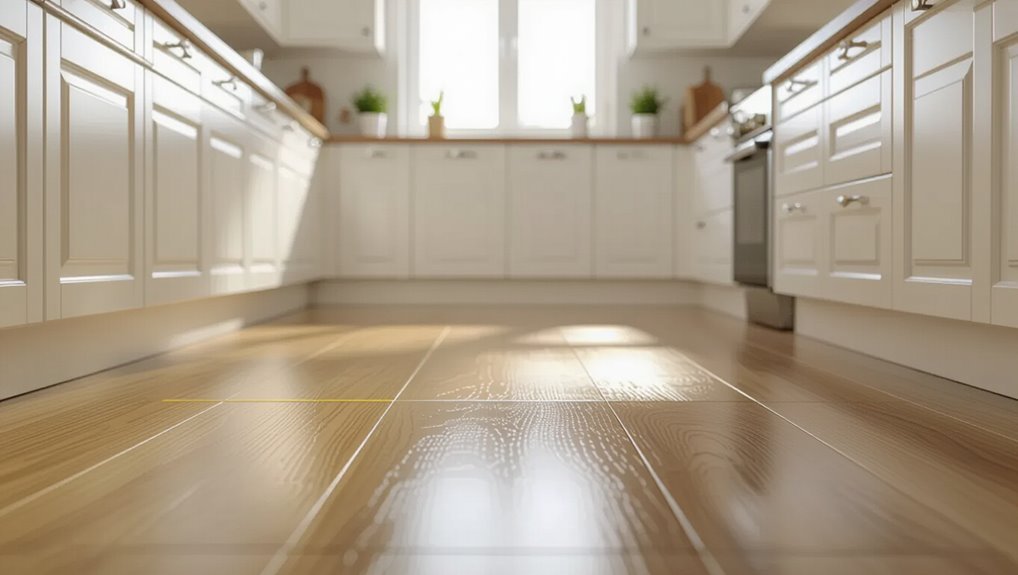
This quick visual guide helps you identify common yellow stains on vinyl flooring and choose the fastest fix for each—oil-based spots, adhesive residue, scorch marks, and mold-related discoloration.
Use labeled photos or icons:
Use clear, labeled photos or icons to quickly identify stain types and the right fix.
- oil (greasy sheen) → degreaser;
- adhesive (sticky patches) → adhesive remover;
- scorch (dark halo) → gentle scrub and baking soda;
- mold (fuzzy edges) → bleach solution and dry thoroughly.

