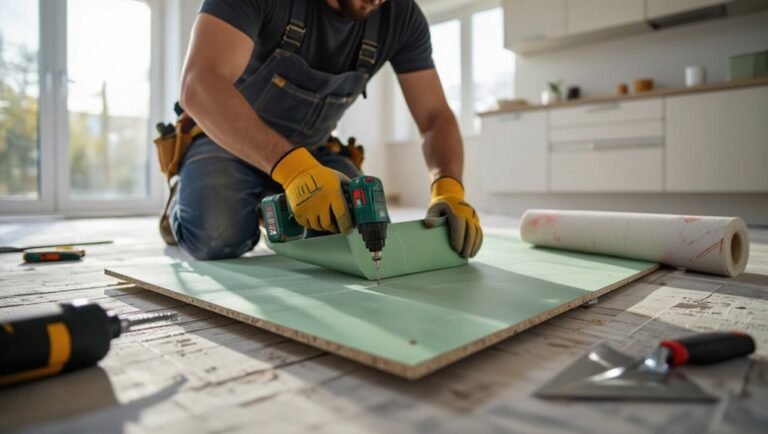
Is Carpet Cheaper Than Vinyl Flooring? A Cost Comparison Guide
You’ll usually pay less upfront for carpet than for comparable vinyl, especially with basic fibers and large low-traffic areas, but vinyl often costs less over time because it’s more durable, water-resistant, and needs less upkeep. Carpet demands frequent cleaning, occasional repairs, and earlier replacement in high-traffic or moisture-prone rooms, which raises lifetime cost. Consider room use, installation quality, and material grade to pick the better value, and keep going to see detailed cost and care tips.
Quick Answer Is Carpet Cheaper Than Vinyl Flooring?
In most cases, basic carpet will cost less upfront per square foot than many vinyl options, but premium carpets can rival midrange vinyl prices.
You’ll usually find carpet cheaper for large, low-traffic areas or when you choose economy fiber and padding.
Vinyl becomes more cost-effective when you need durable, water-resistant flooring or opt for high-end carpet alternatives.
Direct cost comparison summary
Though prices vary by material, region, and installation complexity, carpet generally costs less upfront than vinyl flooring for most homeowners. If you wonder “is carpet cheaper than vinyl flooring,” here’s a tight summary to help you decide quickly.
| Option | Typical upfront cost |
|---|---|
| Carpet | Low–Moderate |
| Vinyl | Moderate–High |
When carpet is typically cheaper and when vinyl is cheaper
When you’re comparing costs, carpet usually comes out cheaper if you choose basic fibers and have straightforward installation needs.
You’ll save on material and labor for broadloom in standard rooms.
Vinyl often costs less when you need durable, water-resistant flooring for bathrooms or basements, or when luxury vinyl plank replaces expensive hardwood—installation complexity and product grade determine the final price.
Understanding the Basics: Carpet vs Vinyl
You’ll find carpet comes in different fibers and constructions—like nylon, wool, cut pile, and looped styles—each suited for rooms with varying traffic and comfort needs.
Vinyl flooring shows up as sheet, plank, or luxury vinyl, with materials and wear layers that affect durability and where you can install it.
When comparing costs, focus on material price, labor for installation, underlayment or subfloor prep, removal of old flooring, and expected waste.
What is carpet? Types, materials, and typical uses
Carpet is a soft floor covering made from tufts of yarn attached to a backing, and it comes in many pile styles and fiber types to suit different rooms and lifestyles.
You’ll choose by durability, comfort, and budget.
Consider common options:
- Loop, cut pile, and plush for texture and wear
- Wool, nylon, polyester for performance and feel
- Residential, commercial, and specialty uses
What is vinyl flooring? Types (sheet, plank, luxury vinyl), materials, and typical uses
Vinyl flooring is a versatile, water-resistant floor covering made from synthetic materials that can mimic wood, stone, or tile while staying affordable and low-maintenance.
You’ll choose between sheet, plank, or luxury vinyl depending on look and durability. Materials include PVC layers, foam or cork backing, and wear layers.
Typical uses: kitchens, bathrooms, basements, and high-traffic areas.
- Sheet vinyl: seamless, water-tight
- Vinyl plank: realistic wood look
- Luxury vinyl: thicker, more durable
Key cost drivers for both flooring types (material, labor, underlayment, removal, waste)
Several factors determine what you’ll pay for carpet or vinyl, and understanding them helps you budget accurately.
Material quality drives base cost—synthetic carpet, wool, sheet vinyl, or LVT vary widely.
Labor depends on installation complexity and seams.
Underlayment adds comfort and expense.
Removal and disposal of old flooring add fees.
Plan for 5–10% waste for cuts and mistakes.
Detailed Cost Breakdown
You’ll want to compare material costs first, since carpet and vinyl vary widely by quality and type.
Then factor in installation and labor, which depend on room size, subfloor prep, and job complexity, plus extras like underlayment, adhesives, trim, connections, and disposal.
Finally, weigh long-term costs — lifespan, maintenance, repairs, and how often you’ll need to replace the floor.
Material cost ranges by quality and type
Because material choice drives most of the upfront cost, it helps to break prices down by quality and type so you can compare apples to apples. You’ll see carpet ranges from budget to luxury and vinyl from basic plank to high-end SPC/LVP. Use this quick guide to set expectations and pick materials that match your budget.
| Type | Low | High |
|---|---|---|
| Carpet | $1/ft² | $7/ft² |
| Vinyl | $1.50/ft² | $8/ft² |
Installation and labor costs (room size, subfloor prep, complexity)
Installation and labor typically add $0.50 to $4 per ft² to your flooring bill, and they vary mainly with room size, subfloor prep, and installation complexity. You’ll pay more for small rooms, extensive prep, or intricate patterns. Plan inspections and quotes to avoid surprises.
| Room Size | Prep Level | Complexity |
|---|---|---|
| Small | Low | Simple |
| Medium | Medium | Moderate |
| Large | High | Complex |
Additional costs: underlayment, adhesives, trim, transitions, disposal
Although the base flooring price gets most attention, underlayment, adhesives, trim, joints, and disposal can tack on a surprising amount to your final bill.
You’ll pay for padding under carpet or foam underlayment for vinyl, plus glue or tack strips.
Add thresholds, molding, connector strips, and waste disposal or old-floor removal.
Factor these into your budget for an accurate comparison.
Long-term cost factors: lifespan, maintenance, repairs, replacement frequency
When you compare long-term costs, focus on lifespan, routine maintenance, likely repairs, and how often you’ll need to replace the floor — these factors usually outweigh the initial purchase price over the years.
You’ll pay more for carpet cleaning, stain treatments, and faster replacement cycles; vinyl needs less upkeep, occasional seam or plank repairs, and often lasts longer, lowering lifetime cost despite higher upfront prices.
Side-by-Side Comparison: Value Over Time
To choose smartly, you’ll compare first-year total costs (materials plus installation) for carpet and vinyl.
Then look at 5- and 10-year projections that factor in maintenance, likely repairs, and potential replacement.
Finally, compare cost per square foot against cost per year of service to see which gives better long-term value.
First-year total cost comparison (material + installation)
For most rooms you’ll compare the upfront cost of materials plus installation to see which floor fits your budget: You’ll likely find carpet’s lower material price but higher padding and labor can raise first-year totals, while vinyl’s higher material cost often pairs with quicker installation.
| Carpet | Vinyl |
|---|---|
| Material: $ | Material: $$ |
| Installation: $$ | Installation: $ |
5- and 10-year cost projections including maintenance and likely replacement
Now that you’ve compared first-year material and installation costs, look ahead to 5- and 10-year totals to see which floor really saves you money. You’ll weigh maintenance, cleaning, and likely replacement: carpet may need replacement sooner; vinyl often costs more upfront but less upkeep. Compare scenarios:
| Year | Carpet | Vinyl |
|---|---|---|
| 5 | higher upkeep | lower upkeep |
| 10 | replacement likely | durable, minimal cost |
Cost per square foot vs cost per year of service
Although price per square foot gives you an easy comparison, cost per year of service tells you how much value you’ll actually get out of the floor — divide total lifecycle costs (purchase, installation, maintenance, and replacement) by expected service years to see which option is cheaper annually.
You’ll spot that vinyl’s higher upfront but longer life can beat carpet’s lower sticker price once you factor recurring cleaning, stains, and earlier replacement.
Room-by-Room Cost Considerations
When choosing between carpet and vinyl, you’ll weigh comfort in bedrooms and living rooms against long-term durability.
In kitchens and bathrooms you’ll need materials that handle moisture without blowing your budget.
For basements and high-traffic zones, pick options that balance low cost with reliable performance.
Bedrooms and living rooms comfort vs durability trade-offs
Because bedrooms and living rooms are where you relax and entertain, your flooring choice should balance comfort underfoot with how well it stands up to daily wear.
Carpet gives warmth, noise reduction, and softness, but stains and traffic wear shorten lifespan.
Vinyl feels firmer, cleans easily, and handles pets and spills better, though it’s less cushioned.
Consider padding, maintenance, and replacement cost.
Kitchens and bathrooms moisture concerns and cost implications
Moving from living spaces to areas with frequent water exposure, kitchens and bathrooms demand flooring that resists moisture and holds up to spills and humidity.
You’ll find vinyl resists water, needs little maintenance, and often costs less over time due to longevity.
Carpet in these rooms risks mold, stains, and faster replacement, raising long‑term expenses despite lower initial price.
Basements and high-traffic areas best choices for budget and performance
If your basement or a high‑traffic hallway needs flooring that lasts and stays economical, vinyl is usually the smarter pick: it handles moisture, scrapes, and heavy footfall with minimal upkeep, while carpet shows wear faster, traps dirt, and often needs earlier replacement—raising lifetime costs.
You’ll save on maintenance and replacements with durable vinyl planks or tiles, especially in damp or busy zones.
How to Choose Based on Budget and Priorities
Start by matching your budget to realistic expectations: the cheapest carpet and vinyl will save money up front but may wear sooner. Mid-range options balance cost, durability, and looks, and premium choices can pay off with longevity and style.
Consider where the flooring will be used and how long you plan to stay to decide if higher upfront cost is worth it. Use a short checklist—questions about traffic, moisture, maintenance, and resale—to guide your final pick.
Low-budget options: cheapest carpet and vinyl choices and what to expect
When you’re on a tight budget, the cheapest carpet and vinyl options still give you usable floors—just know they’ll trade durability, comfort, or appearance for lower price.
You should expect shorter lifespan, thinner padding, and simpler styles.
Consider:
- Low-pile nylon or olefin carpet: affordable but wears faster.
- Basic sheet vinyl: water-resistant, less texture.
- Click-lock LVT budget lines: easier DIY install.
Mid-range choices: balancing cost, durability, and appearance
Between budget and premium lies the sweet spot where you can get durable, attractive flooring without breaking the bank: mid-range carpet and vinyl trade a bit of luxury for far better performance and style than the cheapest options.
You’ll choose based on traffic, maintenance, and look—stain-resistant carpets for comfort, textured vinyl for wet areas—balancing lifespan, installation cost, and visual appeal to meet priorities.
Premium options: when higher upfront cost pays off
Though pricier up front, premium carpet and vinyl can save you money and hassle over time by delivering superior durability, comfort, and style that hold up in high-traffic or high-moisture areas.
You’ll pay more initially but get longer lifespans, better stain and water resistance, and improved insulation or realism.
Choose premium when replacement disruption, long-term value, and performance matter most.
Decision checklist: questions to ask before choosing
Ready to make a choice?
Ask: What’s your budget for purchase and installation?
How long do you want the floor to last?
Do you need stain, water, or scratch resistance?
What’s your maintenance tolerance and allergy concern?
Which rooms get the flooring, and how will traffic affect wear?
Prioritize durability, comfort, appearance, and long-term cost to decide between carpet and vinyl.
Step-by-Step Cost-Saving Strategies
Start by measuring your space precisely and planning cuts to minimize waste.
Get multiple installer quotes and negotiate rates, and weigh which tasks you can safely do yourself to cut labor costs.
Finally, pick materials with strong warranties and low upkeep so you lower lifetime expenses.
Step 1 Accurately measure and plan to reduce waste
Measure your rooms carefully before buying so you only purchase what you need—take length and width, note alcoves and doorways, and subtract fixed features like built-ins; with precise measurements you’ll reduce waste, avoid costly returns, and compare carpet and vinyl needs more accurately.
Then sketch layouts, factor roll widths or plank patterns, and calculate a small contingency for cuts so materials match installations without excess.
Step 2 Compare quotes and negotiate installer rates
Once you have accurate measurements, get multiple detailed quotes for both carpet and vinyl installations so you can compare labor, materials, and any hidden fees side by side.
Ask installers for itemized breakdowns, timelines, and warranties.
Negotiate by mentioning competing bids, requesting price match or bundled discounts, and confirming payment terms.
Choose qualified installers who balance cost with proven reviews and clear guarantees.
Step 3 Consider DIY options and which tasks are safe to DIY
After comparing bids and settling on an installer, weigh which tasks you can handle yourself to cut costs further.
You can remove old flooring, move furniture, and prep subfloors with basic tools.
Leave intricate cuts, moisture mitigation, and final installation to pros unless you have experience.
DIY saves labor but don’t risk voiding warranties or creating costly mistakes—you decide based on skill and comfort.
Step 4 Choose materials with lower lifetime cost (warranty, maintenance)
Think beyond upfront price and pick flooring that lowers lifetime cost through solid warranties and simple upkeep.
You’ll compare warranty length, what’s covered, and transferability. Favor stain-, scratch-, and water-resistant options that need minimal cleaning.
Factor in replacement part availability and manufacturer support. A slightly pricier product with strong warranty and low maintenance often costs less over its usable life.
Common Mistakes That Increase Flooring Costs
Don’t underestimate subfloor prep or hidden repairs, because unexpected fixes can blow your budget.
Don’t pick the cheapest material without weighing lifespan and replacement costs.
And don’t hire an inexperienced installer or skip getting multiple quotes—those choices often lead to costly mistakes.
Underestimating subfloor prep and hidden repair costs
If you skip a thorough inspection, you can end up paying far more than the quoted price once contractors start peeling back old flooring—rot, uneven subflooring, and hidden water damage are common surprises that require costly repairs.
You should budget for inspection, moisture testing, and possible joist or subfloor replacement. Failing to do so delays installation and inflates the final bill unexpectedly.
Choosing cheapest material without considering lifespan
Picking the cheapest flooring option to save upfront cash often costs you more over time, because low-end materials wear out faster, need earlier replacement, and can mean higher maintenance or repair bills.
You should evaluate lifecycle cost, not just sticker price.
Consider expected lifespan, warranty coverage, and real-world durability for traffic, moisture, and pets to avoid repeated replacement expenses.
Hiring inexperienced installers or skipping multiple quotes
Thinking about lifecycle cost means you should also be careful who installs your floor: hiring inexperienced installers or skipping multiple quotes can erase any savings from a low upfront price.
Get at least three bids, check references and photos, and confirm proper credentials and warranties.
Poor installation leads to gaps, premature wear, and costly repairs that quickly outweigh initial material savings.
Maintenance, Repair, and Longevity Tips
You can extend carpet life and cut costs by following simple maintenance routines like regular vacuuming, prompt stain treatment, and rotating rugs.
For vinyl, routine sweeping, gentle mopping, and knowing common repair fixes (like seam re-gluing or patching) will keep it looking good longer.
I’ll also help you decide when a repair makes sense versus when replacement is the smarter, more cost-effective choice.
Carpet maintenance best practices to extend life and lower cost
A few simple habits will keep your carpet looking fresher and lasting longer, which cuts replacement and repair costs.
Vacuum high-traffic areas twice weekly, spot-clean spills immediately with appropriate cleaners, and rotate rugs to even wear.
Use doormats and remove shoes to reduce dirt.
Schedule professional deep cleaning every 12–18 months and repair snags or seams promptly to prevent bigger issues.
Vinyl maintenance best practices and common repair methods
When maintained regularly, vinyl floors stay attractive and resist damage, cutting long-term costs and keeping replacement needs low.
You should sweep and mop with pH-neutral cleaners, use felt pads under furniture, and avoid abrasive tools.
For scratches and small tears, apply repair kits or heat-weld seams; for loose planks, re-glue or re-click them.
Address stains promptly to prevent permanent discoloration.
When to repair vs when to replace
How long should you try to repair vinyl before replacing it?
You should repair when damage is localized, seams pop, or wear is cosmetic and under warranty.
Replace when multiple seams, widespread buckling, chronic moisture, or repeated repairs cost more than new installation.
Consider age: over 15–20 years often merits replacement.
Factor in health risks from mold or adhesive breakdown.
Environmental and Health Cost Considerations
You’ll want to weigh how VOCs and off-gassing from carpet adhesives or vinyl planks can affect indoor air quality, especially in tight or poorly ventilated spaces.
Consider end-of-life costs too — some vinyl is hard to recycle and can incur disposal fees, while certain carpets offer recycling programs or biodegradable options.
Comparing low-VOC certifications and eco-friendly materials can help you balance upfront price with long-term health and environmental impact.
VOCs, indoor air quality, and off-gassing differences
Because both carpet and vinyl can release volatile organic compounds (VOCs), you should weigh how each affects indoor air quality and long-term health: carpet can trap VOCs, dust, and allergens, releasing them over time, while vinyl may off-gas stronger chemicals initially.
You should ventilate, choose low-VOC products, and allow airing-out to reduce exposure, especially in tight or poorly ventilated spaces.
Recyclability, disposal costs, and eco-friendly options
While carpet and vinyl both pose disposal challenges, their end-of-life paths and costs differ a lot.
You’ll pay landfill fees for bulky carpet and often limited recycling options; contaminated padding complicates reuse.
Vinyl can sometimes be recycled but collection is scarce, and incineration raises concerns.
Choose certified recycled-content products, modular carpet tiles, or PVC-free and bio-based vinyl to lower disposal impact and future costs.
FAQs
You probably have practical questions like whether vinyl costs more to install than carpet and which option saves you money over time.
Consider how room size, durable low-cost options, and potential resale impact will change that comparison.
We’ll answer each point so you can make a clear, budget-minded choice.
Is vinyl more expensive to install than carpet?
Curious whether vinyl costs more to install than carpet? It depends on product and labor.
Basic vinyl plank or sheet often costs about the same or slightly less than mid-range carpet, while luxury vinyl and high-end carpet can flip that.
Subfloor prep, room layout, and adhesive or padding needs affect price.
Get multiple quotes and compare material plus installation.
Which flooring saves more money in the long run?
Which option saves you more over time depends on how you measure costs—upfront price, maintenance, durability, and replacement cycles all matter.
You’ll likely pay less initially for basic carpet, but vinyl often lasts longer, resists stains, and needs less upkeep.
Factor cleaning, repairs, and replacement frequency; choose based on your tolerance for maintenance, expected lifespan, and resale impact to minimize total cost.
How does room size affect cost comparison?
Because room size changes the math, you’ll see different cost advantages for carpet versus vinyl as square footage grows.
Smaller rooms raise per-unit installation costs, narrowing differences.
Larger rooms amplify material price gaps—vinyl’s lower per-square-foot options can save you more on big projects, while carpet’s lower upfront choices matter most in modest spaces where installation and waste have bigger impact on totals.
Are there durable low-cost carpet or vinyl options?
As room size changes the math on total cost, you’ll also want to balance durability against price when choosing carpet or vinyl.
You can get durable, budget-friendly options: loop-pile or low-pile commercial carpet for high-traffic rooms, and luxury vinyl plank (LVP) with thicker wear layers for water-prone areas.
Compare warranties, abrasion ratings, and installation costs to pick the best value.
Will choosing carpet or vinyl affect my home resale value?
Curious whether carpet or vinyl will help — or hurt — your home’s resale value? It depends on market, quality, and room.
Neutral, well-maintained vinyl often appeals for kitchens and bathrooms; clean, updated carpet can suit bedrooms.
Choose durable, neutral styles and replace worn flooring before selling.
Real estate agents recommend matching finishes to neighborhood expectations to maximize appeal and offer.