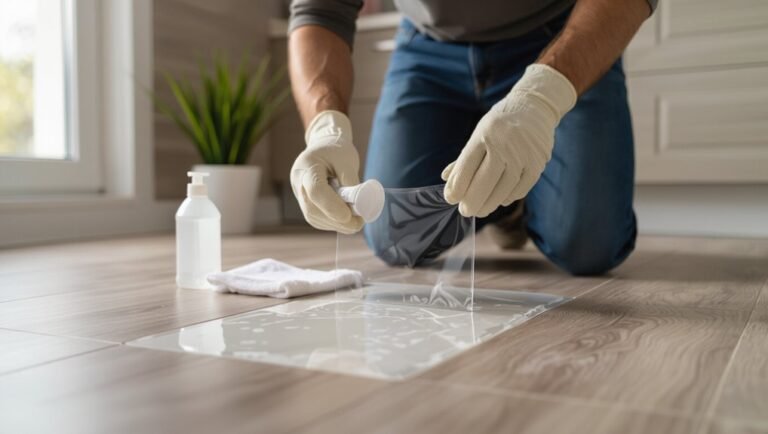
How to Choose Vinyl Plank Flooring for Durability and Style Needs
Match wear-layer thickness, core type, and finish to how your home actually lives: choose 12–20 mil for light traffic, 20–28 mil for medium use, and 28+ mil for heavy traffic or pets. Pick SPC for rigid stability and water resistance, WPC for comfort and sound dampening, or flexible vinyl for budget waterproofing. Balance color, texture, and sheen to hide wear, and pick an installation style that fits maintenance preferences—keep going and you’ll learn specific tips for each choice.
Quick Decision Framework: Traffic, Pets, and Style
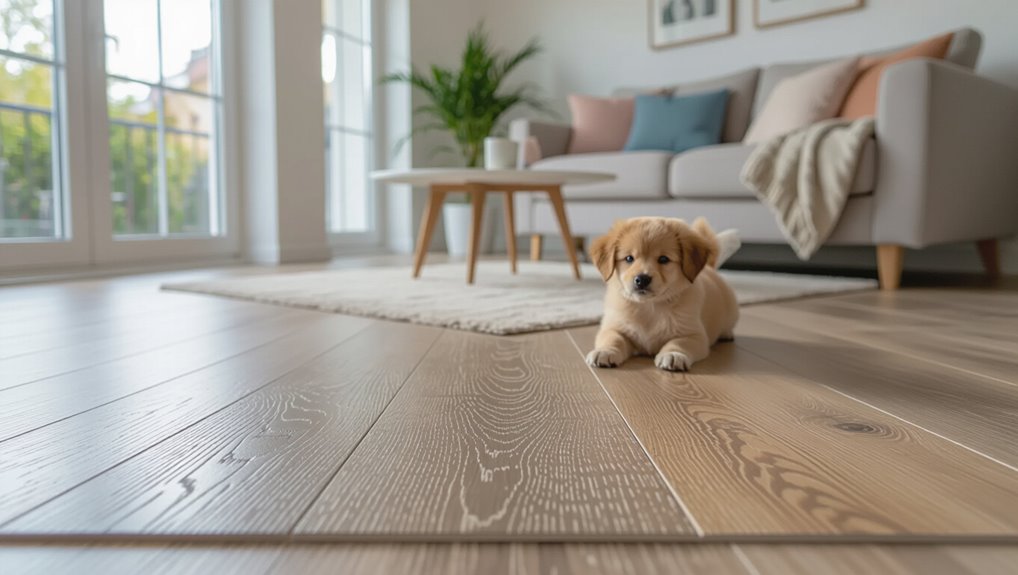
When choosing vinyl plank flooring, start by matching durability to your household: high-traffic areas and homes with pets need thicker wear layers and scratch-resistant finishes, while low-traffic rooms can prioritize looks and budget.
You’ll assess traffic patterns, choose pet friendly options, balance color and texture to hide wear, and pick installation style that fits your routine and maintenance preferences.
How Thick Should the Wear Layer Be on Vinyl Plank?
How thick should the wear layer be?
You’ll typically want 12–20 mil for light traffic, 20–28 mil for medium, and 28+ mil for heavy use.
Check wear layer materials and warranty details to match durability to rooms.
Pair thickness with maintenance tips—regular sweeping, gentle cleaners, and felt pads—to extend life without overpaying for unnecessary thickness.
Vinyl Plank Cores: SPC vs WPC vs Flexible Vinyl
You’ll choose between three core types for vinyl planks—SPC, WPC, and flexible vinyl—each offering distinct performance and comfort trade-offs.
SPC gives rigid, dense stability and excellent water resistance; WPC adds foamier underfoot comfort and sound dampening; flexible vinyl is thin, highly waterproof, and economical.
Use core material comparisons to match rooms and review performance characteristics for traffic, subfloor, and installation needs.
Does Plank Thickness Really Matter?
You’ll want to focus first on the wear layer, since its thickness determines scratch and stain resistance more than the plank’s total depth.
Core thickness does affect how the floor feels underfoot and how stable it is, especially over uneven subfloors.
And don’t forget that installation type and substrate preparation interact with plank thickness to influence long-term performance.
Wear Layer Importance
Think of the wear layer as the clear armor that takes the daily abuse your vinyl plank sees; it’s actually more important than the plank’s total thickness for long-term performance.
You’ll value wear layer benefits like scratch, stain, and fade resistance. Choose higher mil ratings for heavy traffic, and follow simple wear layer maintenance—gentle cleaning, felt pads, and prompt spill care—to preserve appearance and lifespan.
Core Thickness Effects
While the wear layer takes the hits, the plank’s core thickness still matters for comfort, stability, and sound. You’ll notice thicker cores boost core durability and reduce flex, while thinner cores increase core flexibility and feel softer. Choose based on traffic and underfoot preference.
| Thickness | Effect |
|---|---|
| Thin | More flexibility |
| Thick | More durability |
Installation And Stability
Core thickness does influence how easy planks are to install and how stable they stay over time, but it’s not the only factor you should weigh.
You’ll need solid subfloor preparation and heed climate considerations; thinner planks can flex, thicker cores resist movement.
Consider:
- Underlayment choice for support
- Expansion gaps per climate
- Locking system quality
Waterproof vs Water-Resistant Vinyl Plank : Which Rooms Need Which?
When you’re picking vinyl plank for different rooms, think waterproof for bathrooms, laundry rooms, and basements where spills and humidity are common.
Water-resistant options work well in low‑moisture areas like bedrooms, living rooms, and hallways.
Choose based on the room’s exposure to moisture to avoid problems later.
Waterproof For Wet Areas
If you’re installing vinyl plank in bathrooms, laundry rooms, or basements, you’ll want true waterproof products rather than just water-resistant ones.
This is because waterproof planks stop standing water and repeated exposure from damaging the core and finish. You’ll gain waterproof benefits and simple maintenance tips to protect your investment.
- Seal seams properly
- Choose SPC/WPC cores
- Wipe spills promptly
Water-Resistant For Low-Moisture
While waterproof vinyl is the safer pick for constantly wet spots, water-resistant planks work well in rooms that only see occasional moisture, like hallways, bedrooms, and dining areas. You’ll get good moisture management if you follow installation tips, use proper underlayment, and address spills quickly.
| Room | Risk | Recommendation |
|---|---|---|
| Hallway | Low | Water-resistant |
| Bedroom | Low | Water-resistant |
| Dining | Moderate | Water-resistant |
Room-by-Room Picks: Best Vinyl Plank for Kitchen, Bath, Basement, Living Areas
Because each room has different demands, you’ll want vinyl plank flooring chosen for how you live there—durability and water resistance for kitchens and baths, extra thickness and moisture barriers for basements, and softer looks or acoustical underlayment for living areas.
Choose vinyl plank by room: water-resistant, durable for kitchens/baths; thicker, moisture-proof for basements; softer, quieter for living areas.
Pick by function and finish:
- Kitchen: prioritize kitchen style with durable, scuff-resistant planks.
- Bath: focus on bathroom durability and full waterproof options.
- Basement: choose basement moisture protection and stable cores for living area aesthetics.
Pick the Plank Look: Color, Texture, and Finish
Think about how color and tone set the mood of a room — warm woods make spaces cozy while cool grays feel modern.
Consider surface texture options, from smooth to hand-scraped, to match your style and hide wear.
Finally, pick a finish sheen that balances appearance with maintenance, since matte hides scratches better and gloss shows more shine.
Color And Tone
How do you want the room to feel when you walk in? Use color psychology and tone matching to guide choices: warmer tones cozy up spaces; cooler tones open them.
Balance plank hue with cabinets and light.
- Warm woods: inviting, grounding.
- Cool greys: airy, modern.
- Mid-tone neutrals: versatile, forgiving.
Surface Texture Options
Once you’ve settled on color and tone, the plank’s surface texture completes the look and feel—so pick carefully.
You’ll compare surface patterns and texture finishes to match design trends and enhance tactile experiences.
Consider aesthetic appeal and visual warmth, plus slip resistance for safety.
Choose textures that suit daily wear, follow maintenance tips, and balance style with practicality for lasting satisfaction.
Finish Sheen Choices
While color and texture set the stage, the plank’s finish sheen defines how light interacts with your floor and influences both appearance and upkeep.
You’ll choose sheen levels to balance durability and aesthetic impact. Consider practical use, cleaning, and glare.
- Matte — hides scratches, low maintenance.
- Satin — moderate shine, balanced elegance.
- Gloss — high shine, shows wear.
Installation Choices: Glue-Down, Click-Lock, and Loose Lay
Choosing the right installation method — glue-down, click-lock, or loose-lay — affects your floor’s durability, comfort, and how long the job takes.
So weigh costs, subfloor condition, and how permanent you want the result.
Glue-down uses flooring adhesives for stability;
click-lock speeds installation and demands precise plank alignment;
loose-lay relies on weight and underlayment options for easy replacement and moisture tolerance.
Budget Tiers: Expected Lifespan and Real-World Durability
Installation method affects longevity, but your budget largely sets realistic expectations for how long vinyl plank flooring will last in day-to-day use.
Consider budget considerations and lifespan estimates to match performance with price so you won’t overpay or under-spec.
- Economy: 5–10 years typical, higher wear.
- Mid-range: 10–20 years, balanced durability.
- Premium: 20+ years, best wear resistance.
Warranties and Common Problems: Gaps, Lifting, Dents, and Stains
Because even the best vinyl plank can show issues over time, you should review warranties and know common problems—gaps, lifting, dents, and stains—so you can spot defects early and understand who’s responsible for repairs.
Check warranty coverage for wear, seams, and stains, note installation issues’ impact, learn repair options, and follow maintenance tips to prevent damage and preserve appearance.
Frequently Asked Questions
Can Vinyl Plank Be Refinished or Repaired After Deep Surface Damage?
No, you generally can’t refinish vinyl plank like real wood; instead you’ll use damage repair methods such as replacing planks, using fillers, or surface coatings. Those refinishing options are limited but can restore appearance effectively.
How Do Underfloor Heating Systems Affect Vinyl Plank Performance?
Think of underfloor heating as a gentle coach: it can boost vinyl performance if you follow temperature limits, guarantee proper acclimation, and use compatible adhesive or click-lock systems so your flooring won’t warp, shrink, or lose its finish.
Are There Indoor Air Quality Differences Between Vinyl Brands?
Yes — you’ll see indoor air quality differences between vinyl brands; vinyl emissions vary by formulation and certification, so you’ll want brand comparisons, look for low-VOC labels, and choose products tested for low emissions.
What Maintenance Products Will Void My Vinyl Warranty?
I once watched a neighbor strip finish with bleach; you’ll void warranties by using harsh solvents, abrasive cleaners, or improper sealants. Warranty exclusions often list those cleaning techniques, alkaline strippers, and oil-based products, so follow manufacturer guidelines.
Can I Install Vinyl Plank Over Existing Tile or Hardwood?
Yes — you can install vinyl plank over tile or hardwood if the surface’s flat, clean, and dry. Use proper underlayment, check flooring compatibility, follow installation tips, and guarantee changes and door clearances for a lasting result.
Conclusion
You’re planting a foundation that’ll carry daily life — choose wear layer, core type, and finish like you’d pick seeds for a garden that must survive storms and bloom. Thick wear, rigid core, and waterproofing are your roots against pets, spills, and heavy traffic; color and texture are the blossoms that reflect your style. With smart installation and a solid warranty, your floor becomes both armor and expression, lasting with grace.