How to Clean Matte Floor Tiles Without Streaks or Surface Damage
Use a soft broom or vacuum daily to remove grit, then damp-mop weekly with a well-wrung microfiber pad and a pH‑neutral cleaner (pH 6–8) to avoid streaks and dulling. Spot-treat spills promptly with gentle soaps, rinse thoroughly to remove residue, and agitate textured pores with a soft brush when needed. Don’t use abrasive pads, harsh acids, or waxes; seal grout and use entry mats to cut grit. Keep going to learn tips for deep cleaning and repairs.
How Matte Tiles Differ : And Why Care Matters
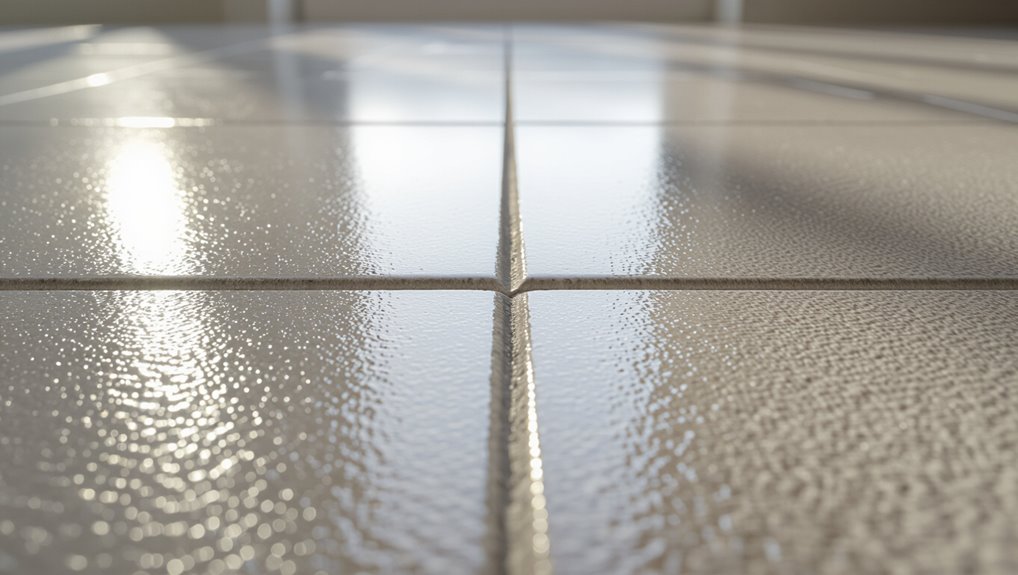
Because matte tiles don’t reflect light the way glossy ones do, you’ll notice dirt, scuffs, and water spots differently — and that changes how you should clean them.
You’ll appreciate matte tile advantages like hiding minor marks and reducing glare, but you’ll also face matte tile disadvantages: textured pores trap grime and may need gentler, targeted care to avoid buildup without harming the finish.
Daily & Weekly Cleaning Routine for Matte Tiles
You should sweep matte tiles daily with a soft broom or vacuum to remove grit that can dull the finish.
Once a week, mop with a well-wrung microfiber mop and a pH-neutral cleaner to lift grime without leaving streaks.
Spot-treat spills and stains promptly with a gentle cleaner and a soft cloth to prevent permanent marks.
Daily Gentle Sweep
A quick daily sweep keeps grit and debris from scratching matte tiles and makes weekly cleaning much easier.
You should use gentle sweeping with a soft-bristle broom or microfiber dust mop to remove dust accumulation before it grinds in.
Focus on high-traffic zones and corners, shake or empty the mop outdoors, and store it clean to prevent transferring grit back onto the floor.
Weekly Damp Mop
After your daily sweep, schedule a gentle damp mop once a week to lift settled dirt and light stains without dulling the matte finish.
Use a microfiber mop, wring it well, and work in straight, overlapping strokes. Change water when cloudy, use pH-neutral cleaner sparingly, and follow recommended cleaning frequency to prevent buildup.
Rinse the mop frequently and air-dry the floor.
Spot Treat Stains
When spills happen, act quickly to prevent stains from setting into matte grout or tile pores; blot liquids with a clean microfiber cloth.
Then gently lift residue with a dampened cloth and a pH-neutral cleaner if needed.
Identify stain types—oil, dye, organic—and choose treatment methods: degreaser for oils, mild bleach solution for dyes, enzyme cleaner for organic stains.
Rinse and dry thoroughly.
What to Avoid: Cleaners, Tools, and Bad Habits
Although matte tiles hide scuffs better than glossy ones, you still shouldn’t reach for harsh acids, abrasive pads, or streak-promoting cleaners; they can dull the finish, etch the surface, or leave residues that attract dirt. Avoid toxic chemicals, abrasive materials, harsh scrubbing, and untested products. Don’t over-wet floors or use waxes. Replace bad habits with gentle, tested care.
| What to avoid | Why |
|---|---|
| Bleach/acid | Etches finish |
| Abrasive pads | Scratches surface |
| Harsh scrubbing | Dulls texture |
| Waxes/polishers | Attracts grime |
| Unknown brands | Risk residues |
Best Tools for Matte Tiles: Mops, Microfiber & Brushes
Now that you know what to avoid, pick tools that protect the matte finish while cleaning efficiently.
Use flat matte tile mops with washable microfiber pads to trap dirt without scratching.
Have a soft-bristled brush for grout and textured areas, and a dry microfiber cloth for spot-drying.
Avoid abrasive pads or stiff brushes that can dull the surface; rinse tools often to prevent grit buildup.
Safe Cleaners for Matte Floor Tiles (pH, Ingredients, Products)
You should choose pH-balanced cleaners formulated for neutral to slightly alkaline floors to protect matte finishes.
Check ingredient labels and avoid harsh acids, strong alkalis, bleach, and abrasive scents or oils that can dull or etch the surface.
I’ll list safe ingredients and trusted products next so you can pick the right cleaner for your tiles.
pH-Balanced Cleaners
Because matte tiles can dull or etch if you use the wrong formulas, pick pH-balanced cleaners that sit near neutral (around pH 6–8) to clean effectively without harming the finish.
You’ll maximize pH balance and cleaning efficacy by choosing mild, neutral options and testing in a small area first.
- neutral pH formula
- non-abrasive
- biodegradable
- residue-free
- spot-test first
Ingredient Watchlist
When choosing cleaners for matte floor tiles, pay attention to pH and specific ingredients so you don’t accidentally dull or damage the finish.
Look for neutral pH labels and ingredient benefits like gentle surfactants and water softeners.
Avoid harmful additives: bleach, ammonia, waxes, and high-acid solvents that change texture or sheen.
Test new products in an inconspicuous area first.
DIY Matte-Tile Cleaner Recipes That Won’t Harm the Finish
Mix gentle, commonly available ingredients to make cleaners that lift dirt without stripping the matte finish.
Mix gentle, common ingredients to lift dirt while preserving the matte finish—always test first and rinse well.
You’ll prefer eco friendly alternatives and simple homemade solutions. Test small areas first.
Combine low-sudsing castile soap, distilled water, white vinegar (small amount), and a few drops of essential oil for scent. Use microfiber mop; rinse.
- Castile soap blend
- Vinegar rinse
- Baking soda spot paste
- Olive oil polish (tiny)
- Water-only maintenance
Deep-Cleaning for Grimy or Stained Matte Tiles
If your regular gentle cleaners and spot treatments aren’t cutting through embedded grime or old stains, you’ll need a more intensive approach that still protects the matte finish.
Start by testing a pH-neutral deep cleaner in an inconspicuous spot. Agitate gently with a soft-bristled brush, rinse thoroughly, and blot dry.
Focus on stain removal while prioritizing tile preservation to avoid etching.
Removing Oil, Grout Haze, & Mineral Deposits From Matte Tiles
When oil or grease spots show up on your matte tiles, you’ll want a degreaser or baking soda paste to lift them without glossing the finish.
For grout haze, use a mild acidic cleaner or a grout haze remover and a soft scrub brush to restore the tile’s matte texture.
Tough mineral deposits respond to diluted vinegar or a commercial descaler applied briefly and rinsed thoroughly to avoid damage.
Removing Grease And Oil
Grease, cooking oil, grout haze, and mineral buildup all cling to matte tiles differently, so you’ll need the right cleaners and a bit of elbow grease to get them gone without dulling the finish.
For grease removal use absorbents, then degreaser; rely on oil absorption, gentle scrubbing, and rinse thoroughly.
- Blot with baking soda
- Apply pH-neutral degreaser
- Soft brush agitation
- Warm water rinse
- Dry with microfiber
Eliminating Grout Haze
After tackling oil and greasy spots, you’ll often find a dull, powdery haze left from grout or mineral residues that needs a different approach.
Use a soft brush and pH-neutral cleaner for grout removal, rinsing thoroughly and drying with microfiber. Test a small area first, repeating gentle scrubs until clear.
For haze prevention, seal grout and avoid acidic cleaners that dull matte tiles.
Dissolving Mineral Deposits
If mineral deposits have left cloudy spots or white crusts on your matte tiles, you’ll need a targeted approach that dissolves the buildup without harming the finish.
Use mild acids, test first, then rinse thoroughly. Adjust cleaning frequency based on water hardness.
- white vinegar solution
- commercial descaler (tile-safe)
- soft nylon brush
- neutralize with baking soda
- spot-test each area
Spot Testing and Minor Etch Repair for Matte Finishes
Because matte finishes react differently to cleaners and repairs, you should always spot-test before treating any visible etch or dulling; this lets you confirm a product won’t alter the finish or color. You’ll perform spot testing, assess minor etch repair options, and proceed cautiously with gentle abrasives or specialized restorers to blend damage without gloss change.
| Step | Action | Result |
|---|---|---|
| 1 | Select inconspicuous area | Safe test |
| 2 | Apply product sparingly | No surprise |
| 3 | Wait & inspect | Finish intact |
| 4 | Treat small etch | Blend |
| 5 | Re-evaluate | Done |
Preventive Care: Sealing, Mats, and Traffic Management
While you can repair small etches, preventing damage in the first place is easier and cheaper: seal grout lines, use entry mats, and control high-traffic routes to keep grit and moisture from abrading matte tiles.
You should apply preventive sealing, plan mat placement, map traffic patterns, and schedule routine inspections.
Consider these actions:
- place durable entry mats
- seal grout annually
- redirect heavy routes
- inspect weekly
- document wear patterns
Maintenance Checklist and Schedule to Stay Streak-Free
Now that you’ve set up seals, mats, and traffic routes, keep streaks at bay with a simple, regular maintenance plan.
Weekly: dry sweep and damp-mop with neutral cleaner using streak free techniques.
Weekly: dry-sweep, then damp-mop with a neutral cleaner—use streak-free techniques for consistent matte tile shine.
Monthly: deep-clean grout and inspect seals.
Quarterly: reseal any worn areas and rotate mats.
Log tasks, note products used, and adjust frequency based on foot traffic for effective matte tile maintenance.
Troubleshooting Common Problems and Quick Fixes
Struggling with cloudy patches, streaks, or grout discoloration? You can fix issues fast and keep streak prevention and surface protection top of mind:
- Rinse residue with clean water immediately.
- Buff damp areas with a microfiber cloth.
- Use pH-neutral cleaner for stubborn marks.
- Re-seal grout to prevent staining.
- Avoid waxes or harsh acids that damage finish.
Frequently Asked Questions
Can Steam Cleaners Be Used Safely on Matte Tiles?
Yes — you can use steam cleaners safely on matte tiles if you respect steam cleaner benefits and manage steam cleaning risks; you’ll avoid damage by using low settings, manufacturer guidance, quick drying, and testing an inconspicuous area first.
How Long After Cleaning Can I Walk on Matte Tiles?
You can walk on matte tiles once they’re dry to the touch—often 10–30 minutes—yet with heavy foot traffic you’ll wait longer. Juxtaposing quick use against careful drying, adjust cleaning frequency to protect finish.
Will Vinegar Damage Matte Tile Grout Over Time?
Vinegar can gradually weaken grout if used often, so you shouldn’t rely on it long-term; instead use vinegar alternatives like pH-neutral cleaners, seal grout for grout protection, and avoid acidic or abrasive products to preserve it.
Are Commercial Tile Sealers Necessary for All Matte Tiles?
No, you don’t need commercial tile sealers for all matte tiles — unless you enjoy eternally regrouting disasters and dramatic tile meltdowns. You’ll want sealer benefits for porous surfaces; matte tile maintenance otherwise stays low-effort.
How Do I Choose a Professional Cleaner for Matte Tile Floors?
You should hire a pro with experience in floor cleaning techniques and tile maintenance tips; ask for references, verify insurance and eco-friendly methods, request a trial on a small area, and get clear pricing and written guarantees.
Conclusion
You’ve learned that matte tiles demand gentle care yet reward you with understated elegance; don’t confuse “low-maintenance” with “no-maintenance.” With simple daily wipes, weekly mopings using neutral pH cleaners, and smart prevention like mats and sealers, you’ll avoid streaks and surface harm. Skip harsh acids and abrasive tools, test cleaners first, and fix small etches early. Balance routine upkeep with occasional deep care, and your matte floors will stay beautiful without constant fuss.