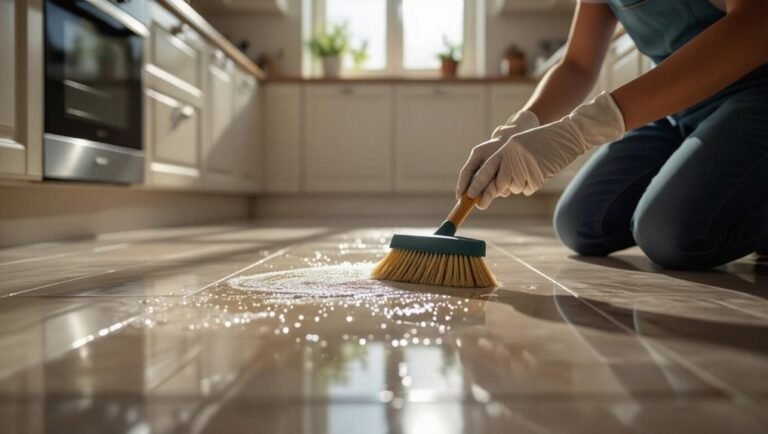
How to Clean a Basement Floor Drain That’s Slow or Smelly
You can fix a slow or smelly basement floor drain by removing the grate, clearing visible debris, and flushing with hot water. Use a plunger or plumber’s snake to break up deeper clogs, then scrub the trap with a brush and an enzyme cleaner or baking soda and vinegar. Rinse thoroughly and refill the trap to block sewer gas. Wear gloves and ventilate the area, and keep going to learn troubleshooting, maintenance, and when to call a plumber.
Quick Answer How to Fix a Slow or Smelly Basement Floor Drain
If your basement drain is slow or smells, start by removing the grate and clearing visible debris.
Then flush with hot water and a mixture of baking soda and vinegar.
Use a plunger or drain snake to break up deeper clogs, and rinse again to wash residue away.
If odors or backups persist, call a plumber to inspect traps and vents.
Short, actionable summary (what to do in 3“5 steps)
Start by clearing the visible debris from the grate.
Remove the cover, pull out gunk, and flush with hot water.
Use a plumbing snake or wire to break clogs, then flush again.
Pour a cup of baking soda followed by vinegar, wait, then flush with hot water.
Repeat if needed.
This answers how do you clean a basement floor drain quickly and safely.
Understanding Basement Floor Drains
Your basement floor drain is the low point where water exits, and it usually comes as a simple grate over a P-trap or as a channel/linear drain.
You’ll see clogs from hair, sediment, and debris, or smell problems when the trap dries out, biofilm builds up, or sewer gas backs up.
Understanding these types and causes helps you pick the right cleaning and prevention steps.
What a basement floor drain is and common types
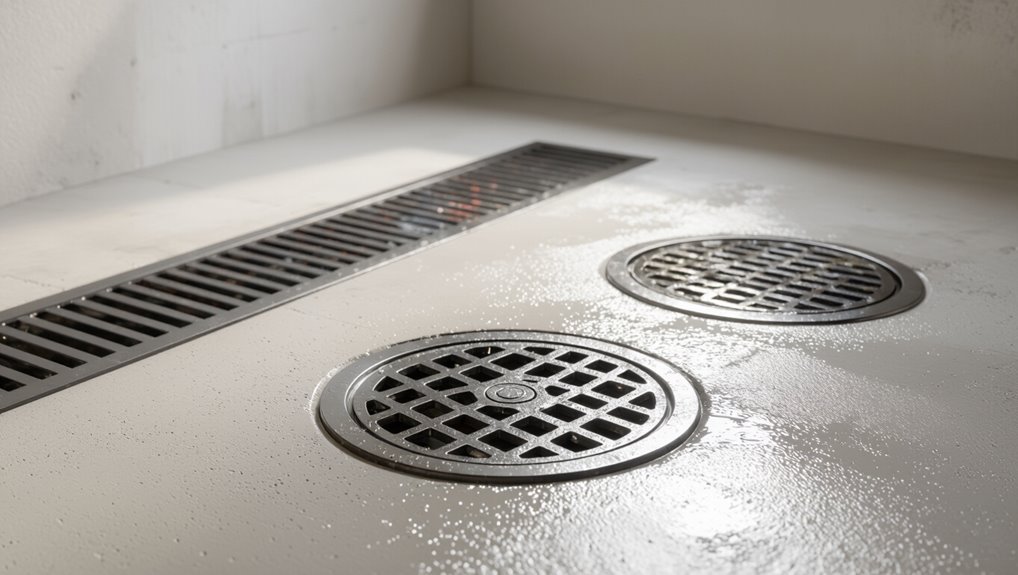
A basement floor drain is a low-profile plumbing fixture that collects water from showers, laundry, condensation, and occasional spills, then channels it into your home’s drain or a sump system.
You’ll find clamped grate, removable basket, and trap-primed designs. Some are floor-level with screeded covers; others sit in recessed pans.
Pick based on traffic, debris size, and whether a trap primer’s present.
Why drains get slow or smelly (causes: clogs, trap dry-out, biofilm, sewer gas)
Because basement drains sit unused or handle messy water, they can slow or smell for a few common reasons you’ll want to know:
clogs from hair, lint, grease, or debris restrict flow;
trap dry-out lets sewer gas in;
biofilm of bacteria and grime creates odors and slimy buildup;
damaged or missing seals let sewer gas escape.
Regular cleaning prevents these issues.
Safety and Tools Checklist
Before you start, make sure you’re protected with proper PPE, good ventilation, and safe handling for any chemicals you use.
Gather the basic tools and supplies—gloves, goggles, a drain snake or plunger, bucket, and cleaning agents—so you won’t be running back and forth.
If the backup is severe or you suspect a sewer-line problem, call a professional instead of risking damage or injury.
Personal safety precautions (PPE, ventilation, handling chemicals)
When you’re working on a basement floor drain, protect yourself with the right personal protective equipment, good ventilation, and careful handling of cleaning chemicals to prevent injuries and exposure.
Wear gloves, eye protection, and a respirator or mask when using strong cleaners. Open windows or run fans.
Never mix chemicals, read labels, and keep children and pets away. Dispose of waste safely.
Tools and supplies you’ll likely need
If you’re about to tackle a basement floor drain, gather the right tools and supplies so the job goes smoothly and safely.
You’ll want items for clearing, cleaning, and protecting yourself.
- Plunger, drain snake, or wet/dry shop vacuum for clogs
- Rubber gloves, safety goggles, and a mask for protection
- Bucket, scrub brush, and enzyme cleaner for residues and deodorizing
When to call a professional (severe backup, sewer line issues)
You can handle most minor clogs and routine cleaning with the tools listed, but some problems need a pro.
Call a licensed plumber if water repeatedly backs up, drains emit sewage odors, multiple fixtures are affected, or cleanouts show blockages.
Also contact a professional for suspected sewer-line damage, tree-root intrusion, or if you’re unsure—avoiding DIY mistakes can prevent costly repairs and health risks.
Quick Diagnostic Steps (How to Identify the Problem)
Start with a close visual inspection and basic checks for debris, standing water, or signs of leaks.
Smell the area to help distinguish sewer gas, moldy odors, or simple stagnant water.
Then run simple tests—pour water to check the trap, try a quick plunge, and flush with a hose to see if flow is restored.
Visual inspection and basic checks
Before you touch anything, take a close look at the drain and surrounding floor to spot obvious signs of trouble: standing water, discoloration, cracking, foul odors, or debris buildup.
Check the grate for hair, sediment, or root intrusion.
Run a small water test to gauge flow, note slow drainage or gurgling, and inspect nearby piping access points for leaks or corrosion.
Smell assessment distinguishing sewer gas vs. mold vs. stagnant water
Wondering whether that basement smell is sewer gas, mold, or just stagnant water?
Sniff near the drain, vents, and walls: sewer gas smells sulfuric or rotten-egg and may appear intermittently; mold smells musty, damp, and lingers around porous materials; stagnant water smells sour, less sharp, and centers on the drain.
Note intensity, location, and when it occurs to guide next steps.
Simple tests: water trap test, plunge test, hose flush
Run three quick, low-effort checks to pinpoint what’s wrong: the water-trap test tells you if the drain seal has dried out, a plunge test reveals clogs near the trap, and a fast hose flush shows whether debris is being swept through or backing up.
Fill the trap, watch for gurgling or odor, plunge firmly, then flush with a hose; note flow or reversal.
Step-by-Step Cleaning Procedure
Start by removing the cover and clearing any visible debris so you can see the trap.
Then use a plumber’s snake or auger and manual tools like brushes and grabbers to break up and pull out trapped gunk.
Finish by flushing with hot water and detergent or an enzyme cleaner, then disinfecting and deodorizing safely using vinegar, baking soda, or a diluted bleach solution with proper precautions.
Step 1 Remove cover and clear visible debris
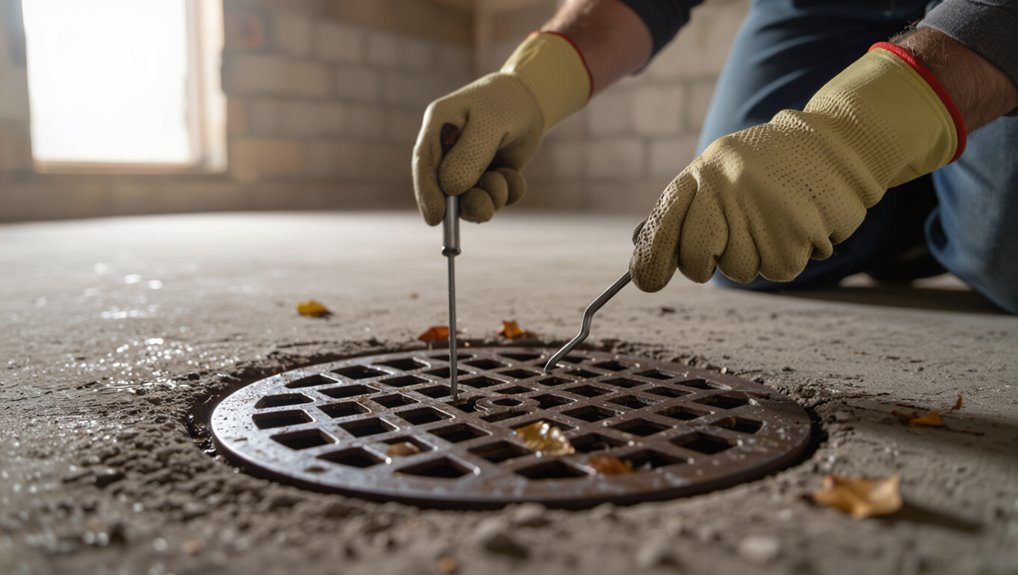
Pull off the drain cover and set it aside, then remove any hair, lint, or visible gunk by hand or with gloves and a small brush.
Check the grate edges and the immediate cavity for trapped debris, towels, or solids.
Use a flashlight to spot buildup, drop a disposable wipe or paper towel to collect mess, and dispose of it in a trash bag.
Step 2 Mechanical cleaning: use a plumber’s snake / drain auger
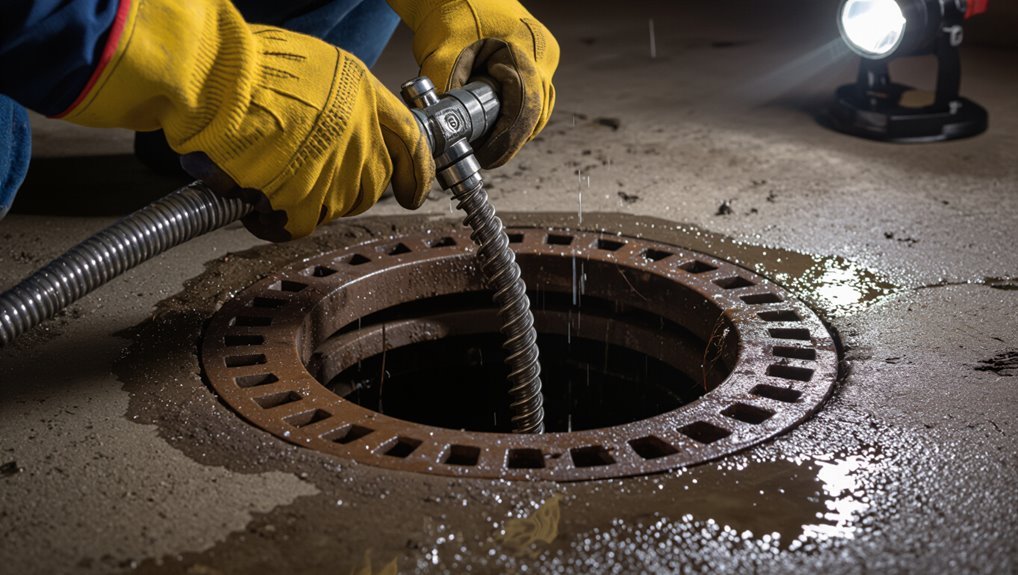
Feed the snake into the drain slowly while you crank the handle, letting the auger’s coil seek out clogs without forcing it.
Push until you feel resistance, then rotate to break or hook debris.
Retract steadily, wiping the cable as it comes out.
Repeat until the cable advances freely.
Flush with water to confirm flow, and replace the cover when finished.
Step 3 Manual cleaning: grab tools, brushes, and removing trapped gunk
Gather your gloves, a stiff-bristled brush, a small hand-held scoop or flathead screwdriver, a bucket, and a few rags—then you’re ready to remove the gunk that the auger couldn’t reach.
Pry up the grate, scoop slimy debris into the bucket, scrub the drain walls and trap lip, wipe loose residue with rags, and inspect with a flashlight.
Repeat until water flows freely.
Step 4 Flush with hot water and detergent or enzyme cleaner
Now flush the drain with hot water and a cleaning agent to break down remaining grime and odors.
Pour several liters of near-boiling water slowly—if pipes allow—while running a stiff brush or drain snake to dislodge debris.
Follow with a detergent or enzyme cleaner per label directions, let it sit to digest organic buildup, then rinse thoroughly with more hot water.
Step 5 Disinfecting and deodorizing safely (vinegar, baking soda, diluted bleach precautions)
Before you disinfect, make sure the drain and surrounding area are free of visible debris and any cleaning residues you already rinsed out; this lets disinfectants work effectively and reduces chemical reactions.
Use vinegar or a baking soda-vinegar fizz for mild deodorizing, then rinse.
If using diluted bleach, ventilate, wear gloves and never mix with acids.
Dispose of solutions safely.
Step 6 Re-test flow and smell
With the disinfectant rinsed away and surfaces dry, it’s time to check that the drain is actually working and that odors are gone.
Pour a steady bucket of water, watch the flow and listen for gurgles.
Sniff nearby and inside the drain; if smell returns, repeat cleaning or pour enzyme cleaner.
Note progress and schedule routine checks to prevent recurrence.
Alternative and Advanced Methods
If a basic snaking doesn’t clear the trap, you can try a wet/dry vacuum to extract standing water and loose debris.
For stubborn, deep blockages you may need a professional hydro-jetting service to blast away buildup safely.
Be cautious with chemical drain cleaners—they can damage pipes and plumbing fixtures, so consider safer enzyme-based products or professional help instead.
Using a wet/dry vacuum to extract clogs
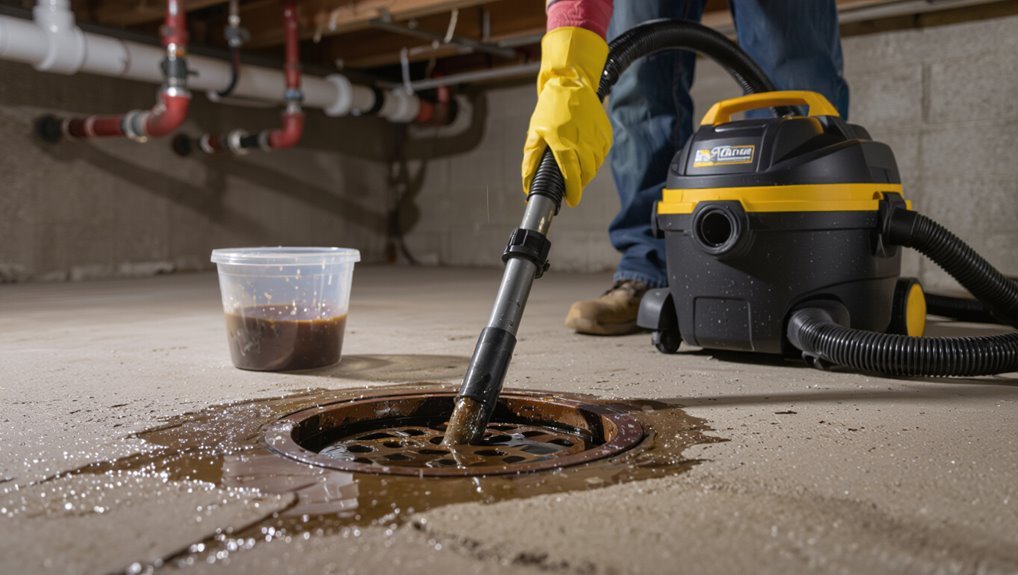
Grab a wet/dry vacuum and seal the drain as tightly as you can; this method can often pull up sludge and small obstructions that snaking misses.
Attach the hose, set to liquid mode, and start on low suction. Work in short bursts, checking and emptying the tank.
Sanitize the drain afterward, and wear gloves and eye protection while you extract debris.
Hydro-jetting: when and why (professional service)
When a wet/dry vacuum and snake can’t clear heavy buildup, hydro-jetting offers a more powerful option performed by professionals. You’ll hire a licensed crew to blast high-pressure water through pipes, removing scale, roots, and grime safely. Expect inspection, permits if needed, and higher cost but long-lasting results.
| Benefit | When to choose | Notes |
|---|---|---|
| Effective | Severe buildup | Requires pros |
| Fast | Recurrent clogs | Minimal follow-up |
| Thorough | Root intrusion | Prevents backups |
Chemical drain cleaners: risks, when to avoid them, safer options
Although chemical drain cleaners can dissolve clogs quickly, they carry real risks you should know about.
You shouldn’t mix products or use them after a recent mechanical attempt—reactions can cause burns or toxic fumes and damage pipes.
Avoid them for old, plastic, or corroded plumbing and near sewage lines.
Instead, try enzyme cleaners, a plumber’s snake, or call a professional for safer results.
Troubleshooting Common Scenarios
If you still smell sewage after cleaning, check for trapped debris in the trap or a dry P-trap and try a deep rinse or enzyme treatment.
If the drain clears briefly but slows again, you’re likely facing a deeper obstruction that may need a plumbing snake or professional hydro-jetting.
And if you hear gurgling or spot signs of backup, stop using the drain and call a plumber—those point to main-line problems.
Persistent odor after cleaning likely causes and fixes
Because the drain still smells after you clean it, you’ll want to contemplate a few common causes that standard cleaning missed.
Check the trap seal—evaporation or a clogged P-trap lets sewer gas through.
Inspect the drain cover, nearby floor cracks, and hidden Biofilm in the trap or pipe walls.
Use enzyme cleaners, brush the trap, flush with hot water, and reseal cracks or gaskets.
Slow drain after temporary improvement identifying deeper blockages
When your basement drain clears briefly after cleaning but then slows again, you’re likely dealing with a deeper partial blockage or a break farther down the line that simple scrubbing didn’t reach.
You should try a plumber’s auger to reach farther, run a camera inspection if available, and avoid harsh chemicals that can worsen pipe damage.
Call a pro if flow doesn’t improve.
Gurgling noises or sewer backup signs of main line issues
Although a gurgling drain might seem like a minor nuisance, it often signals a serious problem in the main sewer line—air trapped by a partial blockage or a backing sewer will make water and waste flow irregularly and can lead to backups into your basement.
If you hear gurgles or see sewage odors, stop using water, check nearby fixtures, and call a plumber to inspect and clear the main line.
Common Mistakes to Avoid
Don’t overuse harsh chemicals — they can corrode pipes and kill beneficial bacteria.
Use a drain snake carefully, or you could crack the trap or push debris further in.
And don’t ignore trap seals and vents, since dry traps or blocked vents can let sewer gas in or prevent proper drainage.
Overuse of harsh chemicals
Because strong cleaners can damage pipes and harm your health, don’t reach for harsh chemicals as your first fix for a clogged basement drain.
They can corrode seals, kill beneficial bacteria in traps, and create dangerous fumes.
Try mechanical cleaning, hot water, or enzyme breakers first.
If you must use chemicals, follow label instructions, ventilate, and avoid mixing products to prevent toxic reactions.
Improper snake use causing damage
If harsh chemicals aren’t the fix, you might reach for a drain snake—but using one wrong can do more harm than good.
Push the cable gently, avoid forcing it past resistance, and don’t spin it aggressively. You can damage pipes, dislodge seals, or scratch finishes.
Use the right-size snake, keep steady control, and stop if you meet stubborn blockage beyond your skill.
Ignoring trap seals and vents
When you skip checking trap seals and vents, you’re inviting odors, slow drains, and sewer gas into the basement; those components control water barriers and air pressure, so failing to maintain them undermines the whole system.
Check traps for dry seals and refill with water or mineral oil.
Inspect vent pipes for clogs or obstructions and clear them to restore airflow and proper drainage.
Prevention and Best Practices
Set up a simple routine maintenance schedule so you check and clear the drain regularly.
Get into small habits—use a screen for debris, test the trap primer, and rinse the drain after messy work—to cut clogs and odors.
Also do seasonal checks and winterize the drain to prevent freeze damage and unexpected backups.
Routine maintenance schedule
Anyone can stay ahead of clogs by following a simple, regular maintenance schedule for your basement floor drain.
You should inspect, clean, and deodorize on a predictable cadence so problems don’t escalate. Keep a log and act promptly when you spot slow flow or smells.
- Inspect annually for debris and odor sources
- Flush and brush quarterly
- Note dates and actions in a log
Simple habits to reduce clogs and odors (screening debris, trap primer)
While small, consistent habits make a big difference, you can cut down on clogs and odors by preventing debris entry and keeping the trap primed.
Fit a removable screen or grate, clear hair and dirt after use, and avoid pouring grease.
Check a trap primer or add a simple automatic primer to maintain the water seal so sewer gas can’t backflow.
Seasonal checks and winterizing tips for basement drains
Because seasonal temperature swings and storm patterns change how your basement drains perform, you should inspect them at least once each season and prep them before winter hits.
Check grates, clear debris, test traps for water seals, and run water through drains to confirm flow.
Add insulation to exposed pipes, secure exterior cleanouts, and keep gutters/downspouts directing water away from the foundation.
Cost and Time Estimates
For a basic DIY clean, you can expect to spend 30–90 minutes and under $30 for supplies like a plumber’s snake, brush, and gloves.
Hiring a pro typically runs $100–$350 for a service call and more if major repairs or camera inspection are needed.
If the clog’s stubborn, recurring, or you suspect sewer-line problems, it’s usually worth bringing in a professional.
Typical DIY time and cost ranges
Most DIY basement floor drain cleanings take 30 minutes to 2 hours, depending on how clogged the drain is and whether you need to pull up a grate or remove standing water. You’ll usually spend $0–$40 on basic tools and cleaners; tougher jobs need extra parts.
| Task | Time | Typical cost |
|---|---|---|
| Light clean | 30–45 min | $0–$15 |
| Moderate | 45–90 min | $10–$40 |
| Deep clean | 1–2 hrs | $20–$40 |
Professional service cost ranges and when it’s worth hiring pros
When a DIY job feels beyond your tools or patience, hiring a pro can save time and prevent costly mistakes.
Expect basic drain clearing to run $100–$300; camera inspections or snaking for deep clogs can reach $250–$600.
Call a plumber if you have recurring backups, sewer odors, collapsed lines, or mold—it’s cheaper long‑term than repeated fixes or structural damage.
FAQ
Got questions about odors, chemicals, or how often to service your drain?
You’ll learn how to recognize sewer gas, whether bleach or drain cleaners are safe, why a dry trap matters, how often to maintain the drain, and what warning signs point to a blocked main sewer line.
Keep reading for clear, practical answers.
How can I tell if the smell is sewer gas?
How can you tell if that musty, rotten-egg odor is sewer gas? Check for persistent sulfur or sewage scent near drains, especially when no water is running.
Notice gurgling toilets, slow drains, or multiple fixtures affected—those suggest a venting or trap issue.
If the smell returns after pouring water into traps, you likely have sewer gas entering from a dry trap, leak, or broken seal.
Is it safe to pour bleach or drain cleaner down the basement floor drain?
If you suspect sewer gas or persistent odors coming from a floor drain, you might wonder whether pouring bleach or commercial drain cleaners will help — and whether that’s safe.
Don’t pour harsh chemicals down floor drains: they can damage pipes, kill beneficial bacteria in traps, create toxic fumes, and react dangerously with other residues.
Use enzyme cleaners, hot water, or consult a pro for stubborn clogs.
How often should I maintain my basement floor drain?
When should you check your basement floor drain? Check it monthly for debris, odors, or slow draining.
Clear visible hair, sediment, and gunk, and run water to confirm the trap stays filled.
Inspect after heavy rains, renovations, or if the sump runs frequently.
Schedule a deeper cleaning and professional inspection yearly to prevent buildup and plumbing issues.
Can a dry floor drain cause sewer gas in my basement?
You checked the drain regularly for debris and ran water to keep the trap filled, but a dry floor drain can still let sewer gas into your basement.
If the trap dries, odors travel up the pipe.
Pour water or a mixture of water and a little vinegar into the drain routinely, or install a trap primer or cover to maintain the seal and prevent smells.
What are signs that the main sewer line is blocked?
How can you tell the main sewer line is blocked? Watch for multiple fixtures backing up or slow drains throughout the house, gurgling from drains or toilets, and sewage odors that don’t go away.
These signs often mean a main-line issue — call a plumber if you see:
- Multiple drains backing up
- Persistent gurgling noises
- Constant sewer smell