How to Clean a Floor Fan Properly Without Breaking the Blades
Unplug the fan, remove the grille, and support each blade while you dust with a soft brush or compressed air so you don’t bend them. Use a microfiber cloth dampened with mild soapy water for grime, wiping gently and keeping moisture away from the motor. Dry blades thoroughly before reassembling and avoid overtightening screws. Clean regularly to maintain balance and efficiency, and continue for tips on blade-specific care, balancing, and when to replace parts.
Can You Clean a Floor Fan Without Breaking the Blades?
You can clean a floor fan without damaging the blades by following a few careful steps.
Start by unplugging the fan and removing the grill.
Then wipe the blades with a soft cloth and mild cleaner.
Reassemble once everything’s dry and check that the blades spin freely.
Short step-by-step summary
Handle the blades gently to avoid bending or cracking them while you clean.
Follow this short step-by-step summary so you know how to clean a floor fan safely:
- Unplug and disassemble the grill gently.
- Dust blades with a soft brush.
- Wipe with a damp microfiber cloth and mild detergent.
- Reassemble, dry fully, and test at low speed.
Why Cleaning a Floor Fan Properly Matters
Keeping your floor fan clean boosts its performance, improves the air you breathe, and helps it last longer.
If you clean it improperly you can bend or crack blades, harm the motor, or create safety hazards.
Follow correct steps so you get the benefits without causing damage or risk.
Benefits of cleaning (performance, air quality, lifespan)
Efficiency matters: a clean floor fan moves more air with less strain, so it cools your room faster and uses less energy.
You’ll notice stronger airflow, quieter operation, and fewer odors as dust and allergens are removed.
Regular cleaning preserves motor health and extends the fan’s lifespan, reducing repair or replacement needs and keeping your indoor air fresher and healthier for everyone.
Risks of improper cleaning (blade damage, motor issues, safety hazards)
Although cleaning a fan seems simple, doing it the wrong way can cause real damage and safety risks.
If you bend or crack blades they’ll wobble and strain the motor, shortening its life. Excess moisture or debris can short circuits or clog vents.
Improper reassembly can loosen guards or fasteners, creating flying-part hazards.
Clean carefully, dry fully, and follow manufacturer steps.
Basic Understanding Parts of a Floor Fan You Need to Know
Before you start cleaning, you’ll want to know the basic fan types—oscillating and tower-style models differ from the traditional cage floor fan in shape and access.
Check the key components you’ll clean: the blades, grille or cage, motor housing, and the oscillation mechanism. Knowing where each part is and how it moves makes the cleaning process safer and more effective.
Common fan types (oscillating, tower-style vs cage floor fan)
Fans come in a few common shapes you’ll see around the house—oscillating floor fans, sleek tower models, and classic cage-style units—and each has different cleaning needs and parts you should know. You’ll approach filters, grills, and assembly differently depending on size and access. Use this quick comparison to decide how to clean each safely:
| Type | Access | Typical cleaning task |
|---|---|---|
| Oscillating | Easy | Wipe blades/grille |
| Tower | Narrow | Vacuum vents |
Key components: blades, grille/cage, motor housing, oscillation mechanism
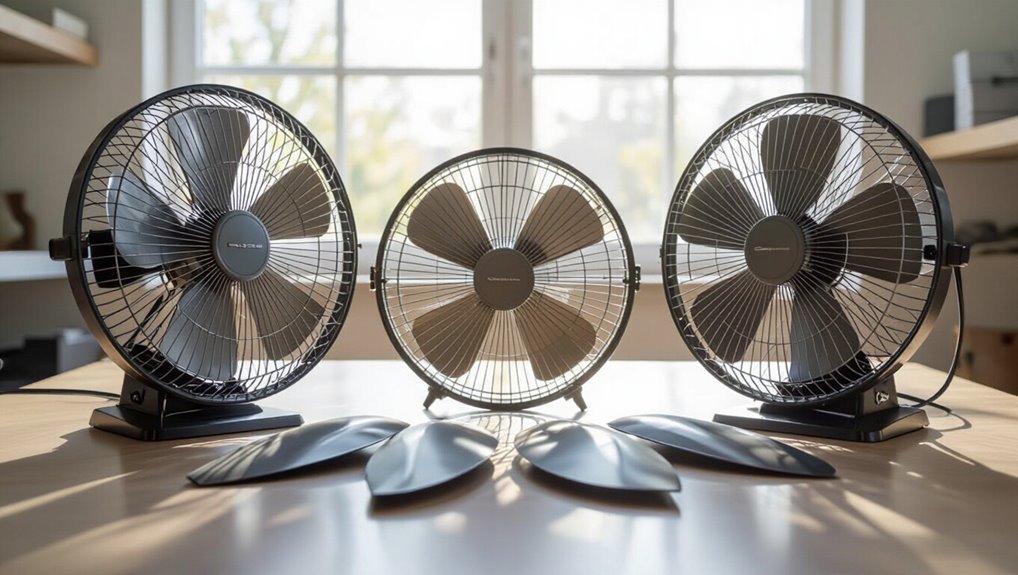
Think of a floor fan as four working parts you’ll want to inspect and clean: the blades that move air, the grille or cage that protects them, the motor housing that contains the drive, and the oscillation mechanism that turns the head.
You’ll wipe blades gently, remove dust from the grille, keep moisture away from the motor housing, and lubricate or check the oscillation mechanism for smooth movement.
Preparation Before You Start
Before you begin, gather tools like a screwdriver, soft brush, microfiber cloths, mild detergent, and a basin for parts.
Unplug the fan, wear gloves and eye protection if needed, and choose a well-ventilated, flat workspace to keep small pieces from getting lost.
Decide whether you can clean the grille and blades in place or need full disassembly based on how dirty the fan is and the manufacturer’s instructions.
Tools and supplies needed
Gather a few basic tools and supplies so you can clean your floor fan quickly and safely: a screwdriver (usually Phillips), a soft brush or microfiber cloth, mild dish soap, warm water, a spray bottle or bowl, cotton swabs for tight spots, and a vacuum with a brush attachment or compressed air for dust removal.
- Screwdriver set
- Soft cloths/brushes
- Soap and water
- Vacuum or compressed air
Safety precautions (unplugging, protective gear, working area)
With your tools ready, take a moment to prepare a safe workspace and protect yourself.
Unplug the fan and confirm power is off. Work in a well-lit, ventilated area with a towel or drop cloth to catch debris.
Wear gloves and safety glasses to guard against dust and sharp edges.
Keep children and pets away until the job’s done.
When to fully disassemble vs clean in place
Decide whether to take the fan apart or clean it as-is by checking how dirty and how accessible the components are.
If grime’s light and blades, grill, and motor housing are reachable, clean in place.
If dirt’s caked, odor’s persistent, or wiring/mounts need inspection, disassemble.
Balance effort, risk, and warranty concerns; only proceed if you’re comfortable and have the right tools.
Step-by-Step Cleaning Process (Safe Method to Avoid Breaking Blades)
First, you’ll power the fan down, unplug it, and remove the grille so you can access the blades safely.
Then stabilize the fan and use dry methods like a soft brush, compressed air, or a microfiber cloth before moving on to gently wash with a properly diluted cleaner.
Throughout, clean each blade carefully to remove grime without bending or cracking it.
Step 1 Power down and remove the grille
Turn off the fan and unplug it before you do anything else to eliminate any risk of it starting while you work.
Let the motor cool a few minutes.
Use a screwdriver or release clips to remove the front grille, keeping screws in a container.
Gently pull the grille free, set it aside, and avoid touching the blades until you’ve secured the unit.
Step 2 Secure the fan and stabilize the blades
1. Before touching blades, unplug the fan and set it on a flat, stable surface.
Use a towel or rubber mat under the base to prevent slipping.
Hold the motor housing or secure the grille frame while you steady each blade with one hand; don’t grip blade tips.
If the fan tilts, adjust angle locks or tighten screws so blades stay fixed during cleaning.
Step 3 Dust removal: dry methods (brush, compressed air, microfiber)
Now you’ll remove loose dust using dry tools that won’t stress the blades: a soft brush, compressed air, or a microfiber cloth.
Brush gently along blade edges and motor housing, working outward. Use short bursts of compressed air from a safe distance to dislodge trapped particles.
Finish by wiping each blade with a microfiber cloth, supporting the blade with your other hand to prevent flexing or twisting.
Step 4 Wet cleaning: safe cleaners and proper dilution
After removing loose dust, you’re ready to use damp cleaning—this removes grime that dry tools can’t lift without risking blade damage.
Mix mild dish soap with warm water (about a teaspoon per quart) or use a 50/50 white vinegar solution for mineral buildup.
Test on a hidden spot, wring cloths well to avoid drips, and rinse with a damp, clean cloth.
Step 5 Cleaning the blades without bending or cracking
Handle the blades gently and deliberately to avoid bending or cracking them: support each blade near the hub with one hand while you wipe with a soft, damp microfiber or sponge in the other, moving from the hub outward to the tip to lift debris without twisting.
Use light pressure, rinse or replace cloth often, dry blades fully, and inspect edges for damage before reassembling.
Step 6 Cleaning the grille, stand, and motor housing
Step 6 focuses on cleaning the grille, stand, and motor housing so you finish the fan without risking damage to the blades; work systematically from outside to in—grille first, then stand, then housing—so you don’t recontaminate cleaned parts.
Remove and soak the grille if detachable, scrub with a soft brush, wipe the stand with a damp cloth, and gently dust the motor housing without letting water enter vents.
Step 7 Rinse, dry, and inspect for damage
Dry off each part thoroughly and inspect everything for cracks, warping, or loose fittings before you reassemble the fan.
Rinse removable components with clean water, shake out excess, and towel-dry or air-dry on a clean rack.
Wipe the motor housing carefully with a damp cloth, then verify all pieces are fully dry.
Replace any damaged parts before moving on.
Step 8 Reassembly and test run
Start by arranging your workspace so you can reassemble the fan in the reverse order of disassembly, keeping screws and small parts grouped and within reach.
Reattach blades, guard, and hardware snugly but don’t overtighten. Reconnect wiring or clips securely.
Place the fan upright, plug it in, and run at low speed first to check balance and noise. Gradually increase speed if everything’s stable.
Alternative Methods for Different Fan Materials and Designs
If your fan has plastic blades you’ll use milder cleaners and softer cloths, while metal blades can handle stronger degreasers and a bit more elbow grease.
For oscillating and pedestal fans, you’ll also check and protect the pivot and motor housing as you clean to avoid forcing moving parts.
With portable, tower, or sealed units you’ll limit cleaning to exterior vents and follow manufacturer guidance since internal access is often restricted.
Plastic blades vs metal blades technique differences
Because plastic and metal fan blades respond differently to moisture, cleaners, and pressure, you’ll want to adjust your approach for each material.
For plastic blades, use mild soap, lukewarm water, and soft cloths to avoid warping or scratching; avoid solvents.
For metal blades, you can tolerate stronger cleaners and gentle scrubbing for corrosion, then dry thoroughly to prevent rust.
Handle plastic more gently.
Oscillating and pedestal fans extra care points
Having adjusted your technique for plastic versus metal blades, you’ll also need to account for the moving parts and height adjustments found on oscillating and pedestal fans.
Lock the oscillation, remove the head if possible, and support adjustable poles before cleaning.
Avoid saturating motors or joints; use damp cloths and compressed air for crevices.
Reassemble only when everything’s dry and moving parts are lubricated.
Portable/tower fans and sealed units cleaning limitations
When you tackle portable, tower, or other sealed fans, remember they’re designed to keep dust out of the motor and internal blades, so you can’t disassemble them the way you’d a traditional box or pedestal fan.
Use a soft brush, microfiber cloth, and compressed air for vents.
Vacuum exterior grilles, wipe with mild detergent, and never soak or force-open sealed housings.
Common Mistakes That Break Blades or Damage Fans
Don’t use excessive force or the wrong tools, because you can crack blades or bend mounts in a heartbeat.
Avoid harsh chemicals and solvents that eat plastics or strip finishes.
And don’t rush reassembly or put parts back on wet—improper drying and loose fittings cause wobble or electrical trouble.
Using excessive force or improper tools
If you pry, yank, or use tools that aren’t meant for the job, you can easily crack blades, bend grills, or strip fasteners—often making a cheap repair impossible.
Use the right screwdriver sizes, spring clamps, and soft-edged tools. Apply gentle pressure, loosen stubborn screws with penetrating lubricant, and support blades while removing guards.
Stop if resistance feels unusual to avoid permanent damage.
Harsh chemicals and solvent risks
Many common solvents will melt, discolor, or weaken plastic and rubber parts, so you should avoid strong chemicals like acetone, paint stripper, and undiluted bleach when cleaning a fan.
Use mild soap, diluted vinegar, or isopropyl at low concentration. Test on a hidden area first.
Harsh cleaners can warp blades, degrade seals, and corrode metal, shortening your fan’s lifespan.
Rushing reassembly or failing to dry components
When you rush reassembly or put parts back while they’re still damp, you can trap moisture that promotes corrosion, foul bearings, or warp plastic blades—issues that quickly shorten your fan’s life.
You should fully dry parts before reassembling and follow this quick checklist:
- Air-dry blades completely.
- Wipe metal contacts dry.
- Let motor housing ventilate.
- Inspect seals and fasteners.
Prevention and Maintenance Tips to Keep Blades Intact
How often you clean depends on where the fan lives—every 1–2 weeks in dusty or pet-filled spaces, and every 1–3 months in cleaner rooms.
Get into quick habits like weekly dusting and periodic filter or grille checks to catch buildup before it stresses the blades.
When you store the fan for a season, dry it thoroughly and keep it covered in a cool, dry place to prevent warping or corrosion.
Recommended cleaning frequency by environment
Regularly adjusting your cleaning schedule to match the environment will keep blades intact and airflow efficient.
If you live in a dusty area or have pets, deep-clean monthly and inspect for grit weekly.
In low-dust, climate-controlled homes, clean thoroughly every three months.
Humid or coastal locations need monthly checks for corrosion and salt buildup to prevent blade damage.
Quick maintenance habits (weekly dusting, filter checks)
If you live in a dusty home or have pets, monthly deep-cleans and weekly grit checks are a good baseline—but keeping blades intact also comes down to small weekly habits.
Wipe grills and blades with a microfiber cloth, vacuum vents, and inspect screws and guards for looseness.
Replace or clean any mesh filters, and run the fan briefly after maintenance to listen for unusual noises.
Storage and seasonal care to prevent warping or corrosion
When you pack your fan away for the season, clean and dry every part first so moisture won’t cause corrosion or warping; remove dust, wipe blades with a mild detergent, dry thoroughly, and loosen any tensioned knobs or straps to prevent stress on plastic components.
Store it upright in a cool, dry place, cover with breathable fabric, avoid heavy stacking, and check annually for rust or cracks.
When to Call a Professional or Replace the Fan
If your fan makes grinding noises, wobbles despite balancing, or the blades look warped or cracked, you should consider professional help because the motor or blade integrity may be compromised.
Compare the cost of a repair or replacement parts to buying a new unit—if repairs approach half the price of a new fan, replacement is usually smarter.
A technician can confirm motor issues and give a repair estimate so you can decide.
Signs the motor or blades are compromised
Sometimes you’ll notice signs that go beyond routine cleaning and mean the motor or blades may be failing. If the fan hums loudly, wobbles despite secure blades, emits burning smells, trips breakers, or slows under no-load conditions, stop using it.
Visible blade cracks, bent fins, or oil leaks also indicate damage. Those signs mean you should consult a professional or replace the unit.
Cost vs repair considerations
Noticing damage or electrical issues means you need to weigh repair costs against replacement. You should compare labor, parts, age, and safety. If repair exceeds half the fan’s value or safety’s uncertain, replace it. Otherwise, seek a technician.
| Factor | Consideration |
|---|---|
| Age | Older fans cost more to fix |
| Parts | Availability matters |
| Safety | Electrical risks |
| Cost | Labor vs value |
Tools, Cleaners, and Materials Buying Guide
Before you start, gather the right tools: a soft-bristled brush, microfiber cloths, and a can of compressed air for tight spaces.
You’ll also want safe cleaners—gentle DIY mixes like dish soap and water or a mild vinegar solution, or reputable commercial fan/household cleaners.
I’ll list the best brushes, microfiber types, and recommended compressed-air brands next, plus clear recipes and product picks.
Best brushes, microfibers, and compressed air cans
Good tools make cleaning a floor fan quicker and more effective, so you’ll want a few purpose-built brushes, a set of microfiber cloths, and at least one can of compressed air on hand.
Choose soft-bristled brushes for blade edges, a narrow crevice brush for grills, lint-free microfibers in varying sizes, and a low-pressure, electronics-safe compressed air can to dislodge dust without bending blades.
Safe cleaning solutions (DIY recipes and commercial products)
Now that you’ve picked the right brushes, cloths, and compressed air, you’ll need cleaning solutions that remove grime without damaging plastic, metal, or motor components.
Use mild, nonabrasive options and keep liquids away from the motor. Consider:
- Diluted dish soap (gentle, effective)
- White vinegar solution (degreaser, 1:1 with water)
- Isopropyl alcohol (electronics-safe)
- Commercial plastic-safe cleaner
FAQ Common Questions About Cleaning Floor Fans
You’ll find answers to common concerns like how often to deep-clean your fan and whether bleach or alcohol are safe for the blades.
I’ll also cover why you shouldn’t use a pressure washer or hose, what to do about cracked or warped blades, and simple ways to balance blades after cleaning.
Keep reading for practical, safety-focused tips you can use right away.
How often should I deep-clean my floor fan?
How often you should deep-clean your floor fan depends on how much you use it and where it lives; as a rule, aim for a thorough deep-clean every 2–3 months for regular use and every month if you run it daily in dusty or pollen-prone environments.
Between deep-cleans, dust grilles and blades lightly every 1–2 weeks, and check motor vents monthly to maintain airflow and prevent buildup.
Can I use bleach or alcohol to clean blades?
If you’ve been wiping your fan every few weeks, you might be wondering whether stronger cleaners like bleach or rubbing alcohol will do a better job on the blades.
You can use diluted bleach for stubborn mold—mix 1 tablespoon per quart water—and isopropyl alcohol for grease spot cleaning.
Always unplug, remove blades, test a small area, rinse, and dry thoroughly before reassembling.
Is it safe to use a pressure washer or hose?
Wondering whether you can blast your floor fan with a pressure washer or hose? Don’t. High-pressure water can warp plastic blades, force moisture into motor housings, and strip protective coatings.
A gentle garden hose on low or a damp cloth is safer for exterior parts, and always unplug and remove the grille and blades before rinsing to avoid damage and electrical risk.
What if a blade is already cracked or warped?
When a blade’s cracked or warped, don’t keep using the fan—damaged blades can wobble, vibrate, and stress the motor or mounts.
Turn off and unplug the fan, inspect blade damage, and remove the blade if possible.
Replace cracked or warped blades with manufacturer parts or compatible replacements.
Don’t attempt permanent repairs with tape or glue; those can fail and create safety hazards.
How do I balance blades after cleaning?
How do you tell if your blades need balancing after cleaning? If the fan vibrates, wobbles, or makes unusual noise at medium-to-high speed, a blade’s weight is off.
Shut power, remove grille, and mark blade positions. Add small adhesive weights (balancing kit or tape) near edges, test, and adjust until wobble stops.
Tighten screws and recheck for smooth operation.