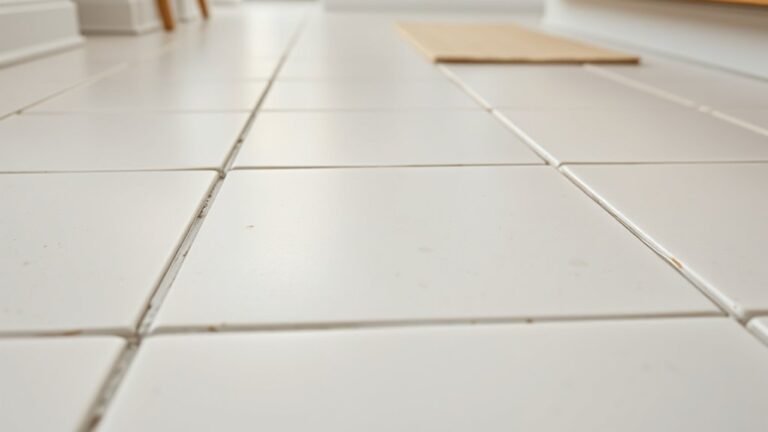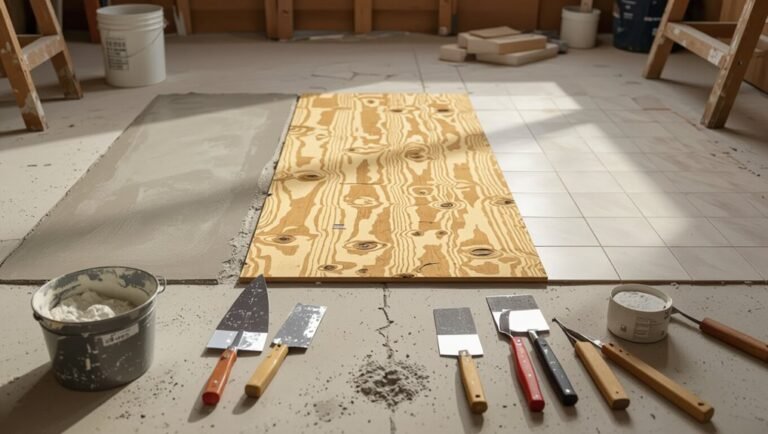
How to Clean LVT Floors and Keep Them Looking Brand New
You can keep LVT floors looking brand new by sweeping or vacuuming daily, spot-cleaning spills right away, and mopping weekly with a pH-neutral cleaner and a microfiber mop. Use soft tools, avoid harsh chemicals or excess water, and tackle scuffs with a microfiber cloth or melamine sponge. Protect high-traffic areas with mats and felt pads, control humidity, and test cleaners first. Follow these basics, and continue for deeper tips on stains, discoloration, and maintenance.
How to Clean LVT Floors and Keep Them Looking Brand New
To keep your LVT floors looking brand new, follow a simple routine of sweeping, mopping with a pH-neutral cleaner, and wiping up spills immediately.
You’ll want to avoid abrasive tools and harsh chemicals that can dull the finish.
With consistent care and the right products, your floors will stay bright and scratch-free.
Best Way to Clean LVT Floors (Summary)
When you want your LVT floors to look brand new, stick to a simple routine:
Sweep or vacuum daily, mop weekly with a manufacturer-approved cleaner diluted in warm water, and wipe up spills immediately.
For how to clean LVT floors, focus on gentle products, microfiber mops, avoid steam or abrasive tools, use felt pads on furniture, and address stains promptly to preserve finish and longevity.
Understanding LVT Floors
You’ll learn that Luxury Vinyl Tile (LVT) is a multi-layered, durable flooring option that mimics wood or stone.
Because its wear layer and finish affect cleaning and longevity, LVT needs specific care to avoid damage.
You’ll also see the common types and finishes so you can choose the right cleaning methods.
What Is Luxury Vinyl Tile (LVT)?
Luxury vinyl tile (LVT) is a durable, multi-layered flooring made to mimic natural materials like wood and stone while offering greater water resistance and easier upkeep.
You’ll find a wear layer that resists scratches, a printed design layer for realistic patterns, and a stable core for dimensional stability.
LVT installs as planks or tiles and suits high-traffic, moisture-prone areas.
Why LVT Needs Specific Care
Because LVT combines several delicate layers and a protective finish, it needs care that’s different from hardwood or ceramic—you can’t treat it like carpet or tile.
You should avoid harsh scrubbers, steam cleaning, and abrasive chemicals that can damage the wear layer or peel edges.
Regular gentle sweeping, damp mopping with pH-neutral cleaners, and prompt spill cleanup preserve appearance and prevent long-term damage.
Common Types and Finishes of LVT
When you’re choosing LVT, focus on both the construction type and the surface finish, since those determine durability, feel, and maintenance needs. You’ll find rigid core, flexible planks, advertised wear layers, and finishes like matte, semi-gloss, or embossing. Match type and finish to traffic, cleaning routine, and desired look to keep floors lasting and easy to care for.
| Type | Finish |
|---|---|
| Rigid core | Matte |
| Flexible | Semi-gloss |
| Click-lock | Embossed |
Tools and Supplies You Need
You’ll want a few basic tools—a soft-bristled broom or vacuum with a hard-floor setting, a microfiber mop, and gentle cleaning solutions—to keep LVT looking its best.
Learn which cleaners are safe (pH-neutral, no harsh abrasives or waxes) and which to avoid to prevent damage.
For stubborn grime or stains, consider optional items like a steam mop rated for LVT, a plastic scraper, or a targeted stain remover.
Recommended Cleaning Tools (Mops, Vacuums, Microfiber)
A few simple tools make LVT care faster and safer: a soft-bristle broom or vacuum with a hard-floor setting to remove grit, a microfiber mop for routine damp cleaning, and a gentle neutral cleaner for stubborn spots.
- Soft-bristle broom or hard-floor vacuum
- Microfiber flat mop
- Spin or spray mop with washable pads
- Soft-bristle dust mop for daily pickup
Safe Cleaning Products vs. Products to Avoid
Now that you’ve got the right tools, pick cleaners that protect the finish. Use gentle, pH-neutral solutions and water; avoid abrasive powders, waxes, oil-based soaps, and bleach.
Follow dilution instructions and test a hidden spot first.
- pH-neutral cleaner
- Damp microfiber mop
- No abrasive agents
- No waxes or bleach
Optional Products for Deep Cleaning and Stain Removal
When a routine mop won’t cut it, consider a few optional products that tackle deep grime and stubborn stains without harming your LVT finish.
Use a pH-neutral deep cleaner, an enzyme-based stain remover for organic spills, and a paste of baking soda and water for scuffs.
A soft-bristle brush helps agitate grime gently; avoid abrasive pads and harsh solvents.
Step-by-Step Cleaning Routine (Everyday to Deep Clean)
Keep a simple routine so your LVT looks great with minimal effort: quick daily sweeps and weekly mopping handle most dirt, while a monthly deep clean follows four clear steps—prep, sweep/vacuum, mop, and rinse.
For stubborn residue or worn finishes, plan an occasional restoration to strip buildup and recoat when the manufacturer allows.
I’ll walk you through each frequency and step next so you can pick the right level of care.
Daily and Weekly Maintenance Simple Quick Steps
A simple daily and weekly routine will keep your LVT looking fresh and prevent grime buildup.
You’ll stay on top of dirt with quick tasks that protect the finish.
- Sweep/vacuum high-traffic areas daily.
- Spot-clean spills immediately with a damp microfiber.
- Damp-mop weekly using manufacturer-approved cleaner.
- Use mats and felt pads to minimize wear and grit.
Monthly Deep Clean Step 1: Prep, Step 2: Sweep/Vacuum, Step 3: Mop, Step 4: Rinse
Since monthly deep cleaning removes grime that daily care can miss, start by prepping the room so you can work efficiently and protect surfaces.
Move furniture, dust baseboards, and test cleaners in a hidden spot.
Sweep or vacuum thoroughly, then mop with a manufacturer-approved solution.
Finish by rinsing with clean water and drying with a microfiber mop to prevent residue and streaks.
Annual or Occasional Deep Restoration Stripping Residue, Recoating When Applicable
After your monthly deep clean has removed built-up grime, plan for an annual or occasional restoration to strip old finish and recoat the LVT when wear or residue persists.
Test a small area first, use a manufacturer-approved stripper, rinse thoroughly, and let dry.
Apply recommended sealer or polyurethane in thin, even coats. Cure fully before foot traffic to prolong finish and prevent residue buildup.
Tackling Specific Issues and Stains
Now you’ll learn how to handle common LVT problems like scuffs, gum, waxy residues, and pet stains so they don’t become permanent.
You’ll get quick methods for removing sticky messes and treating odors safely without harming the floor.
I’ll also cover how to address discoloration and sun damage so you can restore appearance or prevent further fading.
Removing Scuffs and Marks
When scuffs and marks appear on your LVT floor, you can usually remove them quickly with the right tools and techniques; gentle methods should always come first to avoid damaging the wear layer.
Start with a microfiber cloth and warm water, rubbing gently. For stubborn marks, use a melamine sponge or a manufacturer-approved cleaner.
Rinse, dry, and repeat as needed, avoiding abrasive pads.
Getting Rid of Gum, Wax, or Sticky Residues
Gum, wax, and sticky residues can cling to LVT, but you can remove them without harming the floor by using controlled, gentle techniques and the right products.
Freeze gum with ice in a plastic bag, chip it away with a plastic scraper, then wipe residue with a mild detergent.
For wax or adhesive, warm gently with a hairdryer, lift with a plastic scraper, and clean the area.
Treating Pet Stains and Odors
Pets can be a joy, but their accidents and odors need prompt attention to keep LVT looking and smelling fresh.
Blot liquid immediately, then clean with a pH-neutral cleaner diluted per instructions.
For dried stains, gently lift residue with a soft brush before cleaning.
Use an enzymatic pet stain remover for urine to break down odors, rinse, and dry thoroughly to prevent lingering smells.
Dealing with Discoloration and Sun Damage
If sun-faded or discolored patches are showing up on your LVT, act quickly to assess whether the change is surface-level or has penetrated the wear layer; you’ll then choose cleaning, restoration, or replacement accordingly.
Test mild cleaner in an inconspicuous spot, use UV-protective window film or blinds, rotate rugs and furniture, and consult a pro for wear-layer damage—replacement may be necessary.
Mistakes to Avoid When Cleaning LVT Floors
Don’t use harsh chemicals or abrasive tools that can strip the wear layer or scratch your LVT.
Avoid over-wetting and improper mopping techniques that let water seep into seams or under the planks.
Also be mindful of installation-related care mistakes, like using the wrong adhesive cleaners or dragging heavy furniture before floor protectors are in place.
Harsh Chemicals and Abrasive Tools to Avoid
Although LVT is durable, you should steer clear of harsh chemicals and abrasive tools that can strip the wear layer or scratch the surface.
Use gentle products and soft implements instead. Consider avoiding:
- Bleach or ammonia-based cleaners
- Scouring pads or steel wool
- Harsh degreasers and solvent-based products
- Heavy-duty scrubbing machines
Stick to manufacturer-approved cleaners and soft microfiber tools.
Over-wetting and Improper Mopping Techniques
After avoiding harsh chemicals and abrasive tools, you’ll also want to watch how much water you use and how you mop.
Don’t saturate LVT; excess moisture can seep seams and damage the core. Use a damp, not dripping, microfiber mop and change dirty water often.
Mop in gentle strokes, follow manufacturer guidelines, and dry stubborn wet areas promptly to prevent warping and grime buildup.
Common Installation-Related Care Mistakes
If your LVT wasn’t installed correctly, routine cleaning can make small problems worse—so know what to look for and how to avoid common installation-related mistakes.
Check seams, edges, and junctions before mopping. Don’t use steam cleaners or heavy scrubbers on loose planks.
Avoid soaking areas with adhesive issues. Report gaps or buckling promptly and follow installer recommendations to prevent damage during cleaning.
Preventive Care and Best Practices to Keep LVT Looking New
To keep your LVT looking new, set simple entryway rules like removing shoes, using mats, and adding furniture pads to prevent scratches.
You’ll also manage humidity, temperature, and sunlight to prevent warping and fading.
Finally, keep a regular maintenance schedule and record cleaning and repairs so small issues don’t become big ones.
Entryway Rules, Mats, and Furniture Pads
Because most dirt, grit, and moisture come in through the door, setting clear entryway rules and using the right mats and furniture pads will protect your LVT and cut down on cleaning.
Follow these practical steps:
- Place a heavy-duty scraper mat outside.
- Use an absorbent mat inside.
- Require shoe removal or indoor slippers.
- Fit soft felt pads on furniture legs to prevent scratches.
Humidity, Temperature, and Sunlight Management
While LVT’s resilient construction makes it durable, you should still control indoor humidity, temperature, and sunlight to prevent warping, gapping, and fading; aim for a stable 30–50% relative humidity and a consistent temperature around 65–75°F.
Use blinds or UV-protective film to limit direct sun exposure, and run a dehumidifier or humidifier as seasonal changes demand.
Monitor conditions, rotate rugs, and avoid prolonged direct heat sources.
Maintenance Schedule and Record Keeping
A simple, consistent maintenance schedule keeps your LVT looking new and prevents small issues from becoming costly repairs.
Create a checklist: daily sweeping, weekly damp mopping, monthly deep clean, and quarterly inspections for seams, edges, and changes.
Log dates, products used, and any repairs.
Review records annually to adjust frequency and catch wear early, saving time and replacement costs.
Product Recommendations and DIY Solutions
You’ll find commercial LVT cleaners come in different formulas—pH-neutral sprays for routine cleaning, gentle degreasers for kitchens, and polymer finishes for extra shine.
You can also make safe homemade solutions like diluted vinegar with water or a few drops of dish soap for spot cleaning.
If stains, wear, or installation issues won’t lift with these methods, call a professional to avoid damaging the floor.
Top Commercial Cleaners for LVT (Types and Uses)
Because LVT needs gentle, pH-balanced care to stay looking like new, choosing the right commercial cleaner matters — and you’ve got options ranging from concentrated neutral cleaners to wipe-on maintenance products.
- Neutral pH concentrates — dilute per label, ideal for regular mopping.
- No-rinse sprays — quick touch-ups, streak-free.
- Foam cleaners — target grout or scuffs.
- Maintenance wipes — convenient for spot cleaning between mops.
Safe Homemade Cleaners and Recipes
If you prefer DIY solutions or want lower-cost options, homemade cleaners can work well for LVT when mixed and used correctly.
Use a gentle mix: 1 gallon warm water, 1/4 cup white vinegar, and a few drops of pH-neutral dish soap.
Mop with a microfiber pad, avoid excess water, and spot-test in an inconspicuous area before full use.
When to Consult a Professional
Sometimes a problem needs more than DIY care—call a professional when stains, deep scratches, lifting, or persistent odor won’t respond to recommended cleaners or when the floor shows signs of moisture damage or adhesive failure.
You should also hire help for large restorations, color-matching repairs, or warranty-covered issues.
A pro assesses underlying causes, recommends safe products, and prevents costly mistakes you might miss.
Comparison: LVT Care vs. Other Flooring Types
Compared with hardwood, tile, and carpet, LVT usually needs less maintenance: you’ll sweep and damp-mop regularly, avoid harsh cleaners, and only occasionally recoat high-traffic areas rather than sanding or deep-cleaning the whole floor. You’ll find LVT resists stains and moisture better; repairs are simpler. Use this quick comparison:
| Flooring | Maintenance | Repair |
|---|---|---|
| LVT | Low | Patchable |
| Hardwood | Medium | Sand/refinish |
| Carpet | High | Deep-clean/replace |
Real-Life Care Scenarios and Case Tips
If you’ve got a busy household, follow a simple routine with a pH-neutral cleaner, microfiber mop, and walk-off mats to keep high-traffic areas looking good.
For homes with pets, bump up spot cleaning frequency, use enzyme cleaners for accidents, and trim paws to reduce scratches.
In commercial or office settings, set a consistent maintenance schedule, use heavier-duty commercial products, and protect entrances with matting and regular deep cleans.
High-Traffic Household Example Routine and Products
1 clear routine makes keeping LVT floors looking great in high-traffic homes doable—you’ll want a daily dry sweep, a twice-weekly damp mop with a pH-neutral cleaner, and targeted spot-cleaning after spills or tracked-in dirt.
Add entry mats, felt pads on furniture, and a microfiber mop. Use diluted cleaner per label, change mop water often, and keep a small squeegee for wet messes.
Homes with Pets Adjusted Cleaning Plan
Homes with pets need a few adjustments to the routine above because fur, dander, and muddy paws add extra wear and mess.
Vacuum daily with a pet-friendly setting, sweep before mopping, and use a microfiber mop to pick up hair.
Wipe paw prints immediately, place mats at entrances, trim pet nails regularly, and clean accidents with an enzyme cleaner to protect the LVT.
Commercial/Office LVT Maintenance Considerations
High-traffic commercial and office settings demand a stricter LVT care routine than residential spaces.
You’ll need to schedule more frequent cleaning, protective measures, and routine inspections to keep floors durable and attractive.
Use walk-off mats, chair glides, and low-abrasive cleaners; implement daily spot cleaning plus weekly damp mopping.
Train staff on spill response, document maintenance, and rotate high-use areas to extend lifespan.
FAQ
You’ve probably got quick questions like whether steam mops are safe for LVT, how often to deep clean, or if certain cleaners will void your warranty.
You might also wonder how easily LVT scratches and how to fix them, or how to restore shine on dull floors.
Below are clear, practical answers to each point so you can keep your floors looking their best.
Can I use steam mops on LVT floors?
Can you use a steam mop on LVT floors? You generally shouldn’t. High heat and moisture can loosen seams, warp the backing, or damage the wear layer.
If your manufacturer explicitly allows low-heat steam, test a small inconspicuous area first and follow their guidelines.
Otherwise, stick to damp mopping with recommended cleaners to protect warranty and keep floors looking new.
How often should I deep clean LVT?
How often should you deep clean LVT?
Deep clean every 3–6 months for average traffic; do it more often in high-traffic areas, households with pets, or after spills that leave residue.
Between deep cleans, sweep or vacuum weekly and damp-mop as needed.
Use manufacturer-recommended cleaners, avoid abrasive pads, and always test products in a small, inconspicuous area first.
Will LVT scratch easily and how to fix scratches?
Wondering whether LVT scratches easily? It resists everyday wear thanks to a durable wear layer, but sharp objects, heavy furniture, or pet claws can cause scratches.
Prevent damage with felt pads, furniture sliders, and nail trims. For minor surface scratches, use a manufacturer-recommended repair kit or clear vinyl polish; deeper gouges may need plank replacement to restore appearance and integrity.
Are there cleaners that will void my warranty?
Curious whether a cleaner could void your LVT warranty? Yes—using harsh chemicals like undiluted bleach, ammonia, or abrasive scrubs can violate manufacturer guidelines.
Always check your warranty and use recommended pH-neutral cleaners. Keep receipts and product labels as proof.
If in doubt, contact the manufacturer before trying specialty products, and avoid DIY solvent blends that might damage the wear layer and void coverage.
How to restore shine on dull LVT?
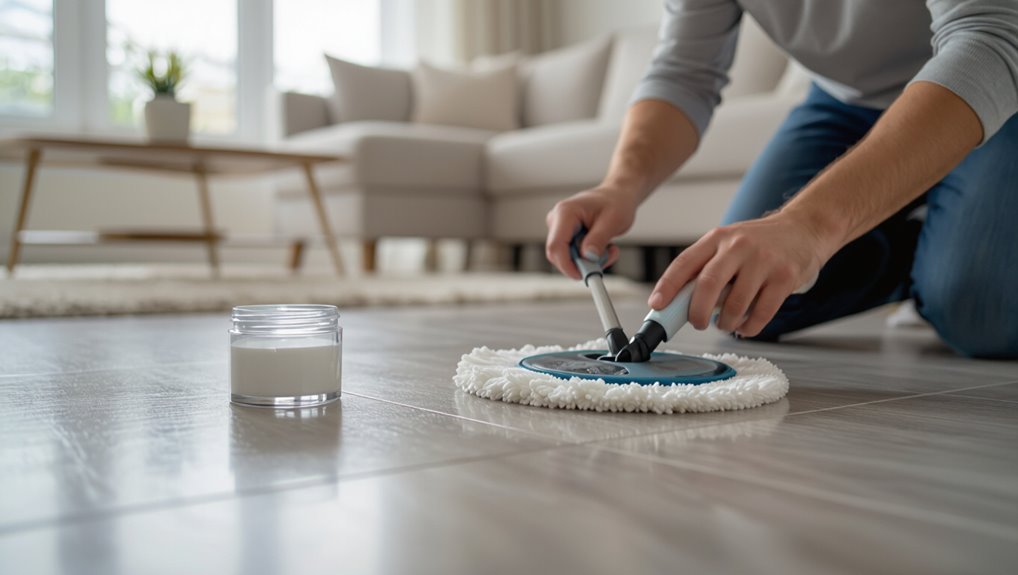
If your LVT looks dull, you can usually bring back the shine without stripping the floor—start by giving it a thorough clean with a pH-neutral floor cleaner and a microfiber mop to remove built-up dirt and residue that hide the finish.
After drying, apply a manufacturer-approved restorative polish or maintenance product sparingly, buff with a clean microfiber pad, and repeat only as needed to avoid buildup.