How to Clean a Sticky Floor: The Methods That Actually Work
You can remove sticky floor grime fast by matching the cleaner and method to your surface: sweep first, then spot-treat sugary or greasy messes with warm water and a mild detergent, use a soft scrub or plastic scraper on textured tile, and avoid excess water on hardwood or laminate to prevent warping. Rinse with clean water and dry promptly. Use pH‑neutral cleaners for wood and test any solution in a hidden spot—keep going and you’ll find detailed tips for each floor type.
Fast Way to Clean a Sticky Floor
If the stickiness is localized or from a recent spill, you’ll usually get away with a quick wipe; bigger, oily messes call for a deeper clean.
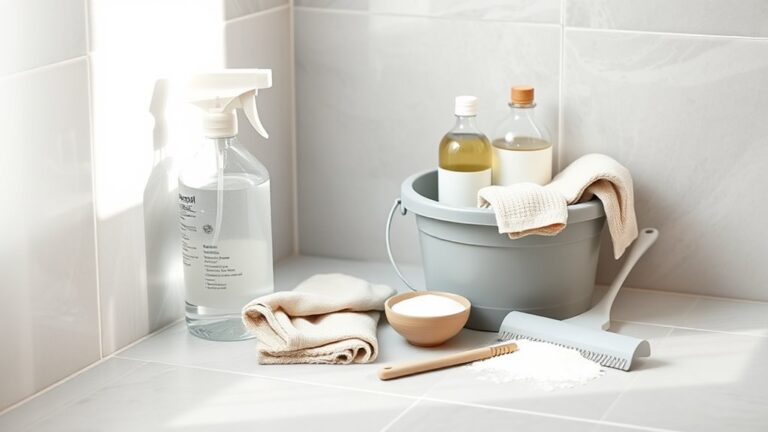
For emergencies, keep a spray bottle of water or diluted dish soap, a microfiber cloth, and paper towels handy.
In one minute you can spray the spot, wipe in a circular motion to lift residue, and dry to prevent stickiness returning.
When to use a quick wipe vs. deep clean
When a spill happens or your floor just looks dull, you’ll decide between a quick wipe and a deep clean based on how much residue, time, and effort you’re willing to spend.
For light spills or sticky spots, you’ll grab a damp cloth and mild cleaner.
For widespread stickiness, embedded grime, or odor, you’ll plan a thorough scrub and rinse.
Learn how to clean a sticky floor properly.
One-minute emergency method (materials and steps)
Grab a few simple items—microfiber cloth, spray bottle of warm water mixed with a drop of dish soap, and a dry towel—and you can neutralize sticky messes in about a minute.
You’ll act fast: spray, wipe, rinse cloth, and dry. Repeat if needed.
Steps:
- Spray lightly.
- Wipe sticky spot.
- Rinse cloth and rewipe.
- Dry thoroughly.
What Causes Floors to Become Sticky
Start by looking at common culprits room by room: grease and spills in the kitchen, soap scum and lotions in the bathroom, tracked-in dirt and salt at the entryway, and sticky snacks or crafts in kids’ rooms.
Notice how residues act differently on surfaces—sugary spills cling to grout and textured vinyl, oily films sit on hardwood, and soap leaves a filmy residue on tile.
Knowing what’s causing the tackiness and what floor type you’re dealing with makes it easier to pick the right cleaner and method.
Common sources by room (kitchen, bathroom, entryway, kids’ rooms)
Think of four common trouble spots — the kitchen, bathroom, entryway, and kids’ rooms — where different spills and residues make floors sticky: grease and sugary drips in the kitchen, soap scum and body oils in the bathroom, tracked-in dirt and salts at the entry, and crayon, juice, and snack remnants in kids’ spaces.
- Kitchen: grease, sauces
- Bathroom: soap, oils
- Entry: mud, road salt
- Kids’ rooms: food, crayons
How different residues behave on various floor types
Different residues cling and react to floors in predictable ways, so knowing what you’re dealing with makes cleaning faster and more effective.
Sugar, syrup, and soda form tacky films on tile and laminate; oils soak into unfinished wood and textured concrete.
Wax and polish build slippery layers on vinyl. You’ll treat each by dissolving residue type first, then rinsing and drying thoroughly.
Identify Your Floor Type Before Cleaning
Before you start cleaning, identify your floor type so you don’t damage it.
Hardwood and engineered wood need gentle, limited moisture and careful products, while laminate can warp if you use too much water or harsh cleaners.
For vinyl, linoleum, tile, grout, and natural stone like marble or granite, pick cleaners suited to each—neutral pH for stone and grout-friendly options for tile.
Hardwood and engineered wood risks and limits
Although both look similar, hardwood and engineered wood respond very differently to water, scrubbing, and strong cleaners, so you should identify which you have before you start cleaning.
For solid hardwood, avoid excess moisture and harsh chemicals—use a barely damp mop and pH-neutral cleaner.
Engineered wood tolerates slightly more moisture but still needs gentle cleaners and minimal scrubbing to protect the veneer.
Laminate flooring what to avoid
If your home has laminate instead of wood, you’ll need to change your approach.
Don’t flood it — excess water can swell seams and lift planks. Skip waxes, oil soaps, or abrasive scrubs that dull the wear layer.
Use a barely damp microfiber mop, mild pH-neutral cleaner, and blot spills quickly.
Test any product in an inconspicuous spot first.
Vinyl and linoleum safe cleaning options
Vinyl and linoleum look similar but care for them differently, so first confirm which you have by checking manufacturer labels, peel-back edges, or testing a small hidden spot; knowing the type prevents damage from the wrong cleaner.
For both, sweep first, then mop with a pH-neutral cleaner diluted per instructions. Avoid abrasive pads, steam cleaners, and oil-based products that can dull or warp surfaces.
Tile and grout considerations
Now let’s move from resilient flooring to ceramic, porcelain, and natural stone—each needs different care, especially where grout is involved.
You’ll sweep and mop tiles with mild detergent; avoid acidic cleaners on porous stone.
Scrub grout with a soft brush and a baking soda paste or pH-neutral cleaner.
Seal grout regularly to prevent staining and make sticky residue easier to remove.
Stone floors (marble, granite) neutral pH needs
Because natural stone reacts differently than tile, you should identify whether you have marble, granite, or another stone before choosing a cleaner.
Use only pH-neutral, stone-safe cleaners to avoid etching or dulling. Test any product in an inconspicuous spot first.
Wring microfiber mops well to avoid excess water, blot spills quickly, and avoid acidic or alkaline DIY solutions like vinegar or bleach on stone surfaces.
Sealed vs. unsealed surfaces
When you’re figuring out how to clean a sticky floor, first check whether the surface is sealed or unsealed — that choice determines what cleaners and how much water you can safely use. If sealed, you can use mild cleaners and damp mopping; if unsealed, use minimal water and spot-clean to avoid damage.
| Surface | Cleaner | Water |
|---|---|---|
| Sealed | Mild pH cleaner | Damp |
| Unsealed | Solvent/spot | Minimal |
| Porous tile | Gentle | Very little |
Materials and Tools You’ll Need
You’ll want a basic kit—broom, mop, bucket, microfiber cloths, and a scrub brush—for both quick touch-ups and deeper cleans.
Pick cleaners suited to your floor type (pH-neutral for hardwood, gentle non-abrasive for vinyl, etc.).
I’ll also share simple homemade recipes and when they’re appropriate so you can avoid harmful mixes.
Basic kit for quick and deep cleans
A few essential tools and products will make both quick touch-ups and deep sticky-floor scrubs faster and more effective.
Stock a basic kit so you can tackle spills or buildup immediately without hunting supplies.
- Microfiber mop and removable pads
- Bucket with wringer and a spray bottle
- Soft scrub brush and non-abrasive sponge
- Rubber gloves and absorbent microfiber cloths
Recommended cleaners for each floor type
1. You’ll pick cleaners matched to floor material: pH-neutral for hardwood, gentle vinyl formula, stone-safe products, and diluted all-purpose for sealed laminate. Avoid abrasives or ammonia on sensitive surfaces. Use microfiber mops and soft brushes.
| Floor Type | Recommended Cleaner | Caution |
|---|---|---|
| Hardwood | pH-neutral | No soaking |
| Vinyl | Mild vinyl cleaner | Avoid wax buildup |
| Stone | Stone-safe | No acid cleaners |
| Laminate | Sealed-surface cleaner | No excess water |
Homemade solutions (recipes and when to use)
Many simple homemade cleaners can tackle sticky floors safely when you match the recipe to your floor type and spot-test first.
You’ll need basic tools: a mop, bucket, soft cloths, and gloves. Use gentle blends for sensitive finishes and stronger mixes for tile. Follow proportions and rinse well to avoid residue.
- Vinegar + water (wood caution)
- Mild dish soap
- Baking soda paste
- Rubbing alcohol diluted
Step-by-Step Deep Cleaning Process
Start by clearing the area and sweeping or vacuuming up loose debris so you can see the sticky spots.
Test your cleaner in an inconspicuous spot, then apply it and let it sit the recommended time based on the type of residue.
Agitate to lift the gunk with the right tools, then thoroughly rinse and remove all cleaner residue.
Step 1 Prepare the area (clear, sweep/vacuum)
Clear the room of furniture, rugs, and clutter so you can reach every sticky spot; put small items in boxes and slide large pieces out or to one side.
Sweep or vacuum thoroughly, paying corners and under appliances. Dry debris first, then spot-treat sticky patches before mopping.
- Remove obstacles
- Gather supplies
- Sweep/vacuum
- Inspect surfaces
Step 2 Test cleaner in an inconspicuous spot
With the room prepped and loose dirt removed, you’re ready to check the cleaner on an out-of-the-way spot to make sure it won’t damage the floor.
Apply a small amount, wait a few minutes, then blot and inspect for discoloration, finish dulling, or swelling.
If the surface looks normal, proceed; if not, choose a milder product or consult manufacturer guidance.
Step 3 Apply cleaner and let dwell (timing guidelines by residue)
Apply your chosen cleaner evenly over the sticky area, then let it dwell long enough to break down the specific residue—usually 1–5 minutes for light spills (sugars, soda), 5–15 minutes for greasy or oily build-up, and up to 20–30 minutes for heavy wax or adhesive residue—keeping an eye so it never dries completely; if the label gives different timing, follow that and blot a small test spot after the shortest recommended interval to check effectiveness before proceeding.
Let it sit, monitoring.
Step 4 Agitate and lift sticky residue (tools and techniques)
Once the cleaner has had time to work, you’ll move on to agitating and lifting the softened residue so it comes off the floor.
Use a stiff nylon brush or scrub pad for textured surfaces and a microfiber mop for smooth floors.
Scrub in short, controlled strokes, lift loosened gunk with a plastic scraper or cloth, and repeat until no more sticky bits come up.
Step 5 Rinse and remove cleaner residue
Step 5: Rinse thoroughly to remove all cleaner and lifted residue so your floor won’t stay tacky or attract dirt.
Fill a bucket with clean warm water, mop or scrub the surface, and change water when it’s cloudy.
Repeat until rinse water stays clear.
For edges and grout, use a sponge or small brush.
Don’t leave cleaner behind.
Step 6 Drying and finishing touches (prevent streaks and water damage)
After rinsing, you’ll want to remove water and moisture promptly to prevent streaks, standing water, and potential damage to wood or laminate.
Use a microfiber mop or absorbent towels to blot and sweep moisture toward a floor drain or doorway. Open windows or run fans to speed drying.
Finish with felt pads under furniture and avoid walking with shoes until fully dry.
Specific Sticky Residues and Targeted Methods
Now you’ll tackle common sticky problems with targeted tactics for each one.
For food scraps, sugary syrups, grease, adhesive or gum, wax buildup, and pet messes you’ll use different cleaners and tools so you don’t damage the floor.
I’ll walk you through safe, effective methods for removing each residue and restoring the surface.
Food spills, sugary residues, and syrups method and tools
When sugary spills settle into a dull, sticky film, you’ll want a method that dissolves the residue without harming your floor’s finish; blot excess, mix warm water with a few drops of dish soap or white vinegar, mop gently, then rinse with clean water.
For stubborn syrup, use a soft scrub brush or microfiber pad.
Dry thoroughly to prevent streaks and stickiness.
Grease and oil degreasing approach
Sugary messes clean up with water and soap, but grease and oil need a different approach because they repel water and can leave a slippery, dark film.
You’ll start by blotting excess oil, then apply a degreaser or dish soap directly, scrub with a nylon brush, rinse with hot water, and dry thoroughly.
Repeat for stubborn spots and ventilate the area.
Adhesive, gum, and tape residue safe removal techniques
Adhesive, gum, and tape residues each call for a targeted approach because their composition and how they bond to flooring differ; start by testing a small hidden area to guarantee your chosen solvent or method won’t damage the finish.
For gum, freeze then lift; for tape, gently warm with a hairdryer and peel; for adhesive, apply a citrus or alcohol-based solvent, wait, then wipe and rinse.
Sticky residue from cleaning products or wax buildup stripping and restoration
If cleaning products have left a filmy tackiness or old wax layers have built up, you’ll need to strip and restore the floor with products and steps matched to your flooring type.
Test a mild stripper or solvent in a hidden spot, use manufacturer-approved wax remover for vinyl or hardwood-safe stripper for sealed wood, rinse thoroughly, then apply appropriate finish or new wax sparingly.
Pet-related stickiness and odor removal
After stripping product residue or old wax, you may still find sticky patches and lingering odors from pet accidents or oily fur that need a different approach.
Blot fresh messes, clean with enzyme cleaner to break down urine and organic oils, rinse, then dry thoroughly.
For persistent slickness, use a mild degreaser or vinegar solution, test first, and ventilate while drying.
Quick Methods for Common Rooms (Room-by-Room Guide)
Start by tackling each room with targeted, time-saving tactics suited to the mess you’ll find.
In the kitchen you’ll use degreasers and focus on high-traffic zones, while the bathroom needs soap-scum and product-residue solutions.
For entryways, sweep salt and shoe grime quickly, and in kids’ rooms choose safe cleaners and simple stain-prevention habits.
Kitchen: degreasing and high-traffic tips
In the kitchen you’ll tackle heavy grease and constant foot traffic, so focus on breaking down oil first and preventing sticky buildup.
Sweep debris, pre-treat stains with a degreaser or warm vinegar solution, then mop with a hot water and mild detergent mix.
Rinse to remove residue, dry high-traffic paths, and place washable mats by sinks and cooking areas to cut grime accumulation.
Bathroom: soap scum and product residue removal
Kitchen grease calls for different tactics than bathroom soap scum, so switch your approach to tackle mineral deposits, body oils, and product residue that make floor surfaces tacky.
Sweep, then mop with a vinegar-water solution or a pH-neutral cleaner designed for bathroom surfaces.
Scrub grout and stubborn scum with a soft brush. Rinse thoroughly and dry to prevent residue buildup and slipping.
Entryway and mudroom: salt, shoe grime, and quick maintenance
Mudrooms and entryways take the brunt of outdoor dirt, from salt and gravel to oily shoe grime, so tackle messes quickly to keep floors safe and stain-free.
Sweep or vacuum daily, blot oil with baking soda before sweeping, and dissolve salt with warm water and a mild detergent.
Use a microfiber mop for quick dry finishes and place absorbent mats to reduce tracking.
Kids’ rooms and play areas: safe cleaners and stain prevention
Got sticky juice, crayons, or marker on the floor? Use mild, non-toxic cleaners—diluted dish soap or vinegar solution—for daily messes; test first on a hidden spot.
Remove solids gently, then blot stains; try baking soda paste or a magic eraser for crayon/marker, rinsing afterward.
Protect surfaces with washable rugs, teach quick cleanups, and store art supplies in sealed bins to prevent future sticky disasters.
Mistakes to Avoid When Cleaning Sticky Floors
Don’t soak sensitive floors — excess water can warp wood and ruin laminates.
Don’t use harsh chemicals or abrasive tools that strip finishes or leave scratches.
Always follow the manufacturer’s care instructions to avoid voiding warranties or causing irreversible damage.
Using too much water on sensitive floors
Even though water seems like the obvious fix, pouring or mopping excessive moisture onto sensitive floors can warp wood, loosen glued tiles, and cause grout to deteriorate; you should always control how much you use and follow manufacturer guidelines.
Use a damp, not soaked, mop or microfiber cloth, blot spills immediately, ventilate to speed drying, and test small areas before wider cleaning.
Harsh chemicals that damage finishes
Avoid harsh chemicals that strip or haze your floor’s finish; they’ll make a sticky problem worse by damaging the protective coating and accelerating wear.
Choose pH-neutral cleaners or gentle dish soap diluted in water. Test any product in an inconspicuous spot first.
Rinse thoroughly and dry quickly to prevent residue. If unsure, check manufacturer guidelines to protect finish and longevity.
Abrasive tools that scratch surfaces
When you scrub with steel wool, scouring pads, or stiff-bristled brushes, you’ll often leave fine scratches that dull or strip the finish and make dirt stickier over time.
Don’t use abrasive tools on wood, vinyl, or coated floors. Choose soft microfiber pads or nonabrasive sponges, apply gentle cleaners, and test a hidden spot first.
Scratching creates maintenance headaches and shortens floor life.
Ignoring manufacturer care instructions
If you skip the manufacturer’s care instructions, you can unintentionally void warranties or damage finishes with the wrong cleaners or tools.
Follow recommended cleaning agents, dilution ratios, and tools for your flooring type. Manufacturers test products; their guidance prevents discoloration, swelling, or finish loss.
When in doubt, contact customer support or use mild, pH-neutral cleaners until you confirm what’s safe for your floor.
Prevention and Ongoing Maintenance
Keep a simple daily and weekly routine—sweeping crumbs and mopping with a neutral cleaner—to stop stickiness before it starts.
Use entrance mats, felt pads under furniture, and appropriate floor finishes to protect surfaces.
When spills happen, blot or wipe them up immediately and clean the area with the right solution to prevent residue and damage.
Daily and weekly routines to prevent stickiness
Because small habits add up, you can prevent sticky floors by sticking to a simple daily and weekly routine that removes spills, grit, and residue before they build up.
- Wipe spills immediately with a damp cloth.
- Sweep or vacuum high-traffic areas daily.
- Mop weekly with a mild, pH-neutral cleaner.
- Dry floors thoroughly to avoid sticky residue and streaks.
Protective measures (mats, felt pads, and finishes)
Think of protective measures—mats, felt pads, and durable finishes—as simple defenses that stop dirt, spills, and abrasion from ever reaching your floor’s surface.
Use entry mats to trap grit, place felt pads under furniture to prevent scratches, and apply a compatible durable finish to resist grime.
Rotate mats, clean pads, and recoat finishes as needed to keep floors nonsticky and long-lasting.
Best practices after spills to minimize damage
If a spill happens, act quickly to limit staining and stickiness: blot liquids with an absorbent cloth or paper towel instead of rubbing, lift solids with a dustpan or plastic scraper, and neutralize sticky residues with the appropriate cleaner for your floor type.
Then rinse with clean water, dry thoroughly to prevent warping or mold, and ventilate the area.
Reapply finish if needed.
When to Call a Professional or Restore Flooring
If your floor stays sticky after thorough cleaning or shows permanent damage and worn finish, it’s time to contemplate more than another mop.
You might need pro services like deep stripping, refinishing, or specialty restoration to bring the surface back.
Weigh the cost and time against replacement—professionals can give estimates so you can decide.
Signs that cleaning isn’t enough (permanent damage, finish loss)
When sticky residue keeps coming back despite regular cleaning, or you spot dull patches, peeling, or discoloration that don’t respond to gentle treatments, it’s a sign cleaning alone won’t fix the problem.
You should recognize surface erosion, worn finish, permanent staining, or warped planks. If texture changes or coatings flake, stop DIY scrubbing and consider restoration options to prevent further irreversible damage.
Professional services to consider (deep stripping, refinishing)
Although you can tackle many sticky-floor problems yourself, persistent residue, worn finishes, or structural damage mean it’s time to call a pro.
Hire specialists for deep stripping, which removes old wax and finish safely, and for refinishing, which restores sealant and sheen.
They’ll assess substrates, recommend compatible products, and guarantee even sanding and recoating so your floor’s longevity and appearance are properly restored.
Cost and time considerations
Because a sticky floor can signal anything from a simple spill to failing sealant, weigh cost and time before you decide to DIY or hire help: you’ll save money on quick fixes but call pros for large areas, damaged sealant, or limited time. Compare estimates, downtime, and warranties to decide.
| Option | Typical time/cost |
|---|---|
| DIY | Low cost, short time |
| Pro | Higher cost, longer prep |
FAQ Common Questions About Sticky Floors
You probably have a few quick questions—like whether vinegar’s safe, which homemade cleaner works on every floor, or how to lift sticky residue without scratching.
You’ll also want to know how often to deep clean to avoid buildup and whether steam mops can harm your surface.
I’ll answer these so you can choose the safest method for your flooring.
Can I use vinegar on my floors?
Wondering whether vinegar’s a safe, effective cleaner for your sticky floors? You can use diluted white vinegar for many sealed hard floors to cut grease and stickiness.
Mix one part vinegar with four parts water, test a small area first, and avoid waxed, untreated hardwood, or stone—acid can dull or damage those surfaces.
Rinse afterward with plain water.
What’s the safest homemade cleaner for all floor types?
Many simple homemade cleaners work well, but the safest all-purpose choice for most floor types is a very mild, pH-neutral solution—mix a teaspoon of gentle, dye-free dish soap or a few drops of castile soap in a gallon of warm water.
Mop sparingly, then rinse with clean water to avoid residue. Test a small area first, dry promptly, and avoid soaking delicate seams or grout.
How do I remove sticky residue without scratching?
1 simple trick is to loosen the sticky residue with a gentle solvent and soft tools so you don’t scratch the surface: dampen a microfiber cloth with warm water and a few drops of dish soap or isopropyl alcohol for tougher spots.
Let it sit briefly, then wipe gently in circular motions. Rinse, dry, and repeat as needed until residue’s gone.
How often should I deep clean to prevent buildup?
Once you’ve removed sticky residue with a gentle solvent and soft cloth, plan a regular deep-cleaning schedule to stop buildup before it starts.
Deep-clean high-traffic rooms every 1–2 weeks and less-used areas monthly. Use appropriate cleaner for your floor type, scrub grout or seams, and dry thoroughly.
Adjust frequency if spills, pets, or sticky activities increase so buildup never accumulates.
Will steam mops damage my floor?
Can steam mops damage your floor? You can use them safely on sealed tile, vinyl, and some finished hardwood, but avoid unsealed wood, laminate, and porous stone.
Test a hidden spot first and follow manufacturer guidelines.
- Sealed surfaces: generally safe
- Unsealed wood/laminate: avoid
- Porous stone: risky
- Test first and use low steam