Ceramic vs. Porcelain Tile: Which One Is More Expensive and Worth It?
You’ll usually pay more for porcelain than ceramic because it’s denser, fired hotter, and resists water, stains, and wear better. If you need tile for bathrooms, outdoors, or high-traffic areas, porcelain’s higher price is often worth it for longevity and lower maintenance. For low-traffic indoor walls or budget projects, ceramic gives great looks at a lower cost. Keep going to see cost drivers, installation differences, and room-by-room recommendations.
Quick Answer Which Is More Expensive and Is It Worth It?
Porcelain usually costs more than ceramic — expect roughly $3–$10 per sq ft for porcelain versus $1–$5 for ceramic depending on quality.
You’ll get better water resistance and durability from porcelain, so it’s worth the premium for bathrooms, outdoor spaces, and high‑traffic areas.
For kitchens or low‑traffic rooms, ceramic often gives you the best value for money.
Direct cost comparison summary (materials, average price per sq ft)
While both tile types can fit many budgets, porcelain generally costs more up front: ceramic runs about $0.50–$5 per sq ft for common tiles while porcelain typically sits around $3–$10 per sq ft for similar sizes and finishes.
When weighing which is more expensive ceramic or porcelain tile, remember materials, manufacturing density, and glazing drive price differences; installation and waste add to total cost.
Short verdict on value for money by use-case (kitchen, bathroom, outdoor, high-traffic)
Because your needs vary by room, the better value depends on where you’ll install the tile: ceramic usually gives you the most bang for basic indoor uses like kitchen backsplashes and low-traffic bathrooms,
while porcelain—though more expensive—pays off in wet rooms, outdoor areas, and high-traffic floors thanks to higher durability and lower water absorption.
Choose ceramic to save; pick porcelain where longevity, slip resistance, and freeze/thaw resistance matter.
Basic Understanding What Are Ceramic and Porcelain Tiles?
You’ll learn that ceramic and porcelain start from similar clay but are manufactured differently—porcelain is fired hotter and is denser.
That difference affects material properties like porosity, hardness, and durability, which in turn guides where each tile works best.
You’ll also see common finishes and styles, from glazed and unglazed to wood-look and polished options.
Definition and manufacturing differences
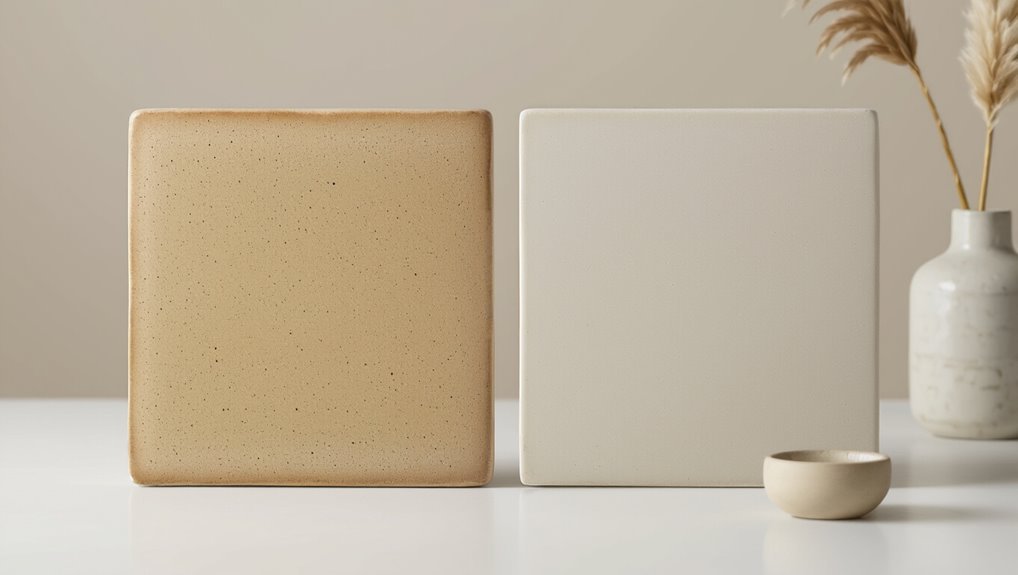
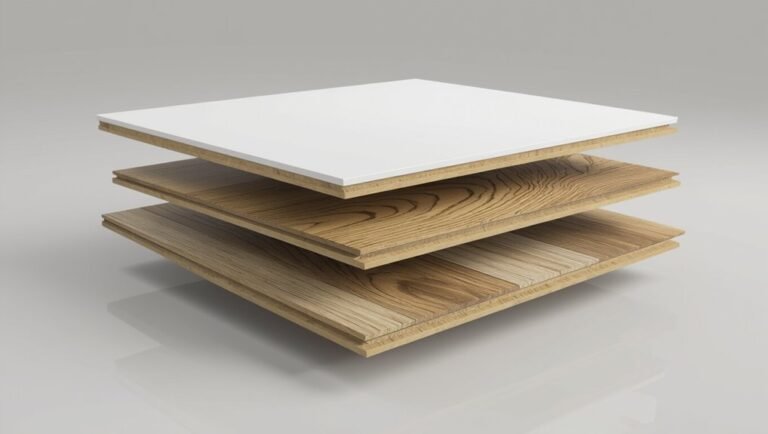
If you want a clear starting point, think of ceramic and porcelain as cousins: both are made from clay and fired in a kiln, but they differ in clay composition, firing temperature, and density, which affect durability, water resistance, and suitable uses.
You’ll find ceramic uses softer clays and lower firing, while porcelain uses refined clays and higher firing, yielding a tougher, finer-bodied tile.
Material properties (density, porosity, hardness)
Those differences in clay and firing show up most directly in material properties like density, porosity, and hardness, which determine how the tile performs.
Porcelain is denser and less porous, so it resists moisture, stains, and heavy wear better.
Ceramic is softer and more porous, easier to cut and more forgiving underfoot, but it suits lower-traffic areas and indoor use.
Common finishes and styles (glazed, unglazed, wood-look, polished)
Because finishes shape both look and performance, knowing the common types helps you pick the right tile for a room.
You’ll choose glazed for stain resistance and varied colors, unglazed for slip resistance and natural texture, polished for a glossy, modern look, and wood-look for warm visuals with ceramic or porcelain durability.
Match finish to traffic, moisture, and style needs.
Cost Breakdown What Drives Price Differences
When you compare ceramic and porcelain prices, you’ll see material and manufacturing methods play a big role.
Finish, design complexity, tile size, and brand positioning also push costs up or down.
Don’t forget installation-related expenses like labor, subfloor prep, grout, and sealers when totaling your budget.
Material and production costs
Material and production costs hinge on the raw clay, additives, firing temperatures, and manufacturing scale; porcelain uses denser clay and higher firing temps, so it typically costs more to produce than ceramic.
You’ll pay more when kilns run longer, raw materials are refined, or precision pressing and water absorption control are required.
Larger factory scale and automation can lower per-tile costs.
Finish, design complexity, and size impacts
If you want a tile that looks high-end, expect to pay more for specialized finishes, intricate patterns, or oversized formats—each adds steps, time, and equipment to production.
You’ll also pay extra for textured, polished, or hand-glazed surfaces, complex digital prints, and large-format cuts that waste more raw material and need precise firing.
Those features drive labor and tooling costs.
Brand and market positioning
Brand reputation plays a big role in what you pay for tile: trusted names invest in quality control, marketing, and warranties, and they charge accordingly.
You’ll pay premiums for designer labels, exclusive collections, and limited runs. Retailer exclusivity, branding partnerships, and perceived luxury elevate prices even if materials match.
Compare specs, warranties, and reviews so you pay for real value, not just a logo.
Installation-related costs (labor, subfloor prep, grout, sealer)
Because installation can swallow as much of your budget as the tile itself, you need to factor labor, subfloor prep, grout, and sealer into any cost comparison.
Labor for porcelain often costs more due to precision cuts and harder material. Subfloor leveling or backer board adds fees.
Higher-grade grout and sealers raise durability and stain resistance, so weigh upfront costs against long-term maintenance savings.
Performance Comparison Durability, Maintenance, and Lifespan
When you compare ceramic and porcelain, focus on hardness and scratch resistance to see which holds up to daily wear.
Check water absorption and frost resistance to decide if a tile’s right for bathrooms, kitchens, or outdoor use.
Also consider stain resistance and cleaning needs to understand long-term maintenance and lifespan.
Hardness and scratch resistance
Hardness and scratch resistance are key factors you’ll consider when choosing between ceramic and porcelain tile, since they determine how well floors and surfaces stand up to daily wear.
Porcelain, fired at higher temperatures and denser, resists scratches better and holds up to heavy traffic.
Ceramic is softer, more prone to chips, and needs protective measures in high-use areas to maintain appearance.
Water absorption and suitability for wet areas
Scratch resistance matters for floors, but moisture performance often decides where you can install a tile.
You’ll find porcelain absorbs less than 0.5% water, so it’s ideal for showers, pools, and exterior use.
Ceramic soaks up more, limiting it to dry or well-sealed indoor spots unless you choose glazed, impervious options.
Choose based on area exposure and long-term water resistance.
Stain resistance and cleaning requirements
Because glazed surfaces trap spills on a smooth, non-porous layer, porcelain and glazed ceramic tiles resist stains far better than unglazed ceramic.
So you’ll spend less time scrubbing and more time using the space. You can clean both with mild detergent, warm water, and a soft mop; avoid harsh abrasives on glazes.
Unglazed ceramic may need sealer and more frequent deep cleaning.
Resistance to frost and outdoor suitability
When you’re choosing tile for an outdoor area in cold climates, freeze-thaw durability is the key factor to check: you’ll want low porosity and high density. Porcelain resists frost better; glazed ceramic often fails outdoors. Consider installation, slope, and grout.
| Tile type | Outdoor suitability |
|---|---|
| Porcelain | High |
| Ceramic | Low |
Practical Use-Cases Which Tile to Choose by Room and Condition
When picking tile for each space, you’ll weigh factors like slip resistance, water exposure, and foot traffic.
Porcelain often wins for kitchens, busy living areas, bathrooms, and outdoor or freeze‑thaw conditions, while ceramic can be a cost‑effective choice in low‑moisture residential rooms.
For commercial settings you’ll want harder, denser tiles with tougher glazes; for homes you can balance budget and performance.
Kitchens and high-traffic living areas
In kitchens and high-traffic living areas you need tile that stands up to spills, drops, and constant foot traffic while still looking good.
Choose porcelain for durability, low water absorption, and scratch resistance in busy zones; pick glazed ceramic for budget-friendly, stylish options in lower-wear areas.
Prioritize slip resistance and choose larger formats with minimal grout for easier cleaning and fewer seams.
Bathrooms and wet zones
Because bathrooms and wet zones face constant moisture, you’ll want tile that resists water, stays slip-safe, and tolerates frequent cleaning without degrading.
Porcelain’s low porosity and durability make it ideal for showers, floors, and wet walls, while glazed ceramic suits light-duty bathrooms and vanities.
Prioritize textured or matte finishes for traction, proper grout sealing, and professional installation to prevent leaks and mold.
Outdoor patios, porches, and freeze-thaw climates
If you live where temperatures dip below freezing or plan to tile an exposed patio or porch, choose materials that resist water absorption and temperature cycling so your surface won’t crack or spall.
Porcelain’s low porosity and durability make it the safer outdoor choice; frost-resistant, textured finishes improve traction.
Ceramic can work in mild climates but generally won’t endure harsh freeze-thaw conditions.
Commercial vs. residential applications
Choosing the right tile for commercial versus residential spaces comes down to traffic, maintenance, and safety: commercial settings demand harder-wearing, slip-resistant, and low-porosity tiles like porcelain or quarry, while homes allow more flexibility with glazed ceramic for low-traffic rooms and durable porcelain for kitchens, entryways, and bathrooms.
- Busy lobby — matte porcelain
- Bathroom at home — glazed ceramic or porcelain
- Restaurant kitchen — quarry or unglazed porcelain
Installation Considerations and Cost Examples
You’ll want to know the typical installation steps and how tile type affects complexity before you start.
I’ll outline estimated total costs for budget, mid-range, and premium scenarios and compare DIY versus hiring a pro.
That way you can weigh time, skill, and expense to choose the right approach.
Typical installation steps and complexity (tile type differences)
Because ceramic and porcelain behave differently under stress and moisture, their installation steps and difficulty can vary enough that you should plan accordingly.
You’ll prep the subfloor, lay waterproofing where needed, and choose thinset suited to density.
Porcelain often needs stronger mortar, tougher cutting tools, and tighter grout joints; ceramic is more forgiving.
Expect longer labor and precision demands for porcelain installations.
Estimated total cost scenarios (budget, mid-range, premium)
1 clear way to plan your tile project is to break costs into budget, mid-range, and premium scenarios so you can match material and labor choices to your goals. You’ll compare tile price, labor, and extras to decide what’s worth it.
| Scenario | Tile | Estimated Total |
|---|---|---|
| Budget | Ceramic | $5–$10/sq ft |
| Mid-range | Porcelain | $10–$20/sq ft |
| Premium | Designer Porcelain | $20+/sq ft |
DIY vs professional installation pros and cons
Whether you’re aiming to save money or guarantee a flawless finish, choosing between DIY and professional tile installation comes down to your skills, time, and tolerance for risk.
DIY cuts labor costs and gives control but demands tools, skill, and time; mistakes can be costly.
Pros deliver speed, warranties, precise cuts and grout work, but cost more upfront.
Aesthetic and Design Considerations
You’ll want to weigh color, texture, and pattern options to get the exact look and feel you want.
Think about how a tile’s style will match your home’s architecture and affect resale value.
Also consider current trends versus timeless choices so your floors won’t look dated in a few years.
Color, texture, and pattern options
Because color, texture, and pattern shape the mood of a room, choosing between ceramic and porcelain comes down to how you want the space to feel and perform.
You’ll find ceramic offers vibrant glazes and varied textures affordably, while porcelain provides sharper prints, denser textures, and subtle color consistency.
Pick ceramic for bold looks; choose porcelain for realism and durability under heavy use.
Matching tile to home style and resale value
When matching tile to your home’s style and resale goals, think about how materials and finishes support the overall aesthetic while appealing to buyers.
Choose classic, neutral tiles for broad market appeal; use higher-end porcelain where durability and perceived value matter.
Coordinate grout, trim, and connections with existing architecture, and avoid overly personal or niche choices that could limit buyer interest.
Trends and long-term style longevity
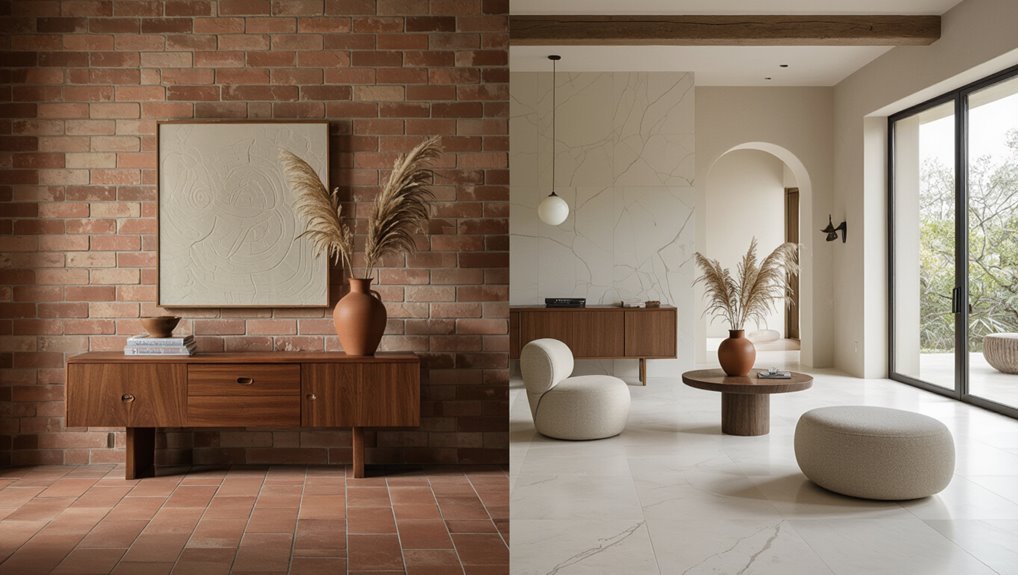
If you want a look that lasts beyond the next trend cycle, prioritize classic proportions, neutral palettes, and durable materials like porcelain that age gracefully. Bold patterns or dated finishes can date a space quickly even if they feel right now.
You should balance timeless tile choices with removable accents—rugs, paint, fixtures—so you can refresh style without replacing floors, extending longevity and resale appeal.
Common Mistakes When Choosing Between Ceramic and Porcelain
Don’t assume tile is just about looks—if you skimp on substrate prep or installation you’ll face cracks and lippage.
Don’t pick the cheapest option without matching the tile’s durability and rating to the room’s use.
Make sure the tile grade and PEI/porosity ratings fit the desired application so you don’t end up replacing it sooner than expected.
Underestimating installation and substrate prep
Although tile selection often grabs your attention, many problems start long before the pieces go down: underestimating the installation and substrate prep leads to lippage, cracking, and premature failure.
You’ll need proper leveling, moisture barriers, and a sound subfloor.
Don’t assume DIY; skilled installers prevent costly fixes.
Factor labor, substrate repairs, and correct adhesives into your budget and timeline.
Choosing based solely on price without considering use-case
When you pick tile just because it’s the cheapest, you’ll often pay more later in repairs, replacements, or dissatisfaction—price alone ignores differences in durability, water resistance, and suitability for high-traffic or wet areas.
Consider where the tile will live, how much wear it’ll endure, and maintenance needs.
Balance upfront cost with long-term performance to avoid premature failure and extra expense.
Wrong tile grade or rating for intended application
If you pick a tile with the wrong grade or rating, you’ll run into problems fast—floor tiles meant for light traffic won’t hold up in busy kitchens or commercial spaces, and wall-only tiles can crack underfoot or in wet areas.
Check PEI, water absorption, and slip resistance ratings for your room.
Match grade to traffic, moisture, and maintenance to avoid costly replacements.
Best Practices and Buying Tips
Before you buy, check the PEI rating, water absorption, and MOHS hardness to match the tile to your traffic and moisture needs.
Ask suppliers and installers about installation methods, warranties, and whether the job justifies paying more for porcelain or if ceramic will do.
Follow simple maintenance—proper grout sealing, regular cleaning, and prompt repairs—to extend your floor’s lifespan.
How to evaluate tile specs (PEI, water absorption, MOHS hardness)
Although tile looks are important, you’ll want to judge specs like PEI rating, water absorption, and Mohs hardness to match performance to the room and traffic levels.
Check PEI for wear resistance (higher for floors), low water absorption for wet areas (porcelain excels), and Mohs hardness for scratch resistance.
Balance ratings with finish and maintenance needs to pick durable, appropriate tile for each space.
Questions to ask suppliers and installers
What should you ask suppliers and installers to make sure your tile performs as expected?
Ask about warranty coverage, recommended mortar/grout, and installation methods for your chosen tile and subfloor.
Confirm lead times, batch matching, and acclimation needs.
Verify installer’s references and insurance.
- Warranty specifics and batch matching
- Installation method and materials
- References, insurance, timelines
When to pay extra for porcelain vs when ceramic suffices
When you’re weighing porcelain against ceramic, focus on where the tile will live and how it’ll be used: choose porcelain for heavy-traffic areas, outdoors, wet rooms, or commercial spaces where durability, frost resistance, and low porosity matter.
Pick ceramic for low-moisture, light-use rooms like bedrooms or formal dining where cost and easier cutting matter.
Balance budget and longevity needs.
Maintenance tips to extend lifespan
Because proper care keeps tile looking and performing like new, prioritize a few simple maintenance habits that prevent damage and costly replacements.
Sweep or vacuum regularly to remove grit, mop with pH-neutral cleaner, and blot spills fast.
Use felt pads on furniture, replace cracked grout, and avoid harsh acids or abrasive tools.
Seal grout annually for stain resistance and longer life.
Case Studies / Scenario-Based Recommendations
If you’re tackling a small bathroom remodel on a budget, you’ll often choose ceramic for its lower cost and wide style options.
For a high-traffic family kitchen, you’ll want durable, low-porosity porcelain that stands up to spills and heavy wear.
And for an outdoor patio in a cold climate, pick frost-resistant porcelain to avoid cracking from freeze-thaw cycles.
Small bathroom remodel on a budget recommended choice and rationale
For a small bathroom remodel on a tight budget, choose ceramic tile for most surfaces because it gives you durable, water-resistant coverage at a lower cost and with more affordable installation than porcelain.
Reserve porcelain for high-traffic zones or areas needing thinner, harder tiles to mimic stone while keeping costs down.
Use ceramic on walls and floors, pick glazed finishes for moisture, and save porcelain for accents.
High-traffic family kitchen recommended choice and rationale
When your family runs the kitchen from breakfast through late-night snacks, choose porcelain tile for the floors and busy prep zones because it’s harder, denser, and more scratch- and stain-resistant than ceramic.
This means it withstands heavy foot traffic, dropped utensils, and frequent spills without showing wear. Pair with a low-porosity finish, professional installation, and felt pads under chairs to maximize longevity and ease cleaning.
Outdoor patio in cold climate recommended choice and rationale
Shifting from a busy kitchen to an outdoor patio in a cold climate, you’ll want a tile that tolerates freeze-thaw cycles, ice, and deicing salts without cracking or spalling.
Choose dense, frost-resistant porcelain with low water absorption and a textured, slip-resistant finish.
It demands less maintenance, resists stains and salt damage, and lasts far longer than ceramic, justifying the higher upfront cost.
FAQ
You probably have questions like whether porcelain is always better than ceramic and if ceramic can be used outdoors.
I’ll also answer common concerns about installation cost differences, sealing needs, and which option might boost your home’s resale value.
Keep reading for concise, practical answers.
Is porcelain always better than ceramic?
Curious whether porcelain always outperforms ceramic? Not necessarily.
You’ll find porcelain is denser and typically tougher, so it’s better for high-traffic, moisture-prone areas.
But ceramic can be more affordable, easier to cut, and perfectly durable for many indoor uses.
Choose based on location, budget, maintenance, and aesthetic—porcelain isn’t automatically the superior choice for every situation.
Can I use ceramic tile outdoors?
Since porcelain often gets recommended for outdoor use, you might wonder whether ceramic can handle exterior conditions too.
You can use ceramic outdoors only if you pick frost-resistant, low-porosity, slip-resistant tiles rated for exterior use.
Install them with proper substrate, waterproofing, and flexible grout/adhesive.
Avoid typical interior ceramics—they’ll absorb water, crack in freeze-thaw cycles, and fail sooner than porcelain.
How much more does porcelain cost to install than ceramic?
How much more will porcelain add to your bill? Expect porcelain tile and labor to run about 20–50% higher than ceramic.
Material cost is higher due to density and manufacturing; installers may charge more for cutting, setting, and longer cure times.
For modest projects you’ll pay a few hundred extra; for large jobs the difference can be thousands, depending on tile quality and complexity.
Do ceramic and porcelain need sealing?
You’ll pay more for porcelain partly because it’s denser and less porous, and that difference affects whether you’ll need a sealer.
You don’t usually need to seal glazed ceramic or porcelain; the glaze protects surfaces.
Unglazed ceramic or porcelain and porous grout benefit from a penetrating sealer to resist stains and moisture.
Reapply sealers per manufacturer recommendations.
Which tile increases home resale value more?
Which option boosts resale value more depends largely on where you install the tile and the local market: buyers usually prefer porcelain in high-traffic areas like kitchens and entryways because it’s denser, more durable, and often seen as more premium.
On the other hand, glazed ceramic can still be a solid, cost-effective choice in bedrooms or bathrooms where heavy wear is less of a concern.
You should pick porcelain for curb appeal; ceramic saves budget.