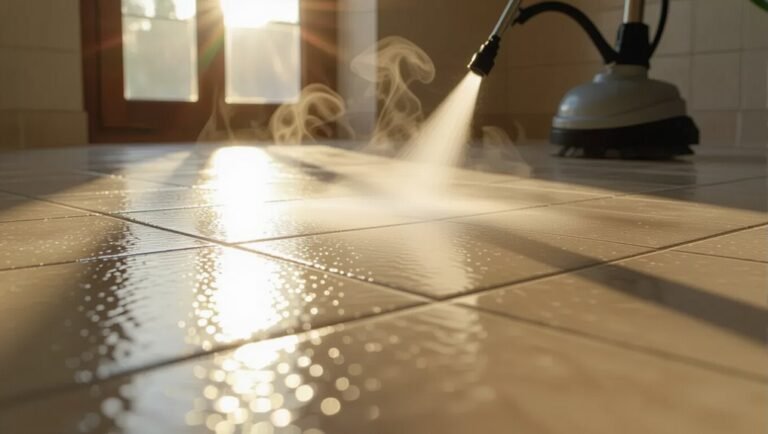
Can You Use a Steam Mop on Laminate Floors? The Honest Answer
You can use a steam mop on some laminate floors, but you’ll need to be very careful and check your manufacturer’s instructions first. Use the lowest steam setting, a soft microfiber pad, and move quickly to avoid soaking seams or edges, which can cause warping, swelling, or delamination. Test a small hidden area and ventilate thoroughly after mopping. If you want detailed techniques, risks, and safer alternatives, keep going for a full guide.
Can You Use a Steam Mop on Laminate Floors? Quick Answer
Yes—with caution: you can use a steam mop on many laminate floors, but only at low-heat/settings and sparingly to avoid damage.
You’ll get quicker cleaning and sanitizing but risk warping, swelling, or stripping the finish if excess moisture or high heat is used.
Always check your floor manufacturer’s guidelines and test a small inconspicuous area first.
Direct short answer (yes/no and nuance)
You can use a steam mop on some laminate floors, but only if the manufacturer explicitly approves steam cleaning and you use a low-heat setting with minimal moisture exposure.
If labels or warranty forbid it, don’t.
When approved, test a small area first, keep passes quick, and avoid saturating seams.
Many homeowners ask: can you use a floor steamer on laminate — sometimes, cautiously.
One-sentence summary of key risks and benefits
If your laminate manufacturer okays steam cleaning and you use a low-heat, low-moisture setting with quick passes and sealed seams, a steam mop can sanitize and lift grime without damage; otherwise, it risks warping, swelling, seam separation, and voiding warranties.
You should verify warranty terms, test a hidden spot, limit exposure time, and avoid saturating edges to minimize risk.
How Steam Mops Work and Why It Matters for Laminate
A steam mop uses heated water to create steam that loosens dirt and adds brief moisture to the floor surface.
Laminate is a layered product with a decorative wear layer and a core joined by a locking system, so its thin top layer and seams react differently to heat and water than solid hardwood or tile.
That means you need to control steam intensity and exposure, since excess moisture or heat can swell the core or damage the locking joints.
What a steam mop does (heat, steam, moisture)
Though they look simple, steam mops combine heat, pressurized steam, and a small amount of moisture to loosen dirt, dissolve grime, and sanitize surfaces quickly.
You’ll direct steam that softens soils and kills microbes, while a microfiber pad lifts residues. The tiny moisture evaporates fast, but excessive dwell time or repeated passes can increase water exposure and risk on sensitive floors.
How laminate flooring is constructed (layers, locking system, laminate wear layer)
When you look closely, laminate flooring is a layered, engineered product: a tough wear layer protects a printed décor layer, which sits atop a fiberboard core and a stabilizing backing.
Boards lock together with a tongue-and-groove system that keeps seams tight. You’ll notice the wear layer resists scratches and stains, the core provides stability, and the locking profile creates a floating floor you assemble without nails.
Why moisture and heat affect laminate differently than hardwood or tile
Because laminate’s core is made from compressed fiberboard and its surface is a sealed but thin wear layer, moisture and high heat interact with it very differently than with solid wood or ceramic tile.
You risk swelling, delamination, and warped seams when steam penetrates joints or damages the wear layer.
Hardwood and tile resist moisture differently; laminate’s engineered layers can’t tolerate prolonged wet heat exposure.
Detailed Risks of Using a Steam Mop on Laminate
You should be cautious because steam can force moisture into laminate, causing planks to warp or swell.
It can also loosen seams and damage tongue-and-groove joints, strip or cloud the finish, and even lead to delamination.
Finally, using steam often voids manufacturer warranties, so check their recommendations before you proceed.
Risk: Warping and swelling of planks
If steam gets under the laminate’s protective wear layer, it can penetrate the core and cause planks to swell, warp, or separate at the seams.
You’ll notice cupping, buckling, or raised edges as moisture expands the inner fiberboard. Once warped, planks often need replacement.
Avoid excessive steam, quick mop passes, and standing moisture to minimize irreversible dimensional damage to your flooring.
Risk: Damage to seams and tongue-and-groove joints
Moisture that seeps into the core doesn’t just swell boards—it can work its way into seams and the tongue-and-groove joints that lock planks together, weakening the mechanical fit.
You’ll notice gaps, misalignment, or popping as joints lose their grip.
Once connections fail, panels shift underfoot, making repairs harder and increasing the risk of further moisture intrusion and structural instability.
Risk: Finish degradation and delamination
Although laminate has a wear layer designed to resist spills and scuffs, steam’s heat and vapor can break down that protective coating and lift the decorative layer from its substrate.
You’ll notice dulled sheen, bubbling, or peeling as adhesives soften and layers separate.
Once delamination starts, repairs are costly or impossible, so avoid high heat and prolonged moisture exposure to protect the finish.
Risk: Warranty voiding and manufacturer recommendations
Because manufacturers set specific care guidelines, using a steam mop can easily void your laminate warranty when it contradicts those instructions.
If you ignore care labels or use high heat, the maker can deny claims for warping, swelling, or finish loss.
Always check your floor’s warranty and cleaning recommendations first; when in doubt, use approved cleaners or contact the manufacturer for guidance.
When You Can Use a Steam Mop Safely (Conditions & Exceptions)
You can sometimes use a steam mop on laminate, but only when the floor type and installation meet specific conditions.
Check whether your laminate is labeled moisture-tolerant or explicitly approved by the manufacturer for steam cleaning, and confirm the brand/model in their guidelines.
Also make sure the room is acclimated, the underlayment and edges are sealed, and humidity is controlled to minimize risk.
Types of laminate more tolerant to moisture
When you pick a laminate labeled as water-resistant or waterproof, you’ll find it’s built differently—thicker wear layers, sealed bevels, and a denser core keep moisture from seeping in and swelling the boards.
You can cautiously steam-clean these types, but always follow limits and dry quickly:
- Water-resistant plank — tolerates brief moisture.
- Waterproof core laminate — high protection.
- Sealed-edge systems — reduced edge penetration.
Manufacturer-approved steam-cleanable laminate brands and models
Picking a laminate labeled water-resistant or waterproof is a good start, but you’ll still want to check whether the manufacturer explicitly approves steam cleaning for specific brands and models. If approved, follow their temperature, steam level, and pad recommendations. Examples:
| Brand | Models (approved) |
|---|---|
| Pergo | Herringbone Ultra |
| Mohawk | RevWood Plus |
| Quick-Step | Livyn |
| Shaw | Repel II |
Environmental and installation factors that reduce risk (acclimation, underlayment, sealed edges)
Although steam can be risky on laminate, proper acclimation, a suitable underlayment, and tightly sealed edges let you use a steam mop with far less chance of warping or swelling.
You should acclimate boards to room humidity for 48–72 hours, install vapor-barrier underlayment, and seal perimeter gaps with trim or caulk.
These steps limit moisture intrusion and reduce risk when steaming carefully.
Step-by-Step: Safe Steam-Mopping Technique for Laminate (If Allowed)
Before you start, inspect the floor and check the laminate manufacturer’s guidance to confirm steam use is permitted.
Choose low heat and the correct attachment, fit a clean microfiber pad, and use brief steam bursts as you move quickly across the surface.
Wipe seams and any damp areas immediately with a dry microfiber cloth and never let steam sit on one spot.
Preparation: inspection and manufacturer check
While steam mops can make quick work of dirt, you’ll first want to inspect your laminate and check the manufacturer’s instructions to confirm it’s safe to use steam on that specific floor.
You should:
- Look for warping, gaps, or chipped edges that steam could worsen.
- Find the floor’s care label or manual for steam recommendations.
- Contact the manufacturer if instructions are unclear.
Step 1 Choose the right steam mop settings and attachments
When you’re ready to start, set the steam mop to the lowest steam level recommended for laminate and attach the soft microfiber pad—this minimizes heat and moisture exposure while still lifting soil.
Check for a gentle steam-only mode, use plastic or rubber-safe attachments, and confirm the mop’s temperature range.
Avoid abrasive heads and high-heat settings that can warp or strip the laminate finish.
Step 2 Use microfiber pads and minimal steam bursts
Now that you’ve set the mop to the gentlest steam and fitted the soft microfiber pad, you’ll want to rely on that pad plus brief, controlled steam bursts to clean—this combo lifts dirt without soaking the seams.
Glide slowly, trigger short bursts only where needed, and let the pad absorb loosened soil.
Replace or rinse the pad when it becomes dirty to avoid streaking.
Step 3 Move quickly and follow with a dry microfiber cloth
Work quickly across each small section so the steam doesn’t linger in the seams; after a brief pass with the steam mop, immediately follow up with a dry microfiber cloth to pick up any remaining moisture and loosened residue.
Wipe in the plank direction, blotting rather than dragging. Change or wring the cloth when damp, and finish sections fully dry before moving on to prevent water sitting on the surface.
Step 4 Avoid seams and excessive dwell time
If you want to protect your laminate, steer the steam mop clear of seams and keep the nozzle moving—lingering steam can force moisture into joints and cause swelling or cupping.
Glide over planks without pausing on gaps, edges, or around thresholds. Use low steam settings, short passes, and overlap minimally so moisture doesn’t concentrate.
Stop at any visible damp and blot immediately.
Step 5 Ventilate and dry room thoroughly after cleaning
1 simple step after steaming: ventilate and dry the room thoroughly to prevent trapped moisture from damaging the laminate.
Open windows and doors, run fans, and use a dehumidifier if humidity’s high. Wipe any visible damp spots with a microfiber cloth and check under furniture.
Don’t walk on the floor until it’s completely dry to avoid streaks and swelling.
Alternative Cleaning Methods Recommended for Laminate
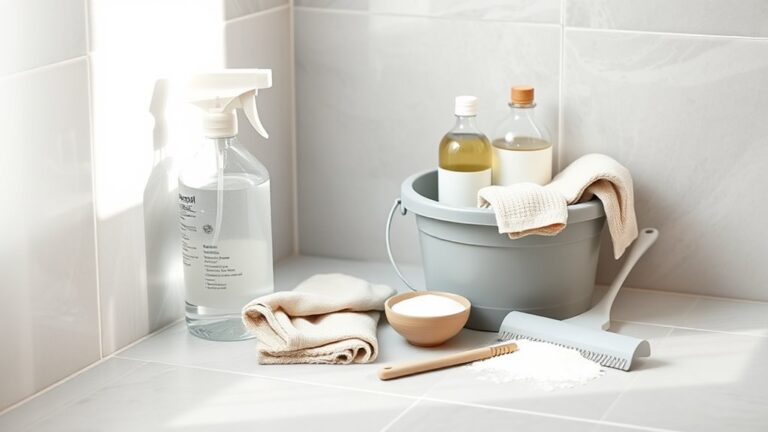
If you want safer alternatives to steam, start with dry cleaning and regular sweeping to remove grit that can scratch laminate.
For deeper cleaning, use a well-wrung mop and manufacturer-approved cleaners, and tackle tough spots with targeted spot-cleaning or gentle adhesive-removal methods.
When in doubt or for large jobs, consider hiring a professional cleaner experienced with laminate.
Dry cleaning and sweeping options
When you want to protect laminate’s finish, start with dry cleaning and sweeping to remove grit that can scratch over time.
You should:
- Vacuum with a soft-floor attachment to pick up debris.
- Use a microfiber dust mop daily for fine dust.
- Spot-sweep crumbs and pet hair immediately to prevent abrasion and buildup.
Damp-mopping with wrung-out mop and approved cleaners
Because too much water can warp laminate, damp-mopping with a well-wrung microfiber mop and cleaners formulated for laminate is your best routine for removing spills and soil without damage.
Wring the mop until it’s barely damp, work in small sections, rinse and wring often, and dry the floor with a clean microfiber pad or towel to prevent moisture seepage at seams.
Spot cleaning tough stains and adhesive removal techniques
Although you should stick to damp-mopping for regular care, you’ll still run into stubborn spots—grease, ink, adhesive residue—that need targeted treatment to avoid damaging the laminate.
For grease, blot then use a tiny amount of dish soap with a damp cloth.
For ink, try rubbing alcohol on a microfiber pad.
For adhesive, gently lift with a plastic scraper and remove residue with adhesive remover safe for laminate.
Professional cleaning options
If a stubborn stain or sticky residue won’t budge with spot treatments, hiring a pro can save your floor from improper techniques that cause swelling or finish loss.
You’ll get trained technicians who assess seal integrity, use laminate-safe cleaners, and employ low-moisture methods.
They’ll recommend maintenance schedules and protective products, and address deep scuffs or seam issues without risking warping or finish stripping.
Common Mistakes People Make When Steam Cleaning Laminate
Don’t blast laminate with continuous high heat, because that can warp the planks.
Don’t let the mop sit in one spot or use homemade attachments or harsh chemicals that the floor wasn’t designed for.
Always check the manufacturer’s guidelines first so you don’t void the warranty or damage the surface.
Using high-heat continuous steam
When you blast laminate with continuous high-heat steam, you risk swelling the core, lifting edges, and stripping the protective finish—damage that isn’t always obvious at first.
You should avoid sustained high temperatures; they force moisture into seams and weaken joins. Instead, use short bursts at low settings, keep the mop moving, and follow manufacturer guidelines to preserve the wear layer and prevent costly warping.
Leaving mop in one spot too long
Because steam concentrates heat and moisture, leaving the mop in one spot too long can quickly soften the laminate core and lift edges.
You should keep the mop moving, gliding steadily and limiting contact time. If you pause, water can seep into seams and swell boards.
Move methodically, use short bursts of steam, and inspect for dampness to prevent warping and delamination.
Not checking manufacturer guidelines
If you skip the manufacturer’s care instructions, you risk using steam settings or cleaners that can void the warranty and damage the floor.
Always check the laminate maker’s guidelines before steaming. They tell you if steam’s allowed, maximum temperature, recommended cleaners, and maintenance tips.
Ignoring them can cause warping, delamination, or staining—and leave you responsible for costly repairs or denied warranty claims.
Using homemade steam mop attachments or harsh chemicals
After you’ve checked the manufacturer’s care instructions, don’t improvise with homemade steam mop attachments or aggressive chemicals—those shortcuts often cause more harm than good.
You’ll risk uneven heat, excess moisture, warped boards, stripped finishes, and voided warranties. Use manufacturer-approved pads and plain water or recommended cleaners.
If stains persist, spot-test products on an inconspicuous area first to avoid permanent damage.
Prevention, Maintenance, and Best Practices for Laminate Floors
Keep a simple maintenance schedule—sweep or vacuum weekly and mop with a damp (not wet) cloth to prevent grit and moisture damage.
Use mats at entrances, control indoor humidity, and protect seams and edges to stop warping, while cleaning spills immediately to avoid stains.
If planks swell, discolor, or the wear layer is gone, you’ll need to repair or replace affected pieces rather than refinish.
Regular maintenance schedule
While steam mops can make quick work of spills, you should follow a simple, consistent maintenance schedule to protect your laminate’s finish and seams.
Keep routines brief and effective:
- Sweep or vacuum daily to remove grit.
- Damp-mop weekly with manufacturer-approved cleaner.
- Wipe spills immediately and check high-traffic areas monthly for wear, recoat or repair as needed.
Protecting seams and edges (mats, humidity control)
Maintaining a regular cleaning routine helps, but protecting seams and edges requires a few extra habits to prevent moisture and wear from seeping in.
Use absorbent mats at entrances and sinks, keeping them dry and clean. Control indoor humidity between 35–55% with a dehumidifier or HVAC settings.
Avoid wet mopping near joints, and leave small expansion gaps clear to prevent buckling and edge separation.
Tips for quick spill cleanup and stain prevention
Because spills act fast on laminate, you should blot and wipe them up as soon as you notice them to prevent staining and moisture damage.
Use a microfiber cloth for absorbency, then a damp (not wet) cloth with mild detergent for residue. Avoid abrasive scrubbers and harsh chemicals.
For sticky spills, soften with warm water first, then dry thoroughly to keep seams sealed and finish intact.
When to refinish, repair, or replace damaged planks
If a plank shows surface wear, swelling at the seams, or a deep scratch that doesn’t respond to touch-up kits, you’ll need to decide whether to refinish, repair, or replace it based on the damage’s depth and location.
For shallow scratches, use filler or a laminate repair kit; for localized swelling or warped boards, replace affected planks; for widespread wear, consider full-floor replacement.
Comparison: Steam Mop vs Other Floor-Cleaning Tools for Laminate
When choosing between tools, you’ll want to compare steam mops to a damp mop, a vacuum, and commercial laminate cleaners to see which suits your floor and routine.
A damp mop is gentler but may need more elbow grease, while vacuums handle dust and debris before any wet cleaning.
Commercial laminate cleaners can target spots without risking moisture damage like an improper steam setting might.
Steam mop vs damp mop
Though both tools aim to clean your laminate, a steam mop uses pressurized steam to sanitize and lift grime while a damp mop relies on water and cleaner to wipe away surface dirt; that difference affects speed, residue, and risk to the floor. You’ll choose based on drying time, residue, and potential moisture damage.
| Tool | Drying Time | Risk |
|---|---|---|
| Steam mop | Fast | Moderate if overused |
| Damp mop | Slow | Lower if wrung well |
| Spot mop | Immediate | Low |
Steam mop vs vacuum
You’ve just weighed steam mops against damp mops, now compare steam mops with vacuums to decide which suits your laminate. You’ll find vacuums remove debris without moisture risk; steam mops sanitize and lift stuck grime but can harm seams if overused. Choose based on debris level and manufacturer guidelines.
| Tool | Strength | Risk |
|---|---|---|
| Vacuum | Dry debris removal | Scratches from hard wheels |
| Steam mop | Sanitizes, lifts grime | Moisture damage if overused |
| Damp mop | Gentle cleaning | Residue buildup |
Steam mop vs commercial laminate cleaner
If you want quick shine with controlled moisture, compare a steam mop’s hot, chemical-free vapor to a commercial laminate cleaner’s formulated solutions: the steam mop loosens grime and sanitizes without residues, while commercial cleaners cut grease, add shine, and often include protective polymers but can leave streaks or film if overused.
| Tool | Strength | Risk |
|---|---|---|
| Steam mop | Sanitizes, no residue | Too wet if misused |
| Cleaner | Degreases, shines | Residue, film |
| Combo | Balanced cleaning | Requires correct use |
When to Consult Manufacturer or a Professional
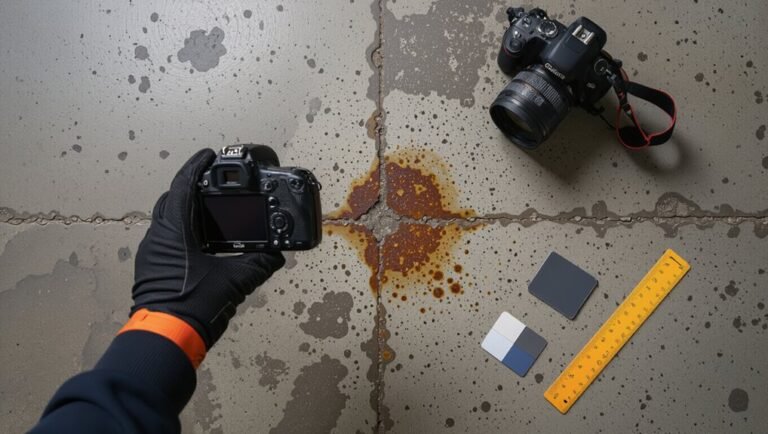
If you spot cupping, warping, staining, or soft spots, stop using a steam mop and document the damage so you can assess water-related issues.
Check your floor’s care instructions and warranty details before continuing—manufacturers often specify approved cleaning methods and voiding actions.
If the damage is extensive or the warranty is unclear, call the manufacturer or hire a flooring specialist for an inspection and repair estimate.
Signs of water damage to evaluate
1 clear sign of water damage is cupping or warping of boards around seams and edges; when boards lift, swell, or separate after steam cleaning, stop using the mop and inspect further.
Check for soft spots, buckling, dark stains, persistent damp smell, or gaps that didn’t exist before.
Photograph damage, avoid further moisture, and contact the manufacturer or a flooring pro for assessment.
Warranty questions and how to check your flooring’s care instructions
Noticing warping, stains, or persistent dampness means you should pause and look into warranty and care guidance before attempting repairs.
Check your flooring paperwork or the manufacturer’s website for cleaning limits, steam-mop clauses, and claim procedures. Note model, purchase date, and photos.
If instructions forbid steam or require approved cleaners, follow them to keep coverage.
Contact the manufacturer for clarification before acting.
When to hire a flooring specialist
When damage seems beyond routine cleaning or your warranty questions go unanswered, call a flooring specialist or your manufacturer for guidance—you’re better off getting a professional assessment before trying fixes that could void coverage or worsen the problem.
If you spot buckling, seams separating, persistent stains, or water damage, don’t guess. A pro can diagnose causes, recommend repairs or replacements, and protect warranty rights.
FAQs
You probably have quick questions about warranty, low-heat settings, and how often steaming is safe if your manufacturer OKs it.
You’ll also want to know what to do if planks swell after cleaning and whether steam mops work on vinyl planks or engineered hardwood.
Let’s answer those FAQs so you can clean confidently without guessing.
Can steam mops void my laminate floor warranty?
Curious whether using a steam mop could void your laminate floor warranty?
Check your warranty terms—many manufacturers explicitly exclude steam-cleaning because heat and moisture can warp boards or delaminate layers.
If you use one, you risk losing coverage for moisture-related damage.
When in doubt, contact the manufacturer, keep receipts, and opt for approved cleaning methods to preserve warranty protection.
Are low-heat steam mops safe for laminate?
Although low-heat steam mops claim gentler cleaning, they still introduce moisture and heat that can risk warping or delamination on many laminate floors.
So check your manufacturer’s guidance before using one. If the maker approves, use the lowest steam setting, limit passes, keep the mop moving, and dry surfaces promptly.
If unsure, opt for a damp microfiber mop to protect seams and finish.
How often can I steam-mop if my manufacturer allows it?
How often can you steam-mop when the manufacturer gives the green light?
If allowed, limit steam mopping to light maintenance every 1–2 weeks and deep steam cleaning no more than once a month.
Always use the lowest safe heat setting, a fast-drying microfiber pad, and avoid soaking.
Monitor seams and finish; reduce frequency if you notice any cupping, swelling, or finish dulling.
What should I do if my laminate swells after steam cleaning?
If you followed the manufacturer’s guidance but still see swelling after steam cleaning, act quickly to limit damage.
Remove excess moisture with dry towels and increase ventilation—open windows, use fans, or a dehumidifier.
Lift furniture to avoid trapped dampness.
If boards remain warped after 48–72 hours, document the damage and contact the manufacturer or a flooring pro about repair or replacement options.
Can I use a steam mop on vinyl planks or engineered hardwood instead?
Wondering whether a steam mop works on vinyl planks or engineered hardwood? You can, but cautiously: check manufacturer guidance, test a hidden area, and avoid high heat.
Use lowest steam setting, fast passes, and dry immediately to prevent warping or adhesive failure.
- Confirm warranty/labels
- Spot-test discreetly
- Use minimal steam and quick drying