What Is Glazed Ceramic Tile and When Should You Use It?
Glazed ceramic tile is clay with a glassy coating that seals, colors, and protects the surface, giving you a durable, easy-to-clean finish. You’ll get good stain and water resistance, moderate wear resistance (check PEI), and a wide range of looks from matte to glossy. It’s ideal for bathrooms, kitchens, backsplashes, and most indoor floors and walls, but not for heavy-impact outdoor use. Keep grout sealed and use proper adhesives, and you’ll learn practical selection and care tips next.
What Is Glazed Ceramic Tile and When to Use It
Glazed ceramic tile is clay tile coated with a glassy surface that seals and colors the piece in a single step.
You’ll want it where durability, water resistance, and easy cleaning matter—think bathrooms, kitchens, and high-traffic floors.
For decorative walls or affordable, low-maintenance flooring, glazed ceramic is usually the smart choice.
One-sentence definition
Although it looks like natural stone or porcelain, glazed ceramic tile is a clay-based tile coated with a glass-like surface that seals color and pattern, making it durable, water-resistant, and ideal for walls, countertops, and low- to moderate-traffic floors.
In one sentence, what’s glazed ceramic tile: a fired clay tile with a protective, decorative glaze that gives you affordable, easy-to-clean, versatile surface options.
Short recommendation guide (best use cases)
When you need an affordable, low-maintenance surface that still looks good, choose glazed ceramic tile — it’s great for bathrooms, kitchen backsplashes, countertops, and walls, and it can handle low- to moderate-traffic floors where moisture resistance and easy cleaning matter most.
Use it in rental units, mudrooms, laundry rooms, and entryways; avoid high-impact outdoor areas or heavy commercial floors where durability and slip resistance are critical.
Basic Understanding What Is Glazed Ceramic Tile?
To understand glazed ceramic tile, you’ll look at how clay bodies are formed, fired, and coated with a glass-like glaze during manufacturing.
You’ll see how glazing creates a sealed, decorative surface that differs from unglazed ceramic and denser porcelain in appearance, durability, and maintenance.
Finally, you’ll explore glaze types—clear, colored, matte, glossy, and textured—and how each affects look and performance.
Composition and manufacturing process
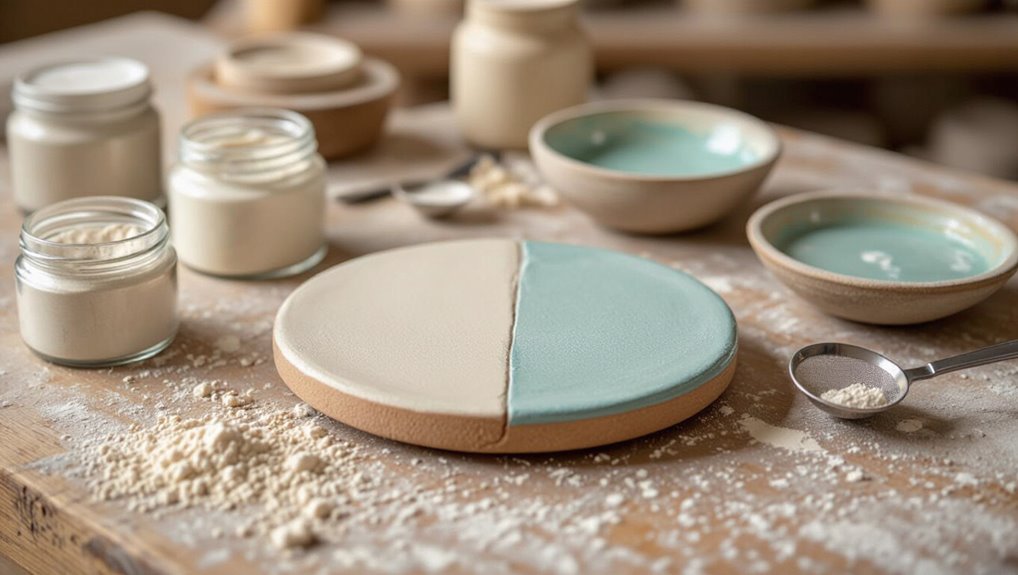
Because glazed ceramic tile combines clay, minerals, and a glassy surface layer, understanding its composition helps you see how functionality and appearance are created together.
You mix refined clay and additives, shape tiles, then bisque-fire them. A liquid glaze—silica, fluxes, and colorants—gets applied and melts during a final firing, forming a durable, decorative coating that bonds to the ceramic body.
How glazing differs from unglazed ceramic and porcelain
Although they share the same fired clay body, glazed and unglazed tiles feel and behave very differently: glazing adds a glassy, sealed surface that changes appearance, stain resistance, and slip characteristics, while unglazed tile exposes the raw ceramic or porcelain body, showing true color and texture and relying on the body itself for durability.
| Feature | Glazed | Unglazed |
|---|---|---|
| Surface | Sealed | Porous |
| Maintenance | Easier | Needs sealing |
| Wear show | Hides | Shows patina |
Types of glazes (clear, colored, matte, glossy, textured)
Glaze types fall into a few clear categories—clear, colored, matte, glossy, and textured—each changing a tile’s look, feel, and performance in distinct ways.
You’ll choose clear for subtle sheen and protection, colored for design, matte for understated, slip-resistant surfaces, glossy for vibrant, easy-clean finishes, and textured for grip and tactile interest.
Consider maintenance and location when selecting.
Key Properties and Performance
When choosing glazed ceramic tile, you’ll want to check its durability and hardness ratings (PEI and Mohs) to match traffic and wear.
Make sure the tile’s water resistance and stain resistance meet the needs of wet or food-prep areas and that it’s easy to clean.
Also consider slip resistance (R-rating) and other safety factors to keep surfaces secure.
Durability and hardness ratings (PEI, MOHS)
Because you’ll rely on glazed ceramic tile in high-traffic areas, understanding durability and hardness ratings is essential: you’ll check PEI for surface wear and Mohs for scratch resistance to match traffic and use. Choose higher PEI/Mohs for floors; lower values suit walls.
| Rating | Measures | Use |
|---|---|---|
| PEI I | Light wear | Walls |
| PEI III | Moderate | Residential floors |
| Mohs 6 | Scratch-resistant | Commercial light |
Water resistance and suitability for wet areas
Although ceramic’s fired body is inherently nonporous, the glaze and grout determine how well a tiled surface resists water.
So you’ll judge suitability for wet areas by both tile absorption rates and installation details.
Choose vitrified or porcelain-like glazed tiles with low water absorption, use waterproof membranes, proper slope and sealed grout, and follow manufacturer recommendations to prevent moisture intrusion and substrate damage.
Stain resistance and cleanability
Stains and ease of cleaning hinge on the glaze type, surface texture, and grout quality, so you’ll want tiles with a smooth, fully vitrified glaze and narrow, sealed grout lines to minimize soil and liquid penetration.
You’ll find glazed ceramic resists most household stains, wipes clean with mild detergent, and tolerates periodic scrubbing.
Avoid unglazed edges and maintain grout sealant for long-term cleanliness.
Slip resistance (R-rating) and safety considerations
When you choose glazed ceramic tile, consider its R-rating and surface texture to guarantee safe footing in the designated space.
The R-scale (commonly R9–R13) grades slip resistance under wet conditions, with higher numbers offering better grip for commercial or wet-area applications.
Also check COF and textured finishes, match rating to usage (bath, kitchen, entry), and maintain clean, dry surfaces to reduce slip risks.
Primary Use Cases When to Choose Glazed Ceramic Tile
When choosing glazed ceramic tile, you’ll find it’s great for many residential floors but best matched to rooms with moderate traffic.
You’ll also use it on walls—think kitchens, bathrooms, and backsplashes—and weigh the pros and cons before putting it on countertops.
Be cautious about outdoor use: glazed tiles have limitations in freeze-thaw climates, though some types work for covered or mild-exposure areas.
Residential flooring: rooms and traffic levels
Because glazed ceramic combines durability, low maintenance, and a wide range of styles, it’s a smart choice for many rooms in your home.
You should match tile type and finish to traffic and moisture.
Consider:
- Entryways — durable, slip-resistant.
- Kitchens — easy to clean, high traffic.
- Bathrooms — moisture-resistant, textured options.
- Living areas — style-forward, moderate traffic.
Wall applications: kitchens, bathrooms, backsplashes
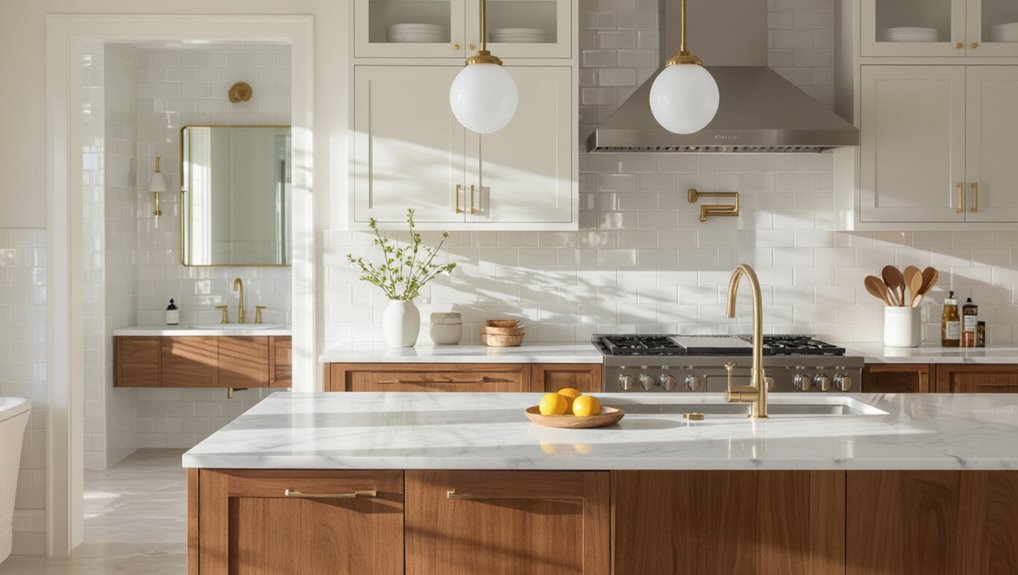
Glazed ceramic tile works especially well on walls in kitchens, bathrooms, and backsplashes because it resists stains, handles moisture, and cleans up quickly.
You’ll get durable, low-maintenance splash zones that protect drywall and cabinets.
Choose glossy or textured finishes for style and slip resistance near wet areas.
Install with proper grout and sealant to prevent mold and guarantee long-lasting, attractive walls.
Countertops and surfaces: pros and cons
Although ceramic tile can create striking, durable countertops, you’ll want to weigh its strengths and limits before choosing it for surfaces you use every day.
Tile resists heat and scratches, offers endless styles, and’s easy to clean.
But grout needs sealing, seams can trap dirt, and heavy impact may chip tiles.
Consider maintenance, edge comfort, and installation costs against aesthetics.
Outdoor use limitations and exceptions
You can use glazed ceramic tile outdoors in a few specific situations, but you’ll need to match the tile’s properties to the climate and location.
Choose frost-resistant, low-porosity tiles for freeze–thaw areas, and slip-resistant finishes for wet zones.
Avoid standard indoor glaze where moisture, salts, or heavy wear occur.
Consider porcelain alternatives or specialized outdoor glazes for longevity.
How to Select the Right Glazed Ceramic Tile
Start by evaluating where the tile will go and what performance you need so you can match PEI and slip ratings to the space.
Then pick a glaze finish and color that fits your style while deciding on size, shape, and grout lines for function and appearance.
Finally, balance quality and cost by comparing sources—from factory seconds to premium lines—before you buy.
Step 1 Assess location and functional requirements
Begin by mapping where the tile will go and what that space needs to do: is it a high-traffic entry, a wet bathroom floor, a backsplash, or a decorative accent wall.
Consider durability, moisture exposure, maintenance, and expected wear. Match tile performance to function—think cleaning frequency, stain resistance, and whether the area needs sound control or thermal comfort to guarantee long-term suitability.
Step 2 Choose appropriate PEI and slip ratings
One key decision is matching the tile’s PEI and slip-resistance ratings to how the space will be used, since those ratings tell you how well glazed ceramic will stand up to foot traffic and moisture risks.
Choose PEI IV–V for heavy traffic, PEI I–II for walls or light-use areas.
For wet zones, pick higher slip-resistance (R or COF values) to reduce fall risk.
Step 3 Select glaze finish and color for aesthetics
After you’ve matched PEI and slip ratings to the room’s use, it’s time to pick the glaze finish and color that’ll define the space’s look and mood.
Choose matte for subtle, polished for brightness, or textured for depth. Select hues that complement lighting and furnishings; test samples in natural and artificial light.
Consider longevity of color and stain resistance for practical beauty.
Step 4 Decide on tile size, shape, and grout considerations
When you pick tile size and shape, think about the room’s scale and the visual impact you want: larger tiles make spaces feel bigger and need fewer grout lines, while smaller or patterned shapes add texture and rhythm but increase grout maintenance.
Choose grout color and width to complement or contrast tile, guarantee joint spacing suits movement, and pick grout type for durability and stain resistance.
Step 5 Budgeting and sourcing (factory seconds vs. premium)
Now that you’ve narrowed tile size, shape, and grout choices, you’ll need a realistic budget and a sourcing plan.
Decide how much you’ll spend per square foot, including waste and installation. Weigh factory seconds—cheaper but with visual flaws—against premium tiles for consistency and warranty.
Buy samples, compare long-term durability, and factor delivery times.
Prioritize quality where moisture and traffic are highest.
Comparison Glazed Ceramic vs. Alternatives
Now you’ll compare glazed ceramic to other flooring options so you can pick what suits your space.
You’ll see how glazed differs from unglazed ceramic in surface finish and maintenance, from porcelain in durability and moisture resistance, and from natural stone and vinyl in cost, look, and care.
Use these contrasts to weigh performance, style, and budget.
Glazed ceramic vs. unglazed ceramic
Think of glazed and unglazed ceramic as two finishes that change how a tile looks, feels, and performs: glazed tiles have a glass-like coating that seals color and adds shine, while unglazed tiles leave the natural clay exposed for a more textured, matte surface. You’ll pick glazed for easy cleaning and vivid color, unglazed for grip and rustic warmth.
| Feeling | Care | Mood |
|---|---|---|
| Smooth | Low | Bright |
| Textured | Higher | Earthy |
| Reflective | Stain-resistant | Cozy |
| Matte | Patina-friendly | Natural |
Glazed ceramic vs. porcelain
While both glazed ceramic and porcelain wear a shiny surface, they differ in composition and durability: glazed ceramic is made from softer clay fired at lower temperatures and gets its surface from a glassy coating, whereas porcelain is denser, fired hotter, and can be glazed or left through-bodied for greater strength and water resistance.
| Feature | Recommendation |
|---|---|
| Durability | Porcelain for high traffic |
| Cost | Glazed ceramic for budget rooms |
Glazed ceramic vs. natural stone and vinyl
Because glazed ceramic combines a manufactured, glassy surface with predictable sizing and lower cost, it often feels like a middle ground when you’re weighing natural stone’s luxury and vinyl’s practicality.
You’ll get more visual variety and durability than most vinyl, with easier maintenance and lower cost than stone.
Choose glazed ceramic if you want style without high upkeep or expense.
Common Problems and Mistakes
When you install glazed ceramic tile, some common mistakes—poor substrate prep, incorrect adhesive, or uneven grout lines—can cause cracking, loose tiles, or water damage.
Picking the wrong finish or rating for the room will lead to premature wear or unsafe slip conditions.
And if you skip proper maintenance, staining and glaze wear will shorten the tile’s appearance and lifespan.
Common installation mistakes and their consequences
If you rush through prep or cut corners on materials, you’ll soon see the consequences in cracked, lipped, or loose tiles.
You’ll also face uneven grout lines, hollow sounds from poor bedding, and premature glaze crazing when substrates shift.
Incorrect adhesive choice, inadequate expansion joints, or improper leveling will force repairs, shorten lifespan, and raise costs—addressing these prevents failures and maintains appearance.
Mistakes in selecting finish or ratings for the space
Although glossy, decorative, or slip-resistant tiles might look right in the showroom, choosing a finish or rating that doesn’t match real-world use will cost you in safety, durability, and maintenance.
You should check PEI, COF, and water absorption ratings for traffic, wet areas, and outdoor exposure.
Don’t assume appearance equals performance; match specs to location and usage.
Maintenance-related problems (staining, glaze wear)
Because everyday use exposes glazed ceramic to spills, abrasives, and UV, staining and glaze wear are among the most common maintenance headaches you’ll face.
You should seal grout, clean spills promptly with pH-neutral cleaners, and avoid harsh scrubbing pads.
High-traffic areas may dull over time; plan for periodic re-polishing or replacement of affected tiles to maintain appearance and slip resistance.
Prevention, Care, and Best Practices
To keep glazed ceramic tile lasting, you’ll start with proper subfloor and substrate prep and use the right adhesives and grout during installation.
You should follow simple cleaning routines, avoid harsh acids or abrasive pads, and know which products can damage the glaze.
For chips, cracks, or worn areas, you’ll want straightforward repair and replacement steps so small problems don’t become big ones.
Proper subfloor and substrate preparation for long life
When you install glazed ceramic tile, start with a sound subfloor and substrate—anything less invites cracking, lippage, and premature failure.
Verify levelness, flatness, and structural stiffness; repair or replace damaged sections.
Guarantee clean, dry surfaces and proper moisture barriers over concrete or plywood.
Address deflection limits and movement joints so the assembly resists load, thermal changes, and moisture for long-term durability.
Installation best practices and recommended adhesives/grouts
With a sound subfloor in place, you’ll want to focus on proper installation techniques and the right adhesives and grouts to make the assembly last.
Use a polymer-modified thinset for floors, unsanded grout for narrow joints, sanded for wider gaps.
Back-butter large tiles, maintain consistent trowel notch, check for full coverage, and cure adhesives per manufacturer recommendations to prevent failures.
Cleaning routines and products to avoid
Although glazed ceramic is durable, you should set a simple cleaning routine and know which products to avoid to keep tiles and grout looking their best.
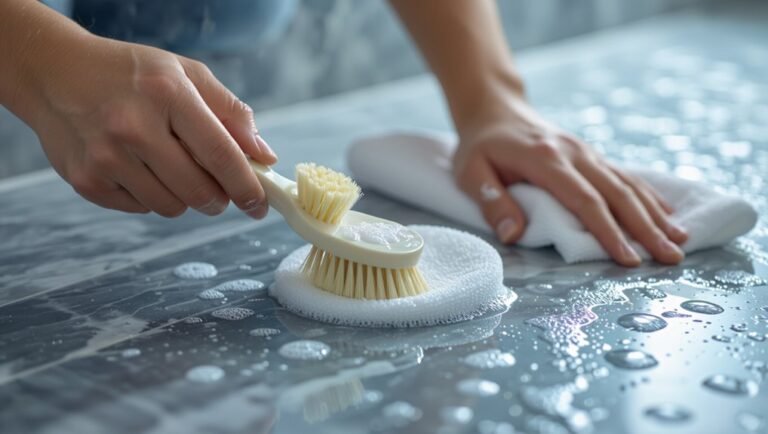
Sweep or vacuum regularly, mop with pH-neutral cleaner, and dry grout lines.
Avoid abrasive pads, acid cleaners, bleach concentrates, and oil-based products that dull glaze or damage grout.
Test new cleaners in an inconspicuous spot first.
Repair and replacement tips for chips, cracks, and worn glaze
Spot small chips and hairline cracks early and you’ll save time and money down the road; quick repairs prevent moisture intrusion and further glaze loss.
For minor damage, clean, sand, and use color-matched epoxy or repair kits; seal grout.
Replace tiles with structural cracks—remove grout, lift broken pieces, and set a new tile with thinset.
Test sealers and match finishes.
Cost Considerations and Longevity
You’ll want to weigh typical price ranges—basic glazed ceramic can be very affordable while designer or oversized tiles cost more—along with installation, grout, and labor.
Expect glazed ceramic to last decades with proper care, but plan for replacement if cracking, severe glaze wear, or widespread grout failure appears.
Compare the long-term costs to alternatives like porcelain or luxury vinyl to see which option gives the best value for your budget and usage.
Typical price ranges and factors affecting cost
Prices for glazed ceramic tile typically range from very budget-friendly to premium, and what you pay depends on several clear factors.
You’ll pay less for mass-produced, smaller-format tiles and simple glazes. Higher costs come from handcrafted looks, large formats, specialty finishes, and designer brands.
Also factor in shipping, installation complexity, waste allowance, and underlayment or trim requirements.
Expected lifespan and when replacement is needed
Knowing what you pay for is helpful, but you should also plan for how long glazed ceramic tile will last and when you’ll need to replace it.
Properly installed, glazed ceramic often endures 25–50 years in normal conditions.
Replace tiles when glaze cracks, water seeps through, grout deteriorates beyond repair, or repeated damage and movement cause loose or uneven tiles affecting safety and appearance.
Value comparison: long-term cost vs. alternatives
While glazed ceramic often looks inexpensive upfront, you should weigh its long-term costs against alternatives like porcelain, natural stone, and luxury vinyl.
Glazed ceramic saves on purchase and installation, but chips, glaze wear, and grout maintenance raise lifetime expenses.
Porcelain lasts longer with less upkeep; stone adds resale value; luxury vinyl cuts replacement hassle.
Match choice to traffic, budget, and resale goals.
Case Examples and Use Scenarios
When you’re planning a high-traffic kitchen remodel, you’ll want durable glazed ceramic with a low PEI rating that resists wear and hides grout lines.
For a bathroom renovation, you’ll choose tiles and installation methods that prioritize waterproofing and textured or matte glazes to reduce slipping.
On a budget for a laundry room, you’ll pick affordable glazed ceramic that balances water resistance with easy maintenance.
High-traffic kitchen remodel tile choices and rationale
Because your kitchen sees constant foot traffic, spills, and dropped cookware, choosing glazed ceramic tile means balancing durability, slip resistance, and ease of cleaning without sacrificing style.
Pick PEI-rated tiles (3–5) for wear, matte or textured glazes to reduce slipping, and low-porosity finishes for stain resistance.
Opt for larger formats to minimize grout lines and choose colors that hide wear and crumbs.
Bathroom renovation waterproofing and slip safety approach
If you want a bathroom that’s both watertight and safe underfoot, plan waterproofing and slip-resistance together from the start so each choice supports the other.
Choose glazed ceramic with appropriate PEI and COF ratings, seal grout and substrate correctly, slope floors to drains, and use textured or matte finishes where water pools.
Test samples and follow manufacturer waterproofing systems for reliable results.
Budget-friendly laundry room solution
Shifting from bathroom waterproofing and slip safety, you can apply many of the same glazed ceramic choices to a budget-friendly laundry room without overspending.
Choose durable, low-porosity glazed tiles for floors and backsplashes to resist stains and moisture.
Pick neutral, light-reflecting colors to brighten small spaces, use simple patterns for interest, and opt for porcelain-look ceramics for affordability and longevity.
FAQs
You probably have practical questions like whether glazed ceramic tile works for shower floors, if tiles can be refinished or re-glazed, and how to judge their durability for your space.
You’ll also want to know about slipperiness when wet and how glazed tiles stack up environmentally against other options.
Below are clear, concise answers to help you decide.
Is glazed ceramic tile suitable for shower floors?
Wondering whether glazed ceramic tile works for shower floors? You can use glazed ceramic if you choose tiles with a high PEI rating, slip-resistant surface, and proper slope and drainage.
Use smaller tiles or textured finishes to improve grip and grout lines for traction. Seal grout regularly and install waterproofing beneath the tile to prevent moisture problems and guarantee durability.
Can glazed tiles be refinished or re-glazed?
Curious whether glazed tiles can be refinished or re‑glazed? You can often repair surface chips, stains, or dull glaze with professional re‑glazing or touch‑up kits, but results vary by glaze type and age.
DIY options suit small fixes; full re‑glazing needs a professional and may alter appearance.
Weigh cost versus replacement for extensive damage before deciding.
How do I know if a glazed tile is durable enough for my space?
How do you tell if a glazed tile will hold up where you plan to install it?
Check its PEI rating for wear resistance, water absorption (porcelain vs. ceramic), and Mohs hardness for scratch resistance.
Match the PEI to traffic level—residential, commercial, or heavy—confirm frost rating for outdoor use, and choose appropriate thickness and proper installation for long-term durability.
Are glazed ceramic tiles slippery when wet?
You’ve covered durability, but slipperiness is another key factor to evaluate—especially for floors in wet areas like bathrooms, kitchens, and entryways.
Glazed tiles can be slippery when wet, especially polished finishes. Check the tile’s COF (coefficient of friction) rating and choose textured, matte, or anti-slip glazed options for wet zones.
Add mats, rugs, or proper drainage to improve safety.
How do glazed tiles compare environmentally to other options?
While glazed ceramic tiles have some environmental advantages—like long life, low maintenance, and often high recycled content—you’ll want to weigh factors such as raw material extraction, manufacturing energy, glazing chemicals, and end-of-life recyclability against alternatives like porcelain, natural stone, vinyl, or wood.
You should compare embodied energy, local sourcing, toxicity, durability, and disposal options to choose the lowest-impact material for your project.