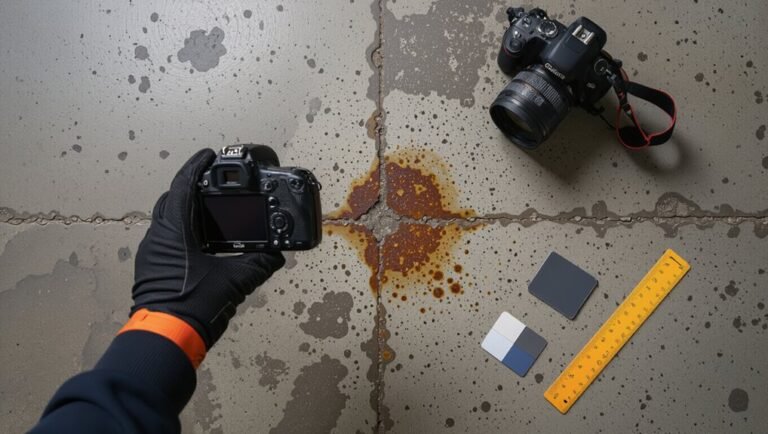
How to Get Cat Pee Smell Out of Laminate Flooring and Remove Odors
Blot fresh urine immediately with paper towels, then rinse with a mild detergent solution and blot dry. Treat seams and edges with a pet enzyme cleaner, letting it sit the recommended time to break down uric acid; repeat as needed. For hidden spots, scan with a blacklight and mark areas to re-treat. Avoid soaking laminate and test cleaners in a small spot first. Keep litter boxes tidy and check your cat’s health, and keep going to learn full treatment steps.
Fast Steps to Remove Fresh Cat Pee From Laminate
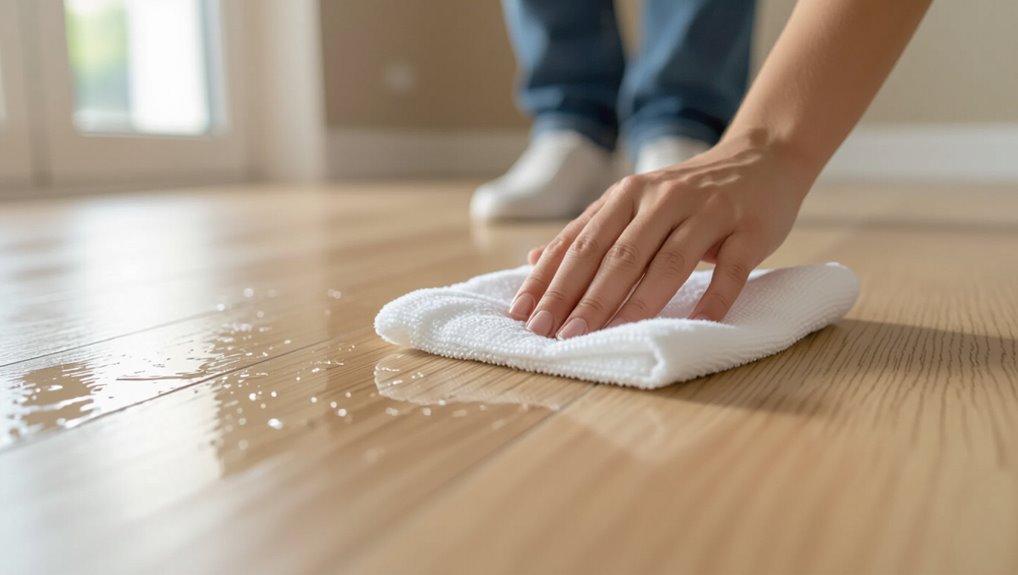
If the urine is fresh, act fast: blot up as much as you can with paper towels or a clean cloth, pressing firmly to soak through the laminate and seams.
After blotting, rinse the area with a mild detergent solution, blot again, and apply an enzyme cleaner to neutralize odors.
For fresh stains, immediate action prevents seepage and lasting smells.
Locate Hidden Urine With a Blacklight (How-To)
Want to find hidden spots quickly? Use blacklight techniques: darken the room, let the lamp warm up, and scan seams, under furniture, and baseboards slowly.
Urine detection shows as bright fluorescing spots; mark them with removable tape or chalk. Recheck after cleaning to confirm removal.
Wear gloves and avoid shining the light in eyes for safety.
Treat Set-In Cat Urine Stains on Laminate
First check how deep the stain and odor go so you know whether surface cleaning will work or you need stronger measures.
Consider enzyme cleaners and targeted treatments designed to break down uric acid, and follow product directions for best results.
Finally, take steps to prevent recurrence—clean accidents promptly, address litterbox issues, and seal seams if needed.
Assess Damage Extent
Before you reach for cleaners, take a close look to determine how deeply the urine has soaked into the laminate and seams so you can choose the right repair approach.
Check damage indicators like swelling, discoloration, or warped edges.
Perform an odor assessment by sniffing seams and under trim.
Note whether staining is surface-only or has compromised the core for proper next steps.
Enzyme Treatment Options
Enzymes break down the proteins in cat urine that cause odor, so choosing the right enzyme cleaner and applying it correctly is key to removing set-in stains from laminate.
You’ll evaluate enzyme types (bacterial, fungal) and test small areas for enzyme effectiveness.
Follow product directions, allow proper dwell time, blot thoroughly, and repeat treatments until stains and odors subside.
Prevent Future Recurrence
Once you’ve eliminated the immediate odor, take steps to prevent recurrence by addressing both the source and the floor: keep litter boxes clean and plentiful, block off previously soiled areas until they’re fully treated, and seal any damaged seams or edges in the laminate that can trap urine. Use consistent behavioral training and regular cleaning to stop repeats.
| Action | Benefit |
|---|---|
| Clean litter box | Removes scent cues |
| Seal seams | Prevents absorption |
Use Enzymatic Cleaners Safely (What They Do & How)
Because enzymatic cleaners break down the proteins and uric acid in cat urine rather than just masking odors, they’re the most effective option for removing lingering smells from laminate floors.
You’ll appreciate enzyme effectiveness for deep odor removal. Apply per label, saturate affected area, let sit long enough, then blot.
Follow safety precautions: ventilate, wear gloves, keep pets away until fully dry.
Homemade Enzyme-Free Remedies That Actually Neutralize Urine
If you don’t have enzymatic cleaners on hand, several household solutions can still neutralize cat urine without harming laminate floors.
You’ll use natural ingredients like baking soda for odor absorption, vinegar alternatives and citrus scents for freshening, plus diluted liquid neutralizers and essential oils sparingly.
These homemade solutions offer safe applications and practical cleaning techniques to reduce smells without damaging finishes.
Laminate-Safe Commercial Cleaners: What to Buy
Homemade mixes can work in a pinch, but when you want faster, more reliable results on laminate, choose products formulated for both urine and laminate finishes. You’ll want enzyme cleaners, odor neutralizers, and options labeled floor-safe; include natural alternatives if preferred. Product recommendations: brands with clear laminate labeling, no wax.
| Type | Use | Notes |
|---|---|---|
| Enzyme cleaner | Removes odor | Floor-safe |
| Odor neutralizer | Long-term | Low residue |
| pH-balanced | Surface safe | No wax |
| Natural alternative | Gentle | Check label |
| Spot treatment | Quick fix | Test first |
Quick Spot-Test for Cleaners on Your Laminate
When you’re trying a new cleaner, always do a quick spot-test in an inconspicuous area first to avoid damaging your laminate finish.
Apply a small dab, wait the recommended time, then check for discoloration, dulling, or swelling. This verifies cleaner effectiveness and surface compatibility before treating stains.
If any change appears, stop and choose a different laminate-safe product.
Deep-Cleaning Laminate for Large Areas (Step-by-Step)
Before you tackle the whole room, gather your supplies—pH-neutral laminate cleaner, a microfiber mop, clean buckets, soft towels, and a pump sprayer or spray bottle—so you’ll work efficiently and avoid recontaminating cleaned areas.
Section the floor, pre-treat urine spots, mop with diluted cleaner, rinse mop frequently, blot remaining dampness, and rotate towels.
These deep cleaning techniques preserve finish and reinforce proper laminate care.
Dry and Ventilate Laminate After Cat-Urine Cleaning
Once you’ve removed the stain and neutralized odors, dry and ventilate the laminate promptly to prevent warping and lingering smells.
Open windows, run fans and a dehumidifier as ventilation techniques to move moist air out.
Use microfiber towels, a wet/dry vacuum, and low-heat fans for drying methods.
Check boards for damp spots and repeat until floor is completely dry.
Remove Urine Smell From Baseboards and Seams
After the floor is dry, don’t forget the baseboards and the seams where laminate boards meet—those gaps trap odor and can keep your space smelling even after surface cleaning.
Inspect for odor detection, lift trim if needed, and apply seam treatment with recommended cleaning products. Dry thoroughly for moisture control.
Re-caulk, reattach trim, and follow prevention tips like barrier mats and routine baseboard cleaning to stop returns.
Clean Laminate Under Rugs and Furniture
Pull up rugs and slide furniture away so you can inspect and clean the laminate underneath—these hidden spots often trap lingering urine odor and moisture that surface cleaning misses.
Use targeted cleaning techniques and odor absorption steps to fully treat the area.
Use focused cleaning and odor-absorbing steps to fully treat and refresh the hidden areas beneath flooring.
- Vacuum debris
- Blot stains with enzyme cleaner
- Air dry thoroughly
- Apply baking soda for odor absorption
- Reposition with protective pads
Repair Warped or Stained Laminate Edges
If you found warped or discolored edges while cleaning under rugs and furniture, you’ll need to repair or replace those laminate strips to stop odors and prevent further damage.
You can use laminate repair techniques like edge sanding, sealing with waterproof glue, or replacing trim pieces.
Apply staining prevention sealant, dry thoroughly, and inspect joints to guarantee no urine remains before reinstalling baseboards.
When to Replace Damaged Laminate Planks
When damage is extensive—boards that buckle, crumble at the edges, or hold a stubborn urine odor despite cleaning—you should replace the affected laminate planks rather than keep repairing them.
Look for clear replacement indicators to protect laminate longevity and prevent odor recurrence.
- persistent smell after cleaning
- visible delamination or swelling
- crumbling or fractured edges
- loose, shifting boards
- widespread discoloration
Prevent Repeat Accidents: Litter Box & Behavior Fixes
Because cats often return to the same spot out of habit or stress, you’ll need to address both litter-box setup and underlying behavior to stop repeat accidents.
Check litter box placement—quiet, accessible, multiple boxes for multi-cat homes. Clean boxes daily, use preferred litter, and reduce behavioral triggers like conflicts, loud noises, or changes.
Reward proper use and provide enrichment to prevent relapses.
Rule Out Medical Causes and Litter-Box Problems
Before blaming the floor, check your cat’s health—urinary tract infections or kidney issues can cause inappropriate peeing, so see your vet if behavior changes suddenly.
Review the litter-box setup: make sure boxes are clean, the right size, in quiet spots, and use a litter your cat prefers.
Keep an eye on behavioral changes and note when and where accidents happen to help identify medical or box-related triggers.
Check Veterinary Health
Could your cat’s accidents be signaling a medical issue or a litter-box problem? You should schedule a vet check for a prompt health assessment to rule out UTI, diabetes, or kidney disease.
Follow vet guidance and document incidents.
- Note frequency and times
- Save urine samples if advised
- Record behavior changes
- List current meds
- Share diet details
Assess Litter Box Setup
Now that you’ve checked your cat’s health, look closely at the litter-box setup to rule out nonmedical causes of accidents.
Evaluate location preferences and alternative locations, test litter types, guarantee box cleanliness and proper box size, and perform frequency checks.
Note behavioral triggers and cat preferences, adjust placement and maintenance, and use focused training tips to encourage consistent use.
Monitor Behavioral Changes
Changes in your cat’s behavior can tell you more about why they’re peeing outside the box than you might think, so track patterns in timing, posture, vocalizations, and interaction with people or pets.
Monitor behavioral changes closely to identify medical issues or litter-box aversions, using monitoring behavior logs to spot behavioral triggers and report findings to your vet.
- time of incidents
- posture/vocal cues
- location notes
- recent household changes
- litter-box interactions
Protect Laminate While Training Kittens or Senior Cats
When you’re training kittens or helping a senior cat regain litter habits, protect your laminate by limiting their access to problem areas and laying down quick-clean barriers like absorbent mats or disposable puppy pads.
Use a proper litter box, focused behavioral training, gentle cat deterrents at risky spots, and clear floor protection.
Combine urine prevention with positive reinforcement, a safe space, and scent masking to reduce accidents.
When Vinegar or Baking Soda Helps: And When It Hurts
You can use diluted white vinegar to neutralize fresh urine odors because its acidity breaks down ammonia compounds.
Baking soda absorbs mild lingering smells but won’t remove deep-set urine or stains and can leave a residue if not fully vacuumed.
Be careful with home remedies on laminate—excess moisture, undiluted acids, or abrasive powders can warp the flooring or damage the finish.
When Vinegar Works
Although vinegar and baking soda are popular DIY fixes, they only help in specific situations and can make odors worse if used incorrectly.
You should use vinegar where its acidity aids vinegar efficacy and odor neutralization on fresh, surface urine only. For best results, follow with proper rinsing and drying.
- Fresh stains
- Non-porous laminate
- Small areas
- Short contact time
- Immediate treatment
Baking Soda Limitations
If you sprinkle baking soda on old or soaked-in cat urine hoping it’ll magically disappear, you’ll often be disappointed—baking soda absorbs moisture and neutralizes mild odors but can’t reach or break down urine that’s penetrated laminate seams or the subfloor. Use it for surface cleanup; consider enzymatic cleaners as baking soda alternatives when deeper treatment is needed.
| Use case | Result |
|---|---|
| Surface stains | Helps |
| Deep soak | Fails |
| Alternatives | Enzymatic cleaners, professional remediation |
When Home Remedies Harm
When a quick home fix seems tempting, know that vinegar and baking soda can either solve surface smells or make deeper problems worse. They work best on fresh, shallow urine but can’t break down proteins that seep into seams or the subfloor.
You’ll want to avoid cleaning myths and treat pet stains properly—home remedies aren’t always enough.
- Fresh vs deep stains
- Enzymatic cleaners needed
- Seams and subfloor risk
- Test before use
- Call a pro if persistent
Use Odor-Neutralizing Sprays Safely on Laminate
1 smart step before spraying is testing the product in an inconspicuous spot so you can confirm it won’t damage or discolor your laminate.
When safe, choose sprays with proven odor neutralizing ingredients, follow label spray application techniques, mist lightly, avoid soaking seams, ventilate the room, and wipe excess after dwell time.
Repeat only as directed to prevent finish damage.
How Professional Odor-Removal Services Work
Call in a pro and you’ll get a systematic approach that goes beyond sprays and DIY tricks: technicians inspect the area, identify the contamination source and material affected, then choose targeted treatments like enzymatic cleaners, ozone or hydroxyl generators, and containment or replacement of damaged flooring.
Call a pro for systematic inspection, targeted treatment, and proven odor-neutralizing restoration beyond DIY sprays.
You’ll benefit from professional techniques grounded in odor science for thorough, lasting removal.
- inspection
- targeted cleaning
- environmental controls
- odor-neutralizing tech
- restoration
Cost Comparison: DIY vs. Professional Remediation
If you tackle cat pee on laminate yourself, you’ll usually spend far less upfront—basic enzymatic cleaners, scrub brushes, and a moisture meter can run $30–$150—while professional remediation often costs several hundred to over a thousand dollars depending on inspection, deep cleaning, odor neutralization, and any flooring repair or replacement.
| Option | Cost | Key Factors |
|---|---|---|
| DIY Techniques | $30–$150 | Equipment Needs, Time Investment |
| Professional Services | $300+ | Cost Analysis, Success Rates |
| Long term Solutions | Varies | Effectiveness Comparison |
Quick Laminate-Cleaning Checklist to Stop Cat Urine
Start with a simple checklist you can follow immediately: remove solids and blot excess moisture, test for hidden damp spots, use an enzymatic cleaner designed for pet urine, and dry the area thoroughly to prevent re-soiling.
Follow these steps for laminate care and effective odor prevention:
- Blot fresh urine immediately
- Inspect seams and underboards
- Apply enzymatic cleaner per instructions
- Rinse and blot again
- Air-dry with fans
FAQs: Common Questions About Cat Urine on Laminate
You’ll often need to tell whether the smell is fresh surface urine or an older, absorbed odor in gaps or under the laminate.
Ask about safe cleaning methods that won’t warp or strip the finish—enzymatic cleaners and gentle blotting are usually best.
If smells persist, you’ll want to check seams and underlayment before trying stronger treatments.
Identifying Odor Sources
Wondering why that persistent odor won’t go away? You need focused odor detection and moisture assessment to pinpoint sources before cleaning.
- Check visible stains on seams and edges
- Smell-test rooms at different times
- Use a blacklight to reveal hidden spots
- Inspect under furniture and rugs
- Monitor humidity and recent spills
Identify locations so you treat the right areas.
Safe Cleaning Methods
Because laminate can trap odors in seams and underboards, you’ll want cleaning methods that remove urine without warping or dulling the finish. Use enzyme cleaners, diluted vinegar sparingly, or eco friendly options and alternative cleaners labeled safe for laminate. Test first, blot—don’t soak—and dry thoroughly.
| Step | Product | Tip |
|---|---|---|
| 1 | Enzyme | Spot test |
| 2 | Vinegar | Dilute |
| 3 | Drying | Use fan |
Frequently Asked Questions
Can Cat Urine Permanently Damage the Subfloor Beneath Laminate?
Yes — if urine soaks through, it can permanently damage subfloor materials. You’ll need repairs or replacement. Address cat behavior and odor prevention quickly, clean thoroughly, and fix litter or medical issues to avoid recurrence and structural harm.
Will Enzymatic Cleaners Harm Pets if They Lick Treated Floors?
About 90% of pet owners report safer outcomes when following directions: no, enzymatic cleaners aren’t usually harmful, but you should use safety precautions, check cleaner ingredients, rinse thoroughly, and keep pets off until fully dry.
How Long Until Laminate Fumes From Cleaners Are Fully Gone?
You’ll usually notice laminate cleaner fumes dissipate within 2–24 hours, though strong chemical smells can take 48 hours. Use proper cleaning methods and ventilation for faster odor prevention, and avoid harsh products to reduce lingering fumes.
Can Air Purifiers Reduce Lingering Urine Odors Effectively?
Yes — and no: you’ll need both machines and methods. You’ll use odor absorption techniques plus suitable air purifier types (HEPA with activated carbon) to cut airborne smells, but deep sources still need cleaning to remove odors.
Is It Safe to Refinish Laminate Instead of Replacing Stained Planks?
You can’t safely refinish laminate like real wood; you’ll damage the wear layer. You should consider refinishing techniques only with specialist coatings, but laminate durability usually means replacing stained planks is the more reliable option.
Conclusion
You’ve got this—treat fresh spots fast, hunt hidden stains with a blacklight, and use enzymes or proven DIY mixes to neutralize odors before they sink in. Think of your cleanup plan like a tune: quick notes for fresh messes, deeper chords for set-in smells, and a pro crescendo if needed. With steady care and the right tools, your laminate will be fresh again and your home will smell like home, not the cat.