How Long Do Laminate Floors Last and What Shortens Their Life?
You can expect laminate floors to last about 10–30 years depending on quality, traffic and care. Cheap DIY options may fail in a few years, mid-range lasts around 10–15, and high-end products can exceed 25 years. Moisture, scratches, sun fading, poor installation and harsh cleaners are the usual killers. Keep humidity steady, use proper underlayment and prompt spill cleanup to extend life — keep going to see practical tips and buying advice.
How Long Do Laminate Floors Last Quick Answer
You can expect laminate floors to last anywhere from about 10 years for budget options to 25+ years for high-quality, commercial-grade planks.
I’ll give a concise summary table showing typical lifespans by quality tier and by common use-cases like bedrooms, living rooms, and high-traffic areas.
That’ll help you match product choices to how long you want the floor to perform.
Typical lifespan ranges by quality tier
1–2 years for the cheapest laminates, 10–15 for mid-range, and 25–30+ years for high-end options — those are the typical lifespan bands you can expect depending on quality tier.
When you wonder how long do laminate floors last, consider wear layer thickness, installation quality, and traffic.
Higher AC ratings and proper maintenance extend life; cheap boards fail faster.
Summary table of expected years for different use-cases
Below is a quick-reference table that shows how long laminate floors typically last in different rooms and use-cases, so you can match durability to your needs. You’ll see expected years by traffic and care; use higher AC ratings for busy areas and maintain moisture control to maximize life.
| Use-case | Expected years |
|---|---|
| Low traffic (bedrooms) | 15–25 |
| Moderate traffic (living rooms) | 10–20 |
| High traffic (hallways, kitchens) | 5–15 |
Basic Understanding What Laminate Flooring Is and Why Lifespan Varies
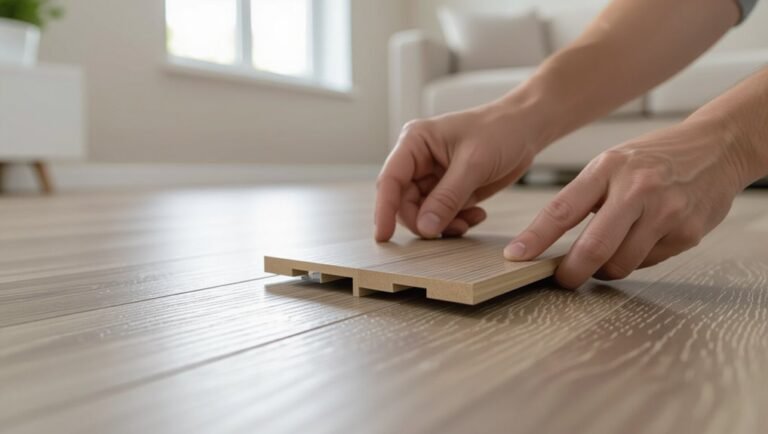
You’ll want to know the basic makeup of laminate—multiple layers including a wear layer, printed design, core, and backing—because each one affects durability.
Look at construction and AC ratings to see whether a product is meant for light residential use or heavy commercial traffic.
Choosing between residential and commercial-grade laminate will directly change how long your floor holds up.
Layers of laminate flooring and their roles
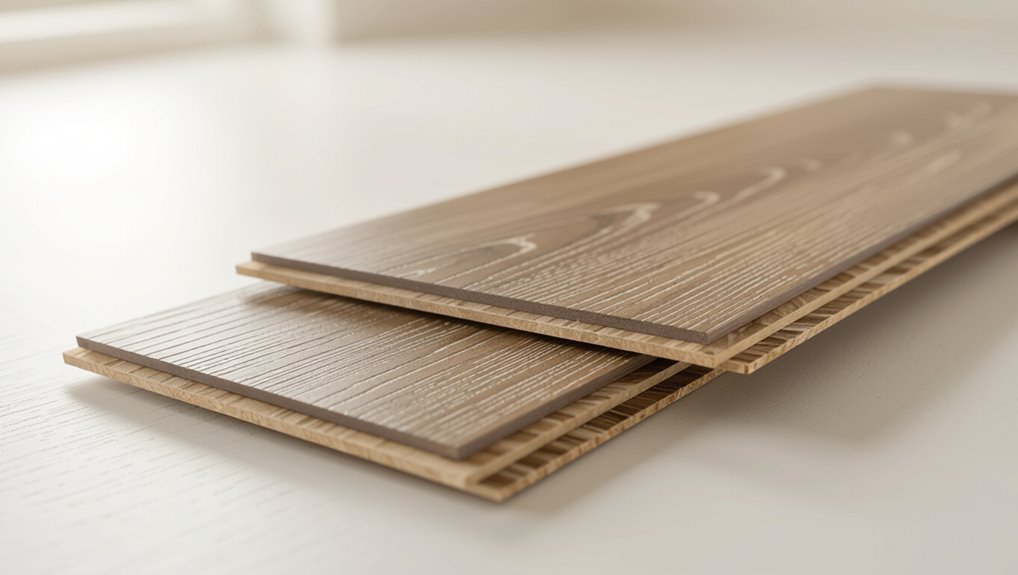
Think of laminate flooring as a layered system where each ply plays a specific role in durability, appearance, and moisture resistance.
The wear layer shields against scratches and stains.
The decorative layer provides realistic wood or stone visuals.
The core gives structural stability and impact resistance.
The backing balances moisture protection and dimensional stability so your floor performs reliably over time.
Common laminate construction types (AC ratings explained)
Laminate comes in a few common constructions that directly affect how long it lasts, so knowing the differences helps you pick the right type for your space. You’ll see AC ratings (AC1–AC5) indicating durability for varying traffic. Choose higher AC for busy areas; lower AC fits bedrooms.
| Rating | Feeling |
|---|---|
| AC1 | Gentle |
| AC2 | Comfortable |
| AC3 | Confident |
| AC4 | Tough |
Differences between residential and commercial-grade laminate
While both residential and commercial-grade options look similar at a glance, they’re built to different standards and lifespans; residential boards prioritize comfort and appearance, whereas commercial boards emphasize high-impact wear resistance and longer service intervals.
You’ll choose residential for bedrooms and living areas, and commercial for offices or retail.
Commercial grades use thicker wear layers, denser cores, and tougher finishes, extending usable life under heavy traffic.
Major Factors That Determine Laminate Floor Lifespan
Several key factors will determine how long your laminate floor lasts, starting with material quality and the AC wear rating.
Installation and subfloor conditions, environmental exposure (moisture, UV, temperature), traffic and pets, and your maintenance and cleaning choices all play major roles.
We’ll look at each of these so you can make smarter choices and extend your floor’s life.
Material quality and AC wear rating
When you’re choosing flooring, the core material and surface wear layer determine how long it’ll stand up to daily use; higher-quality boards and a stronger AC (abrasion class) rating mean fewer scratches, dents, and visible wear over time.
You should prefer HDF cores and AC3–AC5 for homes and high-traffic areas. Better wear layers resist abrasion, moisture edge swelling, and maintain appearance longer.
Installation quality and subfloor conditions
Because even the best laminate can fail on a poor foundation, installation quality and subfloor conditions play a huge role in how long your floors last.
You should guarantee the subfloor is flat, clean, dry, and structurally sound before laying planks.
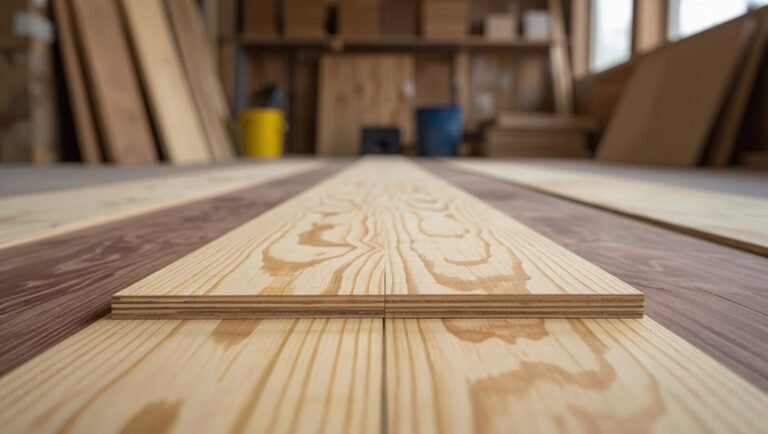
Proper underlayment, correct expansion gaps, and tight seams prevent buckling, squeaks, and premature wear.
Skilled installation avoids costly repairs.
Environmental conditions (moisture, UV, temperature)
If you don’t control moisture, UV exposure, and extreme temperatures, even a high-quality laminate won’t reach its expected lifespan.
You should keep humidity stable, fix leaks, and avoid wet-mopping.
Block direct sunlight or use UV-protective window film to prevent fading and warping.
Maintain indoor temperatures within manufacturer recommendations to prevent board swelling, shrinking, and delamination over time.
Traffic and usage patterns (foot traffic, pets, furniture)
Although your laminate’s quality sets the baseline, the amount and type of traffic—footfall, pets, and how you move furniture—dictate how fast it shows wear.
High-traffic zones thin wear layers, pet claws and dirt cause scratches, and dragging furniture dents or cracks joints.
You’ll shorten lifespan by ignoring protective pads, letting grit accumulate, or concentrating heavy use in small areas.
Maintenance routines and cleaning products used
A consistent maintenance routine and the right cleaning products keep laminate floors looking new and extend their lifespan.
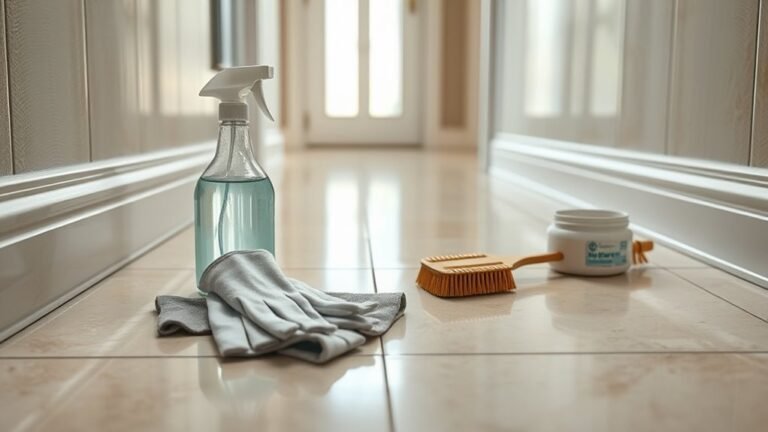
You should sweep or vacuum regularly to remove grit, mop with a damp microfiber and manufacturer-approved cleaner, and wipe spills immediately.
Avoid abrasive tools, waxes, or oil-based cleaners.
Periodic inspections and quick spot treatments prevent staining and wear, preserving finish and structural integrity.
Accidental damage and impact events
When heavy objects fall or furniture gets dragged across the surface, laminate can chip, crack, or delaminate. Those impacts often cause the most immediate, visible damage to its wear layer and core.
You can reduce risk by using pads, lifting instead of dragging, and limiting high-impact activities. Quick repairs and protective measures preserve appearance and extend lifespan.
What Shortens Laminate Flooring Life Common Causes of Failure
You’ll see laminate fail faster from water and moisture damage, plus scratches, dents, and general surface wear.
Poor installation, prolonged sun exposure that causes fading, and using the wrong cleaning chemicals or maintenance routines will also cut its lifespan.
Keep an eye on these issues so you can prevent premature failure.
Water and moisture damage patterns
Moisture is one of the fastest ways to ruin laminate flooring, because the core and tongue‑and‑groove joints swell, buckle, and delaminate once water gets in.
You’ll see cupping, edge lifting, gaps, or dark stains from prolonged exposure. Leaks, high humidity, wet mopping, and spills allowed to sit accelerate failure.
Preventive sealing, prompt cleanup, and proper subfloor moisture control help prolong life.
Scratches, dents, and surface wear
Though laminate resists everyday scuffs better than many wood floors, surface wear from scratches, dents, and abrasion still shortens its life if you don’t protect it.
You’ll accelerate wear by dragging furniture, using hard-soled shoes, or leaving grit under rugs.
Use felt pads, area rugs, and soft casters, keep floors clean of debris, and avoid sharp traffic to preserve the wear layer.
Poor installation mistakes that lead to failure
If installers cut corners or you try a DIY job without the right prep, even high-quality laminate can fail quickly.
You’ll face warped boards, squeaks, and gaps when subfloor isn’t level or underlayment’s skipped. You can avoid disaster by doing it right; otherwise you’ll regret it.
- Uneven subfloor
- Skipped underlayment
- Tight seams/no expansion gap
- Improper acclimation
Exposure to sunlight and fading
When sunlight streams through your windows, it gradually bleaches and weakens laminate’s printed wear layer, causing colors to fade and patterns to look washed out over time.
You’ll notice uneven fading where rugs or furniture once shielded boards.
To protect appearance, rotate rugs and furniture, install UV‑filtering window films or shades, and rearrange décor periodically so exposure is distributed more evenly.
Incompatible cleaning chemicals and improper maintenance
Sunlight isn’t the only thing that shortens laminate’s lifespan—your cleaning choices and upkeep matter just as much.
Using harsh chemicals, bleach, or wax can strip the protective wear layer and cause swelling or discoloration.
Don’t overwet the floor; mop damply and wipe spills immediately.
Follow manufacturer recommendations, use pH-neutral cleaners, and replace damaged planks promptly to prevent further damage.
How to Assess Current Condition When to Repair vs Replace
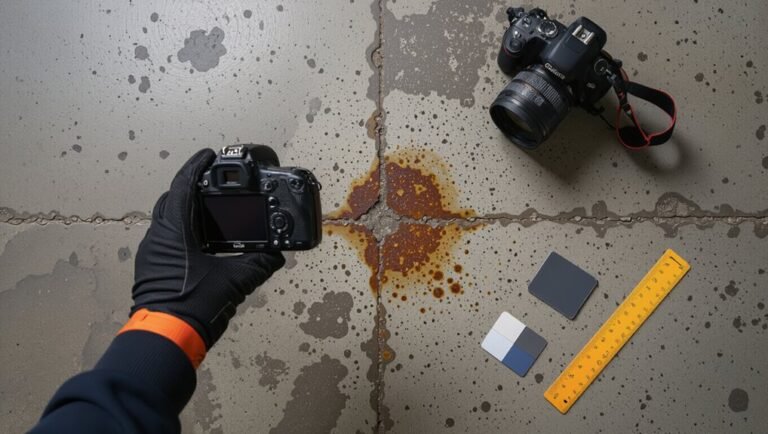
Check for gaps, warping, surface scratches, or soft spots to see if your laminate needs targeted repairs or a full replacement.
If damage is widespread, the planks are buckling, or moisture has ruined the underlayment, replacement is usually the smarter choice.
Use a quick checklist—extent of damage, age of flooring, and repair versus replacement costs—to guide your decision.
Signs your laminate needs repair
Wondering whether your laminate can be fixed or needs replacing? Look for localized issues: small chips, surface scratches, or loose planks that click when walked on.
Check seams for minor gaps, slight warping limited to one area, and finish wear that responds to refinishing products. If damage is contained and subfloor is sound, you can usually repair rather than replace.
Signs replacement is necessary
If damage is widespread, persistent, or affecting the floor’s structure, it’s time to evaluate replacement rather than repair.
You should replace when planks buckle, sag, or separate at seams, when edges swell from moisture, or when wear layer and pattern are irreversibly faded.
Chronic creaking, uneven subfloor issues, or repeated repairs that don’t hold also justify replacement for long-term performance.
Quick diagnostic checklist for homeowners
When you’re sizing up your laminate floor, focus on a few clear, quick checks that tell you whether a repair will do or you should plan for replacement; inspect plank integrity, moisture damage, surface wear, and how the floor behaves underfoot.
- Loose or buckled planks — trip hazard, replace.
- Dark swelling or mold — likely replace.
- Deep scratches or worn finish — repair or refinish.
- Squeaks/gaps underfoot — consider repair.
Cost factors to consider in repair vs replace decision
Because repair and replacement carry very different price tags and long-term impacts, you should weigh several cost factors before choosing a path:
| Factor | Consideration |
|---|---|
| Repair cost | Parts, labor, match difficulty |
| Replacement cost | Materials, installation, disposal |
| Longevity | Expected remaining life after work |
| Hidden costs | Subfloor damage, downtime, resale value |
Compare estimates, factor lifespan, and choose the option with the best lifecycle value.
Practical Prevention and Maintenance Strategies to Extend Lifespan
To maximize your laminate’s lifespan, start with proper installation—accurate subfloor prep, correct acclimation, and tight seams are nonnegotiable.
Stick to a routine cleaning schedule using manufacturer-recommended products, use furniture pads and entry mats, monitor humidity, and act immediately on spills to prevent swelling.
If wear appears, consider surface restoration or manufacturer-approved refinishing options before opting for replacement.
Proper installation best practices (what installers must ensure)
If you want your laminate floor to reach its full lifespan, installers must get several key steps right from the start:
- Inspect and acclimate planks — humidity matters.
- Level subfloor thoroughly to prevent gaps and squeaks.
- Install proper underlayment for moisture barrier and cushioning.
- Leave correct expansion gaps and secure connections to avoid buckling and stress over time.
Routine cleaning schedule and recommended products
Once installers finish and your floor’s settled, regular care will keep it looking and performing its best for years.
Sweep or vacuum (soft-brush) daily to remove grit. Mop weekly with a damp microfiber mop and a pH-neutral laminate cleaner; avoid excess water.
Wipe spills immediately with a soft cloth. Use manufacturer-approved products only to protect finish and warranty.
Protective measures: pads, mats, humidity control
While routine cleaning handles dirt, protective measures stop damage before it starts: use felt pads under furniture legs, place durable mats at entrances, and keep indoor humidity between 35–55% to prevent cupping or gaps.
Rotate rugs in high-traffic spots, use chair casters designed for laminate, and monitor humidity with a hygrometer. Regular inspections catch wear early so you can act before repairs grow.
How to handle spills and water incidents immediately
Protective measures cut down on everyday wear, but quick, decisive action matters when spills and leaks happen—how you respond in the first minutes can mean the difference between a minor cleanup and warped planks or swelling seams.
Immediately blot liquids with absorbent towels, lift wet rugs, and ventilate the area. Use a fan or dehumidifier, avoid steam cleaners, and inspect seams for trapped moisture.
Refinishing options and surface restoration strategies
If you want to restore a worn laminate floor, know that options are limited but practical: deep cleaning, surface repairs, and replacement of damaged planks are your main choices, while full refinishing like sanding and re-staining usually isn’t possible because laminate lacks a real wood surface.
You can use specialized cleaners, repair kits for chips and scratches, and match/replace planks to maintain appearance and function.
Mistakes to Avoid That Shorten Laminate Life
Don’t swamp your laminate with water or leave spills and floods to soak in, because prolonged moisture will warp boards and ruin the core.
Make sure the subfloor’s properly prepared during installation and avoid abrasive tools or harsh chemicals that can scratch or strip the wear layer.
Always follow the manufacturer’s care instructions and warranty rules so you don’t void coverage or shorten the floor’s life.
Using excessive water when cleaning
When you douse laminate floors with too much water, the moisture can seep into seams and the core, causing swelling, warping, or delamination over time.
You should wipe spills promptly, use a barely damp mop, and avoid soaking.
Choose cleaners made for laminate, wring mops thoroughly, and clean small sections.
These simple habits prevent damage and extend your floor’s usable life.
Allowing prolonged moisture exposure or flooding
Excess moisture from a spill is one thing, but letting water sit for hours or suffering a flood does far more damage than occasional damp mopping.
If you don’t act fast, boards will swell, delaminate, and warp. Remove water immediately, dry with fans and dehumidifiers, and lift planks if soaked.
Prolonged exposure invites mold and may require full replacement.
Neglecting subfloor preparation during installation
If you skip proper subfloor prep, your new laminate can fail long before its time. You need a flat, clean, dry base; unevenness causes flexing, gaps, and snapped joints.
Failing to remove debris, level dips, or install underlayment invites squeaks, premature wear, and moisture problems.
Take time to prep correctly so the floor performs and lasts as planned.
Using abrasive tools or wrong cleaning chemicals
One quick scrub with steel wool or a harsh pad can leave permanent scratches and wear away the protective finish on laminate, so don’t grab abrasive tools.
Instead, use soft microfiber mops and pH-neutral cleaners made for laminate. Avoid bleach, ammonia, or oil-based products that dull or warp surfaces.
Rinse residues promptly and spot-test unfamiliar cleaners to protect finish and lifespan.
Ignoring manufacturer guidelines and warranties
Scrubbing with the wrong tools or cleaners can damage the surface, but following what the manufacturer recommends will keep your warranty valid and your floor performing as promised.
Ignore guidelines and you risk voiding coverage and accelerating wear.
Read installation, maintenance, and moisture rules, register your product, and keep receipts.
If a problem arises, you’ll want documented care and approved fixes to preserve lifespan and value.
Buying Guidance Choosing Laminate With Longevity in Mind
When you’re shopping for long-lasting laminate, start by matching the AC rating to your room’s traffic and consider if engineered wood or vinyl might offer better durability for your needs.
Ask manufacturers and installers specific questions about wear layer thickness, water resistance, and installation methods, and get those answers in writing.
Carefully read warranty terms—what’s covered, for how long, and any maintenance requirements—to avoid surprises later.
Selecting the right AC rating for your room
Because traffic and use vary so much from room to room, picking the right AC rating means matching durability to how you actually live: AC1 or AC2 works for low-traffic bedrooms, AC3 is the sweet spot for most living areas, and AC4–AC5 are best for busy family rooms, entryways, or home businesses where scuffs and wear are frequent.
| Area | Recommended AC |
|---|---|
| Bedroom | AC1–AC2 |
| Living room | AC3 |
| High traffic | AC4–AC5 |
Comparing laminate vs engineered wood and vinyl for durability {comparison}
While laminate, engineered wood, and vinyl can all mimic hardwood looks, they differ in how they handle wear, moisture, and repair—so pick the one that fits your lifestyle.
Laminate resists scratches and dents but can swell with water.
Engineered wood sands and refinishes a bit but costs more.
Vinyl tolerates moisture and heavy traffic, offering long-term durability with minimal maintenance.
Questions to ask manufacturers and installers
Who should you ask first—manufacturer or installer—and what answers matter most for longevity?
You’ll want clear, practical info to protect your floor. Ask about wear layer rating, moisture protocols, recommended adhesives/underlay, and installation experience.
Prioritize transparency and written guidance. A short checklist helps you choose confidently:
- Abrasion class
- Moisture mitigation
- Installation method
- Installer references
Warranty terms to check and understand
1 key document can save you money and headaches later: the warranty.
Read coverage length, what’s included (wear, water, structural), and exclusions (moisture, improper installation, pets).
Check transferability, prorated vs. full replacement, claim process, and required maintenance.
Keep proof of purchase and photos.
If terms seem vague, get clarifications in writing before you buy or schedule installation.
Real-World Scenarios and Lifespan Examples
If you’re considering laminate for a busy family living room, expect durable wear but plan for periodic replacement in high-traffic zones.
In wet areas like bathrooms or laundry rooms, follow strict moisture-control do’s and don’ts to prevent swelling and warping.
For commercial retail or office use, choose a heavy-duty AC rating and budget for faster turnover than in residential settings.
High-traffic living room in a family home (case scenario)
In a busy family living room where kids, pets, and everyday traffic converge, laminate flooring will typically last 10–20 years depending on quality and maintenance.
You’ll get nearer the upper end with a high AC-rating, regular cleaning, and protective pads on furniture.
You should vacuum crumbs, wipe spills promptly, use rugs in entryways, trim pet nails, and replace worn planks before damage spreads.
Bathroom or laundry area (do’s and don’ts)
Because bathrooms and laundry rooms expose floors to frequent moisture, you should treat laminate here differently than in dry areas: choose water-resistant or specially rated “wet-room” laminate, seal edges, and keep ventilation and mats in place to cut down on standing water.
Wipe spills immediately, avoid steam-cleaning, elevate appliances to prevent leaks, and inspect seals regularly so small issues don’t shorten your floor’s lifespan.
Commercial retail or office environment considerations
After handling moisture-prone rooms like bathrooms and laundries, you’ll face a different set of demands in commercial retail or office spaces where foot traffic, furniture movement, and cleaning routines drive wear.
Choose high AC-rated laminate, use protective pads and casters, and enforce entry mats.
Schedule regular gentle cleaning, replace damaged planks promptly, and expect shorter lifespans under heavy daily use.
FAQ
You probably have specific questions like how long laminate should last in a typical home and whether water-damaged boards can be repaired.
You’ll also want to know if laminate suits kitchens or bathrooms, how often high-traffic areas need replacement, and whether refinishing helps.
Below are concise answers to those common concerns.
How long should my laminate floor last in a typical home?
Lifespan depends on quality, installation, and care, but in a typical home well-installed laminate usually lasts 10 to 25 years; higher-end products and careful maintenance push that toward the upper end.
You can extend life by using pads under furniture, cleaning spills promptly, controlling humidity, and avoiding abrasive cleaners.
Regular inspection and replacing worn high-traffic planks preserves appearance and function.
Can laminate be repaired if it’s water-damaged?
If your laminate floor shows signs of water damage—buckling, swelling, cupping, or dark stains—you can often repair it, but the fix depends on how long the moisture sat and which layers are affected.
Minor surface damage can be dried, cleaned, and replaced plank-by-plank.
Extensive core swelling or warped seams usually requires removing affected boards and replacing the underlayment or sections to restore stability and appearance.
Is laminate a good choice for kitchens and bathrooms?
Wondering whether laminate holds up in kitchens and bathrooms? You can use laminate there if you choose water-resistant or waterproof options and install with tight seams and proper underlayment.
Wipe spills quickly, avoid standing water, and protect edges near sinks and dishwashers. For heavy moisture or frequent steam, consider true vinyl or tile instead to reduce long-term risk.
How often should I expect to replace laminate in high-traffic areas?
How long your laminate lasts in high-traffic areas depends on quality, installation, and care—you can generally expect 10–20 years from standard laminate and 15–30 years from higher-end, commercial-grade options when they’re well installed and maintained.
Expect closer replacement toward the lower end if you have pets, heavy furniture movement, or poor moisture control.
Replace sooner for visible wear, damage, or delamination.
Will refinishing extend the life of laminate flooring?
Can you refinish laminate floors the way you’d hardwood? No — laminate has a printed decorative layer over compressed core, so sanding or refinishing will damage it.
You can extend life by cleaning, preventing scratches, using area rugs, and replacing damaged planks.
Some manufacturers offer replacement planks or resurfacing films, but true refinishing isn’t an option for standard laminate.