40 Inspiring Green Office Ideas to Boost Creativity and Productivity
Transform your office into a green workspace to boost creativity and productivity. Incorporate biophilic design by using indoor plants and creating a living wall. Opt for furniture made from recycled materials and hang art crafted from repurposed items. Install energy-efficient lighting and water-saving fixtures to improve sustainability. Engage in team-building eco-projects that foster collaboration and a sense of responsibility. These inspiring ideas can lead to an invigorating environment that enhances well-being and teamwork, and there’s even more to discover!
Add Low-Maintenance Desk Plants for Focus
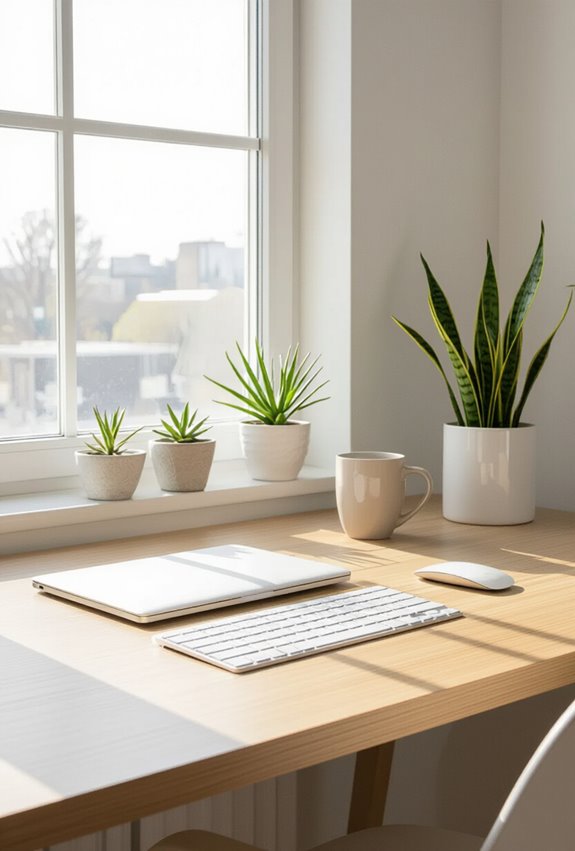
Bring a small, hardy plant to your desk to sharpen focus and reduce stress.
You’ll pick succulents for easy care and arrange succulent stations or tiny pots for variety.
Add airplants clusters in glass holders for visual interest without soil.
Rotate watering days, prune dead leaves, and keep sunlight moderate.
These low-maintenance choices boost mood and help you concentrate during busy workdays.
Create a Living Wall to Inspire Creativity
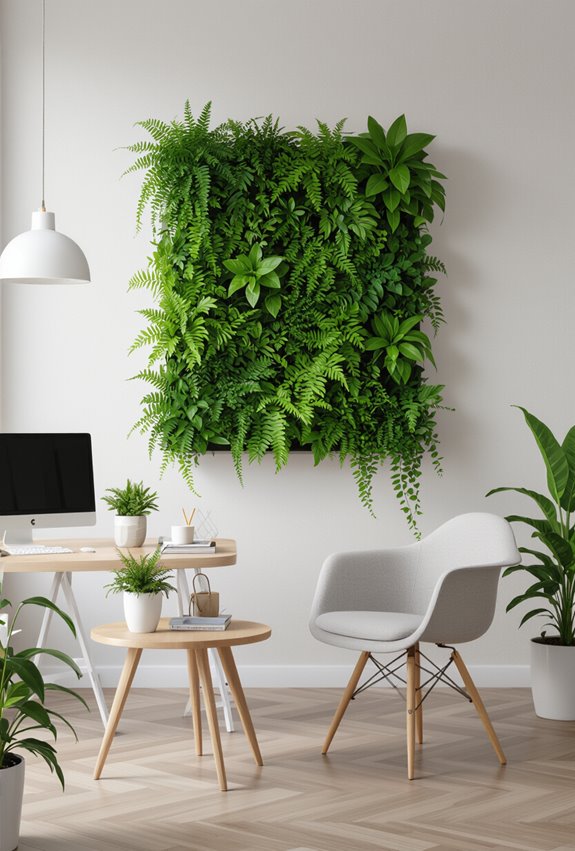
If you want a bold focal point that sparks ideas, build a living wall filled with varied textures and colors to stimulate creativity.
Choose a vertical mossscape or mixed planter grid, position it where teams gather, and add an interactive mossarium element for tactile engagement.
You’ll refresh air, soften acoustics, and invite impromptu brainstorming around a dynamic, low-effort green feature.
Maximize Natural Light to Improve Energy and Mood
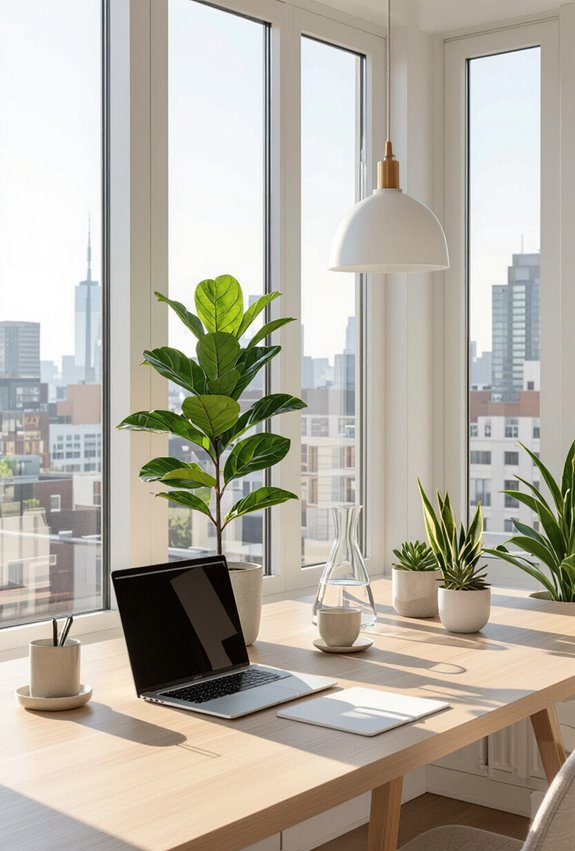
Although office design often overlooks windows, maximizing natural light is one of the easiest ways to boost energy and mood—so arrange desks, remove heavy curtains, and choose low-profile partitions to let daylight reach more people.
You’ll adopt daylight harvesting strategies, position workstations for ideal circadian alignment, and use reflective surfaces to spread light, reducing artificial lighting needs while improving alertness and well-being.
Install Daylight-Mimicking Full-Spectrum Bulbs
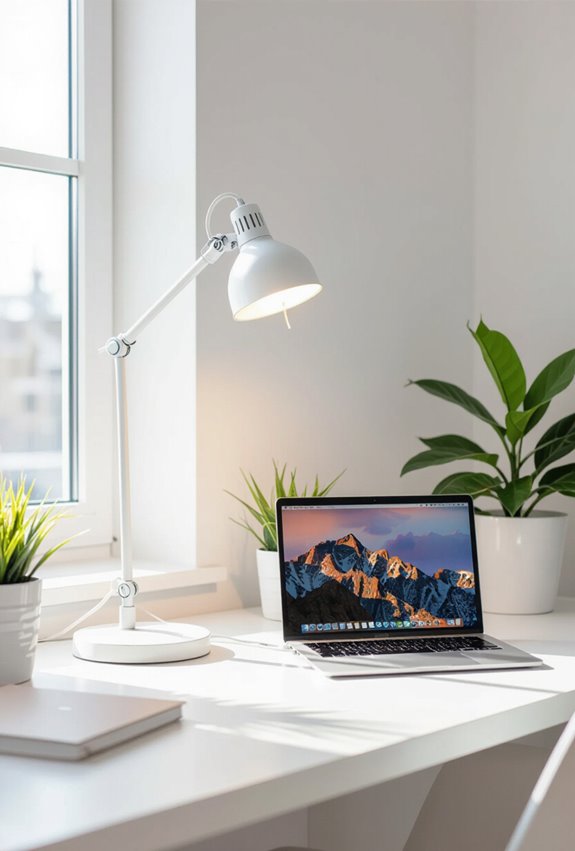
Swap out harsh fluorescents for daylight-mimicking full-spectrum bulbs to recreate natural light’s balance and support alertness, mood, and color accuracy.
You’ll choose bulbs with adjustable color temperature to match tasks and time of day, apply glare control fixtures to reduce eye strain, and prefer lamps with verified flicker reduction.
Together these circadian lighting choices boost focus, comfort, and true color rendering.
Choose Air-Purifying Plants to Reduce VOCs
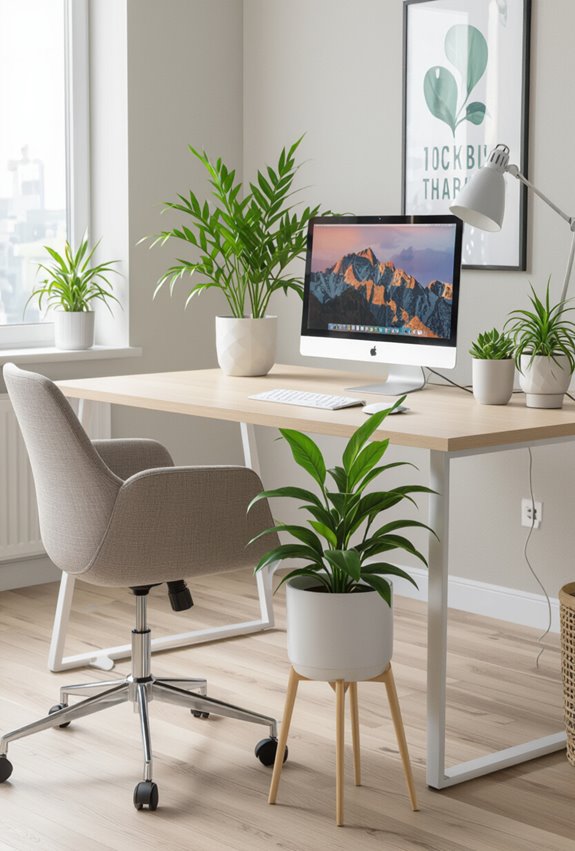
Often overlooked, choosing the right air-purifying plants can noticeably reduce common volatile organic compounds (VOCs) like formaldehyde and benzene in your office.
Add air filtering ferns and spider plants to trap pollutants, and use charcoal planters to absorb odors and chemicals.
Place clusters near desks and printers, rotate plants for light, and water responsibly to prevent mold while improving focus and air quality.
Replace Carpet With Low-VOC Flooring

Consider replacing carpet with low-VOC hard flooring to cut indoor air pollution and simplify maintenance.
You’ll choose durable options like bamboo flooring or reclaimed wood, install using VOC free adhesives, and reduce dust, mold risk, and cleaning effort.
Low-VOC surfaces improve air quality, last longer, and support a cleaner, more productive workspace without chemical off-gassing from traditional carpets.
Use Non-Toxic Paints and Finishes for Healthier Air
After swapping out carpet for low‑VOC flooring, look at the paints and finishes you use next — they’re a frequent source of indoor air pollutants.
Choose low‑ or VOC free primers and paints, and favor natural sealants for trim and furniture. You’ll reduce off‑gassing, protect colleagues’ health, and keep air fresh so creativity and focus stay high without compromising aesthetics or durability.
Swap Single-Use Kitchen Items for Reusable Ware

When you switch single‑use cups, plates, and utensils for sturdy reusable ones, you cut waste and save money over time while keeping the kitchen looking professional.
Encourage a durable dishware swap with labeled storage and quick rinses, and replace disposable napkins with cloths.
Use a microfiber towel replacement routine for spills and polishing.
Train staff to rinse and load efficiently to maintain hygiene and flow.
Create a Paperless Workflow to Cut Waste
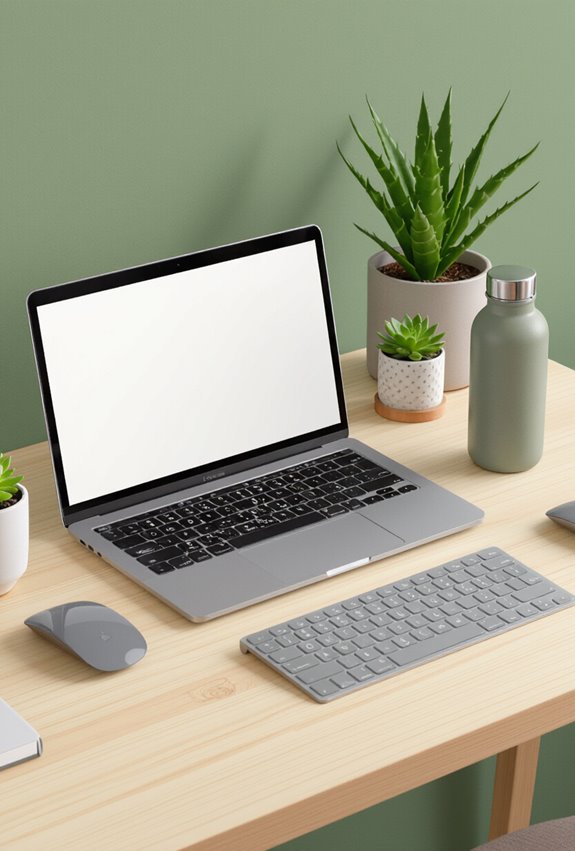
Cut paper use by digitizing forms, invoices, and internal memos so your team can access, edit, and sign documents online.
Move approvals into a centralized system, use digital signatures to finalize agreements, and apply workflow automation to route tasks, track status, and reduce bottlenecks.
Train staff on tools, set naming conventions, and archive securely to minimize printing and streamline collaboration.
Buy Certified Eco-Friendly Office Supplies
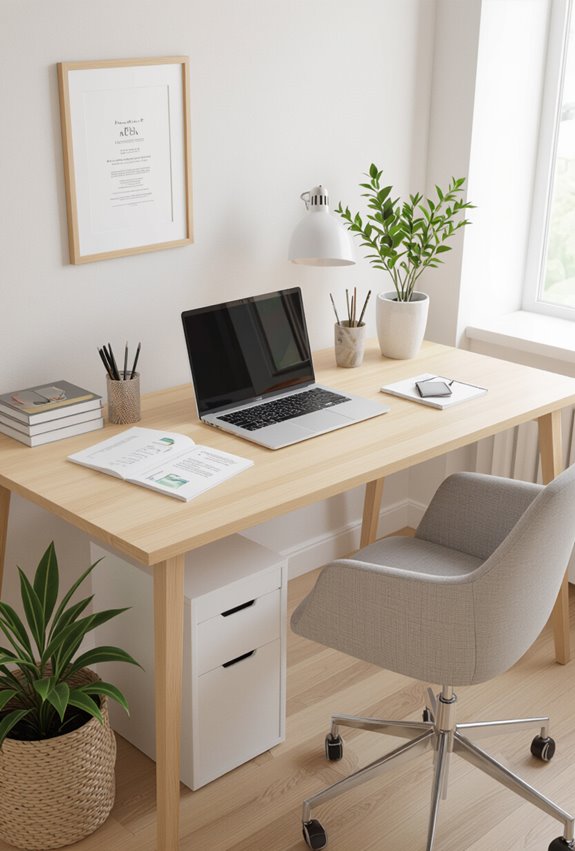
Choosing certified eco-friendly office supplies helps you reduce your environmental impact while keeping quality and safety standards high.
You’ll prefer products with recycled packaging, non-toxic inks, and FSC or Green Seal labels.
Buy from vendors that verify lifecycle claims and invest in carbon offsets for shipping.
Small choices add up—stock recycled paper, refillable pens, and energy-efficient electronics to support a greener workspace.
Select Ergonomic Recycled-Content Furniture
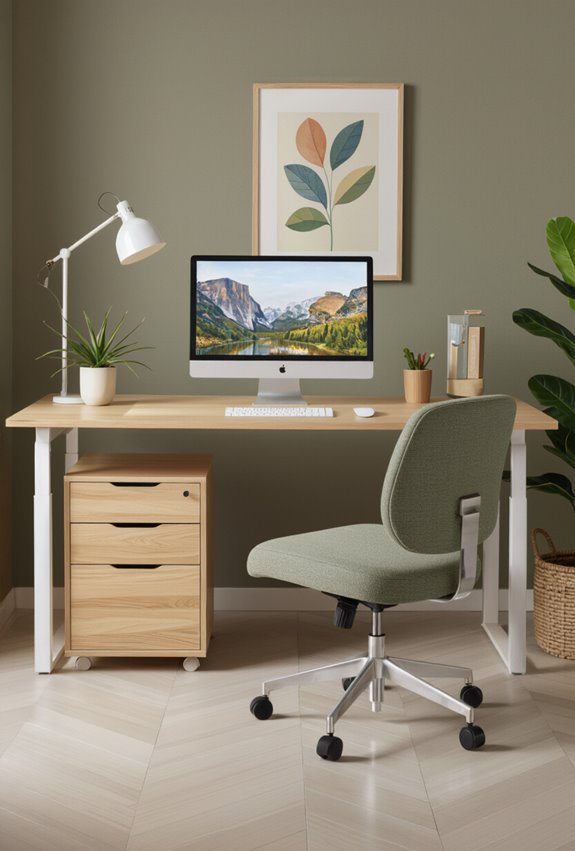
Look for ergonomic furniture that’s built from recycled or reclaimed materials so you get both comfort and a smaller environmental footprint.
Choose chairs and seating with supportive ergonomic panels and cushions made from recycled textiles to reduce waste and improve posture.
Pick durable frames from reclaimed wood or recycled metal, and prioritize modular pieces that adapt to different tasks while keeping sustainability central.
Install Motion Sensors to Cut Lighting Waste
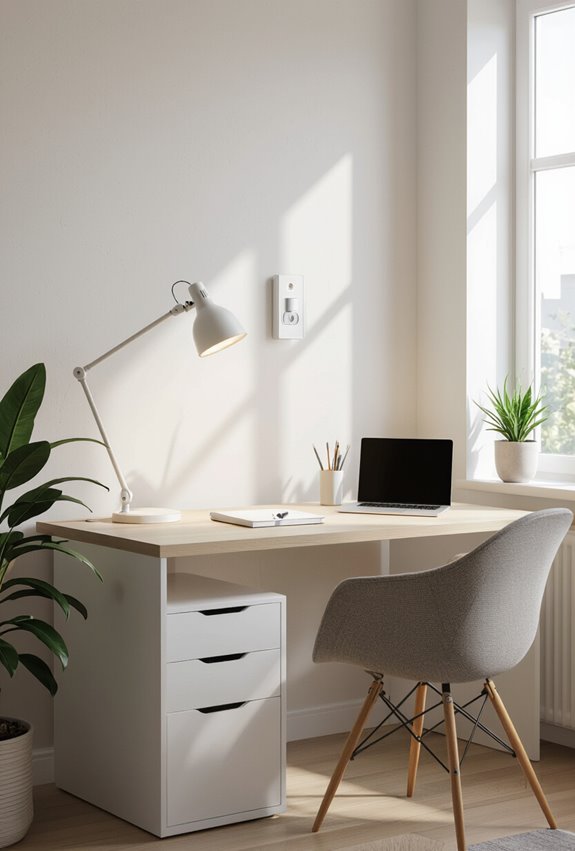
After you’ve made furniture more flexible, trim the rest of your office’s energy drain by installing motion sensors for lighting.
You’ll cut waste with occupancy triggered fixtures that switch off in empty zones. Position sensors thoughtfully, adjust sensor calibration for sensitivity and timeout, and test different settings by time of day.
This reduces bills and keeps teams focused without manual switching.
Upgrade to Energy-Efficient Appliances
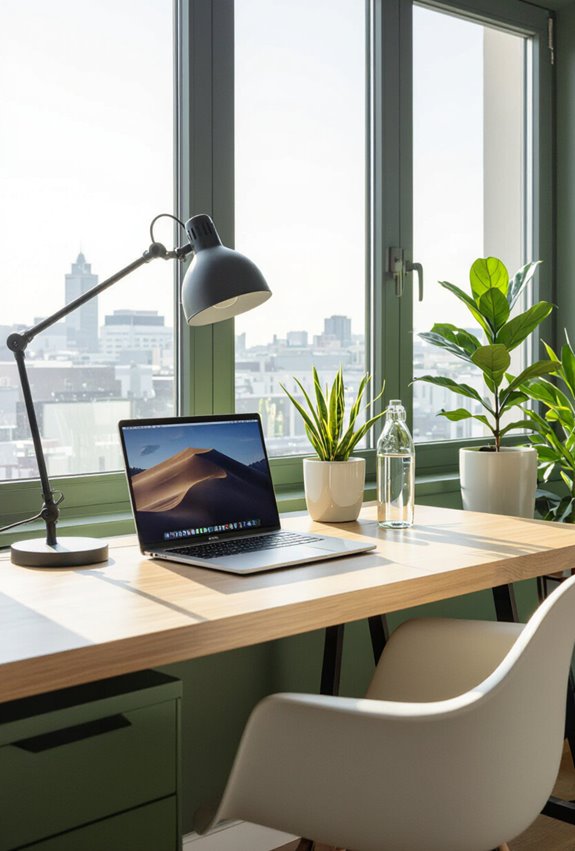
Swap old breakroom and office equipment for ENERGY STAR-rated models to cut power use and operating costs. You’ll reduce standby drain, lower utility bills, and boost staff morale with quiet, efficient machines.
Check for appliance rebates to offset upfront costs, and integrate smart thermostats separately for broader building controls. Prioritize fridges, printers, and dishwashers to get the fastest returns.
Optimize HVAC Settings for Comfort and Efficiency
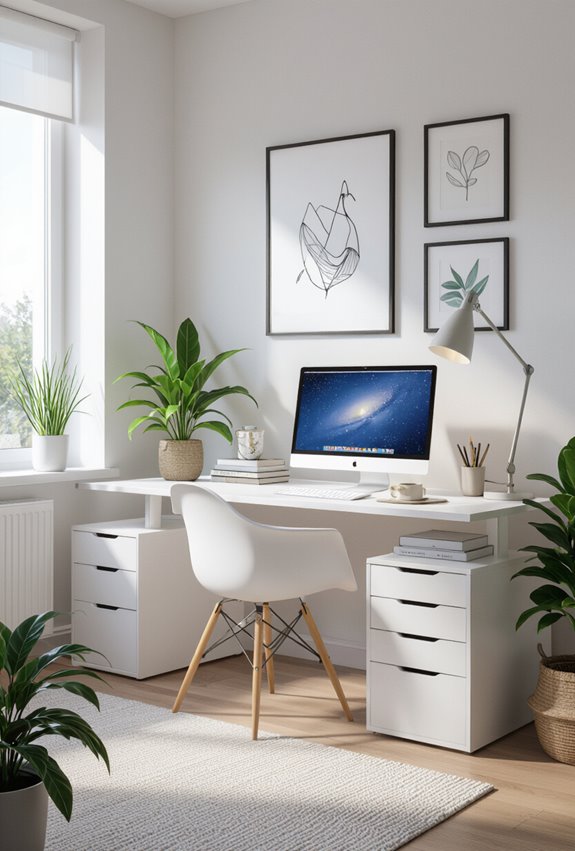
When you fine-tune HVAC schedules and setpoints, you’ll cut energy use while keeping occupants comfortable; aim for wider temperature setbacks during off-hours, gradual setpoint changes to avoid spikes, and zone-based control where possible to match real needs.
You should implement thermostat zoning, monitor humidity control, and use occupancy sensors to adjust ventilation.
Regular maintenance keeps systems efficient and prevents comfort complaints.
Introduce Smart Power Strips to Reduce Phantom Load
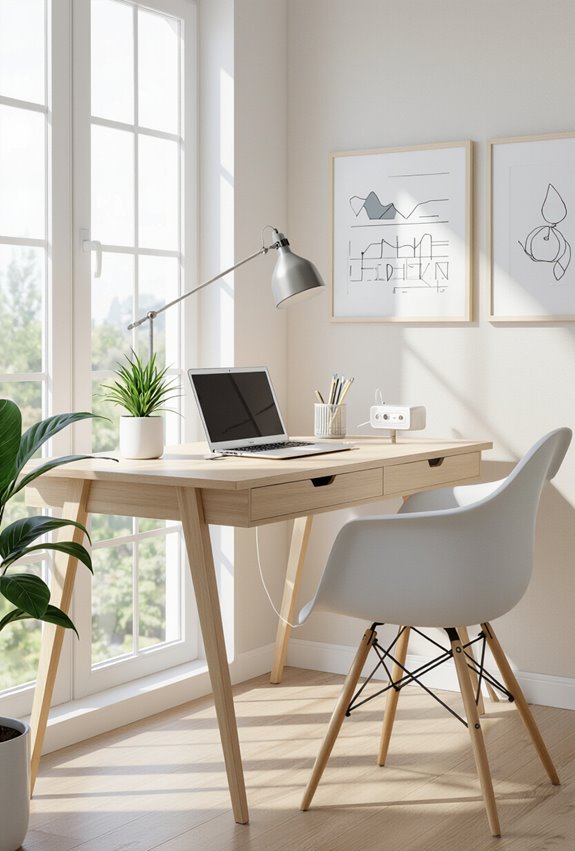
Alongside optimizing HVAC, cutting electrical waste at workstations is another high-impact move: smart power strips kill phantom load from chargers, printers, and peripherals that draw power even when off.
You can install smart strips under desks, set master-controlled outlets, and schedule shutdowns to save energy. This phantom reduction lowers bills and simplifies end-of-day routines while boosting your office’s sustainability.
Design Zones for Quiet Focus and Collaborative Work
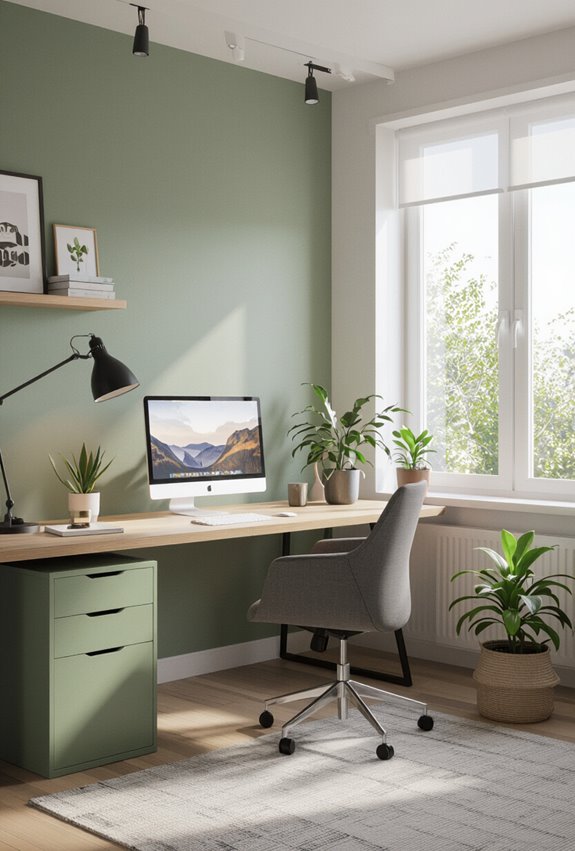
If you want people to do deep work and brainstorm without distraction, design your office with distinct quiet-focus and collaboration zones.
Use Acoustic Pods for focused tasks and Flexible Nooks for quick pairing or solo reflection.
Position zones away from high-traffic areas, add soft materials to control noise, and provide clear signage and booking systems so teams choose the right setting for each activity.
Use Acoustical Plants and Panels to Reduce Noise
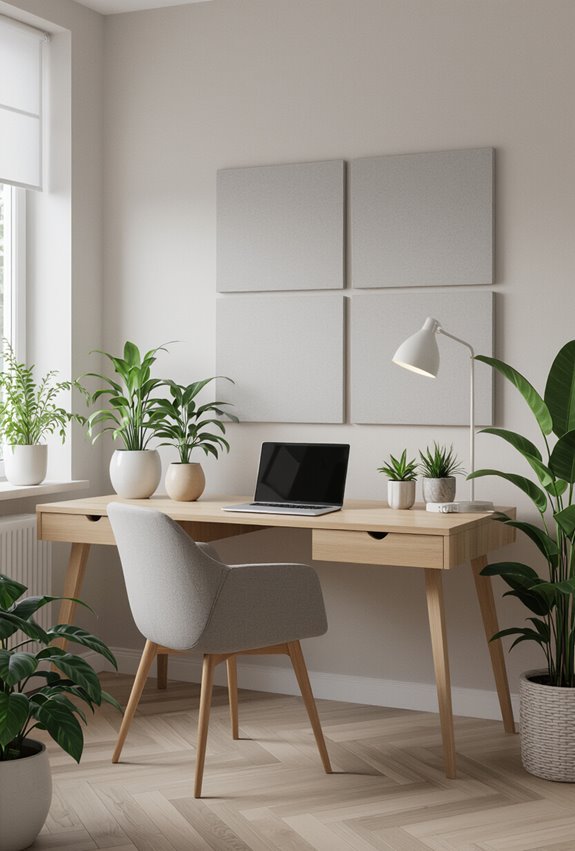
Tackle office noise by combining acoustical plants and panels to absorb sound and create calmer work zones.
You can arrange acoustic plants near desks and along corridors to muffle chatter, then add stylish panel designs on walls or ceilings to target echo.
Mix textures and heights for visual interest, improve privacy, and boost focus without bulky construction or disrupting your green aesthetic.
Bring Outdoor Views Into Meeting Rooms
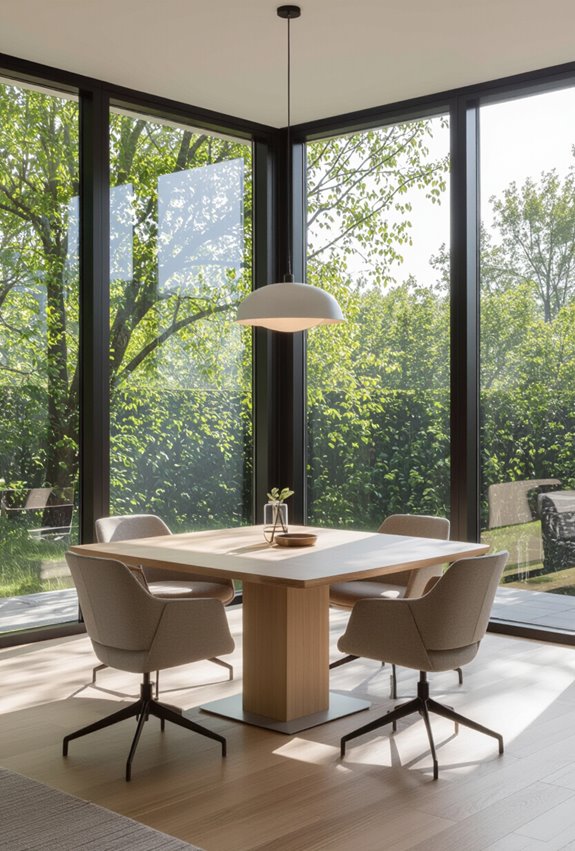
Bringing outdoor views into meeting rooms extends the calm you create with acoustical plants and panels, letting natural light and scenery sharpen focus and ease stress during discussions.
You can add window murals to simulate vistas where real views are limited, and install outdoor screens for flexible, high-resolution nature scenes.
Rotate imagery seasonally to refresh meetings and support wellbeing without overwhelming decor.
Offer Flexible Schedules to Reduce Commuting Emissions
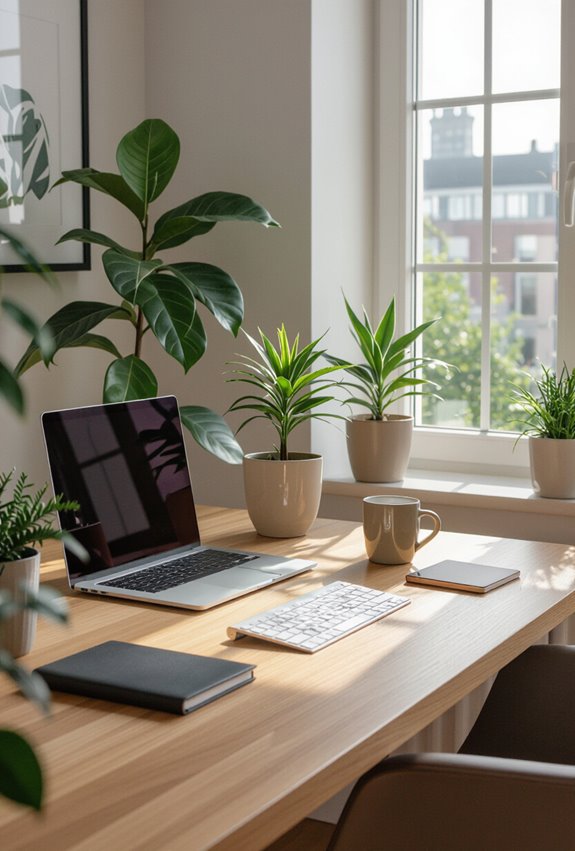
When you let employees shift start and end times or work remotely part of the week, you cut peak-hour commutes and lower transportation emissions without sacrificing productivity.
You can offer a compressed workweek option, staggered shifts, and remote incentives to reward reduced travel.
Track outcomes, maintain core overlap hours for collaboration, and communicate expectations so flexibility boosts morale, efficiency, and sustainability.
Encourage Active Commuting With Bike Storage and Showers
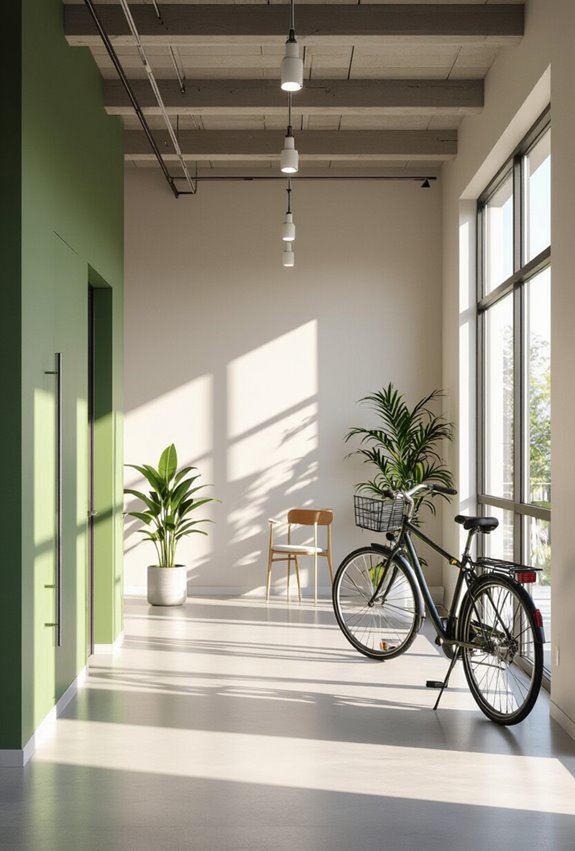
By providing secure bike storage and clean shower facilities, you make cycling or walking to work a practical daily option for more employees.
Install a secure bike rack near entrances, add lockers, and set clear Shower scheduling to avoid conflicts.
Promote active commuting with maps of safe routes, incentives, and regular maintenance workshops so staff feel supported and confident choosing healthier, greener transport.
Set Up a Green Procurement Policy for Office Purchases

Encouraging active commuting is a great start, and you can extend that sustainability mindset to everything you buy for the office with a green procurement policy.
Define eco criteria, require supplier diversity, and ask vendors for lifecycle assessment data.
Prioritize durable, repairable, and recyclable items, set purchasing thresholds, and track performance.
Regularly review policy to cut waste, save costs, and support responsible suppliers.
Start an Office Garden to Engage Employees
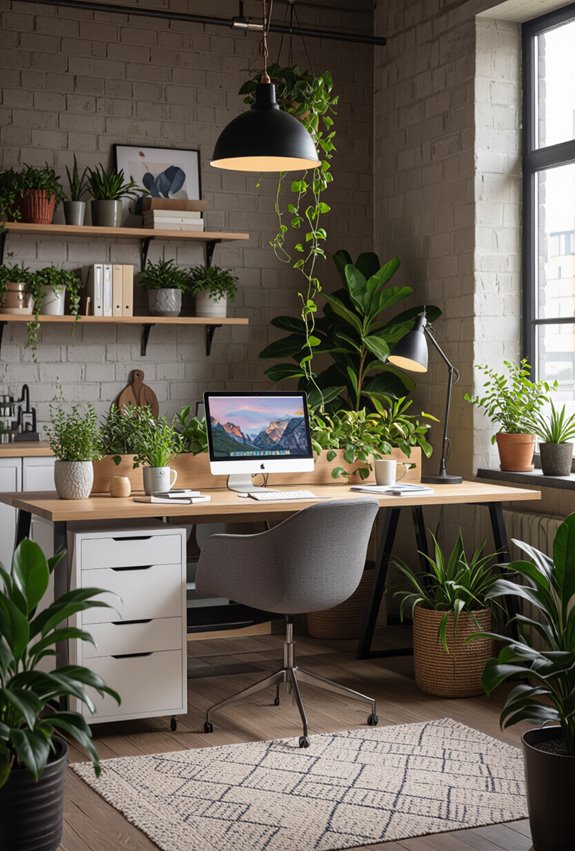
Starting an office garden gives your team a hands-on way to connect with sustainability, boost morale, and bring fresh greenery into the workspace.
You can recruit volunteer gardeners, rotate duties, and schedule soil workshops to teach basic planting and composting.
Keep plots small, assign clear care shifts, and celebrate harvests; this practical project fosters teamwork, reduces stress, and showcases your company’s environmental commitment.
Provide Wellness Perks Tied to Green Behavior
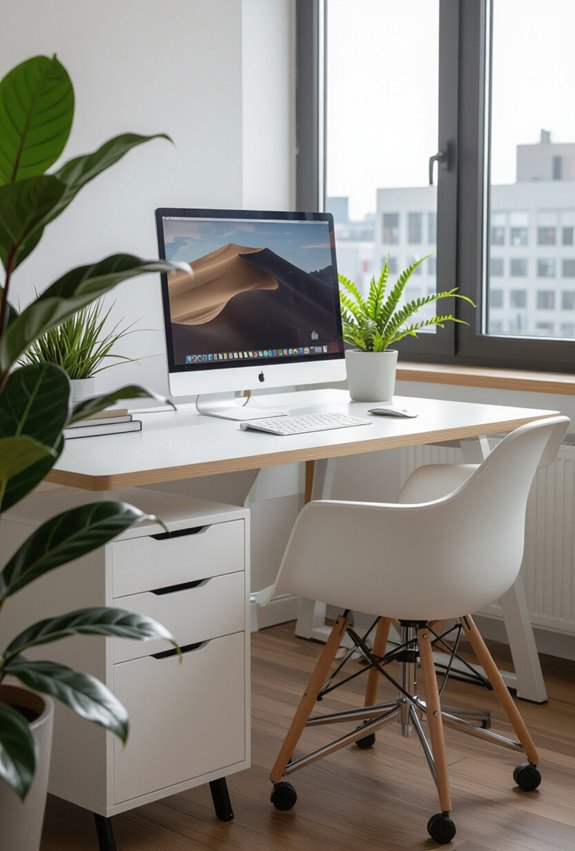
Linking wellness perks to green behavior makes eco-friendly choices feel rewarding and practical for your team. Offer Green commuting incentives like transit subsidies or bike maintenance credits, and tie Eco behavior rewards to measurable actions—carpool logs, recycled materials, or plant-based lunch days.
You’ll boost morale, lower emissions, and foster a culture where healthy habits and sustainability go hand in hand.
Train Staff on Energy-Saving Daily Habits
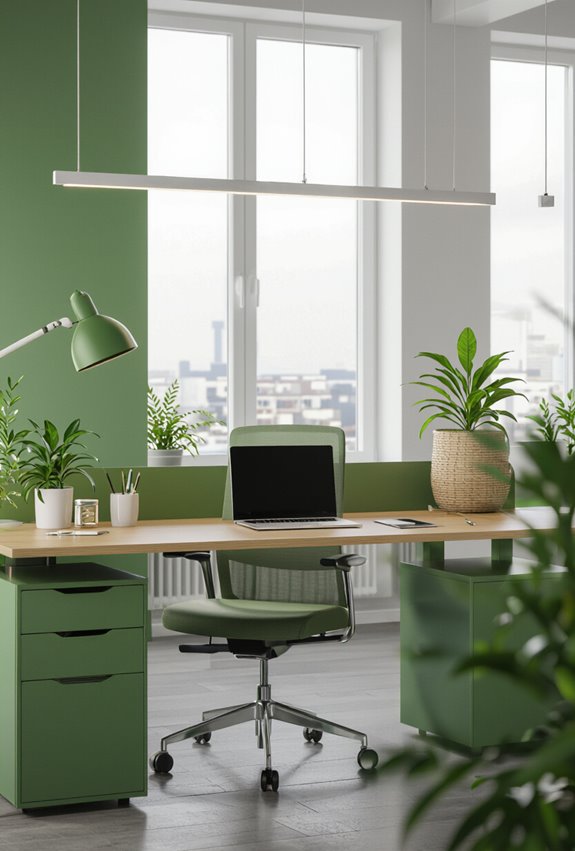
Often, small daily choices add up, so train your team on simple energy-saving habits they can use every workday. Teach practical actions—powering down monitors, optimizing thermostat settings, and using task lighting.
Use behavioral nudges like prompts and reminders, run quick habit audits to spot gaps, and celebrate improvements. You’ll cut waste, lower bills, and build a greener, more focused workplace culture.
Use Local Vendors to Cut Transport-Related Emissions
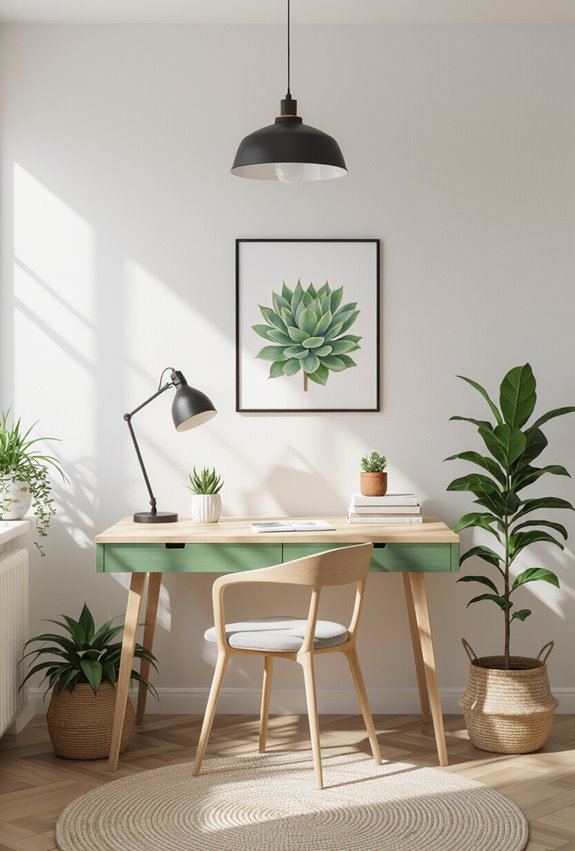
Cutting everyday energy use is great, but you can shrink your office’s footprint even more by sourcing from local vendors: shorter delivery routes mean fewer vehicle miles, lower fuel consumption, and reduced emissions.
Embrace local sourcing for supplies and catering, and require vendor audits to verify sustainable practices. You’ll support the community, cut transport-related emissions, and often enjoy faster, more reliable deliveries.
Invest in On-Site Renewable Energy Where Possible
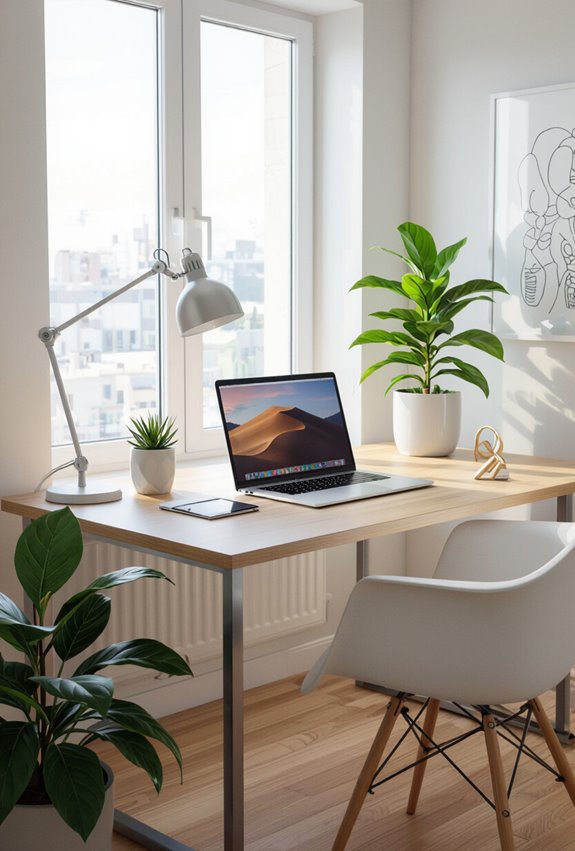
Consider adding on-site renewables like rooftop solar, small wind, or heat pumps to reduce your facility’s carbon footprint and energy bills.
Evaluate solar microgrids and battery storage to smooth output, cut peak charges, and maintain operations during outages.
Start with an energy audit, phase installations to match budgets, and explore incentives or power purchase agreements so you’ll see faster payback and clearer sustainability wins.
Retrofit Windows and Insulation to Save Energy
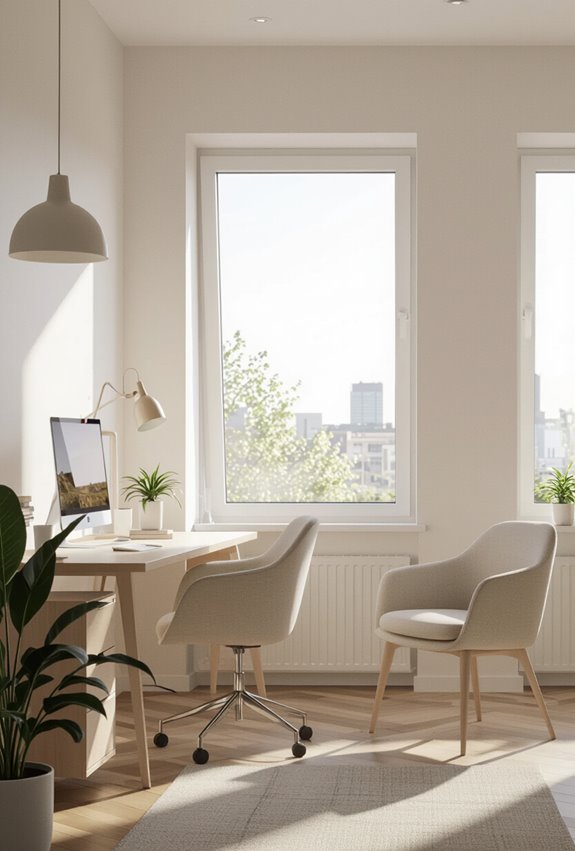
Upgrade your windows and insulation to stop heat loss, lower energy bills, and make your office more comfortable year-round.
You can plan window retrofits to add double glazing or thermal frames, seal drafts, and improve daylighting. Pair those with insulation upgrades in walls and attic to stabilize temperatures, reduce HVAC load, and create a quieter, more productive workspace with measurable energy savings.
Create a Green Team to Maintain Momentum
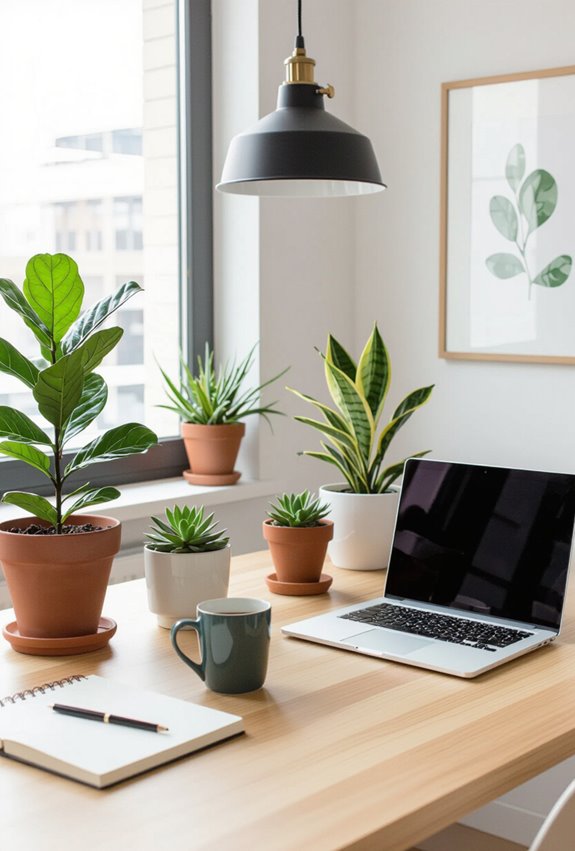
A green team—an engaged, cross-department crew—keeps sustainability efforts moving forward by setting goals, coordinating initiatives, and holding everyone accountable.
You’ll recruit diverse members, assign roles via a clear volunteer rota, and schedule regular check-ins to track progress.
Use a simple recognition program to reward contributions, share responsibilities, and guarantee momentum without overburdening any one person.
Introduce Indoor Plants
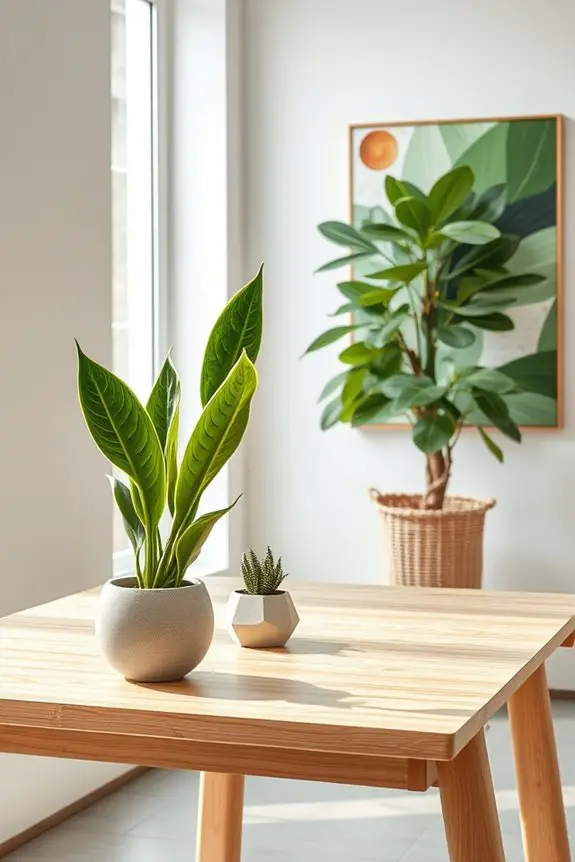
Indoor plants can transform your office into a vibrant and inviting space. By introducing tropical plants like snake plants or peace lilies, you not only enhance aesthetics but also boost your mood.
These air purifying plants help filter toxins, improving the overall air quality and making your workspace healthier. Plus, they require minimal maintenance, so you won’t spend your time worrying about them.
Consider placing a few in common areas or on your desk to create a calming environment. Studies show that greenery can enhance creativity and productivity, making your workday more enjoyable.
Encourage Remote Work Options
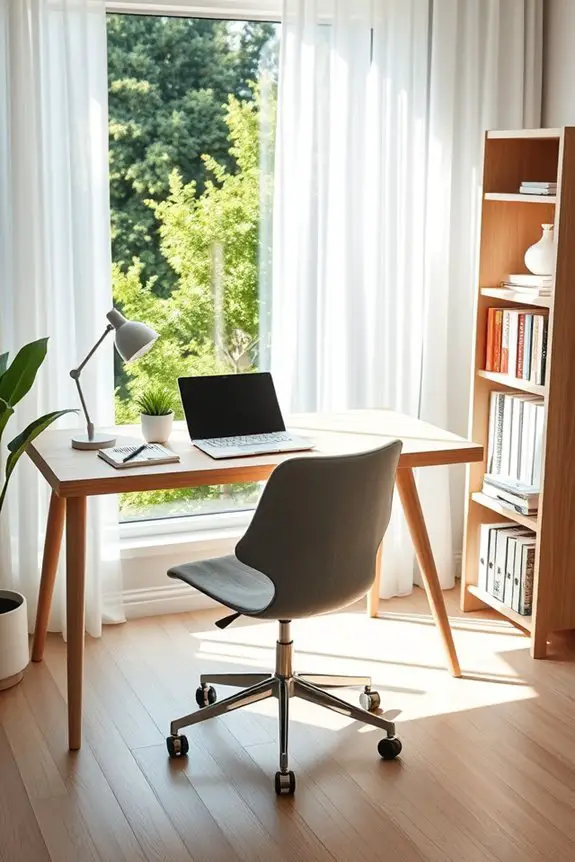
While many companies still rely on traditional office setups, encouraging remote work options can greatly enhance employee satisfaction and reduce environmental impact. By allowing your team to work from home, you promote a better work-life balance, which leads to increased productivity.
Flexible schedules enable employees to choose their most productive hours, ultimately benefiting your business.
Moreover, remote collaboration tools, like video conferencing and project management software, foster communication and teamwork, regardless of location. This adaptability not only keeps your workforce engaged but also reduces the carbon footprint associated with commuting.
Embracing remote work options can create a more sustainable and innovative workplace, where creativity thrives, and employees feel valued and empowered to perform at their best.
Install Energy-Efficient Appliances
Choosing sustainable flooring options sets the stage for further eco-friendly improvements in your office.
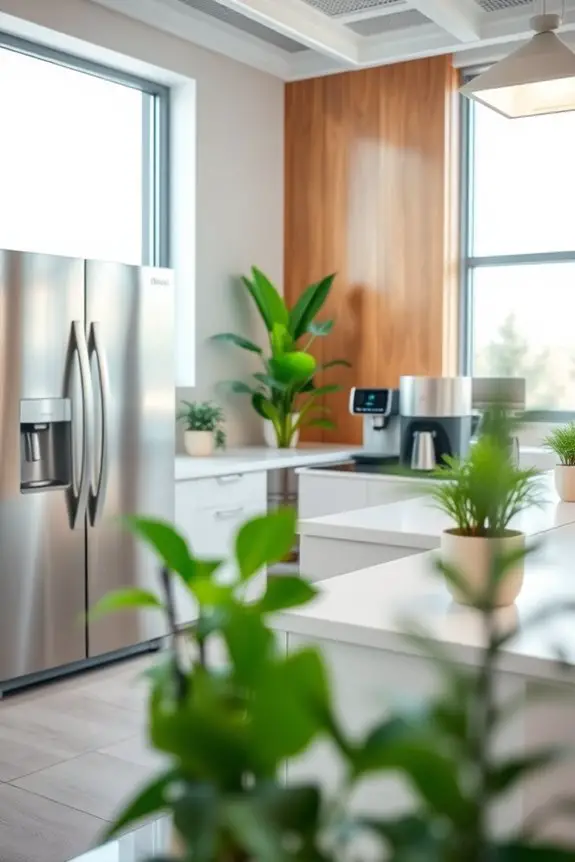
One effective way to enhance your workspace is by installing energy-efficient appliances. These energy-efficient upgrades not only reduce your carbon footprint but also lead to significant appliance cost savings over time. Upgrading to Energy Star-rated devices can lower your utility bills, making your office more budget-friendly.
Think about replacing outdated refrigerators, printers, and lighting with modern, eco-conscious alternatives. This change not only boosts productivity by providing a more reliable work environment but also inspires your team to embrace sustainability.
Implement a Green Cleaning Program
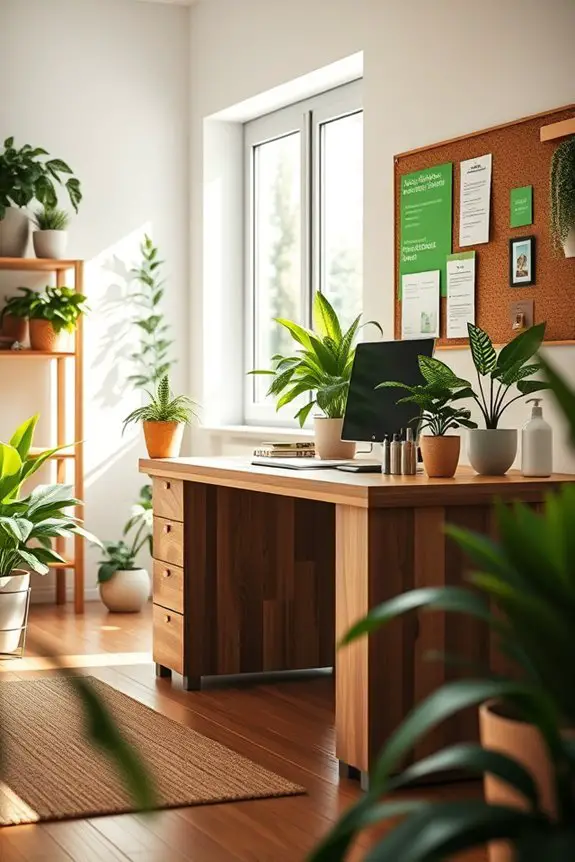
While maintaining a clean office is essential for productivity, implementing a green cleaning program takes it a step further by protecting both your team and the environment.
Start by sourcing eco-friendly products from reliable vendors who prioritize sustainability. This not only guarantees a healthier workspace but also supports a green supply chain that minimizes harmful chemicals.
Encourage your staff to participate in this initiative by providing training on proper cleaning techniques with these eco-friendly solutions.
Establish a routine that includes regular assessments of your cleaning practices to guarantee ongoing adherence to green standards.
Create Outdoor Workspaces
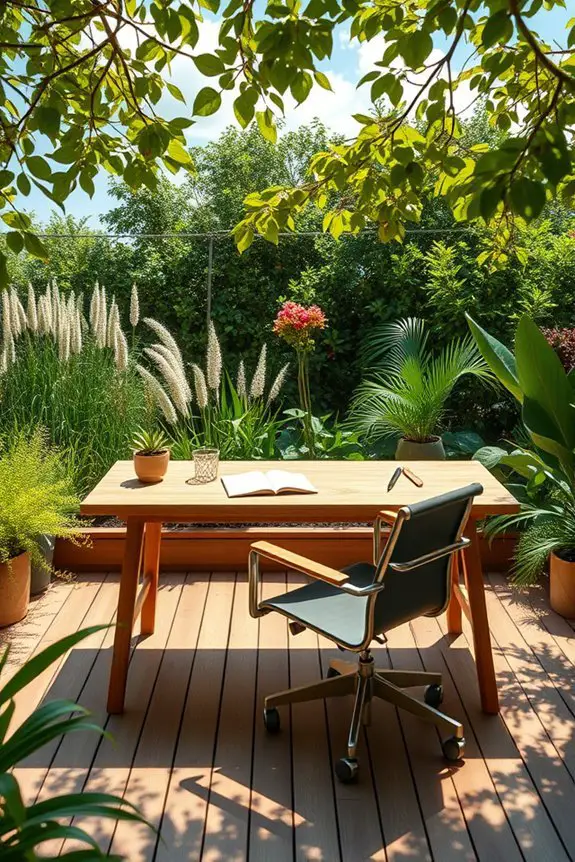
Creating a vibrant outdoor workspace can enhance employee well-being and productivity while promoting a sustainable work culture. By setting up areas for outdoor brainstorming, you encourage creative thinking and collaboration among team members.
Imagine working under a tree’s shade or enjoying fresh air during meetings; it can transform your team’s dynamic.
Consider organizing nature retreats where employees can disconnect from daily routines and recharge. These retreats foster connection with nature, leading to increased motivation and fresh perspectives.
To make outdoor spaces inviting, incorporate comfortable seating and greenery, creating an environment that inspires.
With these outdoor workspaces, you’ll not only boost creativity but also cultivate a healthier, more engaged workforce enthusiastic to contribute to your organization’s success.
Offer Wellness Programs Focused on Nature
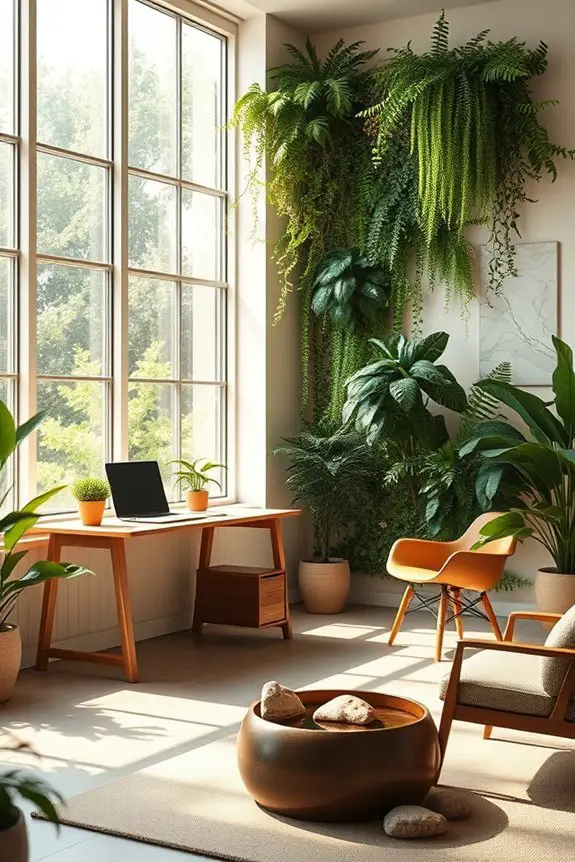
While many people find solace in nature, offering wellness programs that focus on outdoor activities can greatly enhance your office environment.
Consider organizing nature retreats where employees can unplug, refresh, and connect with their surroundings. These retreats not only provide a break from the daily grind but also foster team bonding and creativity.
Additionally, you can host wellness workshops that emphasize the benefits of spending time outdoors, such as stress reduction and improved mental health. Encourage employees to participate in activities like hiking, gardening, or mindfulness sessions in a green space.
Use Natural Air Purifiers
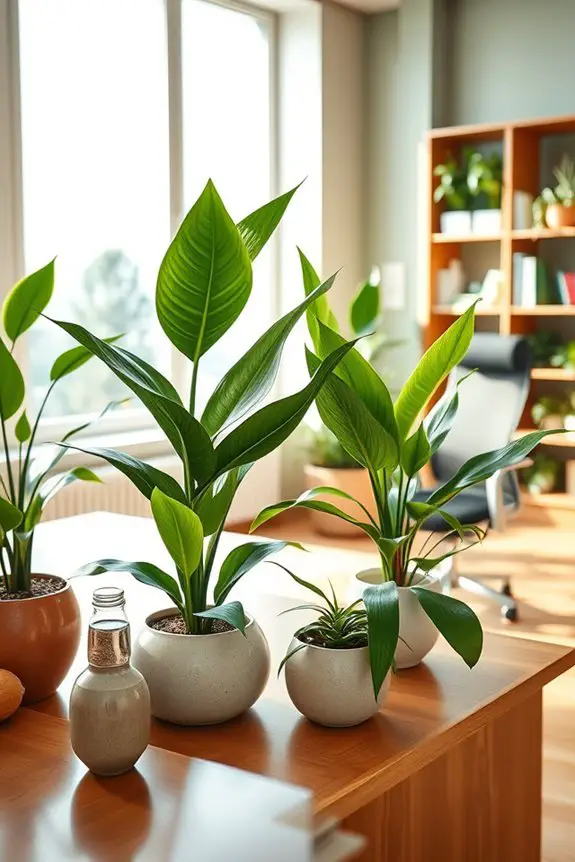
Using natural air purifiers not only enhances your office’s air quality but also adds a touch of greenery to the workspace.
Plants like snake plants, peace lilies, and spider plants actively filter toxins from the air, making your environment healthier. These natural purifiers release oxygen and promote natural scents that can uplift your mood and boost creativity.
Incorporating them into your office design is simple—place them on desks, shelves, or even hang them in corners to create a vibrant atmosphere.
You’ll not only improve air quality but also inspire a sense of calm and focus among your team. With these additions, you’ll transform your workspace into a rejuvenating haven that fuels productivity.
Embrace nature, and watch your creativity flourish!
Foster Team Building Through Eco-Projects
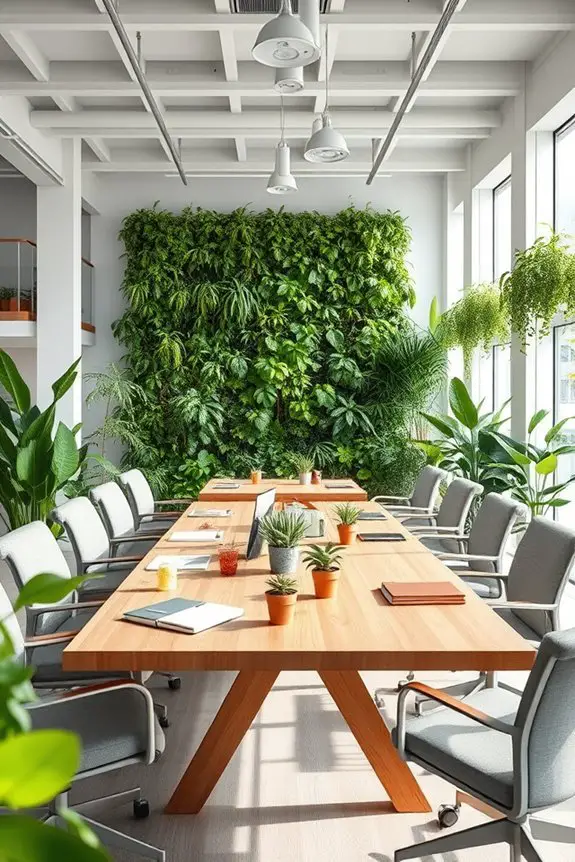
Incorporating greenery into your office not only improves air quality but also sets the stage for collaborative eco-projects that can strengthen team bonds.
By organizing team building workshops focused on eco-friendly activities, you can engage your employees in meaningful ways. Consider starting a community garden or hosting recycling drives that encourage teamwork and creativity.
These projects not only promote sustainability but also allow team members to connect on a deeper level. Sharing responsibilities and celebrating successes fosters camaraderie and boosts morale.
You’ll notice improved communication, collaboration, and a sense of shared purpose among your team.
Conclusion
By embracing these 40 green office ideas, you’re not just sprucing up your workspace; you’re cultivating a thriving ecosystem of creativity and productivity. Imagine your office as a vibrant garden, where each sustainable choice blooms into fresh ideas and stronger team connections. As you weave nature into your daily routine, you’ll inspire both yourself and your colleagues to innovate and engage. So, let’s roll up our sleeves and transform your office into an oasis of inspiration!