How to Protect Your Home From Fire Hazards
Start by mapping each room for heat sources, fuels, and likely flame paths, then remove clutter, secure wiring, and fix overloaded outlets. Install smoke alarms inside bedrooms, outside sleeping areas, and on every level, test them monthly, and replace batteries yearly. Keep ABC or kitchen-rated extinguishers by the kitchen and exits, inspect vents and dryer ducts, and practice two-exit escape plans with your household regularly. Keep outdoor combustibles cleared and follow the tips below to learn practical steps.
Assessing Fire Risks in Every Room

When you walk through your home, treat each room as its own fire-risk map: look for heat sources, fuel, and anything that could help a flame spread.
You’ll perform a fire risk assessment by noting appliances, overloaded outlets, portable heaters, and clutter near cooking or electrical items.
Do a room by room analysis: bedrooms, living areas, kitchen, garage, and storage.
Remove combustible materials from heat sources, secure loose wiring, and store flammables in proper containers away from ignition.
Create simple habits—unplug unused devices, tidy fabrics, and keep escape paths clear—so risks stay manageable and obvious.
Installing and Maintaining Smoke Alarms
You’ve reduced room-by-room hazards—now make sure you have early warning where it matters most: working smoke alarms.
Install alarms inside each bedroom, outside sleeping areas, and on every level, including the basement. Choose units with reliable sensors; consider smart smoke technology for remote alerts and interconnectivity.
Test alarms monthly and keep a log. Follow manufacturer guidance for alarm battery replacement — replace batteries at least yearly or when chirping.
Replace smoke alarms every 10 years or sooner if they fail tests. Maintain clear zones so alarms can sense smoke quickly.
Prompt response to any activation saves lives and property.
Choosing and Placing Fire Extinguishers
Where should you keep fire extinguishers so they’ll be ready when needed? Choose based on fire extinguisher types and follow placement guidelines: keep one in the kitchen, one near exits, and one in the garage. Mount at waist height, visible and accessible, away from heat sources. Inspect monthly and replace or recharge after use.
| Location | Type recommended | Notes |
|---|---|---|
| Kitchen | ABC or K | For grease and common fires |
| Garage | ABC or BC | For flammable liquids |
| Hallway/Exit | ABC | Easy access during emergencies |
Train household members on use and check labels for ratings.
Creating and Practicing an Escape Plan
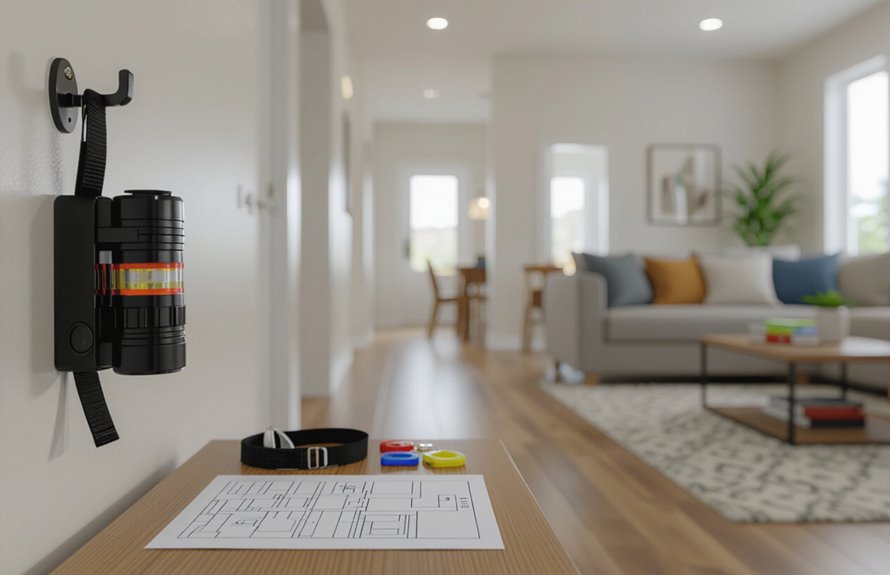
Although a fire can spread in minutes, you can get everyone out safely by having a clear, practiced escape plan; map two exits from every room, pick a meeting spot outside, and make sure everyone knows how to open doors and windows quickly.
Walk through the house together, identifying primary and backup escape route options for each room. Assign roles, check that windows and doors release easily, and keep ladders accessible for upper floors.
Schedule regular practice drills at different times, including at night, to build muscle memory. After each drill, review what went well and what needs improvement.
Safe Cooking Practices and Kitchen Fire Prevention
Planning escape routes is only part of kitchen safety — preventing fires in the first place will keep you from having to use them.
When you cook, stay present; unattended pans cause most kitchen blazes. Reduce kitchen clutter so towels, paper, and bags aren’t near heat. Keep handles turned inward and lids nearby to smother small flare-ups.
For grease management, clean vents, hood filters, and pans regularly; don’t pour hot grease down drains. Have a metal lid and a fire extinguisher rated for kitchen use within reach, and never use water on grease fires.
Practice safe habits every time you cook.
Electrical Safety and Preventing Wiring Fires
When you rely on electricity every day, small faults can quickly become serious fire hazards, so inspect wiring and devices regularly. Check cords, outlets, and panels; schedule professional wiring inspections if you see scorch marks, flickering lights, or burning smells. Avoid electrical overloads by not daisy-chaining power strips, and match appliance amperage to circuits. Replace damaged cords, secure loose outlets, and keep flammables away from electrical boxes. Test GFCIs and smoke alarms monthly. If uncertain, hire a licensed electrician for repairs or upgrades to reduce risk and guarantee your home’s electrical system meets current safety standards.
| Common issue | Quick fix |
|---|---|
| Frayed cords | Replace immediately |
| Overloaded outlet | Redistribute loads |
| Flickering lights | Inspect circuit |
| Tripped breakers | Call electrician |
Heating Equipment: Safe Use and Maintenance
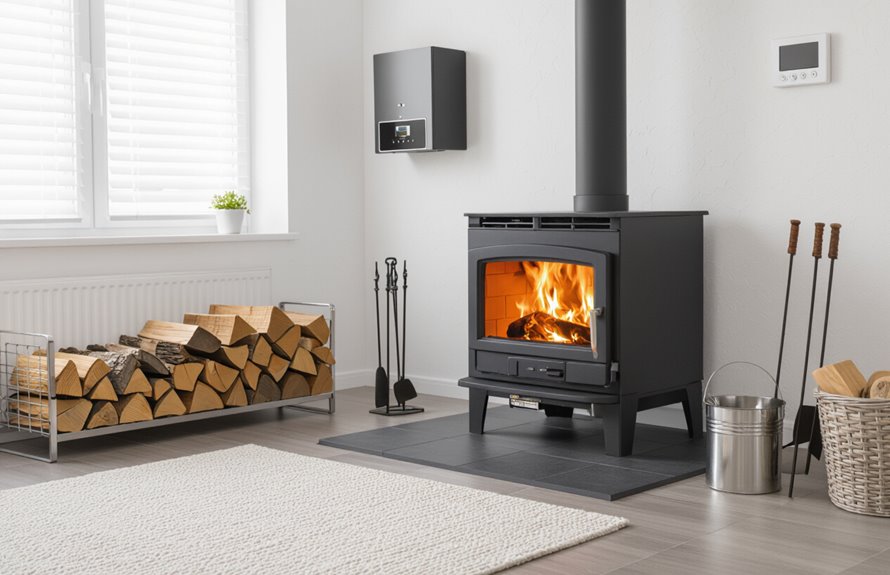
Keep heaters at least three feet away from furniture, curtains, and other combustibles, and never leave portable heaters unattended.
You should check cords, vents, and pilot lights regularly and replace or repair any damaged parts.
Schedule annual professional maintenance for furnaces and have filters cleaned or changed to keep equipment running safely.
Proper Heater Placement
If you use portable or fixed heaters, place them at least three feet away from anything that can burn—curtains, furniture, bedding, and papers—and never block exits or walkways.
You should know heater types and follow manufacturer space requirements for each. Position heaters on stable, level surfaces, away from high-traffic areas and door swings. Use guards for units with exposed elements, and avoid placing heaters on carpets or near drapes.
Consider these placement priorities:
- Clearance from combustibles
- Stable, nonflammable surface
- Unobstructed airflow and exits
- Child and pet protection
Check placement whenever you rearrange a room.
Regular Maintenance Checks
Routine maintenance keeps your heating equipment running safely and efficiently, so set a schedule to inspect and service key components at least once a year.
You should perform routine inspections on vents, filters, pilot lights, and fuel lines, replacing worn parts promptly.
Clean burners and clear debris around units to prevent ignition sources.
Hire a qualified technician for annual tune-ups and fire safety assessments, and keep service records visible.
Test carbon monoxide detectors and smoke alarms after maintenance.
If you notice odd smells, soot, or frequent cycling, shut the system off and call a professional immediately to reduce fire risk.
Proper Use and Storage of Flammable Liquids
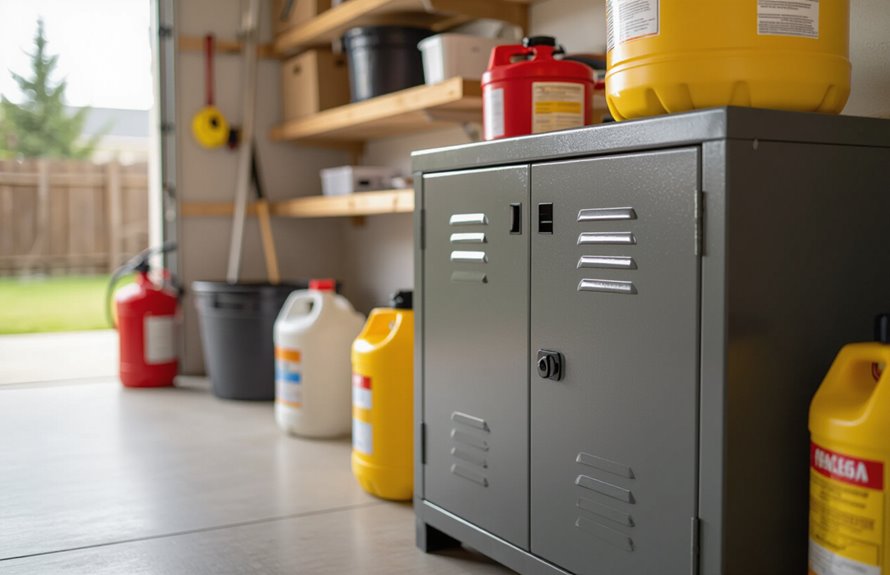
A single spilled can of gasoline can start a devastating blaze, so you should treat flammable liquids with care from purchase to disposal.
Know flammable liquid types and label containers; never transfer into food or drink vessels. Use approved, tightly sealed containers and keep them in ventilated areas away from heat or sparks.
Store small amounts only; dispose of old solvents at hazardous-waste sites.
Follow these safety steps:
- Buy only what you need.
- Keep original labels and SDS info.
- Store off the floor, upright, locked.
- Transport in approved containers and secure.
Stay vigilant to guarantee safe storage and handling.
Fireplace and Chimney Safety
You should have your chimney inspected and cleaned on a regular schedule to catch creosote buildup before it becomes a fire risk.
Burn only dry, seasoned wood and avoid green wood, trash, or treated materials to reduce creosote formation.
Follow safe burning practices—use a screen or glass doors, keep flammable items away, and never leave a fire unattended.
Chimney Inspection Schedule
At least once a year, schedule a professional chimney inspection to catch creosote buildup, cracks, or blockages before they turn into serious fire hazards.
You should plan inspections more often if you burn wood frequently, notice smoke issues, or smell soot.
Professionals handle chimney maintenance and flue cleaning, evaluating liners, caps, and masonry.
Between inspections, watch for warning signs and keep records.
Prioritize these steps:
- Note inspection dates and findings.
- Schedule flue cleaning as recommended.
- Repair cracks or damaged liners promptly.
- Replace missing caps or spark arrestors.
Regular scheduling reduces risk and keeps your home safer.
Creosote Buildup Prevention
Building on regular chimney inspections, preventing creosote buildup keeps your fireplace functioning safely and reduces chimney fire risk.
You should schedule professional chimney cleaning annually or more often if you use the fireplace heavily. Between services, remove surface deposits with a stovepipe brush and check flue liners for shiny, tar-like layers that signal dangerous buildup.
Consider creosote removal by a certified technician when deposits harden; some cases need chemical treatments or rotary tools.
Keep combustion efficient and avoid smoky burns to limit deposit formation. Document every service and act promptly on any recommendation to maintain safe operation.
Safe Burning Practices
When you light a fire, follow simple practices that keep flames efficient and minimize smoke: burn only dry, well-seasoned hardwood; start fires with kindling and a small paper or firestarter rather than accelerants; and add logs gradually to maintain a hot, steady burn.
You’ll also keep chimneys and flues clean, use screens, and inspect masonry. Practice safe outdoor burning and responsible fire use by following local rules, keeping water or an extinguisher nearby, and never leaving flames unattended. Maintain alarms and schedule professional chimney sweeps annually.
- Clean flue yearly
- Use a spark screen
- Store ashes safely
- Monitor drafts
Candle Use and Alternatives for Ambience
Although candles can instantly warm a room and set a cozy mood, you should treat them like any open flame and follow simple safety steps to prevent fires.
Keep candles on stable, heat-resistant surfaces, trim wicks to 1/4 inch, and never leave burning candles unattended. Extinguish them before you leave or sleep.
For safer ambience, choose candle alternatives like electric candles, LED lanterns, or flameless tea lights that mimic flicker without risk.
Place any lighting away from curtains, papers, and pets. Store matches and lighters securely.
Regularly inspect holders for cracks and replace damaged items to reduce ignition chances.
Childproofing to Reduce Fire Risks
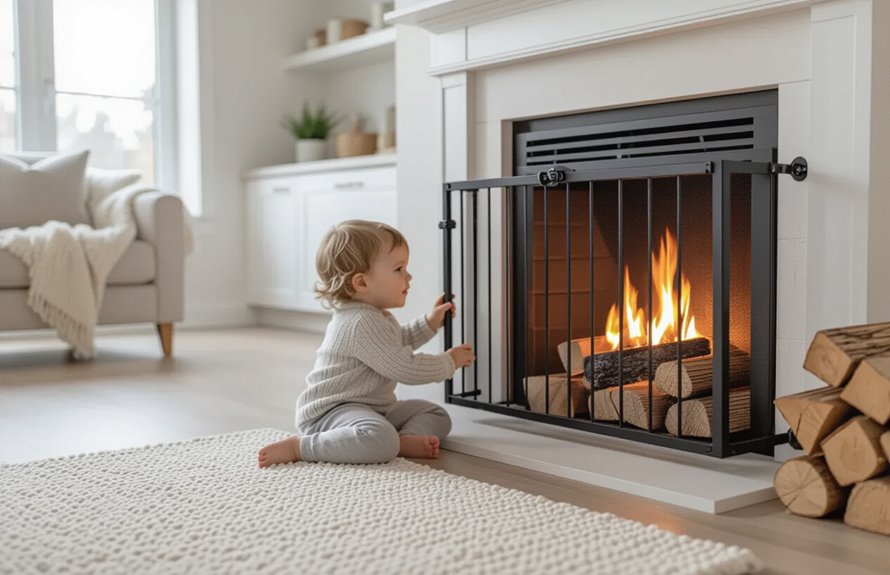
Because curious children explore with their hands and mouths, you should childproof your home to cut fire risks before they arise. Secure ignition sources, stow lighters and matches out of reach, and choose fireproof toys for play areas.
Shield heaters and keep cords tidy. Improve electrical outlet safety with covers and tamper-resistant receptacles, and avoid overloading circuits.
- Store lighters/matches high and locked.
- Use fireproof toys and nonflammable materials.
- Install outlet covers and circuit protection.
- Keep space heaters supervised and away from fabrics.
Teach simple rules and practice drills so kids learn safe habits.
Outdoor Fire Safety for Yards and Decks
When you plan your yard, choose fire-safe landscaping and keep dry brush and mulch well away from structures.
Never leave grills or outdoor cooking unattended, and keep a fire extinguisher nearby.
Inspect and maintain your deck regularly—check for loose boards, combustible debris, and proper clearance from heat sources.
Fire-Safe Landscaping
If you live in an area prone to wildfires, smart landscaping can create a defensible space that slows or stops fire before it reaches your home.
You should use fire resistant plants and thoughtful landscape design to reduce fuel. Keep lawns trimmed, remove dead vegetation, and space trees to prevent crown fires.
Create hardscape zones and maintain a noncombustible perimeter near structures.
Follow these priorities:
- Remove dead leaves and debris.
- Plant fire resistant plants in defensible zones.
- Space and prune trees to limit canopy spread.
- Use gravel, stone, or irrigated turf near foundations.
Grill and Cooking Safety
Landscaping choices reduce wildfire risk around your home, but everyday outdoor cooking poses its own hazards that you should address before lighting the grill.
Position grills on level ground away from overhangs, dry brush, and structures. Use fire resistant materials under and around the grill, like stone or gravel, not wood or flammable deck coverings.
Keep a fire extinguisher or hose nearby and never leave cooking unattended. Clean grills regularly — grease buildup ignites fast — so schedule grill maintenance and check hoses, connectors, and burners before use.
Dispose of ashes in metal containers only after they’re fully cooled.
Deck Maintenance Checks
Because your deck sits between your home and the yard, you need regular maintenance checks to lower fire risk and keep small issues from becoming hazards.
Inspect deck materials for rot, gaps, and loose boards; remove debris from gaps and under the deck.
Check deck finishes for peeling or combustible buildup; reapply fire-resistant sealant as needed.
Clear flammable vegetation and store firewood away. Maintain safe grilling distance and extinguish coals properly.
- Inspect structure
- Clean debris
- Refinish with fire-resistant products
- Create defensible space
Do checks seasonally and after storms to reduce fire danger.
Safe Charging and Use of Batteries and Devices
While charging, keep devices on hard, non-flammable surfaces and don’t cover them with pillows or blankets, since trapped heat raises fire risk.
You should use manufacturer-approved cords and adapters, inspect batteries for swelling or damage, and stop using compromised cells.
Follow battery safety: avoid extreme temperatures, unplug chargers when full, and don’t leave overnight charging unattended.
Charge on stable surfaces away from flammable materials, and don’t mix battery types or old and new cells.
For portable power banks and e-scooters, store batteries partly charged and in cool, ventilated areas.
Dispose of batteries at designated recycling points.
Dryer and Laundry Room Fire Prevention
Don’t skip cleaning the lint trap after every load — trapped lint is a leading cause of dryer fires.
Make certain you also schedule regular professional cleaning of the dryer vent to prevent buildup and guarantee proper airflow.
Keep detergents, solvents, and other flammable items stored away from the dryer and heat sources.
Lint Trap Cleaning
1 simple habit can drastically cut your risk of a dryer fire: clean the lint trap before every load.
You’ll remove obvious lint, improve airflow, and reduce heat buildup. Include lint trap maintenance in your routine and schedule periodic dryer duct inspections to catch hidden blockages.
Don’t push lint into crevices; empty the trap into a trash bin. Every few months, vacuum around the trap opening and wipe it clean.
- Check trap before each cycle
- Empty into trash, not washer
- Vacuum trap housing monthly
- Note any reduced airflow or burning smell
Dryer Vent Maintenance
Because lint that escapes the trap can build up inside vents and exhaust ducts, keeping your dryer vent clear is one of the most important steps you can take to prevent laundry-room fires.
You should schedule regular dryer vent cleaning—annually at minimum, more often if you use the dryer frequently. Check for visible lint buildup at the appliance, along the hose, and at the exterior vent.
Replace flexible plastic ducts with smooth metal ducts to reduce accumulation. Verify the vent flap opens fully and the exterior exhaust is free of obstructions.
If airflow seems weak or cycles take longer, clean or call a pro promptly.
Laundry Room Storage
Clutter can turn your laundry room into a fire risk, so keep flammable items like cleaning sprays, paper products, and rags well away from the dryer and its venting.
You should create sensible laundry organization and use fire resistant storage for chemicals and linens. Empty lint traps, clean vents, and store batteries separately.
Follow these steps:
- Install metal shelving and labeled bins.
- Use sealed, fire resistant storage for solvents.
- Keep a clear 3-foot zone around the dryer.
- Store dryer sheets and oils in closed containers.
Check storage monthly and replace worn hoses to reduce ignition risk.
Garage and Workshop Fire Safety Measures
When you store flammable liquids, run power tools, or charge batteries in your garage or workshop, you increase the risk of a fire starting and spreading quickly; take straightforward steps to reduce that risk.
Keep flammables in labeled, sealed containers on metal shelving away from heat and ignition. Maintain garage organization so exits and equipment are accessible.
Install and test a CO and smoke detector, and keep a charged fire extinguisher rated for flammable liquids nearby.
Guarantee workshop ventilation to disperse fumes and prevent buildup when sanding, painting, or using solvents.
Unplug tools when not in use and avoid overloaded circuits.
Using Fire-Resistant Building Materials
Alongside good garage and workshop habits, choosing fire-resistant building materials helps keep small incidents from turning into housewide disasters.
You can reduce spread by opting for fire resistant insulation in walls and attics and fire resistant siding outside. Pick noncombustible roofing, treated timber alternatives, and fire-rated doors and windows.
Maintain barriers and seal gaps where flames or embers could enter. Consider professional installation and verify ratings and local codes.
Prioritize materials that slow heat transfer and resist ignition so you gain time to extinguish fires and evacuate.
- Roofing
- Insulation
- Siding
- Openings
Landscaping for Fire-Resilient Properties
If you design your yard with fire safety in mind, you’ll cut the chance that flames reaching outside structures will spread to your home.
Create zones: keep a lean, well-watered perimeter nearest the house and increase spacing and lower flammability farther out. Use fire resistant plants—succulents, stonecrop, and low-resin perennials—grouped with noncombustible mulch like gravel.
Prune trees so lowest branches sit high off the ground and remove dead wood promptly. Place driveways and walkways as fuel breaks and orient plantings away from vents and eaves.
Thoughtful landscape design reduces ember risk and gives you manageable, safer grounds.
Preparing for Wildfire Seasons
Because wildfire seasons can escalate quickly, you should prepare now with a clear plan and essential supplies.
You’ll boost wildfire preparedness by evaluating risks, clearing flammable materials, and agreeing evacuation routes with family. Pack emergency supplies and important documents in a grab-and-go bag. Keep vehicles fueled and tools accessible. Review local alerts and practice your plan.
- Evacuation routes and meeting point
- Grab-and-go emergency supplies kit
- Fuel, keys, and spare phone charger
- Pet carriers and important documents
Stay aware, update kits seasonally, and coordinate with neighbors to reduce danger.
Creating a Home Fire Safety Checklist
Start your home fire safety checklist by testing and replacing smoke alarms and detectors so they’ll work when you need them.
Map clear escape routes for every room and practice your plan with everyone in the house.
Add kitchen fire prevention steps—like keeping flammable items away from the stove and never leaving cooking unattended.
Smoke Alarms & Detectors
While scanning your home for risks, prioritize smoke alarms and detectors—they’re the first line of defense against fast-moving fires.
Install alarms in every bedroom, outside sleeping areas, and on every level. Choose models with smart smoke technology and consider interconnected devices so all units sound if one detects smoke.
Test monthly, replace batteries yearly, and swap units every 10 years. Create a maintenance habit and document dates.
- Install per code and manufacturer instructions.
- Use photoelectric or dual-sensor alarms.
- Link alarms via wiring or wireless.
- Keep replacements and batteries on hand.
Escape Routes & Plans
Smoke alarms give you early warning; now plan how everyone will get out quickly if they sound.
Map two exits from every room, mark windows and stairways, and make sure routes stay clear. Assign an adult to assist children, older adults, or pets.
Practice a timed fire drill at different times so everyone learns alternate paths. Choose a safe outdoor meeting spot and teach everyone to stay there.
Post a list of emergency contacts by phones and in the plan, including local fire and family numbers.
Review and update the plan every six months or after household changes.
Kitchen Fire Prevention
The kitchen is where most home fires begin, so make a simple, actionable checklist you can follow every time you cook: keep flammable items away from the stove, stay in the room when frying or broiling, set timers for long-cooking dishes, turn pot handles inward, and have a working fire extinguisher and a covered pan lid within reach.
You should prioritize kitchen appliance safety and cooking oil management: clean vents, unplug small appliances, and store oil away from heat.
Follow this short checklist to lower risk:
- Check extinguisher charge.
- Keep lids nearby.
- Monitor oil temperature.
- Unplug unused appliances.
Working With Local Fire Services and Resources
If you want faster response times and better guidance, build a relationship with your local fire department and community resources now; they’ll offer inspections, education, and evacuation planning tailored to your neighborhood.
Contact your station to schedule a home safety inspection and join community fire education events so you learn prevention and escape tactics.
Ask about local fire resources like smoke detector programs, hydrant locations, and evacuation maps. Share your specific risks—lawn debris, propane, or electrical issues—so they can advise mitigation.
Keep contact info handy, attend drills, and encourage neighbors to connect; coordinated action saves homes and lives.
Conclusion
You’ve taken practical steps to quiet the sparks that threaten your home — from checking every room to rehearsing your escape and tending the surrounding land. Keep alarms tuned, extinguishers ready, and routines familiar so small embers don’t become harsh reminders. Think of these measures as gentle guardians: unobtrusive, steady, and ready. Stay attentive, revisit your plan seasonally, and you’ll turn risk into reassurance, protecting what matters with calm confidence.