How to Improve Your Home’s Security on a Budget
Start by walking every room and the exterior to spot blind spots, broken locks, and overgrown shrubs. Prioritize cheap, effective fixes: replace weak deadbolts with Grade 1/2 locks, fit heavy strike plates with 3″ screws, add motion-activated lights, and secure sliding windows with pins or dowels. Use visible deterrents like cameras or signs, set timers for lights, and organize neighbor watch routines for package protection. Keep going to find step-by-step upgrades and simple installation tips.
Assessing Your Home’s Current Security Weaknesses
Where should you start when tightening up your home’s security?
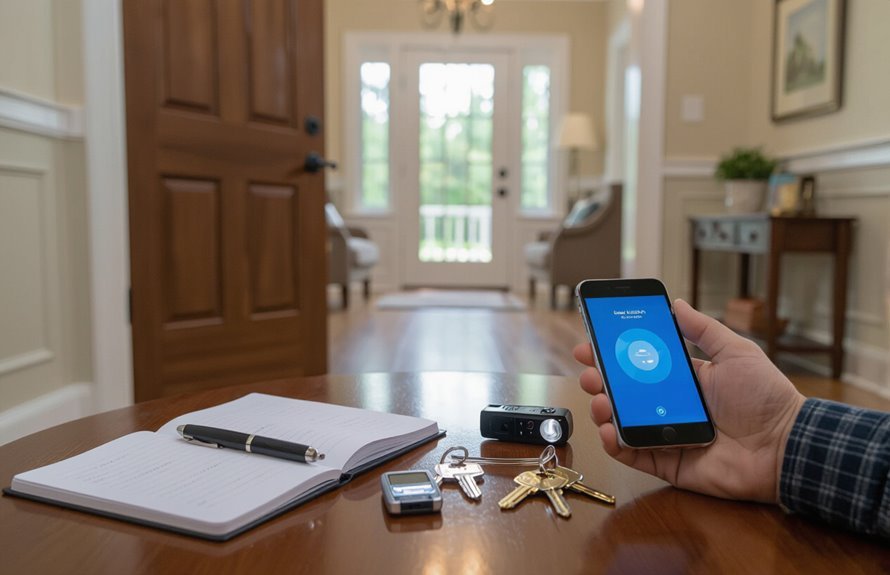
Begin by walking every room and exterior with an objective eye. Note blind spots created by your home layout — dark corners, hidden entries, or shrubbery that hides windows.
Check locks, windows, and exterior lighting; document broken or outdated hardware. Talk to neighbors and review recent neighborhood crime reports to spot patterns.
Test alarm sensors and garage access, and map out routes an intruder could take.
Prioritize fixes by vulnerability and ease of implementation. Use your notes to plan low-cost improvements that address the most exposed areas first.
Prioritizing Low-Cost Security Upgrades
Once you’ve identified weaknesses, focus on upgrades that give the biggest safety boost for the least money and effort. Start with bright exterior lighting, simple cameras, and timed smart plugs. Follow security technology trends but pick proven, low-cost items. Build neighborhood partnerships to share watch duties and alerts. Prioritize visibility, alarms, and easy-to-install sensors before splurging. Use a short checklist to decide: cost, installation time, deterrent effect, and maintenance. Replace or reinforce items only after those basics. Small, strategic moves often reduce risk more than expensive, uncoordinated purchases.
| Upgrade | Benefit |
|---|---|
| Motion lights | Deters intruders |
| Door/window sensors | Alerts you fast |
| Visible camera | Low-cost deterrent |
| Smart plug/timer | Simulates occupancy |
| Neighborhood watch | Shared vigilance |
Strengthening Doors and Deadbolts Affordably
Start by checking your door frame for weak spots and reinforce it with a simple metal strike plate and longer screws to stop kick-ins.
Then upgrade to a Grade 1 or 2 deadbolt and replace flimsy screws or latch plates for far better resistance.
These affordable fixes give you a big security boost without breaking the bank.
Reinforce Door Frames
A few simple upgrades can make a door frame resist kick-ins and save you hundreds compared with a full replacement; focus on reinforcing the strike plate, installing longer screws into the frame, and adding a door jamb reinforcement kit to distribute force across the studs.
You’ll assess door frame materials—wood, metal, composite—to pick compatible fixes. Swap out small screws for 3-inch carriage screws that reach studs, tighten hinges, and use a heavy-duty strike plate.
Choose budget-minded door hardware options that emphasize reinforcement rather than style. These measures boost resistance quickly and cheaply without replacing the entire door or lockset.
Upgrade Deadbolt Hardware
Although you might think a deadbolt is just a bolt on the door, upgrading its hardware is one of the most cost-effective ways to strengthen entry points.
Swapping to a Grade 1 or reinforced deadbolt, installing a high-quality strike plate with 3-inch screws, and choosing a deadbolt with a longer throw and hardened steel bolt will drastically improve resistance to kick-ins without breaking the bank.
You can make smart, affordable choices by considering deadbolt types and lock materials, ensuring proper installation, and prioritizing torque and corrosion resistance.
- Choose Grade 1 or reinforced models.
- Use a heavy strike plate + 3″ screws.
- Pick hardened steel bolts and robust finishes.
Reinforcing Windows Without Breaking the Bank
If you want to make your windows tougher without spending a lot, focus on simple upgrades that block entry and slow down forced breaks.
You can apply security film to reduce glass breakage and keep shards held together, making entry harder.
Install inexpensive sash locks, window pins, or dowels to stop sliding windows from opening.
Fit keyed locks on double-hung windows and reinforce frames with longer screws in track hardware.
Add DIY laminated panels or clear acrylic on interior frames for extra resistance.
Regularly inspect seals and hinges so small issues don’t become easy access points.
Smart Use of Motion Sensor Lighting
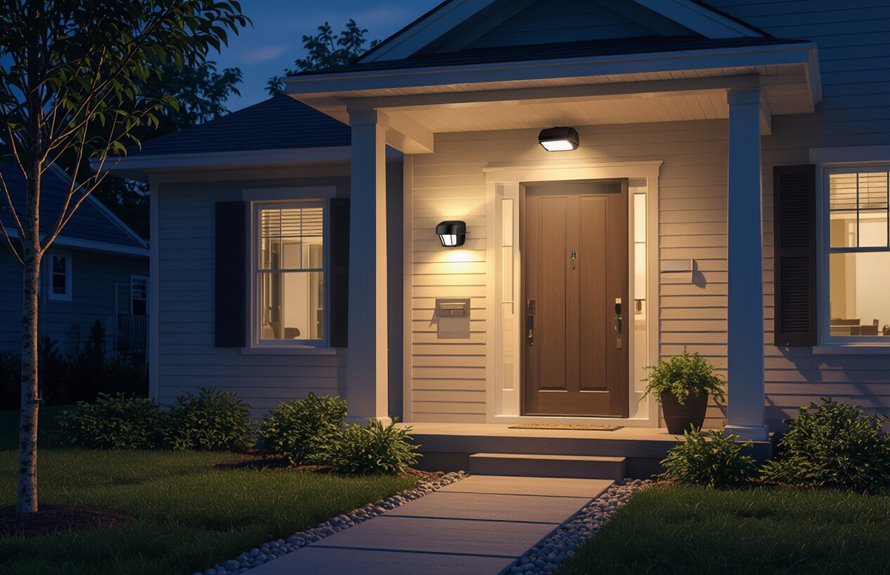
Reinforcing windows helps deny easy entry, but improving outdoor lighting gives you a proactive layer that warns off intruders and helps you see what’s happening.
Use motion sensor placement to cover entry points and dark corners; angle sensors toward walkways, not busy streets. Choose LED fixtures for energy efficiency and long life. Set lights to dusk-to-dawn or adaptive timers so they don’t run all night.
Test ranges and sensitivity to avoid false triggers from small animals. Maintain clear sightlines by trimming shrubs. Regularly check batteries or wiring so your system stays reliable and deters opportunistic burglars.
Budget-Friendly Home Security Cameras and Alternatives
You don’t need to spend a lot to get reliable indoor camera coverage; there are affordable plug-and-play models with decent video and cloud or local storage.
If cameras aren’t an option, you can use camera-free deterrents like timed lights, door/window sensors, and realistic fake cameras to reduce risk.
We’ll compare budget camera features and effective alternatives so you can pick what fits your needs.
Affordable Indoor Cameras
When you’re tightening a budget but still want eyes on the inside of your home, affordable indoor cameras give reliable features—motion alerts, two-way audio, and night vision—without a big price tag.
You can choose among indoor surveillance options that fit small spaces and simple setups. Look for budget camera brands with solid reviews, local storage, and clear privacy policies so you control footage.
Install in high-traffic areas, angle for entries, and test alerts.
- Place near main entry points for quick detection.
- Use two-way audio to check activity remotely.
- Combine cloud or SD backup for redundancy.
Camera-Free Deterrents
Indoor cameras are great, but you don’t always need a lens to make your home less attractive to burglars.
You can boost security with simple camera-free measures. Use signage strategies like “Neighborhood Watch” and “Property Under Patrol” signs to create perceived risk.
Join or start neighborhood patrols so neighbors watch one another and report odd activity.
Add motion-activated lights, timer-controlled lamps, and visible locks to signal occupancy.
Trim shrubs that hide entry points and place gravel or wind chimes near doors to announce movement.
These low-cost tactics deter opportunistic criminals without expensive equipment and fit tight budgets.
DIY Alarm Systems and Entry Sensors
Many homeowners are turning to DIY alarm systems because they deliver solid protection without high installation fees.
You can install a diy alarm quickly, pair entry sensors to doors and windows, and control alerts from your phone. Start simple, test regularly, and keep batteries fresh.
- Choose a kit with a central hub, door/window entry sensors, and app control for easy setup.
- Place sensors at primary access points, calibrate sensitivity, and name zones in the app.
- Use loud sirens, instant push notifications, and temporary smart locks to deter intruders immediately.
Securing Garages and Sheds Economically
Don’t ignore garages and sheds — you can start by reinforcing weak doors and frames with simple hardware like longer screws and a steel strike plate.
Swap in affordable smart or keyed locks to keep tools and equipment secure without breaking the bank.
Add motion-activated lights or low-cost solar fixtures to deter prowlers and give you better visibility at night.
Reinforce Door and Frame
A strong door and frame cut the easiest route for thieves, so start by checking hinges, screws and the strike plate and upgrading weak components with long screws and a reinforced plate; you’ll get a big security boost for little cost.
- Inspect and tighten hinges, swap short screws for 3″ ones to anchor door reinforcements into studs.
- Fit a metal strike plate or wrap-around plate to spread force; these frame enhancements resist kick-ins without fancy tools.
- Replace rotted wood, add a metal threshold or doorjamb protector, and use carriage bolts where possible to secure the door to the frame.
Use Smart yet Cheap Locks
After you’ve hardened doors and frames, lock down outbuildings with smart but inexpensive options that fit garages and sheds—these areas often get overlooked yet hold tools and valuables thieves target.
Choose smart lock types designed for exterior use: keypad deadbolts, Bluetooth padlocks, and retrofit modules that work with existing hasps. Look for weatherproof models from budget lock brands that balance price with durability.
Install a keyed override and change codes regularly. Mount locks high and pair them with sturdy strike plates or shrouds. You’ll get layered protection without spending much, making sheds and garages harder targets for opportunistic burglars.
Light and Motion Deterrents
How can you make garages and sheds look less inviting to thieves without spending much?
You can use targeted outdoor lighting options and simple fixtures with motion sensor benefits to deter prowlers. Focus on visibility, not brightness; aim lights at entry points and paths.
Install low-cost sensors, angle them to reduce false trips, and choose weatherproof, energy-efficient bulbs.
- Place a motion-activated flood near the garage door for sudden illumination.
- Add solar path lights to guide visitors and eliminate hiding spots.
- Mount a sensor light above the shed entrance, set to short timers for economy.
Small changes work.
Improving Outdoor Visibility and Landscaping
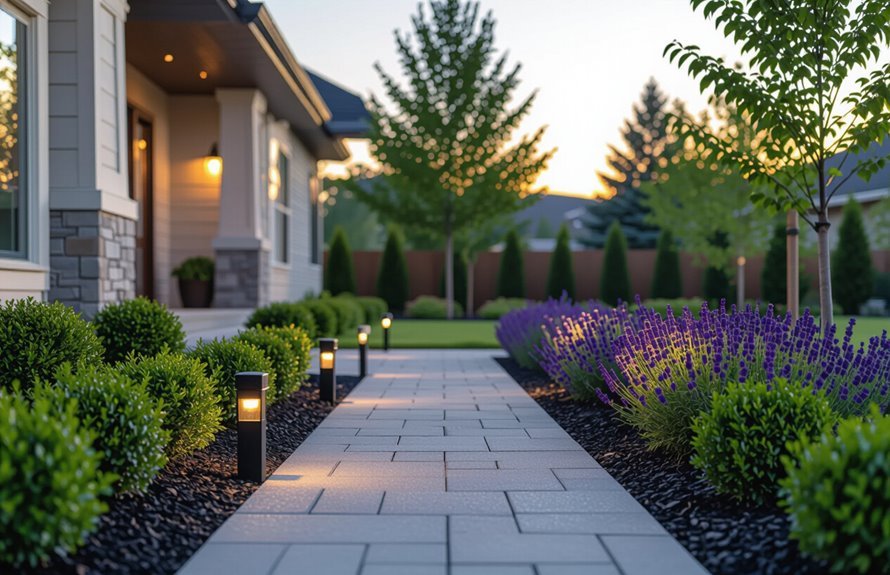
When you clear overgrown shrubs, trim low branches, and keep pathways well-lit, you cut hiding spots for intruders and make your home safer without spending much.
Focus on landscape lighting to illuminate entrances and dark corners; solar fixtures are cheap and easy to install.
Use plant selection to avoid dense, tall hedges near windows—choose low, thorny, or maintainable species that deter access.
Keep sightlines clear from the street so neighbors or passersby can spot suspicious activity.
Regularly prune, rake, and remove visual clutter.
These simple steps boost deterrence, improve safety, and require minimal time and money.
Simple Strategies for Securing Sliding Doors
Because sliding doors are a common entry point, you should treat them as a priority: secure the track, strengthen the lock, and add simple barriers that stop forced entry without breaking the bank.
You can do effective upgrades cheaply. Combine upgraded sliding door locks with a reinforced strike, and apply security film to glass to resist shattering. Use visible deterrents and routine checks so weaknesses don’t go unnoticed.
- Install a quality secondary lock or bar in the track.
- Apply security film and replace weak rollers for smoother engagement.
- Add a motion light and trim nearby cover to remove hiding spots.
Affordable Safes and Secure Storage Options
You can protect valuables without spending much by using small floor safes that bolt down and hide under rugs or furniture.
For less conspicuous options, consider diversion storage—everyday items like books or cans that secretly hold jewelry or cash.
Both choices give you affordable, practical layers of security that won’t break the budget.
Small Floor Safes
Small floor safes give you a discreet, affordable way to protect valuables without taking up visible space, and they’re simple to install under carpet or behind cabinets.
You’ll want to check small safe features like steel thickness, bolt-down options, and a reliable lock.
Use safe placement tips: bolt to joists, avoid obvious corners, and keep documentation elsewhere.
These safes balance cost and security when you:
- Choose a size that fits passports, cash, and small electronics.
- Anchor it securely and conceal the access point.
- Combine with alarms or motion sensors for layered protection.
Diversion Storage Options
If floor safes don’t suit your space or you want an extra layer of concealment, diversion storage offers affordable, clever options that blend into everyday life.
You can stash valuables in everyday objects—fake books, hollowed candles, or disguised food containers—using creative concealment to avoid obvious targets. Choose items that match your routines so they won’t attract attention, and test durability against moisture and tampering.
For higher security, combine hidden compartments with a simple lockbox or inexpensive safe bolted to furniture. Label nothing, rotate locations occasionally, and keep a short list of where essentials are hidden for emergencies.
Using Timers and Smart Plugs for Presence Simulation
When you’re away, automated timers and smart plugs can make your home look occupied by turning lights and appliances on and off on a realistic schedule.
You can use timers usage patterns to mimic routines: morning lamp, evening TV, occasional radio. Smart plugs let you control devices remotely, set randomized intervals, and schedule weekday/weekend differences.
Combine with varied durations to avoid predictability. Check energy draw and choose reliable models. Test schedules before leaving and label plugs so you remember what’s controlled.
Keep backups like manual overrides in case of power outages, and update firmware for security.
Neighborhood Watch and Community-Based Security
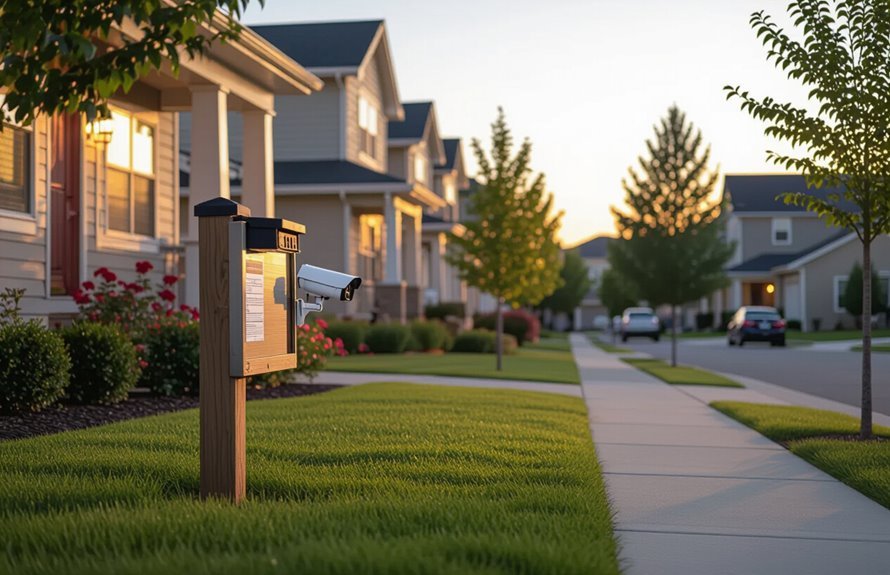
Because neighbors watch out for one another, a neighborhood watch turns individual vigilance into a community defense—simple steps like sharing contact lists, reporting suspicious activity promptly, and coordinating check-ins can deter crime and speed response.
You can start by organizing safety meetings to set expectations, assign patrols, and exchange emergency numbers.
Encourage community involvement by creating a low-tech alert system (group texts or bulletin boards) and by inviting local police to advise on quick, legal actions.
Regular communication keeps everyone informed without costly gear, and your consistent presence and collaboration make your block a harder target for opportunistic crime.
Child- and Pet-Safe Security Improvements
Neighborhood cooperation gives you a strong foundation to build safer homes for kids and pets, since community habits and quick reporting reduce many external risks.
You can take simple, budget-friendly steps that keep children and animals safe without sacrificing security.
- Install child proof locks on cabinets and exterior gates to prevent access while keeping exits usable for adults.
- Use pet barriers at stairs, doors, and hazardous zones to guide pets away from danger and limit where intruders could hide.
- Anchor furniture and secure cords; teach kids safe routes and test barriers regularly to verify ongoing effectiveness.
Cost-Effective Window Film and Shatterproofing
You can boost window safety affordably by choosing the right type of film—security, privacy, or UV-blocking—based on your needs.
Installation basics are straightforward: clean glass thoroughly, measure and cut precisely, then apply with soapy water and a squeegee or hire a pro for complex windows.
Weigh the upfront cost against reduced breakage risk and potential insurance discounts to decide what’s worth it for your home.
Types of Window Film
Many homeowners overlook window film as a budget-friendly way to boost security, but the right film can cut glass fragmentation, slow intruders, and lower repair costs after impacts.
You’ll pick films by function and look, addressing privacy concerns while choosing decorative options that suit your style.
- Safety film: thick, holds shards together after breakage, deters quick entry.
- Security film: heavier, resists forced impact longer, pairs well with sensors.
- Privacy/decorative film: obscures sightlines, adds style, and still offers basic shatter resistance.
Choose based on risk, visibility needs, and budget — each type balances protection and appearance.
Installation Basics
Having picked the right film for your needs, it’s time to focus on practical installation and shatterproofing steps that keep costs down without sacrificing protection.
You’ll clean glass thoroughly, measure precisely, and use a soap-water solution to position film smoothly. Trim excess with a sharp blade, then heat-seal edges with a hairdryer to improve adhesion.
For doors and large panes, add discreet adhesive safety strips or a retrofit security bar. Test bonds and retreat edges yearly.
These home security basics and installation tips help prevent glass ejection during impact, improving safety affordably while staying DIY-friendly and effective.
Cost vs. Benefit
While upfront costs for window film and retrofit shatterproofing can look intimidating, you can stretch every dollar by matching film grade and installation to the risk and function of each window.
Do a quick cost analysis and benefit evaluation for rooms, glazing types, and likely entry points. Prioritize projects that block access or protect valuables first.
Consider DIY film for low-risk windows and pro retrofit for ground-floor or large panes. Compare quotes, warranties, and expected lifespan before deciding.
- Assess vulnerability and value.
- Compare short-term costs vs. long-term savings.
- Choose phased upgrades.
Layering Security: Combining Multiple Low-Cost Measures
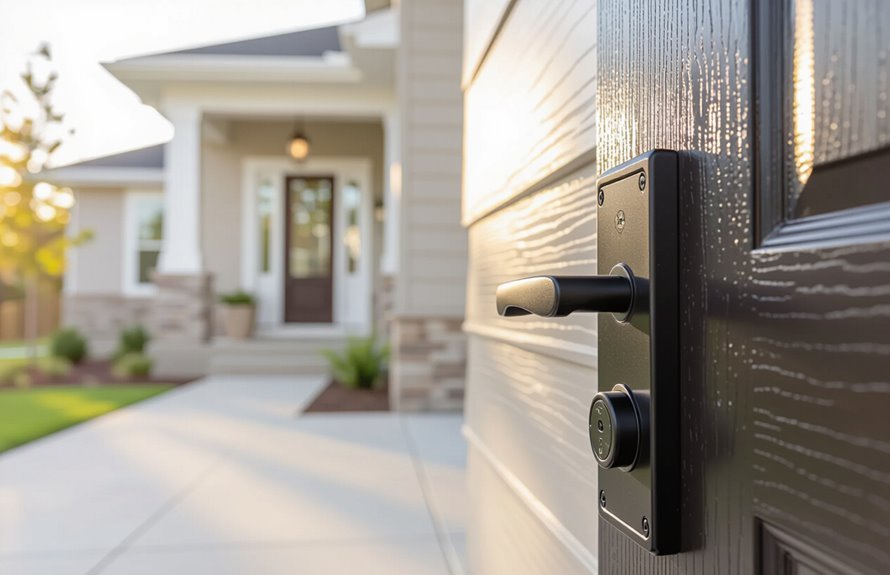
Because no single cheap gadget can stop every threat, you should stack simple measures to create multiple hurdles for intruders.
Combine motion-sensor lighting options with timed indoor lamps to eliminate hiding spots. Add visible security signs and decals to increase perceived risk. Reinforce entry points with inexpensive door and window locks, and use door jamb braces where needed.
Trim landscaping so sightlines stay clear, and place gravel or wind chimes near entrances for audible alerts. Share routines with trusted neighbors and join a neighborhood watch or app.
Layering low-cost steps multiplies deterrence and keeps your home safer without big expense.
Preventing Package Theft on a Budget
If you get deliveries often, thieves know it — and you can make stealing a lot harder without spending much. Use smart package delivery solutions like timed delivery, lockers, or requiring signatures so items never sit unattended. Combine simple deterrents and social strategies.
- Install a visible camera or dummy camera and motion-light where packages arrive.
- Request neighbor holds or use community engagement to set up porch-watch rotations.
- Opt for pickup lockers, alternate delivery addresses, or delivery instructions to hide packages.
You’ll reduce risk with low-cost choices and neighborhood coordination, making theft an inconvenient option for thieves.
Affordable Identity and Document Protection at Home
When you can’t afford a safe deposit box or high-end shredders, protecting personal documents at home still starts with a few cheap, practical steps you can apply right away.
Store passports, tax records, and receipts in a locked container or hidden spot and limit how many documents you keep.
Scan important papers and keep encrypted backups offsite or in the cloud.
Use cross-cut shredding for junk mail and offers to reduce identity theft risk, and periodically shred bank statements and sensitive forms.
Check your credit reports regularly, freeze accounts if needed, and teach family members secure disposal habits.
Maintaining Security on a Tight Rental Budget
Protecting documents at home is only one piece of a safe living situation — renters face other practical security gaps you can close without spending much.
You can apply simple, budget friendly locks and smart routines to reduce risk. Follow practical rental security tips and keep landlords informed when changes are needed.
- Install a secondary door lock like a removable chain or portable deadbolt to boost entry security without permanent alteration.
- Use window locks and motion-activated lights; they’re low-cost deterrents you can take when you move.
- Create neighbor watch habits: share schedules, hold spare keys, and report suspicious activity promptly.
Routine Maintenance and Seasonal Security Checks
Because small, regular checks catch problems before they become security risks, you should build a simple maintenance routine and adapt it seasonally.
Inspect locks, hinges, and strike plates monthly; lubricate moving parts and tighten screws. Test alarms, cameras, and lights, replacing batteries or bulbs as needed.
Schedule seasonal inspections for weather-related vulnerabilities: seals, gutters, window integrity, and outdoor lighting angles. Track findings in a checklist and prioritize low-cost fixes first.
Plan routine upgrades like stronger deadbolts, motion sensors, or reinforced strike plates when budget allows. Consistency keeps small issues from turning into costly security failures.
Conclusion
You can create calm, confident control at home by checking corners, changing cheap locks, and choosing clever camera and lighting choices. Prioritize practical, pocket-friendly projects — reinforce doors, secure sliding sashes, spot weak spots, and stash sensitive stuff safely. Routinely review, repair, and refresh your setup to prevent problems. With smart, simple steps and steady seasonal sweeps, you’ll build better barriers and bring balanced, budget-based bravery to your space.