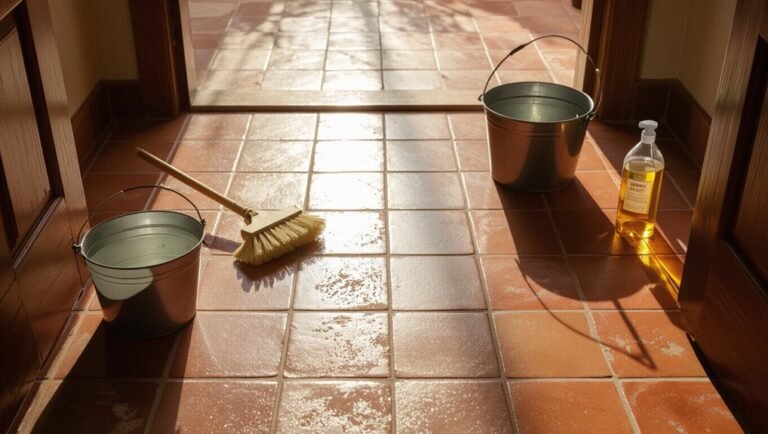
How to Make Your Home Zero Waste
You can cut household waste by auditing your bins, setting small goals, and swapping disposables for reusables like cloth towels, glass storage, and beeswax wraps. Declutter, repair, or donate items and compost food scraps to shrink landfill waste. Buy bulk, choose refill stations, and make cleaners and toiletries at home. Involve your household with clear tasks and track progress so changes stick — keep going and you’ll find practical steps and tools to make it easier.
Assessing Your Household Waste Stream
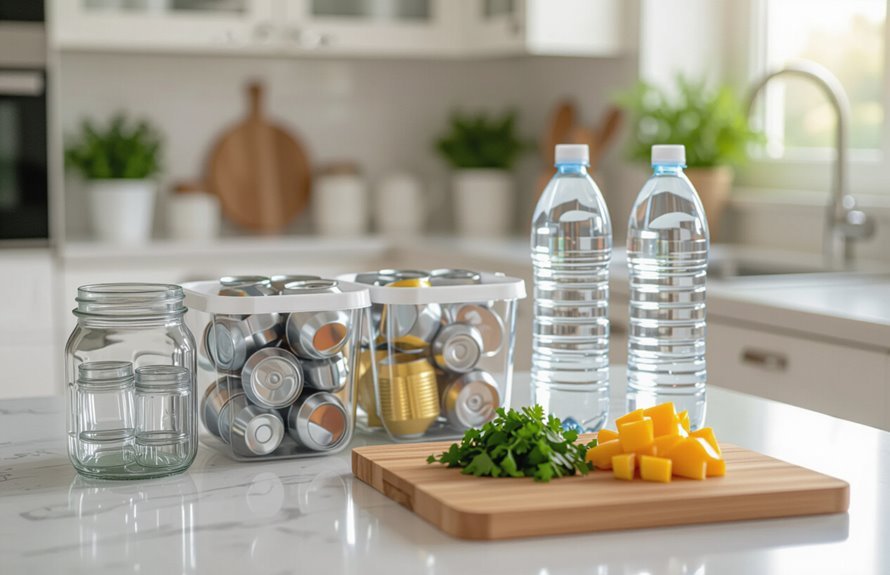
Before you change anything, take stock of what your household actually throws away: set out separate bins for a week or two and note how much goes to trash, recycling, compost, and donation.
You’ll conduct a simple waste audit, logging item types, quantities, and packaging. Compare patterns: which rooms or habits create most waste?
Map current disposal methods — curbside recycling, municipal compost, hazardous waste drop-offs — and note gaps. That data helps you prioritize swaps and reuse strategies.
Keep entries short and objective, then review weekly totals to decide where small changes will reduce volume most effectively.
Setting Realistic Zero Waste Goals
Once you know what and how much you’re discarding, set specific, measurable goals that match your lifestyle and timeline.
Start with small targets—reducing single-use items by 25% in a month—so goal setting feels doable. Keep realistic expectations and focus on gradual changes rather than perfection.
Tie goals to personal motivation: save money, protect health, or model habits for family. Track progress weekly and adjust targets as you learn.
Invite accountability partners to check in and celebrate wins. Explore community involvement for resources and shared swaps.
Regularly review goals so they stay relevant and achievable.
Decluttering With a Zero Waste Mindset
When you start decluttering, ask for each item: keep, repair, or donate.
Sort what’s left by material type so you can recycle or compost correctly.
Whenever possible, replace single-use items with reusable solutions to prevent future waste.
Ask: Keep, Repair, Donate
How will you decide what stays, what gets fixed, and what leaves your home?
You’ll keep items that serve daily use: keep essentials, keep memories, keep heirlooms.
Ask if something’s worn but useful — repair clothes, repair appliances, repair electronics when economical.
If repair won’t restore function or value, let it go thoughtfully: donate furniture, donate books, donate toys to extend their life.
Balance sentiment and space; don’t hoard out of guilt.
Schedule repairs, list donations, and set limits so items circulate instead of piling up.
That way you reduce waste and keep purposeful belongings only.
Sort by Material Type
After you’ve decided what stays, what’s worth fixing, and what should leave, sort the items you kept by material type to make reuse, repair, and recycling simpler.
Group plastics, glass, metal, paper, textiles, and electronics into clear material categories so you can see volumes and priorities. Label boxes and keep repair tools nearby for quick fixes.
Check local recycling guidelines before discarding anything—mixed materials often need special handling. Donate intact textiles and working electronics, salvage metal and glass for projects, and keep hazardous items separate.
This organized approach speeds decision-making and reduces contamination, making zero waste practical.
Choose Reusable Solutions
Because every item you keep should earn its place, choose reusable solutions that replace disposables and simplify daily life. You’ll swap single-use for reusable bags, eco friendly containers, refillable bottles, and silicone lids. Pack zero waste kits with sustainable straws, multipurpose utensils, and cloth napkins. Replace brushes and pads with bamboo toothbrushes and washable pads. Focus on items that serve multiple tasks so decluttering stays simple.
| Item | Use |
|---|---|
| Reusable bags | Groceries, shopping |
| Eco friendly containers | Meal prep, storage |
| Refillable bottles | Drinks, travel |
| Zero waste kits | On-the-go essentials |
Switching to Reusable Kitchen Essentials
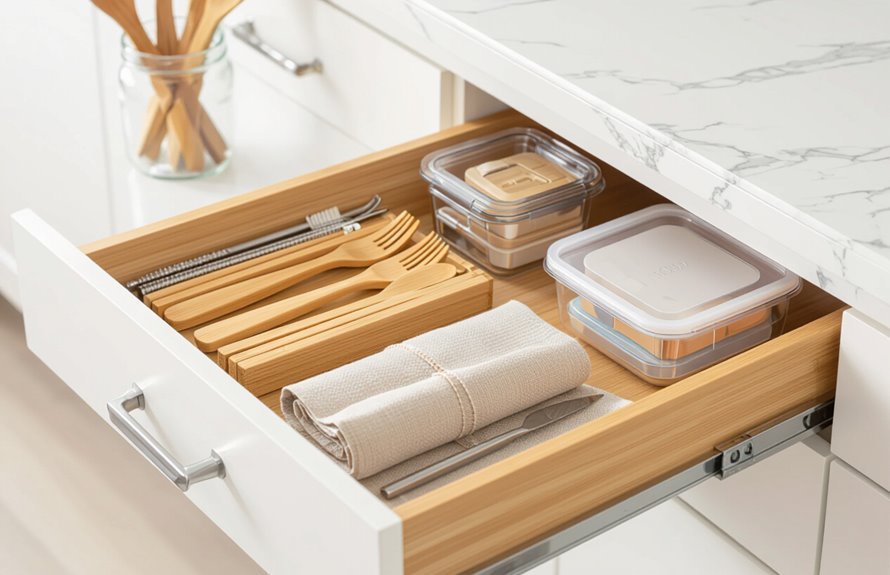
Start by replacing single-use plastic bags and cling film with reusable food storage like silicone bags, glass containers, and beeswax wraps.
You can also swap paper towels and disposable wipes for washable dishcloths and microfiber or cotton kitchen towels.
These small changes cut waste and save you money over time.
Reusable Food Storage Options
Think of your kitchen as a toolkit: swapping disposable bags, cling film, and single-use containers for reusable alternatives cuts waste and saves money over time.
You’ll find silicone bags and beeswax wraps replace ziplocks and plastic wrap; glass containers and stainless steel options hold leftovers without staining. Use food covers and vacuum sealers to extend freshness.
Pack produce in cloth bags and store dry goods in pantry jars instead of boxes. Choose compostable wraps for short-term use. For on-the-go, pick durable snack containers.
Small swaps like these make storage simpler, greener, and more economical.
Swap Single-Use Towels
Swap disposable paper towels for a set of durable, washable kitchen cloths and you’ll cut a huge chunk of household waste while saving money.
Choose towel alternatives like unpaper towels, microfiber, or cotton gauze made from eco friendly fabrics to absorb spills, polish surfaces, and dry hands.
Keep a roll on a holder, stain-treat heavily soiled pieces, and launder with full loads to conserve water.
Use designated cloths for greasy jobs to avoid cross-contamination.
Over time you’ll replace boxes of waste with a compact stash that’s easier on your budget and the planet.
Bulk Shopping and Zero-Packaging Markets
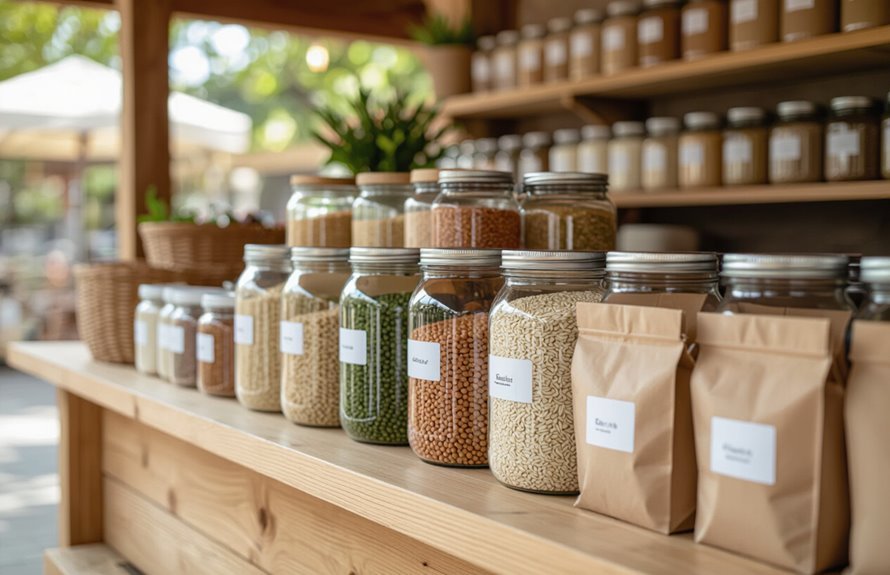
When you bring your own jars and bags to a bulk shop, you cut packaging waste and usually pay less per unit than buying prepackaged goods.
You’ll find whole grains, nuts, spices, cleaners, and toiletries sold by weight so bulk buying becomes simple and economical. Check local zero-packaging markets for refill stations and labeled ingredient lists.
Weigh containers before filling, note unit prices, and keep a shopping list to avoid impulse buys. For items not sold loose, choose minimal or compostable packaging alternatives.
Store purchases in airtight containers at home to extend freshness and reduce trips.
Composting Food Scraps at Home
If you want to cut landfill waste and nourish your garden, composting food scraps at home is one of the simplest, most effective steps you can take. You’ll collect peels, coffee grounds, and eggshells in a kitchen composting container, then move them to a compost bin outside or a worm bin. Turn materials, balance greens and browns, and keep moisture right. Within months you’ll get rich soil to boost plants. Start small, monitor odor and pests, and adjust airflow. Composting saves waste, lowers emissions, and closes the food cycle.
| What to add | Why it matters |
|---|---|
| Greens | Nitrogen |
| Browns | Carbon |
| Air | Decomposition |
| Moisture | Microbes |
Reducing Single-Use Plastics in the Bathroom
Swap disposable razors, cotton pads, and plastic toothbrushes for durable, refillable alternatives you can use again and again.
Look for shampoo bars, bar soap, and toothpaste tablets packaged without plastic to cut waste at the source.
These simple swaps shrink your bathroom trash and make sustainable habits easy to keep.
Swap Disposable Items for Reusables
Although the bathroom might seem like a small place to start, cutting single-use plastics there makes a big impact—replace disposable razors, cotton swabs, and travel-sized bottles with durable reusables and you’ll reduce waste and save money. You’ll swap disposable items for stainless steel razors, refillable bottles, bamboo toothbrushes, and glass containers for lotions. Keep a small pouch of reusable bags for toiletries, silicone straws for travel, and metal cutlery in toiletry kits. Use cloth napkins and beeswax wraps for multipurpose wipes. Imagine this simple organizer:
| Shelf | Item | Material |
|---|---|---|
| Top | Razor | Stainless steel |
| Mid | Bottles | Glass containers |
| Low | Kit | Bamboo utensils |
Choose Plastic-Free Personal Care
You’ve already cut a lot of single-use plastic by replacing razors and travel bottles—now look at the rest of your routine and choose plastic-free personal care items that keep waste out of the bathroom altogether.
Swap aerosol and plastic-packaged products for natural deodorants in recyclable or compostable packaging.
Try eco friendly shampoos in bar form or refill stations to ditch bottles.
Replace plastic-handled brushes and disposable toothbrushes with biodegradable toothbrushes made from bamboo.
Choose sustainable skincare: creams, oils, and serums in glass jars or solid formats.
Small switches add up—buy less, choose refillable, compost when possible.
Sustainable Laundry and Cleaning Habits
When you rethink laundry and cleaning routines, you cut waste and save money while keeping your home healthy. Use eco friendly detergents and eco laundry balls or biodegradable dryer balls; practice energy efficient washing and water saving practices. Try laundry hacks and sustainable fabric softeners, plus natural stain removers for spot care. Replace single-use mops with zero waste mops and assemble green cleaning kits for surfaces.
| Task | Item | Tip |
|---|---|---|
| Laundry | Eco detergent | Cold wash |
| Drying | Dryer balls | Air dry |
| Cleaning | Zero waste mop | Quick rinse |
| Stains | Natural remover | Blot, repeat |
DIY Natural Household Products

You can replace many store-bought cleaners with simple, natural all-purpose recipes using vinegar, baking soda, and essential oils.
For laundry, try homemade alternatives like soap flakes, washing soda, or a vinegar rinse to cut plastic and harsh chemicals.
These swaps save money, reduce waste, and keep your home fresh without synthetic additives.
All-Purpose Cleaner Recipes
Cleaners you make at home can cut waste, save money, and keep harsh chemicals out of your living space.
You’ll mix a citrus cleaner by infusing peels in vinegar, then strain to make a bright vinegar solution that tackles grease and glass. Use spray bottles you already own and label them.
- A jar of orange peels steeping in white vinegar on your counter
- A small spray bottle labeled “All-Purpose — diluted vinegar solution + essential oil”
- Microfiber cloth folded beside a filled spray for quick touch-ups
You’ll reuse containers, control ingredients, and reduce plastic waste.
Homemade Laundry Alternatives
If you want to cut plastic, chemicals, and costs, homemade laundry alternatives do the job with simple, natural ingredients you probably already have. You’ll make a basic homemade detergent from grated soap, washing soda, and baking soda; it cleans well and lasts. For scent and softness, use vinegar rinses or wool dryer balls as natural softeners. Treat stains with lemon, salt, or hydrogen peroxide. Wash full loads on cold to save energy. Store mixes in reused glass jars. This keeps packaging waste down and gives you control over ingredients and scent.
| Item | Benefit |
|---|---|
| Soap mix | Effective, low-waste |
| Vinegar rinse | Softens, deodorizes |
| Dryer balls | Replaces sheets |
Smart Meal Planning to Prevent Food Waste
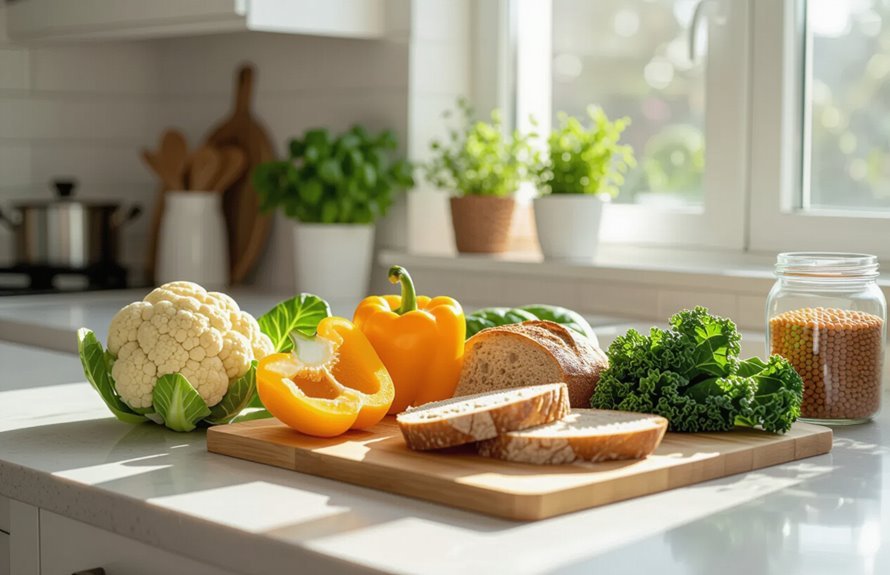
When you plan meals around what you already have and shop with clear intentions, you’ll cut food waste, save money, and simplify daily cooking.
Use pantry organization and a concise shopping list, rotate recipes weekly, and focus on seasonal recipes to stretch ingredients.
Practice portion control and meal prep so servings match appetite.
Try ingredient swaps to use odds and ends, and turn scraps into leftovers inspiration.
Invite family involvement for planning and batch tasks, and adopt mindful eating habits to reduce plate waste.
- Batch-roast vegetables for wraps and bowls.
- Compost peels; freeze broth scraps.
- Label meals for easy reheating.
Repairing and Upcycling Furniture and Clothes
Start by evaluating the condition of your furniture and clothes to decide what’s worth repairing versus repurposing.
Learn a few basic repair techniques—like sewing seams, fixing zippers, tightening joints, and patching upholstery—to extend their life.
When repairs aren’t enough, get creative with upcycle ideas such as turning worn shirts into tote bags or reworking an old dresser into a bathroom vanity.
Assess Condition First
Before tossing or donating, take a close look at each piece—wear patterns, loose joints, stains, and missing buttons tell you what can be fixed or transformed.
You’ll do a quick home assessment and waste evaluation to decide whether repair, upcycle, or recycle makes the most sense. Note age, material, and sentimental value.
Check for structural damage versus surface wear so you don’t overcommit time.
- A chair with a wobbly leg but intact finish
- A shirt with a small tear near a seam
- A dresser with scratched veneer but solid frame
This lets you prioritize projects that cut landfill waste.
Basic Repair Techniques
Grab basic tools and a can-do attitude — simple repairs and upcycles let you extend the life of furniture and clothes with minimal cost and waste.
Start by evaluating damage, then tackle small fixes: stitch hems, patch holes, replace buttons, and learn basic sewing techniques like backstitch and whipstitch.
For furniture, tighten joints, reglue loose veneers, and sand before applying finish.
Furniture refinishing can refresh pieces without replacement—strip, sand, and seal with eco-friendly products.
Work methodically, use quality materials, and practice patience. You’ll save money, cut waste, and build skills that keep items useful longer.
Creative Upcycle Ideas
You’ve learned basic repair moves—now use them as the foundation for creative upcycles that give furniture and clothes new life.
You’ll patch jeans into stylish shorts, reupholster a chair with thrifted fabric, and turn dresser drawers into wall shelves.
Think function and flair: hardware swaps, painted motifs, and clever stitching extend use while cutting waste.
Turn old boots into upcycled planters or sew shirt panels into a quilt. Frame textile scraps as repurposed art to personalize walls.
Small projects build confidence and reduce landfill contribution—choose items you love, plan simply, and enjoy the transformation.
- Reupholstered chair with thrifted fabric
- Boots turned into upcycled planters
- Shirt-scrap repurposed art
Creating a Zero Waste Kid-Friendly Home
When you set up a zero waste kid-friendly home, focus on simple swaps that keep toys, meals, and routines low-waste without making life harder for your family.
Choose eco friendly toys made from wood, fabric, or recycled plastics and favor quality over quantity so fewer items end up discarded.
Pack reusable snack bags, stainless bottles, and washable bibs to cut single-use waste.
Teach toddlers sorting by making it a game and involve older kids in meal prep with composting duties.
Embrace hand-me-downs, repair rather than replace, and model green parenting with calm, consistent habits that stick.
Managing Paper Waste and Mail
Although paper seems small, it quickly piles up into clutter and landfill if you don’t manage it, so start by putting simple systems in place.
You can switch accounts to paperless billing, unsubscribe from junk lists, and sort mail immediately. Set a small inbox for urgent items, recycle circulars, and shred sensitive papers.
Use a scanning app to archive receipts and warranties, then recycle originals when allowed. Commit to a monthly purge and teach household members the routine.
Small habits add up and support mail reduction while keeping your home tidy and waste minimal.
- Scan receipts and archive digitally
- Recycle circulars instantly
- Shred sensitive documents
Choosing Durable, Repairable Appliances
If you want appliances that last and don’t end up in the landfill, prioritize durability and repairability when you shop: look for solid construction, replaceable parts, and brands that publish repair manuals or sell spare parts.
Choose energy efficient models to cut resource use and operating costs. Inspect materials and opt for long lasting materials like stainless steel or reinforced plastics.
Favor modular designs you can service yourself or via local repair shops. Ask retailers about warranty terms, parts availability, and end-of-life recycling.
Buying fewer, better appliances reduces waste and supports a circular approach to household goods.
Sustainable Personal Care and Beauty Routines
Because small daily choices add up, shifting your personal care and beauty routine toward sustainable options cuts waste and lowers your environmental footprint without sacrificing self-care.
You can embrace natural beauty with organic ingredients, homemade skincare recipes, and green haircare that use eco friendly products and ethical brands. Choose refillable containers and sustainable packaging, swap plastic brushes for biodegradable brushes, and prefer zero waste makeup where possible.
Prioritize concentrated formulas and multiuse items to reduce clutter. Small swaps become habits, saving money and plastics while supporting transparency and cruelty-free practices.
- A simple solid shampoo bar replacing bottles
- DIY face oil from organic ingredients
- Refillable serum in glass packaging
Setting Up an Efficient Home Recycling System
When you set up a clear, convenient recycling system at home, you’ll actually follow through instead of letting recyclables pile up in a corner.
Choose sturdy recycling bins labeled for paper, glass, metal, and plastics, and place them where you generate waste: kitchen, bathroom, and home office.
Teach household members proper waste separation with simple signs and a quick demo. Rinse containers, crush cans, and flatten cartons to save space.
Check local rules for accepted materials and collection days. Empty and clean bins regularly to prevent odors.
Small, consistent habits make recycling effortless and effective.
Hosting Low-Waste Gatherings and Events
Recycling at home sets a strong foundation for cutting waste, and you can apply the same habits to gatherings so your parties won’t leave a landfill-sized footprint.
Plan sustainable party planning: send eco friendly invitations, choose minimalistic party themes, and source local produce sourcing for low waste catering.
Use compostable tableware only if reusable isn’t available, and favor reusable drinkware.
Make sustainable decorations from upcycled or natural materials and offer waste free party favors guests will keep.
Entertain with zero waste games that need no disposable props.
- Set a simple buffet with labeled bins
- Offer a drinkware station
- Gift plantable favors
Engaging Your Household in Zero Waste Practices
Want everyone on board without sounding like a lecture? Use gentle prompts, set collective goals, and model mindful consumption. Encourage family involvement by assigning shared responsibilities and celebrating small wins. Use community support and educational resources to learn together. Make sustainable habits fun with team activities and engaging children through games and rewards. Address household challenges openly and adjust roles.
| Task | Who | Reward |
|---|---|---|
| Composting | Kids | Sticker |
| Recycling sorted | Teen | Choice meal |
| Bulk shopping list | You | Less waste |
| Repair night | Partner | Movie night |
Buying Secondhand and Supporting Circular Economy
Because buying secondhand keeps useful items in circulation, you’ll cut waste, save money, and support a circular economy that values reuse over disposal.
You’ll change buying habits: choose quality over newness, repair when possible, and favor preloved goods. Hunt for thrift store finds, swap with neighbors, and choose vintage clothing to reduce demand for fast fashion.
You’ll also prioritize durable homewares and local repair services. Small choices add up when many people participate.
- A cozy armchair rescued from a consignment shop
- Your child’s wardrobe refreshed with thrift store finds
- A curated closet of vintage clothing and timeless pieces
Tracking Progress and Celebrating Small Wins
Keeping track of the small choices you make—buying secondhand, repairing a lamp, skipping single-use packaging—helps you see real progress and stay motivated. Use simple logs, photos, or jars for waste to make tracking milestones visible. Celebrate achievements with small rewards: a plant, a swap party, or a thrift find. Review monthly, adjust goals, and share wins to build momentum.
| Date | Action | Result |
|---|---|---|
| Jan | Repaired lamp | Saved purchase |
| Feb | Bought secondhand | Reduced waste |
| Mar | Zero-packaging week | Less trash |
| Apr | Swap hosted | Community gain |
Conclusion
You’ve gone from overflowing bins to intentional choices, trading convenience for clarity. Small swaps — jars instead of plastic, thrifted finds instead of new — feel tiny but add up to big change. You’ll still slip up sometimes, but those moments sit next to steady progress. Keep goals real, celebrate small wins, and involve your household. The contrast between where you started and where you’re headed will keep you motivated and moving forward.