40 Garden Plants Ideas for a Thriving and Beautiful Garden
For a thriving and beautiful garden, consider mixing flowering plants, culinary delights, and ornamental greenery. Start with lavender and sunflowers for vibrant colors and soothing fragrances. Include tomato plants and basil for fresh culinary options. Peonies and lilies add stunning blooms, while nasturtiums and peppers bring unique variety. Don’t forget violets for a touch of charm. Explore how these plants interact and complement each other for a truly flourishing garden experience. There’s so much more to discover!
Lavender
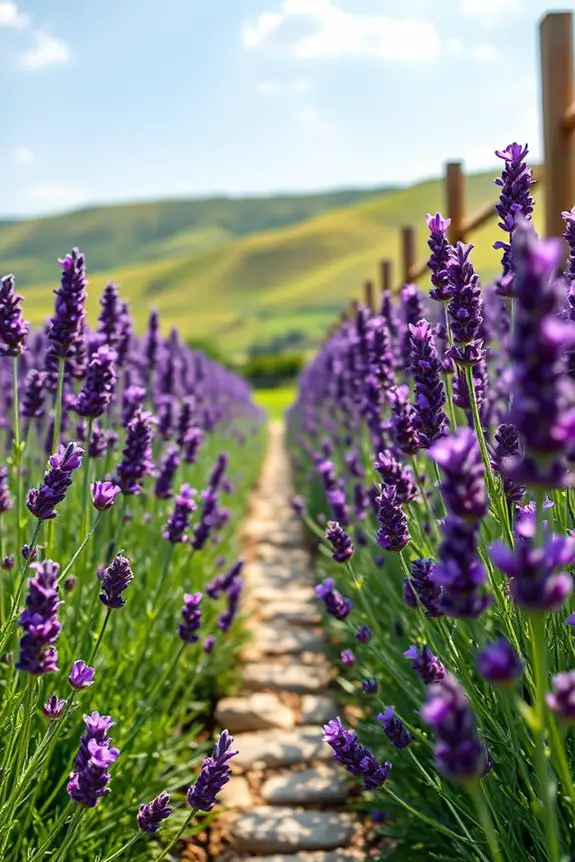
Lavender, with its vibrant purple blooms and soothing fragrance, is a fantastic addition to any garden. Not only does it beautify your space, but it also offers numerous lavender benefits.
This hardy plant attracts pollinators like bees and butterflies, enhancing your garden’s ecosystem. You can use lavender in various ways, from infusing oils and teas to creating sachets for a calming scent in your home.
Its natural oils are known for their relaxing properties, making it ideal for reducing stress and improving sleep quality. Plus, lavender’s drought-resistant nature means less maintenance for you!
Sunflowers
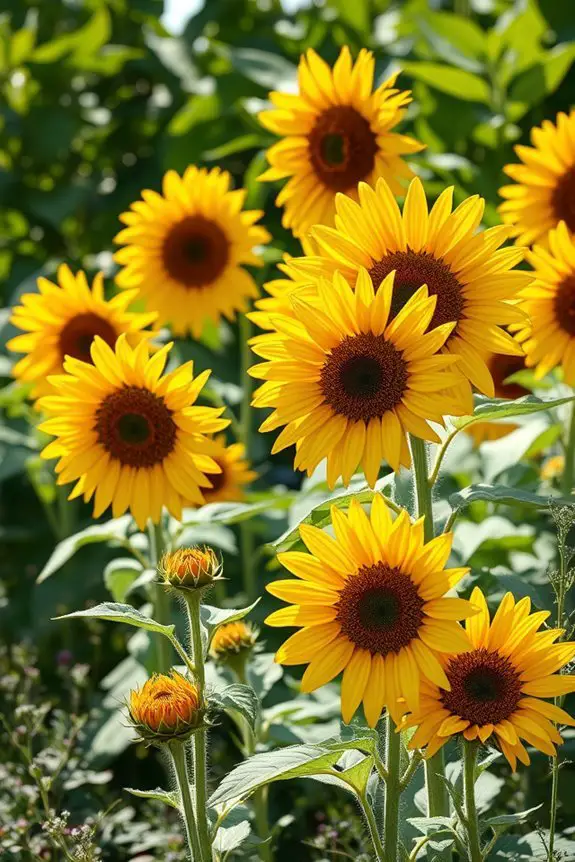
Sunflowers are a radiant choice for any garden, bringing a burst of color and cheerfulness. With numerous sunflower varieties available, you can easily find the perfect fit for your space. From towering giants to compact types, there’s a sunflower to suit every garden size.
Sunflower care is quite simple, making them ideal for both novice and experienced gardeners. They thrive in full sunlight and well-drained soil, so pick a sunny spot in your garden.
Water them regularly, especially during dry spells, but avoid overwatering. As they grow, you may want to stake taller varieties to prevent them from toppling over.
With a little care, these vibrant blooms will brighten your garden and attract pollinators, enhancing your outdoor oasis.
Tomato Plants
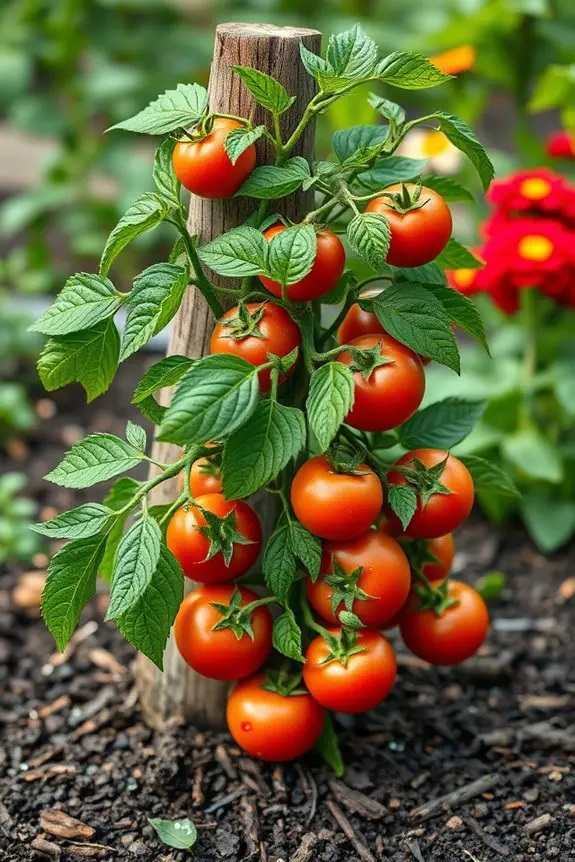
If you’re looking to add a delicious touch to your garden, tomato plants are a fantastic option. Consider growing heirloom varieties for unique flavors.
If space is limited, try container gardening; just guarantee your pots have good drainage. Pay attention to sun exposure—tomatoes thrive in full sunlight.
Use companion planting to deter pests and boost soil health. Implement pruning techniques to encourage airflow and reduce tomato diseases.
Regular watering is essential; aim for consistent moisture without waterlogging. During the growing seasons, monitor for signs of pests and diseases, adjusting your pest control methods as needed.
With the right care, you’ll enjoy a bountiful harvest of fresh, homegrown tomatoes!
Basil
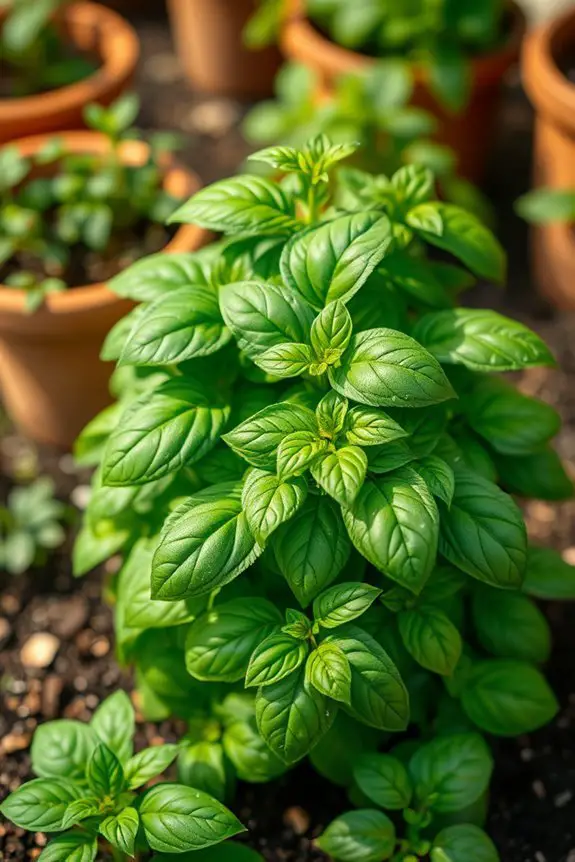
Basil is a must-have herb for any garden enthusiast, offering both culinary delights and aromatic beauty. You’ll love the fresh flavor it brings to dishes like pasta, salads, and sauces.
Plus, the basil benefits extend beyond the kitchen; it’s known for its anti-inflammatory and antioxidant properties.
With various basil varieties to choose from, including sweet basil, Thai basil, and purple basil, you can experiment to find your favorite. Each type has unique flavors and aromas, allowing you to enhance your cooking and brighten your garden.
To grow healthy basil, make sure it gets plenty of sunlight and well-drained soil.
Peonies
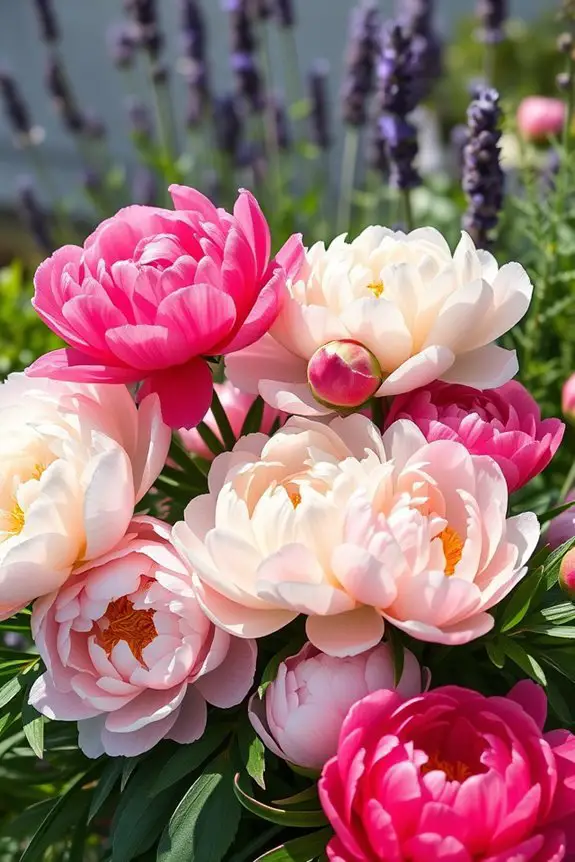
Peonies are a stunning addition to any garden, known for their large, fragrant blooms and vibrant colors. You’ll find peony varieties ranging from classic whites and pinks to deep reds and yellows, allowing you to create a colorful display.
For ideal growth, focus on peony care by ensuring they’ve well-drained soil and plenty of sunlight. Water them consistently, especially during dry spells, and consider adding mulch to retain moisture.
When planting, give them enough space to grow, as they can reach impressive sizes. Deadhead spent blooms to encourage new growth and prevent disease.
With a little attention, your peonies will thrive and become a highlight of your garden, bringing joy for years to come.
Marigolds
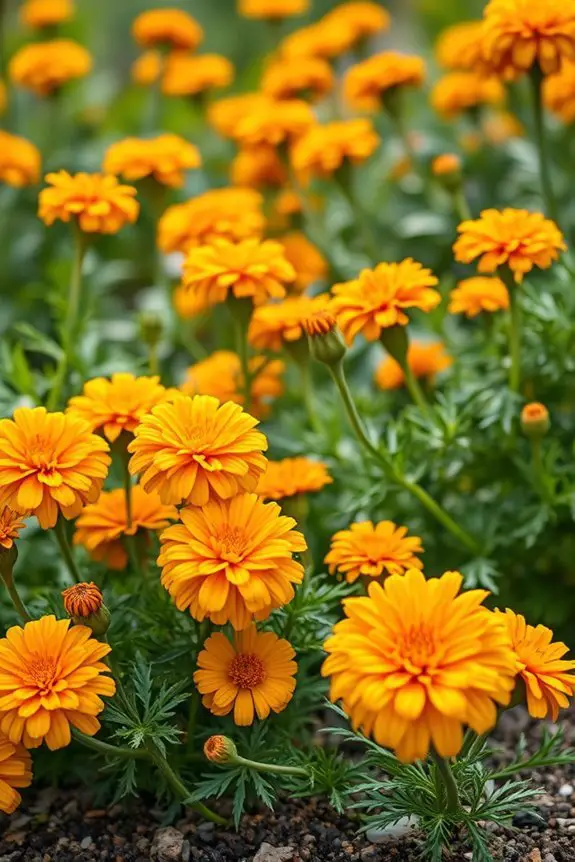
Marigolds bring vibrant color and cheerful energy to your garden, making them a popular choice among gardeners.
These hardy flowers not only brighten up your space but also offer several marigold benefits. They’re known for repelling pests like nematodes and aphids, acting as a natural pest control solution.
Pair them with vegetables like tomatoes and peppers for the best marigold companion effect, as they enhance growth while keeping harmful insects at bay.
Plus, marigolds bloom all summer long, ensuring your garden remains lively and colorful.
Easy to grow and maintain, they thrive in various conditions, making them a must-have for any garden enthusiast.
Hydrangeas
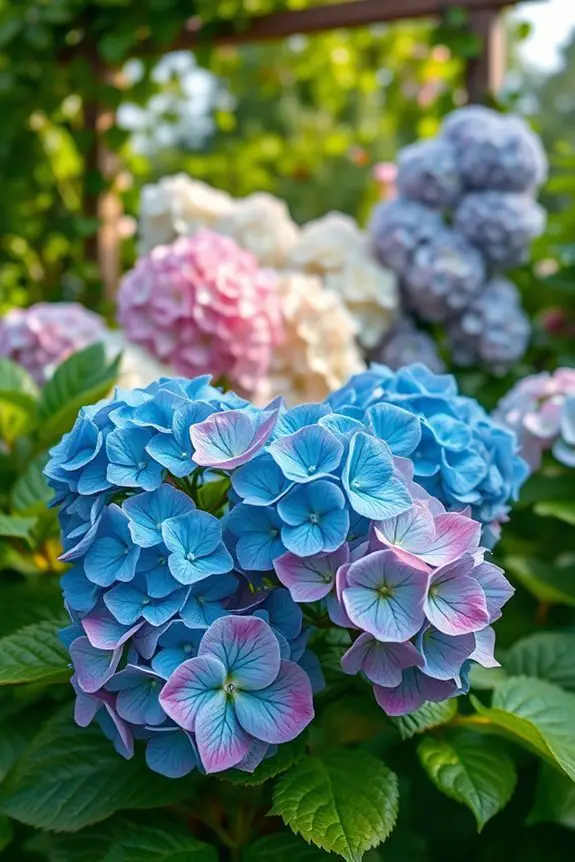
When you want to add a touch of elegance to your garden, hydrangeas are an excellent choice. With various hydrangea varieties, such as the popular ‘Annabelle’ and ‘Endless Summer,’ you can find the perfect fit for your landscape.
These stunning blooms thrive in both sunny and partially shaded spots, making them versatile for many garden designs.
Hydrangea care is straightforward; they prefer well-drained soil and regular watering, especially during dry spells.
Pruning is essential for some varieties to encourage healthy growth and abundant blooms.
Don’t forget to monitor the pH of your soil, as it can affect the color of the flowers.
With a little attention, your hydrangeas will flourish, creating a vibrant focal point in your garden.
Zinnias
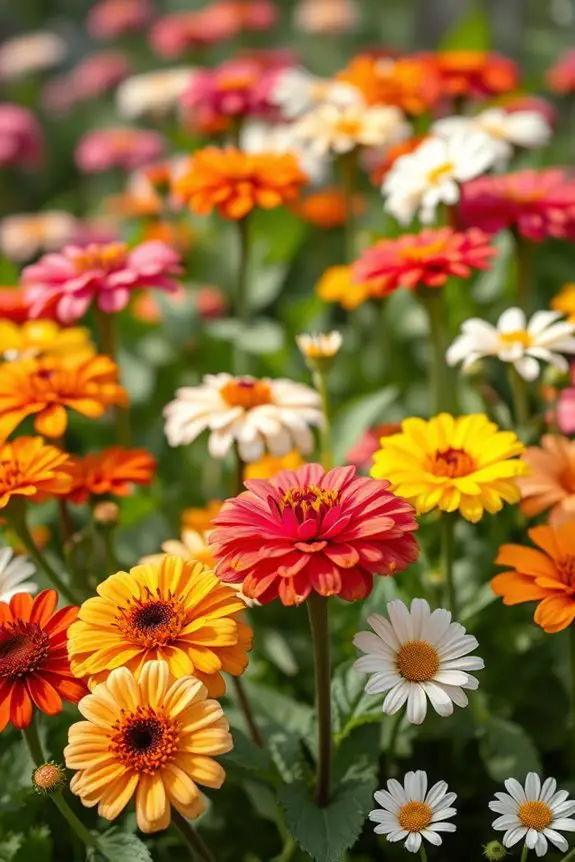
Although you might think of zinnias as just cheerful blooms, they bring a burst of color and life to any garden.
With an array of zinnia varieties available, from the classic “State Fair” to the more compact “Zahara,” you can easily find the perfect fit for your space.
Zinnias thrive in full sun, so be sure to plant them where they’ll soak up plenty of light.
For zinnia care, keep the soil well-drained and water them regularly, especially during dry spells.
Deadheading spent blooms encourages more flowers and maintains their vibrant look.
Whether in borders or containers, zinnias will enchant you with their resilience and stunning colors throughout the growing season.
Your garden will thank you for adding these delightful flowers!
Rosemary
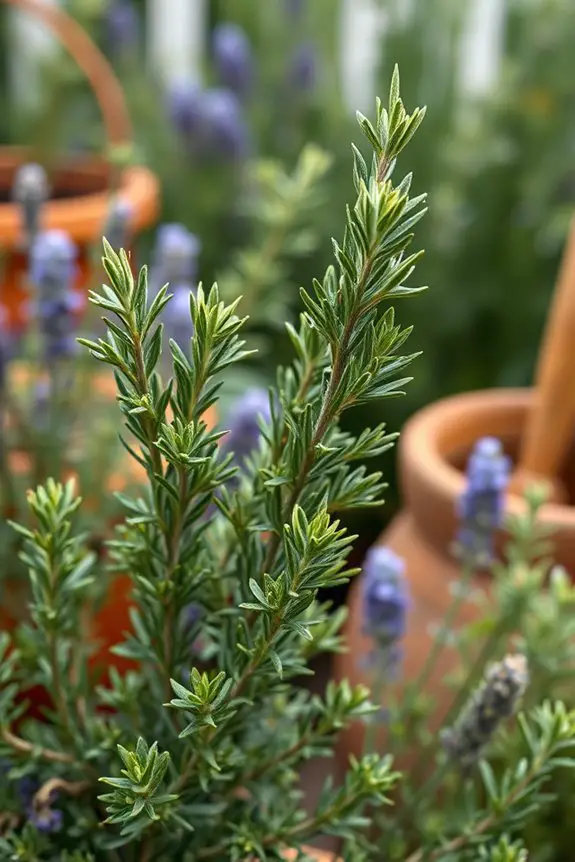
After enjoying the vibrant colors of zinnias, you might want to contemplate adding rosemary to your garden. This aromatic herb not only enhances your culinary creations but also brings various rosemary benefits.
Its evergreen leaves provide a lovely backdrop for your other plants, and it attracts beneficial pollinators like bees.
For ideal rosemary care, plant it in well-drained soil and guarantee it gets plenty of sunlight. Water it sparingly—rosemary prefers dry conditions over soggy roots.
Pruning regularly encourages bushier growth and keeps the plant healthy. Plus, you’ll enjoy the delightful scent each time you brush past it.
Incorporating rosemary can elevate both the beauty and utility of your garden, making it a must-have addition.
Hostas
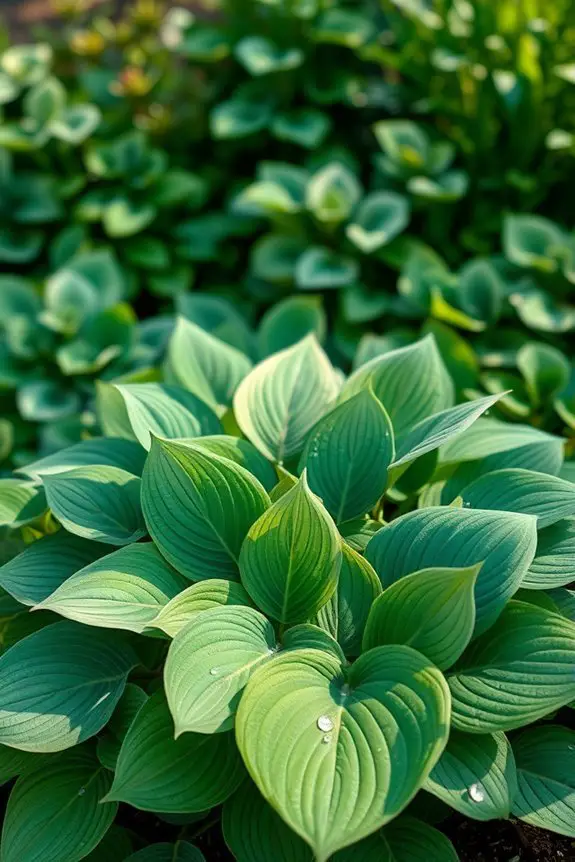
Hostas are a fantastic choice for adding lush greenery to your shade garden. With numerous hosta varieties available, you can find the perfect fit for your space, whether you prefer large leaves or delicate, variegated options.
These plants thrive in partial to full shade, making them ideal for darker corners of your garden.
For peak hosta care, make certain they receive well-drained soil and adequate moisture. Mulching helps retain moisture and suppress weeds.
During the growing season, you can fertilize with a balanced fertilizer to encourage vibrant foliage. Keep an eye out for pests like slugs, as they can damage your hostas.
With a little attention, your hostas will flourish, providing beautiful greenery year after year.
Succulents
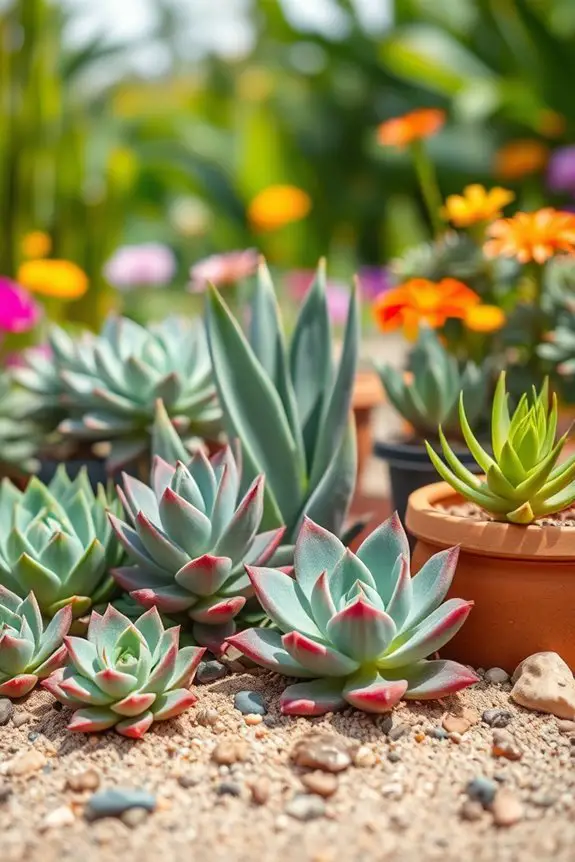
If you’re looking to add a touch of modern elegance to your garden, succulents are an excellent choice. These low-maintenance plants come in a variety of shapes, sizes, and colors, making them perfect for creating visual interest.
Popular succulent varieties like Echeveria and Sedum thrive in sunny spots and require minimal watering, making succulent care a breeze. Group different types together in a stylish arrangement or use them as eye-catching accents in your garden beds.
Guarantee they’ve well-draining soil and adequate sunlight, and you’ll enjoy their unique beauty for years to come. With their striking forms and resilience, succulents can transform any garden into a contemporary oasis.
Petunias
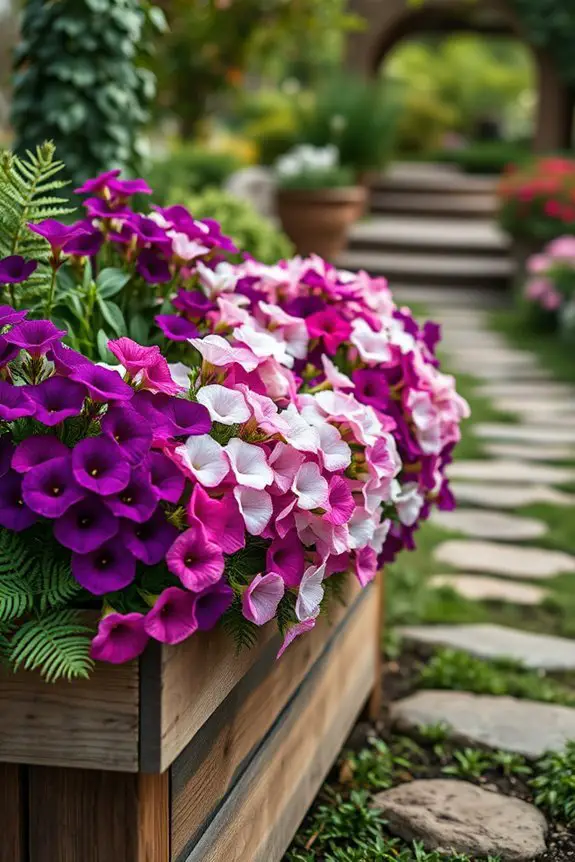
Brightening up your garden with petunias is an easy way to add vibrant color and charm.
These beautiful flowers come in a variety of colors, ranging from soft pastels to bold, striking hues. When choosing petunia color varieties, consider mixing them for a lively display.
To guarantee your petunias thrive, follow some essential petunia care tips: plant them in well-draining soil and provide plenty of sunlight. Regular watering is key, but avoid overwatering to prevent root rot.
Deadheading spent blooms encourages more flowers to appear, extending your petunias’ blooming season. With the right care, you’ll enjoy a stunning garden filled with these colorful beauties all summer long.
Geraniums
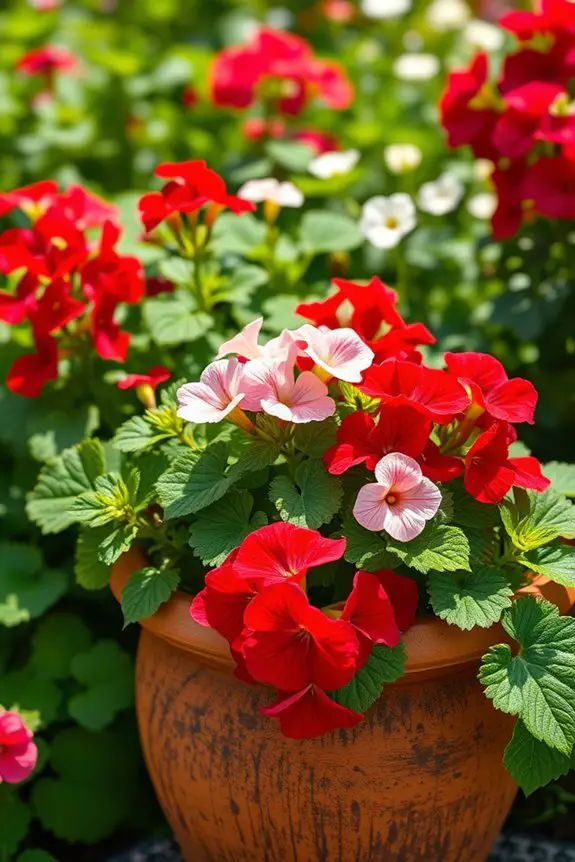
Geraniums are a fantastic choice for adding a splash of color to your garden, with over 400 species available to choose from.
These vibrant plants come in various geranium varieties, including zonal, ivy, and scented types, each offering unique blooms and fragrances.
To guarantee your geraniums thrive, focus on proper geranium care. They prefer well-draining soil and need plenty of sunlight, ideally around six hours a day.
Water them regularly but avoid overwatering, as this can lead to root rot.
Deadheading spent flowers encourages additional blooms, keeping your garden looking fresh.
With minimal effort, geraniums can bring joy and beauty to your outdoor space, making them a must-have for any garden enthusiast.
Sweet Potatoes
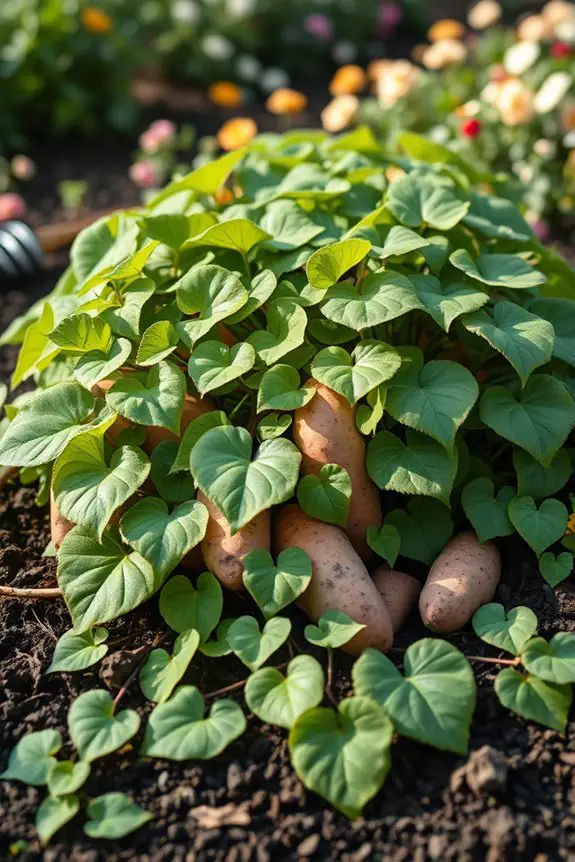
If you’re looking to add a nutritious and delicious crop to your garden, sweet potatoes are a fantastic choice. These vibrant tubers are packed with vitamins A and C, making them a healthful addition to your diet.
Plus, they’re versatile in the kitchen; you can create a variety of sweet potato recipes, from savory casseroles to sweet pies.
Growing sweet potatoes is relatively easy, as they thrive in warm weather and well-drained soil. Just plant the slips in late spring, and you’ll enjoy a bountiful harvest by fall.
Not only will you benefit from their great taste, but you’ll also reap the sweet potato benefits, including improved digestion and immune support.
Start planting, and enjoy this amazing crop!
Ornamental Grasses
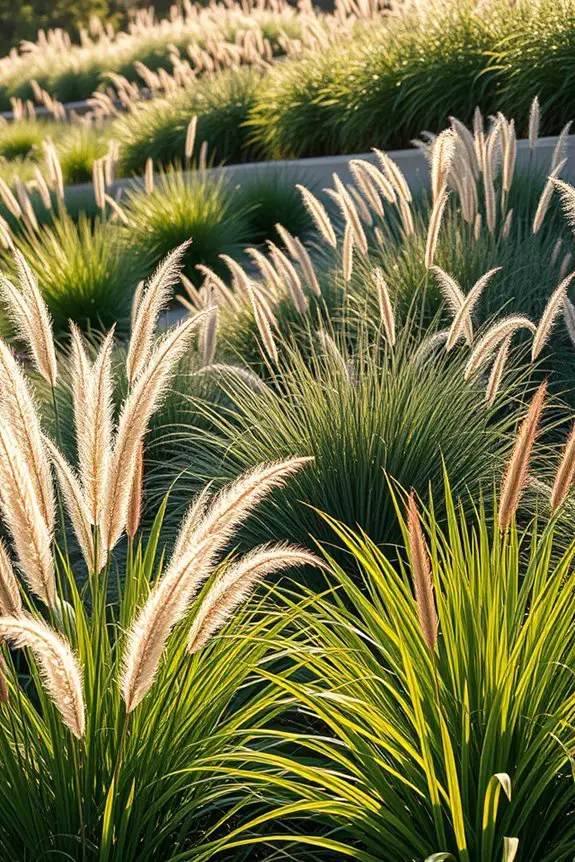
Ornamental grasses bring a unique texture and movement to your garden, enhancing its visual appeal. They’re an excellent choice for adding interest throughout the seasons.
You’ll find a wide range of ornamental grasses varieties, from tall Miscanthus to short Blue Fescue, each providing distinct colors and forms.
When it comes to ornamental grasses maintenance, you’ll appreciate their low upkeep requirements. Most grasses thrive in well-drained soil and full sun, making them easy to integrate into your existing landscape.
Regular trimming in early spring will help promote healthy growth, and occasional watering during dry spells can keep them looking their best.
With these grasses, you’ll create a dynamic environment that sways gracefully with the breeze, making your garden truly enchanting.
Astilbe
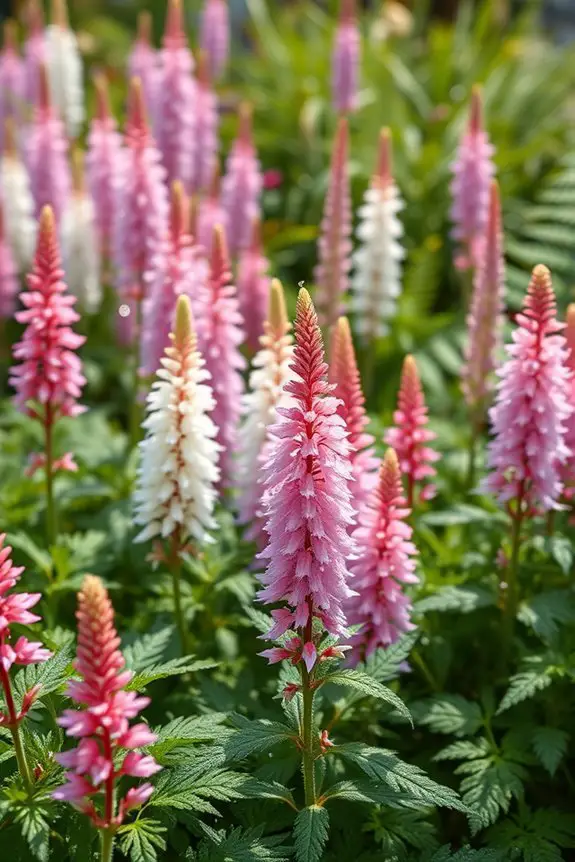
Astilbe shines in shaded areas of your garden, offering vibrant blooms that can brighten even the gloomiest spots. For ideal Astilbe care, choose well-drained, rich soil with a slightly acidic pH.
You’ll find various Astilbe varieties, each bringing unique colors and heights to your landscape. When considering Astilbe companion planting, pair them with ferns or hostas for a lush effect. These plants thrive in partial to full shade, so keep their sun requirements in mind.
Astilbe flowering seasons typically range from late spring to summer, providing long-lasting beauty. For pest management, watch for aphids and spider mites, which can be controlled organically.
You can propagate Astilbe through division or seed, ensuring your garden stays vibrant year after year.
Coneflowers
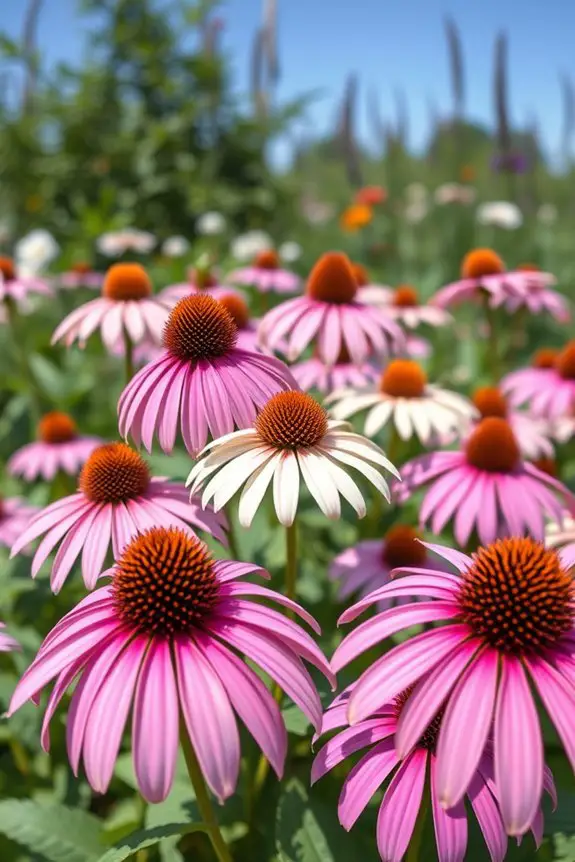
While you’re looking to add vibrant color and attract pollinators to your garden, coneflowers are an excellent choice.
These hardy perennials not only boast stunning blooms in shades of pink, purple, and white, but they also offer numerous coneflower benefits. Their ability to thrive in poor soil and resist drought makes them low-maintenance plants, perfect for busy gardeners.
To guarantee their success, plant coneflowers in full sun and well-drained soil. Water them during dry spells, but avoid overwatering. Deadheading spent flowers encourages more blooms and keeps your garden looking fresh.
Snapdragons
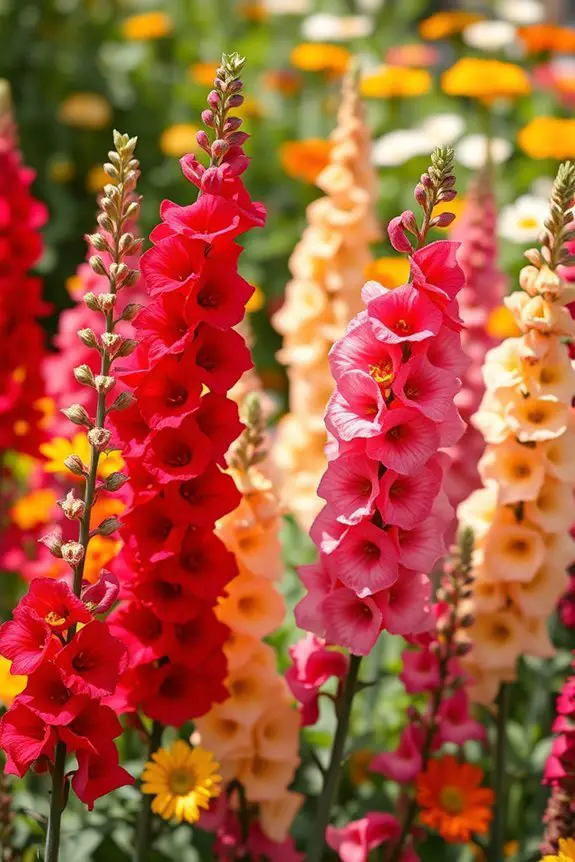
If you want to add a splash of color and charm to your garden, snapdragons are a fantastic option. These vibrant blooms come in various snapdragon varieties, ensuring you’ll find the perfect match for your garden’s aesthetic.
You can choose from tall, elegant spikes to low, bushy plants, each bringing unique beauty. Snapdragons thrive in full sun and well-drained soil. For ideal snapdragon care, water them regularly, but be careful not to overwater.
A balanced fertilizer during the growing season will help them flourish. Deadheading spent flowers encourages more blooms, extending their vibrant display. With a little attention, snapdragons will reward you with a lively and colorful garden throughout the season.
Kale
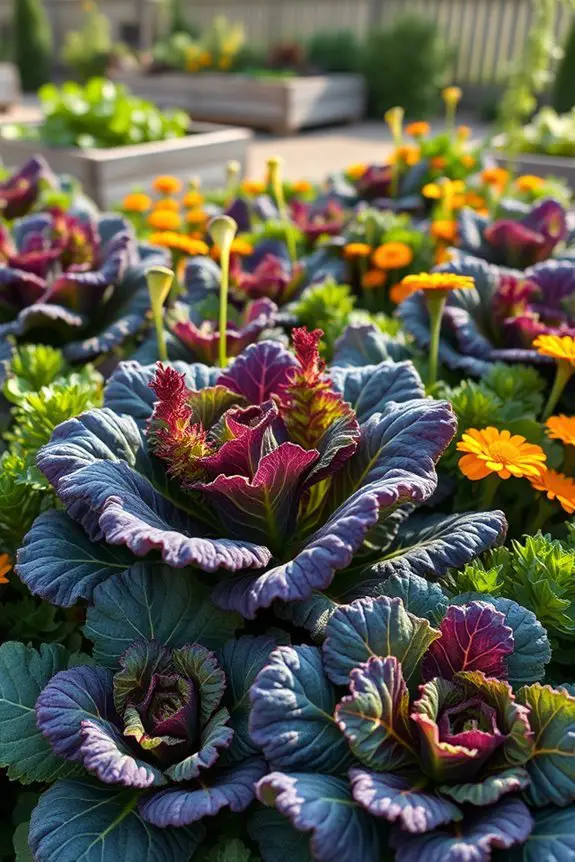
Kale is a versatile and nutritious addition to any garden, offering both visual appeal and culinary benefits. With various kale varieties like Curly, Lacinato, and Red Russian, you can enjoy different textures and colors, enhancing your garden’s aesthetic.
Kale thrives in cooler weather, making it perfect for spring and fall planting.
One of the major kale benefits is its rich nutrient profile, packed with vitamins A, C, and K, along with antioxidants and fiber. You can easily incorporate fresh kale into salads, smoothies, or cooked dishes, boosting both flavor and nutrition.
By growing kale in your garden, you’ll not only create a vibrant landscape but also provide yourself and your family with a healthy food source.
Cacti
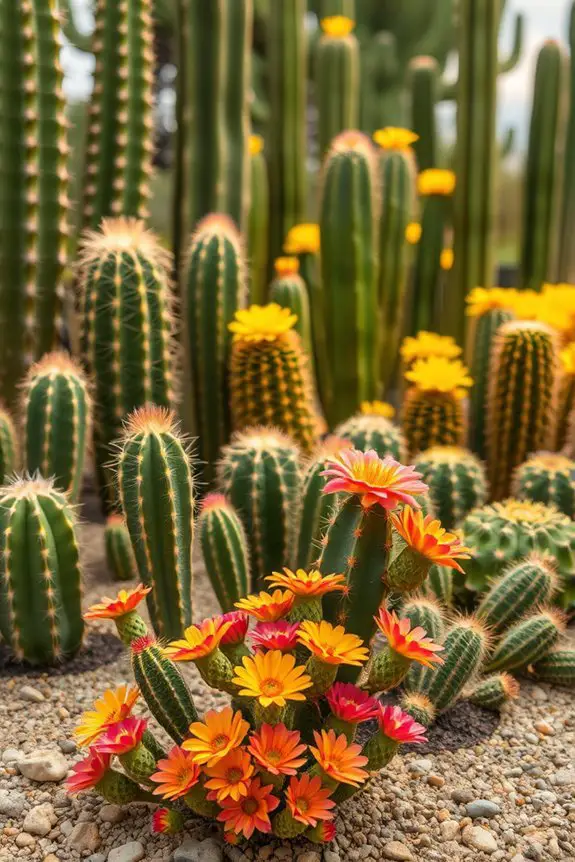
After enjoying the vibrant blooms of fuchsia, consider adding cacti to your garden for a completely different aesthetic.
These resilient plants come in various cacti varieties, each offering unique shapes and colors that can enhance your outdoor space. From the tall and striking saguaro to the small, rounded barrel cactus, you’ll find options to suit any garden design.
Cacti care is straightforward, making them perfect for both novice and experienced gardeners. Ascertain they receive plenty of sunlight and well-draining soil to thrive.
Water them sparingly, as they prefer dry conditions. With minimal maintenance, cacti can bring an eye-catching and low-maintenance charm to your garden, creating a stunning contrast to your flowering plants.
Embrace the beauty of cacti!
Chives
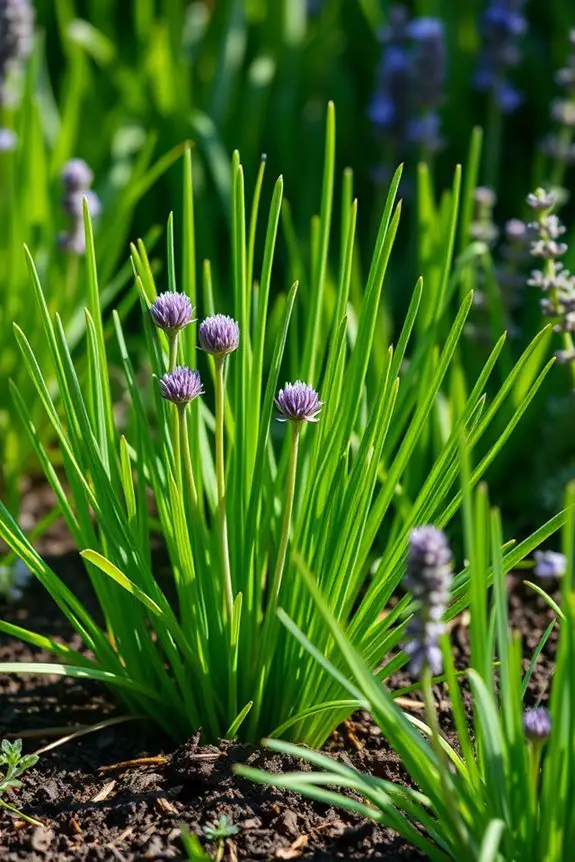
If you’re looking to add a burst of flavor and color to your garden, consider planting chives. These vibrant green herbs not only enhance your garden’s aesthetic but also offer numerous benefits.
Chives are easy to grow and require minimal maintenance, making them perfect for any gardener. Their mild onion flavor elevates various dishes, so you’ll find plenty of chives recipes to explore, from salads to soups.
Plus, chives are rich in vitamins A and C, which can boost your overall health. You’ll love snipping fresh chives right from your garden to sprinkle on your meals.
With their delightful taste and attractive purple blooms, chives are a fantastic addition that’ll keep your culinary creations fresh and exciting!
Black-eyed Susans
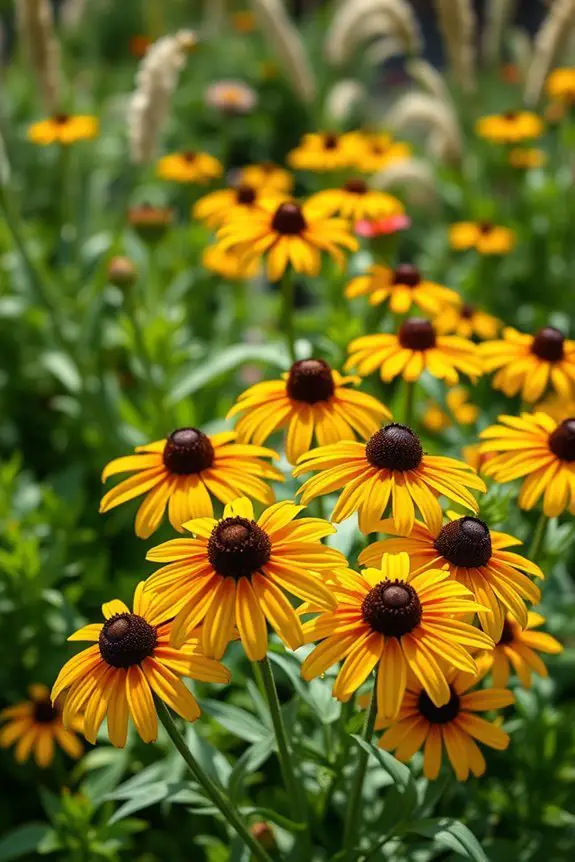
Chives bring flavor to your dishes, but why stop there? Black-eyed Susans are a fantastic addition to your garden, offering vibrant blooms that attract pollinators.
For healthy plants, follow some black-eyed Susans care tips: plant them in full sun and well-drained soil, water them regularly, and deadhead spent flowers to encourage more blooms.
These hardy perennials can thrive in various conditions, making them a gardener’s favorite. When planning your garden, consider their companion plants like coneflowers and asters.
These pair beautifully and create a colorful display while sharing similar care needs. With the right attention, black-eyed Susans will brighten your garden and provide a cheerful atmosphere all season long!
Pansies
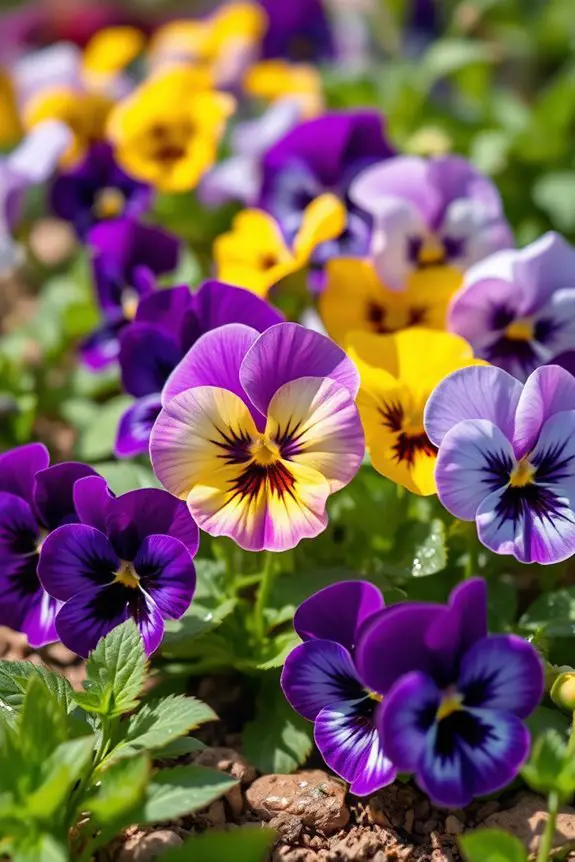
Pansies are a delightful choice for any garden, bringing a splash of color with their wide range of vibrant hues and unique patterns.
You’ll find various pansy varieties, from simple solid colors to intricate bi-color designs, guaranteeing you’ll discover the perfect fit for your garden aesthetic.
When it comes to pansy care, they thrive in cooler temperatures, making them ideal for spring and fall planting.
Ensure they get plenty of sunlight, ideally six hours a day, and water them regularly to keep the soil consistently moist.
Deadheading spent flowers encourages more blooms, enhancing their beauty.
With the right attention, your pansies will flourish, creating a cheerful and inviting atmosphere in your outdoor space.
Bee Balm
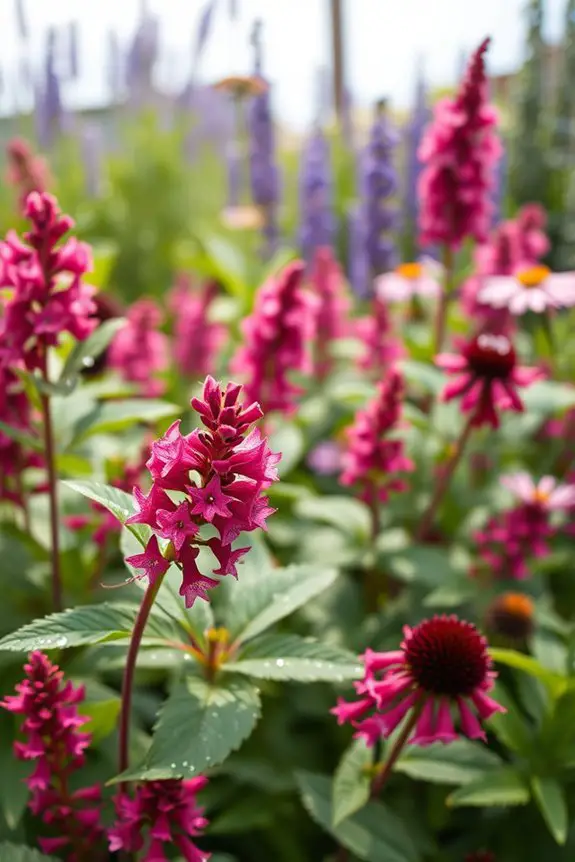
Although you mightn’t have considered it before, Bee Balm can be a stunning addition to your garden. This vibrant plant not only adds color but also attracts pollinators like bees and butterflies, enhancing your garden’s ecosystem.
The bee balm benefits extend beyond aesthetics; its leaves can be used to make herbal teas, offering a revitalizing taste and potential health perks.
For peak growth, focus on bee balm care by planting it in well-drained soil and providing plenty of sunlight. Water it regularly, especially during dry spells, and don’t forget to deadhead spent blooms to encourage more flowers.
With a little attention, you’ll enjoy a flourishing patch of Bee Balm that’s both beautiful and beneficial for your garden!
Carrots
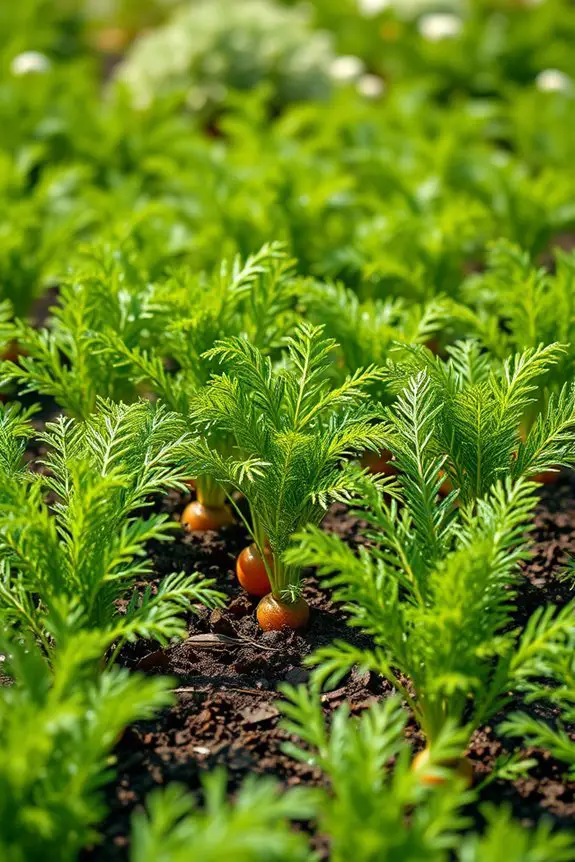
Carrots are a fantastic choice for any vegetable garden, bringing both vibrant color and delicious flavor to your meals.
When it comes to carrot growing, you’ll find a range of carrot varieties to suit your taste and space. From the classic orange Nantes to the unique purple and white varieties, there’s a carrot for everyone.
They thrive in well-drained soil with plenty of sunlight, so make sure your garden spot meets these needs. You’ll want to sow seeds directly into the ground, spacing them appropriately to allow for growth.
Keep the soil moist, and in just a few months, you’ll be harvesting crisp, sweet carrots. Enjoy the satisfaction of growing your own nutritious veggies right at home!
Foxglove
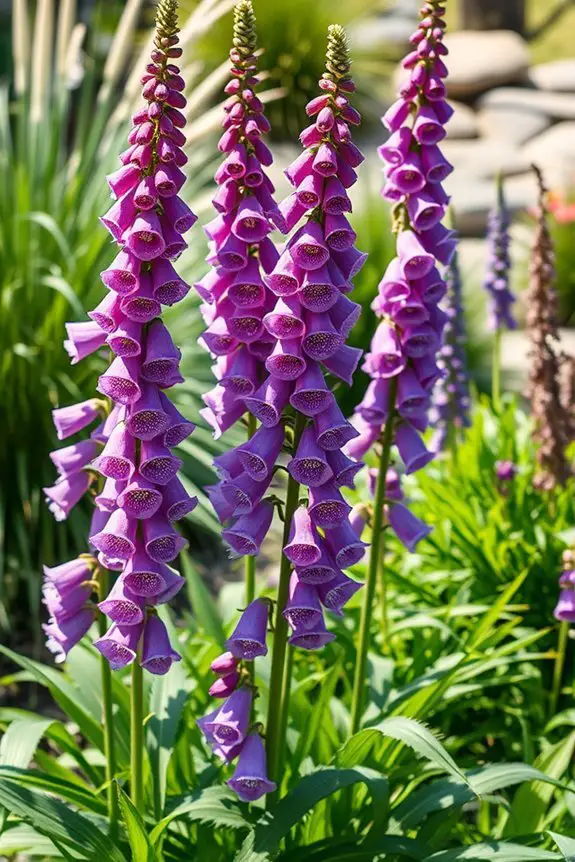
Foxglove, with its striking spires of bell-shaped flowers, can transform any garden into a vibrant oasis.
These beautiful plants not only add visual appeal but also have fascinating medicinal uses. Historically, foxglove has been used to treat heart conditions due to its cardiac glycosides. However, caution is key—never use it without professional guidance.
For successful foxglove garden care, choose a partially shaded spot with well-draining soil. Water them regularly, but avoid waterlogged conditions.
As they thrive in cooler climates, make sure you protect them from extreme heat. Deadheading spent blooms encourages more flowering, enhancing your garden’s beauty.
With the right care, foxglove can be a stunning and functional addition to your outdoor space.
Thyme
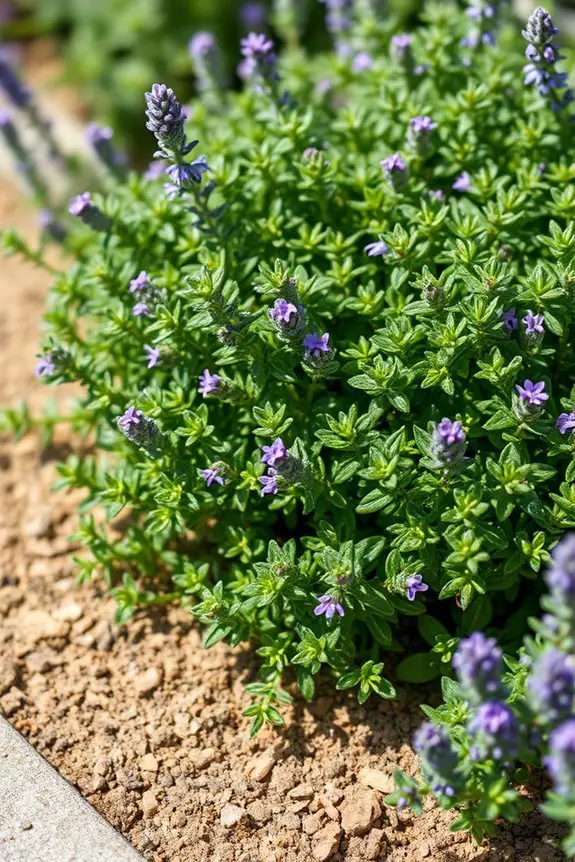
Thyme is a versatile herb that can elevate both your garden and your culinary creations. Its fragrant leaves add depth to dishes like soups, stews, and roasted meats, making it a staple in your cooking repertoire. You can easily grow thyme in sunny spots, and it thrives in well-drained soil, ensuring a bountiful harvest.
Beyond its cooking uses, thyme boasts impressive medicinal properties. It’s known for its antiseptic qualities and can help with respiratory issues when brewed as a tea.
Additionally, the herb’s antioxidants may support overall health. By planting thyme in your garden, you not only enhance your meals but also cultivate a natural remedy, making it a must-have for any gardening enthusiast.
Creeping Thyme
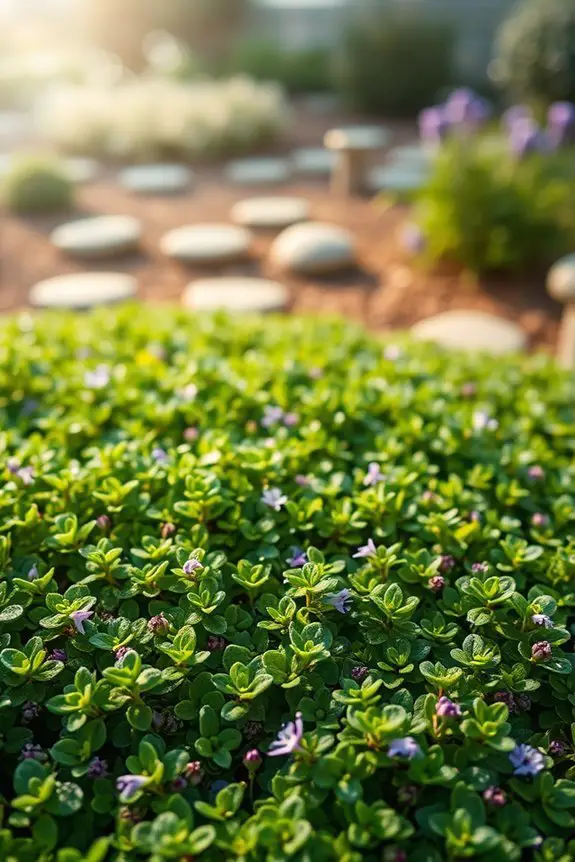
If you’re looking to add a fragrant touch to your garden, creeping thyme is a fantastic choice. This low-growing perennial not only fills your outdoor space with a delightful aroma but also attracts beneficial pollinators.
One of the key creeping thyme benefits is its ability to thrive in poor soil, making it perfect for rock gardens or pathways. Plus, it’s drought-resistant, which means less worry about watering during hot months.
As for creeping thyme maintenance, it’s minimal; just trim it back occasionally to encourage new growth and prevent it from becoming too woody.
With its lush greenery and tiny flowers, creeping thyme adds charm and character to any garden, making it a must-have for garden enthusiasts.
Chrysanthemums
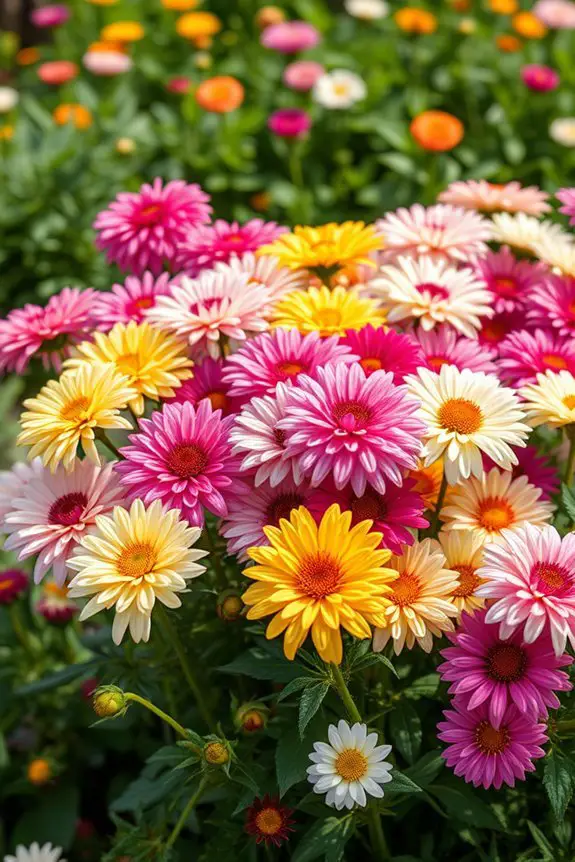
After enriching your garden with creeping thyme, consider adding chrysanthemums for a burst of color and vibrancy.
These versatile flowers come in numerous chrysanthemum varieties, including pom-poms, daisy-like blooms, and spider types, ensuring you find the perfect match for your garden design.
When it comes to chrysanthemum care, make sure you plant them in well-drained soil and provide them with plenty of sunlight.
Regular watering is essential, but avoid over-watering to prevent root rot.
Deadheading spent blooms encourages further flowering, extending the vibrant display.
With proper care, chrysanthemums can bloom from late summer into fall, creating a stunning focal point in your garden.
Don’t miss out on the beauty these flowers can bring!
Gardenias
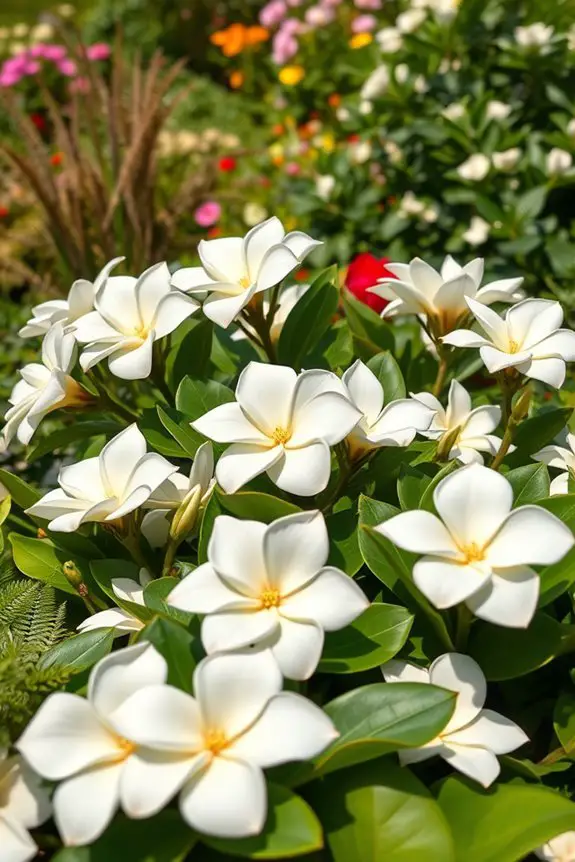
Although gardenias require a bit more attention than some other plants, their enchanting fragrance and beautiful white blooms make them well worth the effort.
To guarantee your gardenias thrive, focus on proper gardenia care. They prefer well-drained, acidic soil and need consistent moisture without becoming waterlogged.
Place them in a spot that receives partial shade to protect them from harsh sun. Regular pruning helps maintain their shape and encourages new growth.
Watch for pests like aphids and treat them promptly to keep your plants healthy. As the blooms open, you’ll be rewarded with that delightful gardenia fragrance wafting through your garden.
With a little dedication, your gardenias will become a stunning centerpiece in your outdoor space.
Mint
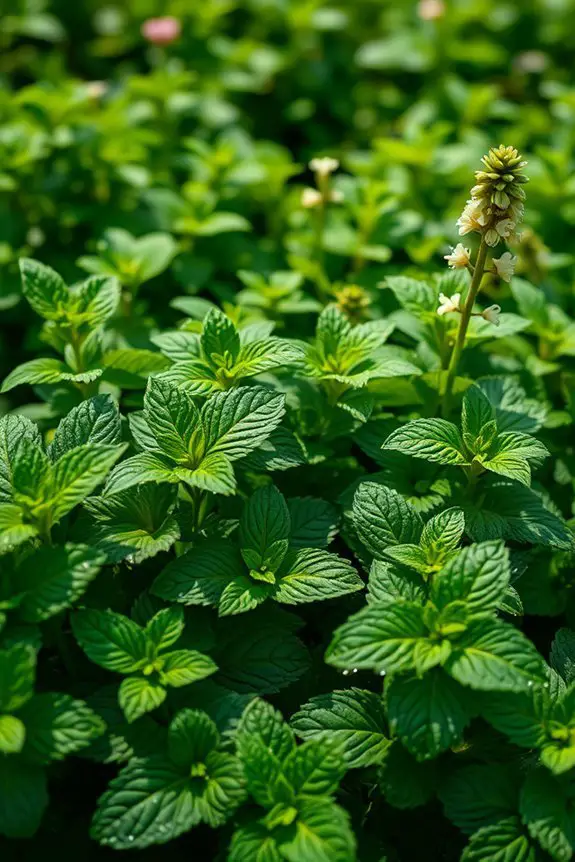
While mint may be small in size, it packs a punch with its invigorating aroma and vibrant green leaves, making it a must-have for any garden.
You’ll love the versatility of mint gardening; its fast growth and resilience make it easy to cultivate. Plant it in a pot to keep it contained, or let it spread in a designated area.
Once you’ve harvested the leaves, you can brew a revitalizing cup of mint tea that’s perfect for hot days or soothing evenings. Just crush a few leaves and steep them in hot water.
Whether you use it in recipes or as a garnish, mint adds a delightful flavor that enhances your dishes and drinks. Don’t miss out on this fragrant herb!
Eggplants
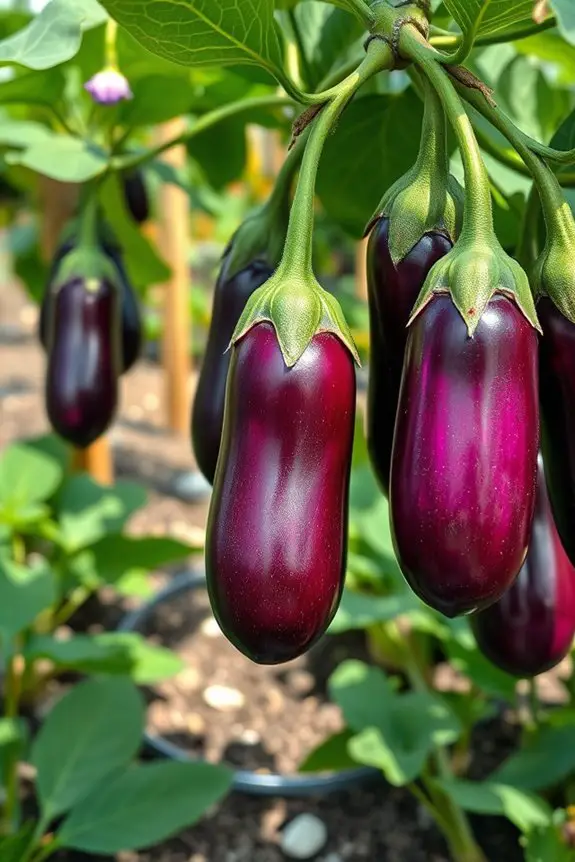
Eggplants are a stunning addition to any garden, offering not just beautiful colors but also a range of culinary possibilities. You’ll find numerous eggplant varieties to suit your taste, from the classic Italian globe eggplant to the slender Asian types. Each variety brings its unique flavor and texture, making your dishes vibrant and exciting.
When it comes to cooking, eggplant recipes are endless. You can grill, roast, or sauté them, incorporating them into pastas, stir-fries, or even as a hearty meat substitute in dishes like eggplant parmesan.
With a little creativity, you’ll discover how versatile these beautiful vegetables can be. So, plant a few eggplants in your garden, and enjoy the delicious rewards they bring to your table!
Daylilies
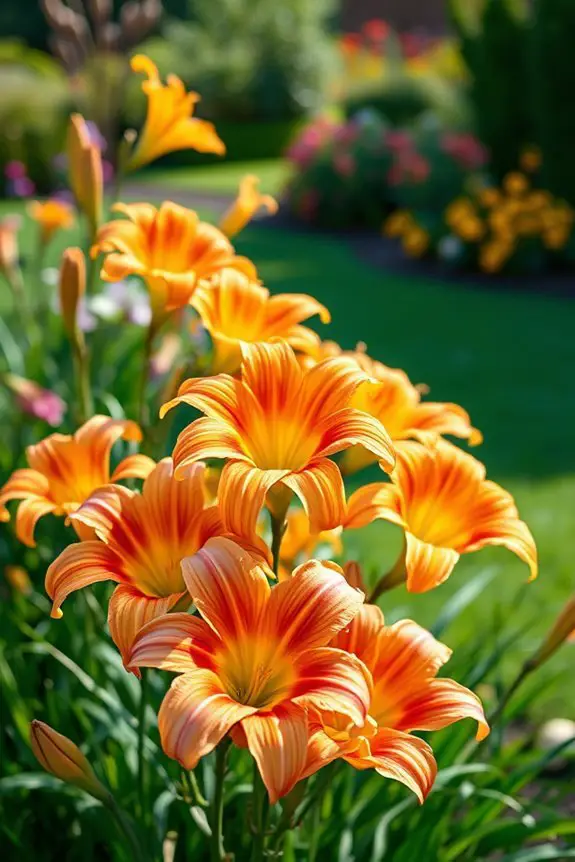
Daylilies are a fantastic choice for any garden, bringing vibrant colors and hardy blooms that last throughout the summer.
With a wide range of daylily varieties, you can easily find the perfect ones to suit your garden’s aesthetic. They thrive in various conditions and require minimal daylily care, making them ideal for both novice and experienced gardeners.
Plant them in well-drained soil with plenty of sunlight, and they’ll reward you with stunning flowers year after year. Remember to water them regularly, especially during dry spells, and trim back the foliage in late fall.
With their resilience and beauty, daylilies will certainly enhance your garden and bring joy every blooming season.
Lilies
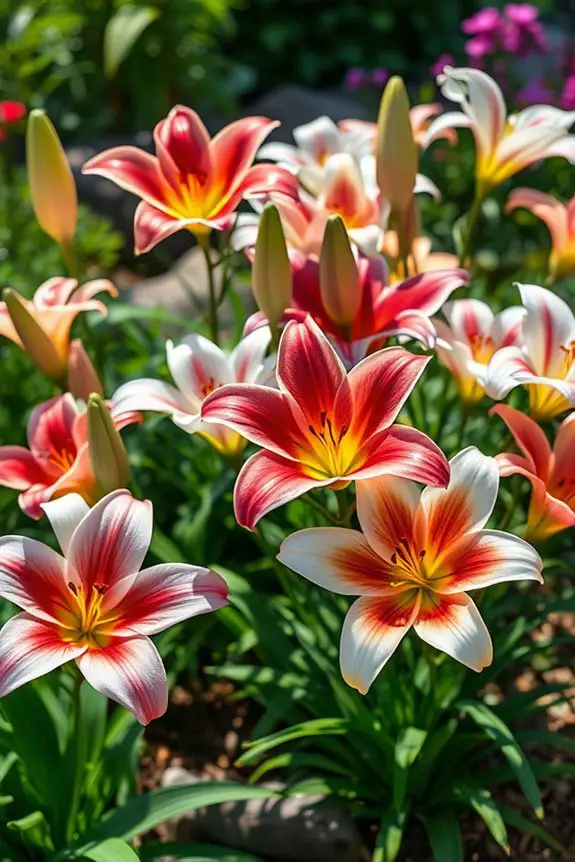
If you’re looking to add more variety to your garden, consider including lilies. These stunning flowers come in numerous lily varieties, each bringing unique colors and fragrances to your outdoor space.
From the elegant Asiatic lilies to the fragrant Oriental types, there’s a perfect option for every garden style.
For proper lily care, plant them in well-drained soil and provide plenty of sunlight. Water them regularly, but be careful not to overwater, as this can lead to rot.
Mulching helps retain moisture and keeps weeds at bay. Deadheading spent blooms encourages further flowering, extending their beauty throughout the season.
With a little attention, your lilies will thrive and create a breathtaking display that captivates all who visit your garden.
Nasturtiums
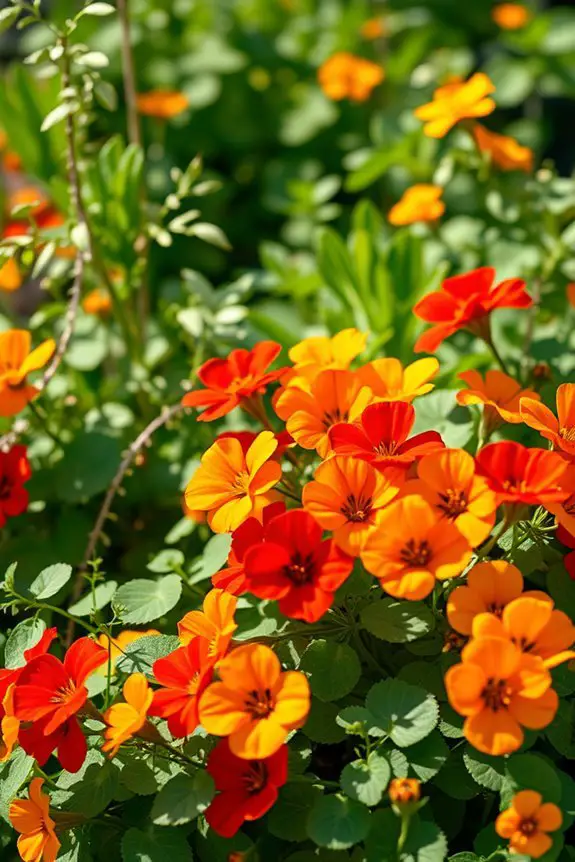
Nasturtiums are a vibrant addition to any garden, offering a splash of color and a touch of whimsy. With various Nasturtium varieties available, you can choose from bright yellows, oranges, and reds.
Their benefits include attracting beneficial insects and repelling Nasturtium pests, making them excellent companions for other plants. For ideal Nasturtium care, make certain they receive full sun and well-drained soil.
You can grow them easily from Nasturtium seeds, and they thrive in containers or garden beds. Plus, don’t forget that they’re edible! Incorporate edible nasturtium leaves and flowers into your salads or use them in delicious Nasturtium recipes.
Enjoy the beauty and practicality of these charming plants in your garden!
Violets
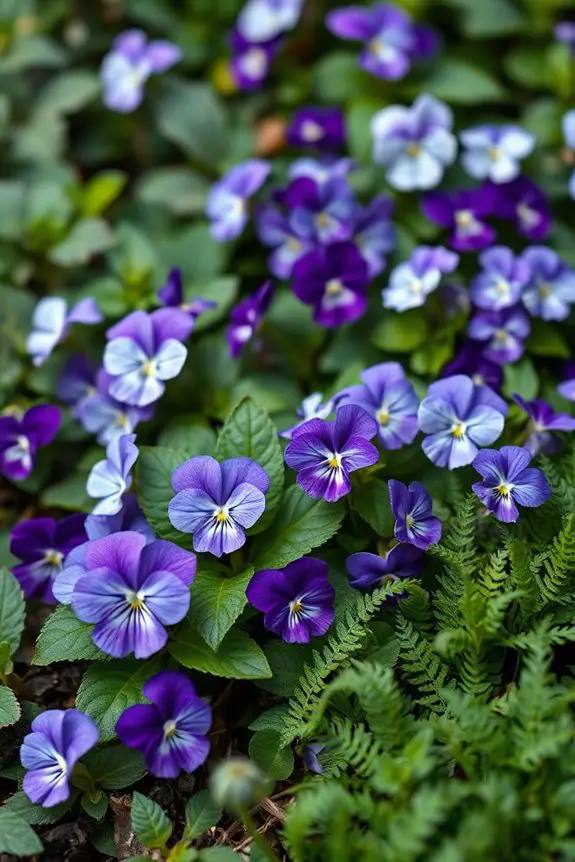
While you might think of violets as mere garden decorations, they bring charm and versatility to your outdoor space. These lovely plants, with their vibrant colors and delightful fragrance, can enhance any garden.
When it comes to violet care, make certain they’ve well-drained soil and partial shade, as they thrive in such conditions. Regular watering is essential, but avoid overwatering.
You’ll find an array of violet varieties, including the classic sweet violet, with its heart-shaped leaves and rich scent, and the more unique African violet, which flourishes indoors.
Conclusion
As you plan your beautiful garden, consider that incorporating just a few diverse plants can increase its biodiversity by up to 50%. By adding vibrant flowers like lavender and sunflowers alongside productive plants like tomatoes and basil, you’re not only enhancing your garden’s aesthetics but also its health. Embrace these 40 garden plant ideas to create a thriving space that attracts pollinators and provides you with delicious homegrown produce. Happy gardening!