
How to Clean Your Home the Eco-Friendly Way
You can clean your home effectively with simple, non-toxic ingredients like vinegar, baking soda, lemon, and plant-based soap, and by swapping disposables for washable cloths and refillable bottles. Use microfiber to trap dust, run full cold laundry loads with eco detergent, and spot-clean spills to cut effort. Label homemade solutions, store them safely, and keep kids and pets away from concentrates. Keep going to learn practical recipes, routines, and product tips that save money and waste.
Choosing Safe, Non-Toxic Cleaning Ingredients
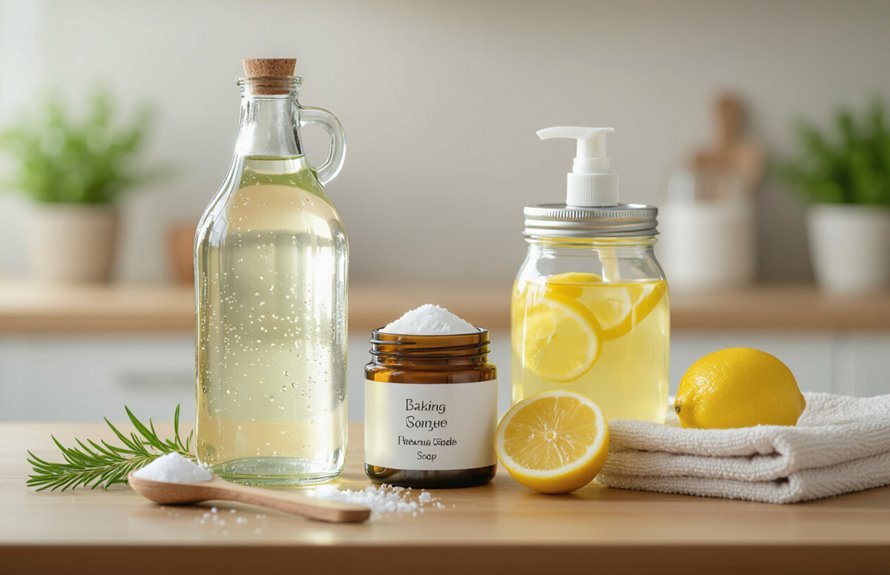
When you switch to non-toxic cleaning ingredients, you cut harmful chemicals from your home and protect your family’s health and the environment.
You’ll look for natural ingredients like vinegar, baking soda, and plant-based surfactants, reading labels to avoid phthalates, dyes, and synthetic fragrances.
Choose certified eco friendly brands that disclose full ingredient lists and third-party certifications.
Test new products in small areas, watch for allergic reactions, and store cleaners safely.
Prioritize concentrates to reduce packaging waste and pick biodegradable formulas.
Making Effective DIY Cleaners From Pantry Staples
Want a quick, low-cost way to clean that actually works? Mix baking soda with water to form a paste for scrubbing sinks, stovetops, and grout; it lifts grime without harsh fumes.
For glass and counters, combine lemon juice with water in a spray bottle — its acidity cuts grease and leaves a fresh scent.
Use vinegar sparingly where appropriate, but avoid mixing it directly with bleach. Test surfaces first, especially porous stone.
Store solutions in labeled, reused bottles and use microfiber cloths. These pantry staples keep cleaning simple, effective, and kinder to your home and the planet.
Replacing Single-Use Products With Reusable Alternatives
Cutting single-use waste is simple and effective: swap paper towels for washable cloths to handle spills and dust.
Choose refillable spray bottles for your DIY cleaners so you’re not tossing plastic after each use.
These small switches save money and cut landfill and plastic clutter over time.
Swap Paper Towels for Cloth
A simple swap—replacing paper towels with washable cloths—cuts waste and saves money while keeping your home just as clean.
You can switch to eco friendly fabrics like cotton, bamboo, or repurposed linens for durable, absorbent cloth alternatives.
Keep a labeled basket for counters, a stack for spills, and a roll of cut rags for grease. Rinse and launder regularly, using cold water and a mild detergent to extend life.
For tough jobs, reserve a microfiber for streak-free surfaces.
You’ll reduce trash, lower costs, and build a practical habit that fits daily cleaning without more single-use clutter.
Use Reusable Cleaning Bottles
When you swap single‑use plastic bottles for refillable cleaning containers, you’ll immediately shrink your household waste and save money over time. Choose sturdy glass or BPA‑free plastic, label each bottle, and mix concentrated solutions to cut packaging. Seek local refill stations for bulk cleaners, or bottle up homemade blends in measured batches. You’ll reduce clutter, control ingredients, and support low‑waste shops. Rinse and reuse sprayers, avoid cross‑contamination, and store concentrates safely. Small changes add up: commit to refilling, not replacing, and share tips with friends to spread the impact.
| Benefit | Action |
|---|---|
| Waste down | Use refill stations |
| Save money | Bottle up concentrates |
Green Strategies for Dusting and Allergen Control
Use microfiber cloths to trap dust and reduce airborne particles without chemical sprays, and wash them regularly to keep them effective.
Pair them with natural allergen controls like baking soda for carpets and a salt or vinegar solution for washable surfaces to cut irritants.
You’ll breathe easier and cut waste by choosing these low-toxicity, reusable options.
Microfiber Cloths for Trapping
Because microfiber grabs dust and allergens instead of just moving them around, you’ll cut cleaning time and improve indoor air quality with minimal effort.
You’ll choose cloths that trap particles, boost cleaning efficiency, and reduce detergent use. Wash microfiber separately, avoid fabric softener, and air-dry to preserve fibers. Use damp cloths for most surfaces; dry for electronics and blinds. Rotate cloths to cover more area without smearing.
- Pick high-density weaves for better microfiber benefits.
- Keep color-coded cloths to prevent cross-contamination.
- Replace worn cloths once they stop trapping effectively.
Natural Solutions for Allergens
Anyone can cut allergens without harsh chemicals by choosing simple, natural methods that work with your home’s airflow and surfaces. You’ll dust top-to-bottom with microfiber, vacuum with HEPA, and open windows briefly to exchange stale air. Add allergen free plants in low-light spots to boost humidity balance. Use air purifiers where you sleep, and wash bedding weekly in hot water. Steam-clean rugs and upholstery when needed. Keep clutter down to reduce dust traps. Below is a quick reference:
| Strategy | Action |
|---|---|
| Dusting | Microfiber, top-to-bottom |
| Bedding | Hot wash weekly |
| Air | Ventilate, air purifiers |
| Plants | Allergen free plants |
| Fabrics | Steam-clean rugs |
Eco-Friendly Techniques for Kitchen Cleaning
While you’re tackling kitchen cleaning, focus on swapping harsh chemicals for simple, effective eco-friendly alternatives that protect your health and the planet.
You’ll use natural scrubbing agents like baking soda and lemon for stovetops and sinks, and biodegradable sponges to reduce waste. Wipe surfaces with a vinegar-water spray, rinse with hot water, and air-dry to prevent streaks and bacteria.
- Scrub grimy pans with baking soda paste and a biodegradable sponge.
- Degrease cabinets with lemon and warm water, then dry.
- Disinfect cutting boards with vinegar, salt, and sunlight exposure.
Natural Methods for Bathroom Sanitizing

After tackling kitchen grime with baking soda, lemon and vinegar, carry those same simple, non-toxic principles into the bathroom to keep surfaces sanitary without harsh chemicals. You’ll sprinkle baking soda on tubs and tiles, scrub with a damp cloth, then rinse. Use vinegar in a spray for mirrors and faucets. Drop citrus peels into the garbage disposal or infuse vinegar with them for a fresh disinfectant. Ventilate while cleaning and spot-test grout. Natural brighteners lift soap scum and germs without fumes, so you protect your family and the planet with straightforward, effective care.
| Soothing | Clean |
|---|---|
| Warm light | Fresh scent |
| Quiet | Sparkle |
| Soft towel | Calm |
Sustainable Floor Care for Wood, Tile, and Carpet
Wondering how to keep wood, tile, and carpet clean without harming the planet? You’ll protect surfaces and the environment by choosing gentle, effective methods.
Use microfibre mops, refillable spray bottles, and other sustainable cleaning tools. For wood, pick cleaners made for eco friendly finishes and wipe spills quickly; avoid soaking.
For tile, use vinegar solutions or baking soda paste for grout. For carpet, vacuum regularly and spot-treat with enzyme cleaners or diluted castile soap, then air-dry.
Rotate rugs and use washable mats to reduce wear. Small habits cut waste and extend floor life.
- Choose gentle products
- Maintain regularly
- Repair not replace
Energy- and Water-Saving Laundry Practices
Because laundry uses a lot of energy and water, you can cut both—and your bills—by changing a few simple habits: run full loads, choose cold-water cycles when possible, and use high-efficiency appliances and laundry detergents designed for lower temperatures.
You should sort clothes to avoid rewashing, pretreat stains so shorter cycles work, and spin-dry when fabrics allow to reduce drying time.
Buy energy efficient machines with good ratings and maintain them—clean filters and balance loads.
Use concentrated, eco friendly detergents to use less product and avoid excess rinsing.
Air-dry whenever you can to save even more.
Greener Window and Glass Cleaning Tips

For streak-free windows, mix equal parts white vinegar and water in a spray bottle and use it instead of harsh chemical cleaners.
Grab a good microfiber cloth and wipe in horizontal strokes, flipping to a clean side as it gets dirty.
You’ll get clearer glass with less waste and no residue.
Streak-Free Vinegar Solution
A simple vinegar-and-water mix gives you streak-free windows without harsh chemicals, and you can make it with items you already have.
You’ll mix equal parts white vinegar and water to tap into vinegar benefits for cutting grease and film, then spray lightly and wipe in a circular motion for streak removal.
Use cool water to avoid residue, and test a small area first on fragile coatings. Store the solution in a labeled bottle for quick touch-ups.
- Equal parts white vinegar + water
- Spray, then wipe with a clean cloth
- Rinse edges with plain water
Microfiber Cloth Technique
Many households can cut streaks and waste by switching to microfiber cloths for windows and glass; they trap dirt and lift oils without chemical sprays.
You’ll notice microfiber benefits immediately: fewer streaks, less product, and faster cleaning. Use a damp cloth for general wiping and a dry one to buff for a clear finish.
Wash cloths separately in mild detergent, avoid fabric softener, and air-dry or tumble low to preserve fibers. For tough grime, soak in warm water before wiping.
Proper cloth maintenance extends life and keeps performance high, so you replace less and reduce landfill waste.
Reducing Plastic Waste From Cleaning Supplies

While it’s easy to grab the same single-use bottles you always have, you can cut plastic waste dramatically by switching to refillable options, concentrated formulas, and DIY cleaners made from pantry staples.
You’ll want to seek eco friendly brands that use plastic free packaging or offer refill stations. Refill glass sprayers, buy tablets or concentrated pods, and mix simple vinegar, baking soda, and lemon solutions. You’ll save money and landfill space.
- Refillable glass bottles and bulk refills
- Concentrated formulas and tablets
- Simple DIY recipes from pantry staples
Safe Cleaning Around Children and Pets
Switching to refillable and DIY cleaners helps cut plastic, but you also need to think about safety when kids and pets share your space.
Choose child safe products and pet friendly cleaners, checking labels for non-toxic ingredients and clear dilution instructions.
Store concentrates and sprays high or locked away, and rinse surfaces after cleaning where little hands or paws explore.
Use unscented, hypoallergenic formulas for common areas, and ventilate rooms while cleaning.
Test new cleaners on small spots first.
Teach children to stay out of wet areas until dry, and keep emergency numbers handy.
Using Essential Oils Responsibly for Fragrance
If you enjoy natural scents, essential oils can freshen your home without synthetic perfumes—but you need to use them safely.
You’ll choose proper dilution, test for skin or respiratory reactions, and avoid diffusing near infants, pets, or people with asthma. Follow label directions and prefer certified sources when mixing essential oil blends to guarantee quality.
- Start with low concentrations (0.5–2%) and increase cautiously.
- Patch-test blends before topical use and never apply undiluted.
- Store oils away from heat, light, and children; dispose of expired bottles.
Prioritize fragrance safety to enjoy scent responsibly.
Composting and Proper Disposal of Cleaning Residues
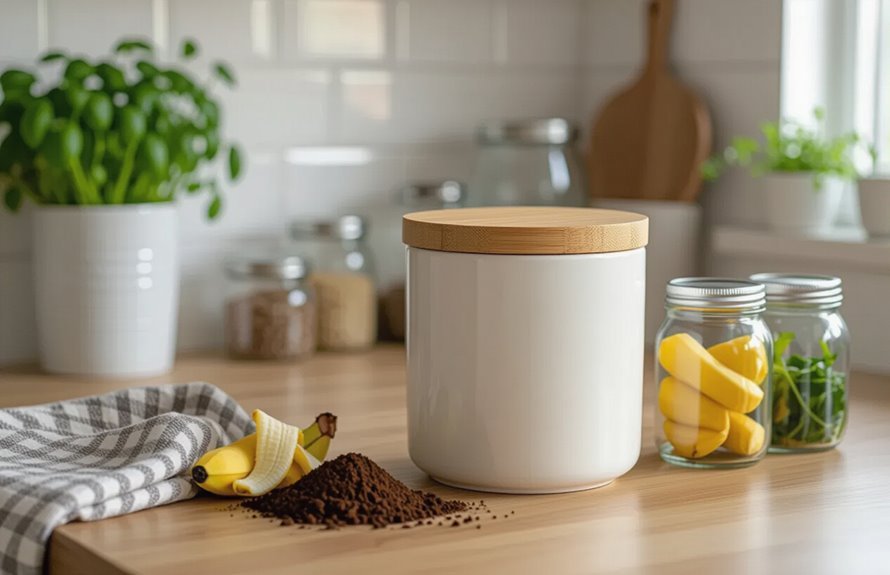
Scent safety is only part of greener cleaning — you also need to handle the leftovers responsibly.
When rinses, mop water, or used cloths contain only natural ingredients, channel them into compost where appropriate to enjoy compost benefits like improved soil and reduced landfill load.
Separate non-biodegradable residues, chemical concentrates, and contaminated materials for proper disposal; check local waste management rules before pouring or tossing.
Empty containers should be rinsed if accepted for recycling.
You’ll reduce pollution and close the nutrient loop by composting kitchen-safe wastes and following municipal guidelines for hazardous cleaning residues.
Choosing Eco-Certified Commercial Cleaners
Why choose eco-certified cleaners when so many products claim to be green?
You should pick certified options because eco label benefits verify ingredients, performance, and sustainable sourcing so you avoid greenwashing.
Look for transparent ingredient lists, third-party seals, and company policies that match your values.
- Check recognized eco labels for verified claims.
- Favor brands with documented sustainable sourcing and supply-chain transparency.
- Choose products that balance low toxicity with proven cleaning effectiveness.
You’ll reduce harmful runoff, protect indoor air, and support producers who commit to environmental standards — all while keeping your home clean.
Extending the Life of Household Textiles and Surfaces
You can keep fabrics and surfaces functioning longer by washing properly — follow label instructions, use gentle cycles and cold water when appropriate.
Wash less often to cut wear and energy use, and repair seams, zippers, and finishes before you replace items.
Store things with breathable covers and avoid damp, direct sunlight, so they stay useful and out of the landfill.
Wash Properly, Less Often
Washing less often and using gentler methods can dramatically extend the life of your towels, clothes, rugs, and upholstery.
You’ll save water and energy by choosing ideal frequency and practicing effective washing: spot-clean stains, air garments between wears, and use cold, short cycles with mild detergent.
Treat textiles gently to prevent fiber breakdown and color loss.
- Wash full loads on gentle cycles to reduce wear.
- Use mesh bags and low-spin settings for delicates.
- Rotate and air rugs and cushions to cut washing needs.
Follow these steps and your fabrics will last longer.
Repair Before Replacing
Shifting from gentler washing habits, try fixing small problems before tossing items out — mending seams, patching holes, reattaching buttons, and revitalizing worn finishes will keep textiles and surfaces usable much longer.
You can learn simple repair strategies: stitch tears, swap zippers, glue loose trim, and sand then refinish scratched wood.
Choose sustainable upgrades like recycled patches, natural adhesives, or low-VOC finishes to reduce waste and toxins.
Tackle issues promptly to prevent bigger damage, and keep a basic repair kit handy.
Protective Storage Choices
When you store linens, clothing, and seasonal items thoughtfully, you’ll prevent damage from moisture, pests, and sunlight and keep fabrics and finishes usable longer.
Choose breathable bags for natural fibers and airtight protective containers for items prone to pests or odors. Label boxes and rotate textiles so nothing sits compressed or forgotten.
Use cedar or lavender sachets instead of chemical mothballs to protect wool and leather. Embrace eco friendly organization by repurposing sturdy tubs and donating duplicates.
You’ll save money, reduce waste, and preserve surfaces and fabrics with simple, intentional storage habits.
- Clean and dry before storing
- Use breathable and sealed options
- Label and rotate periodically
Seasonal Deep-Cleaning the Sustainable Way
Although deep-cleaning can feel overwhelming, you can tackle seasonal tasks sustainably by planning, prioritizing, and choosing low-impact products and methods.
Start with a room-by-room checklist for seasonal cleaning, scheduling one major area per weekend. Declutter first so you only clean what’s needed, then use microfiber cloths, steam, and diluted vinegar solutions to cut chemicals.
Launder textiles on eco settings and air-dry when possible. Repair rather than replace items, and compost organic dust and debris.
Reuse containers for sorting donations and recycling. Pace yourself, track progress, and celebrate small wins to keep sustainable habits year-round.
Creating a Low-Waste Cleaning Supply Kit
After you’ve handled seasonal tasks and pared down what needs cleaning, assemble a low-waste kit that keeps supplies effective without excess packaging or single-use items.
Choose concentrated cleaners in sustainable packaging and refillable spray bottles, and favor bulk purchasing to cut waste and cost. Include durable tools that replace disposables.
- Refillable glass spray bottles and refill pouches.
- Microfiber cloths, reusable mop heads, scrub brushes.
- Concentrated citrus or vinegar-based cleaners bought in bulk.
Store items where you’ll grab them easily.
Rotate concentrates and wash tools regularly so your kit stays ready, efficient, and truly low-waste.
Smart Storage and Labeling for Homemade Cleaners
Keep your homemade cleaners in airtight containers to preserve potency and prevent spills.
Use clear, waterproof labels that list ingredients and date made so you can grab the right solution quickly.
Store everything out of reach of children and pets to keep your home safe.
Clear, Waterproof Labels
Want your homemade cleaners to stay identifiable and safe over time? Use clear, waterproof labels that resist moisture and handling.
Pick labels with durable adhesive and opt for custom designs so each bottle’s purpose and ingredients are obvious.
- Use waterproof ink and laminate for longevity.
- Include date, contents, and simple hazard icons.
- Test a label on glass and plastic before full use.
You’ll reduce confusion and accidental misuse while keeping a tidy, eco-friendly setup.
Replace faded labels promptly and store labeled bottles upright so information stays readable and useful.
Safe, Airtight Containers
Because homemade cleaners can separate, evaporate, or absorb odors, store them in airtight, chemically safe containers so they stay effective and child-safe.
Choose glass or high-density polyethylene bottles with tight seals; they resist corrosion from citrus or vinegar. Use food storage jars for small batches and transfer-proof lids for sprays.
Label contents, dilution ratios, and date clearly to avoid misuse. Keep cleaners in a cool, dark spot away from heat and children.
Prefer reusable, recyclable options and eco friendly packaging when buying supplies.
Regularly inspect seals and discard anything showing corrosion, cloudiness, or strange smells to stay safe.
Small Habits That Prevent Dirt and Reduce Cleaning
If you adopt a few simple daily habits, you’ll noticeably cut down on dirt and the time you spend cleaning.
Embrace habitual tidiness and proactive organization so dirt never has a chance to accumulate. Small choices add up: wipe spills immediately, remove shoes at the door, and declutter surfaces nightly. You’ll find maintenance faster and greener when you prevent messes.
- Establish a two-minute tidy routine each evening.
- Create drop zones for mail, keys, and shoes.
- Use washable mats and doormats to trap grime.
These habits save effort, reduce chemical use, and keep your home cleaner.
Evaluating Environmental Claims and Greenwashing
Keeping up small habits cuts down on cleaning and makes it easier to choose greener products, but you’ll still face labels and marketing claims that sound eco-friendly without delivering. Learn to read green certification criteria, verify seals, and spot vague phrases. Practice analyzing marketing language: “natural,” “eco,” or “non-toxic” often lack proof. Compare ingredient lists, check third-party badges, and prefer transparent brands. Use this quick guide:
| Claim | What to ask | Action |
|---|---|---|
| Natural | Is it defined? | Check ingredients |
| Eco-friendly | Verified? | Look for seal |
| Non-toxic | Tested? | Seek data |
Trust evidence, not buzzwords.
Conclusion
You’ve got the tools to clean smarter and kinder — swap harsh chemicals for simple pantry ingredients, choose reusables, and build a low‑waste kit that fits your life. Small habits, like wiping spills quickly or labeling cleaners, add up to a healthier home and planet. Think of each green choice as a vote for the future: tiny acts, big impact. Keep experimenting, stay curious, and let eco-friendly cleaning become your effortless routine.
