How to Create a Green, Sustainable Home
You can cut energy, water, and waste by starting with a simple audit: track bills, check insulation, and fix leaks. Swap to ENERGY STAR appliances, low-flow fixtures, and LED lighting. Add attic and wall insulation, seal drafts, and consider rooftop solar sized to your reduced demand. Use reclaimed materials, low‑VOC finishes, native landscaping, and composting to close loops. Set measurable targets, monitor progress, and involve your household for lasting change — keep going to learn practical steps and priorities.
Assessing Your Home’s Current Environmental Impact

How much energy, water, and waste does your home really use? You start by tracking bills, water meters, and trash habits to map consumption patterns.
Perform energy audits—professional or DIY—to pinpoint leaks, inefficient appliances, and lighting waste. Measure water flow, inspect seals, and note waste generation per week.
Record baseline data to calculate your household environmental footprint, then prioritize fixes that yield biggest gains: insulation, efficient appliances, low-flow fixtures, and composting.
You’ll spot quick wins and longer projects, and because you’ve quantified impacts, you can make targeted, measurable improvements without guessing at what matters most.
Setting Sustainable Goals and Priorities
Start by tracking your energy, water, and waste to see where you consume the most.
Then set clear, measurable goals—like cutting electricity use by 20% or reducing food waste by half.
Prioritize actions with the biggest impact first, such as sealing drafts or switching to efficient appliances.
Assess Current Consumption
Why does it matter to tally your household’s energy, water, and waste before making changes?
You get a baseline that shows where energy consumption spikes, which faucets leak, and what ends up in the trash. Track electricity, gas, hot water, and weekly waste for a month — note habits and appliances.
Use bills, a smart plug, or simple jars for sorting trash to measure volumes. That data reveals quick wins and prevents wasted effort on low-impact fixes.
With clear consumption snapshots, you can prioritize actions that maximize savings, reduce waste, and make future improvements more effective and measurable.
Set Clear Objectives
Once you know where your home uses the most resources, set clear, measurable goals that match your priorities and budget.
Decide what your sustainable vision looks like: lower bills, healthier air, or reduced waste. Break big aims into specific targets — percentage reductions, timelines, and responsible parties.
Use simple metrics you can track and adjust, and write down eco friendly goals so everyone in your household understands them.
Balance ambition with practicality; pick achievable steps that build momentum. Review progress quarterly, celebrate wins, and recalibrate goals as new info or funds become available.
Prioritize High-Impact Actions
When you prioritize high-impact actions, you focus effort where it’ll cut energy use, waste, or costs the most — and get results faster.
Start by auditing your home: identify biggest energy drains, water losses, and waste streams. Target projects with clear payback—insulation, efficient HVAC, low-flow fixtures, and sealing leaks.
Choose sustainable materials for upgrades and adopt eco friendly practices like composting and smart thermostats. Rank actions by cost, impact, and effort, then schedule the top items.
Choosing Energy-Efficient Appliances
When you shop for appliances, choose ENERGY STAR models to cut energy use without sacrificing performance.
Compare lifecycle costs—not just the purchase price—to see long-term savings on energy and repairs.
Prioritize smart features that let you schedule use and monitor consumption for even bigger efficiency gains.
Pick ENERGY STAR Models
Picking ENERGY STAR models is one of the easiest ways you can cut utility bills and reduce your home’s carbon footprint without sacrificing performance.
You’ll find clear labels showing tested energy efficiency, so you can make smart choices during appliance comparison.
Look beyond looks: prioritize refrigerators, washers, dishwashers and HVAC units that carry the ENERGY STAR seal. They use advanced motors, better insulation, and smarter controls to lower consumption.
- A quiet, efficient refrigerator humming less.
- A washer that saves water and power.
- A dishwasher finishing cycles with minimal energy.
- A compact HVAC running smarter, not harder.
Compare Lifecycle Costs
Because the cheapest sticker price rarely tells the whole story, you should compare lifecycle costs when choosing energy-efficient appliances.
You’ll run a simple lifecycle analysis: factor purchase price, expected energy use, maintenance, repair likelihood, and disposal impact. Use appliance labels and online tools for a clear cost comparison over expected years of service.
Don’t ignore rebates or warranty differences that change long-term value. Prioritize models that lower operating expenses even if upfront cost is higher, and calculate break-even time.
That way, you’ll pick appliances that save money and resources across their entire lifecycle.
Prioritize Smart Features
Lifecycle costs tell you which model saves the most over time, but smart features can multiply those savings by cutting actual energy use.
You should pick appliances with smart home automation compatibility and built-in sensors that adjust cycles, temperatures, or run times. Pair them with energy monitoring systems to track real-time usage and spot waste.
Prioritize models with adaptive scheduling, remote control, and eco-modes. Visualize benefits:
- A washer delaying cycles to off-peak hours.
- A fridge reducing compressor runtime overnight.
- A dryer using moisture sensors to stop early.
- A water heater learning your routine.
Upgrading Insulation and Sealing Air Leaks
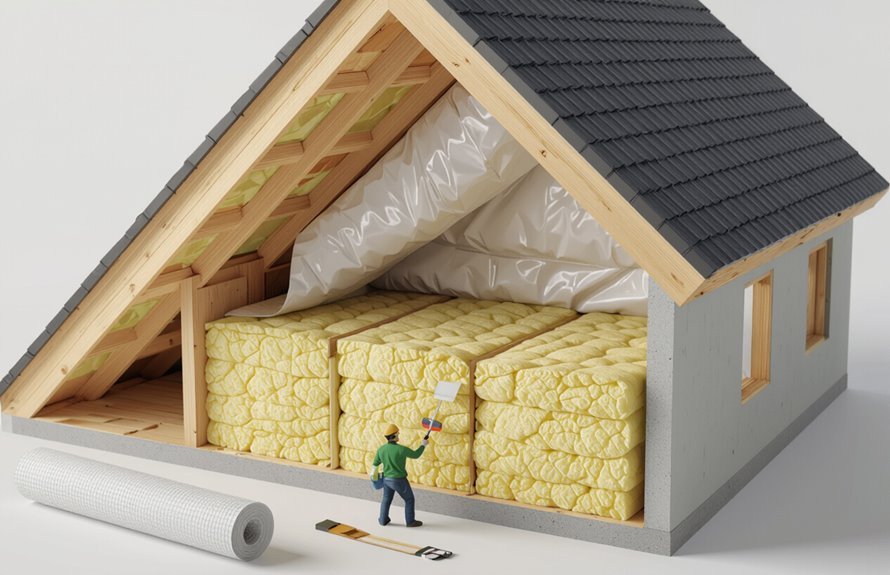
When you tighten up insulation and seal air leaks, you’ll cut energy bills, boost comfort, and reduce your home’s carbon footprint.
Start by evaluating existing insulation materials—batts, blown cellulose, spray foam—and upgrade where R-values are low. Target attic, rim joists, and exterior walls; don’t forget around windows, doors, and recessed lights.
Use proven air sealing techniques: caulk, weatherstripping, spray foam for gaps, and gaskets for electrical boxes.
Combine inspections with blower door or thermal-camera tests if possible. Properly installed insulation and sealing improve year-round efficiency, lower heating and cooling loads, and extend HVAC life.
Installing Renewable Energy Systems
Tightening insulation and sealing leaks cuts energy use, which makes generating the remainder of your power at home more practical and cost-effective.
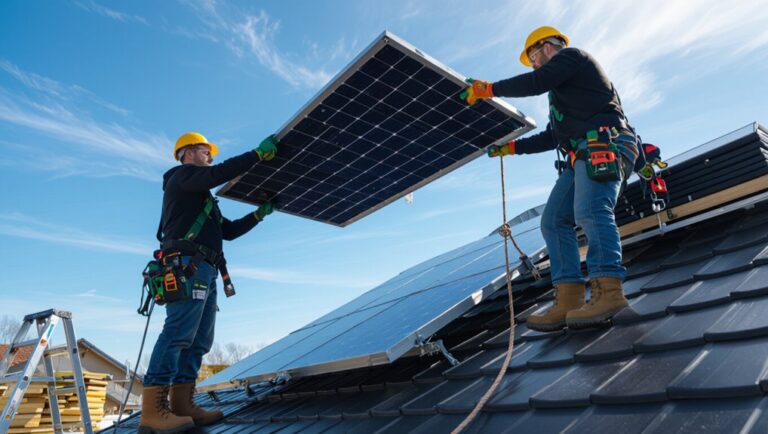
You can choose solar panel options sized to match reduced demand, or explore small wind turbine benefits if your site has steady winds. Install systems that tie to the grid or use batteries for backup; compare warranties, inverters, and maintenance needs.
Plan placement to avoid shading and meet local regulations. Picture the setup:
- Rooftop panels angled toward the sun.
- Compact battery bank in a garage.
- Ground-mounted turbine on a clear ridge.
- Inverter and meter inside.
Optimizing Heating and Cooling Efficiency
If you want to cut energy bills and boost comfort, focus on matching heating and cooling output to your home’s actual needs.
Start with an energy audit to identify heat loss, duct leaks, and inefficient equipment. Seal gaps, add insulation where it matters, and zone your system so you only condition occupied spaces.
Install smart thermostats to schedule temperatures, use learning features, and monitor runtime for tweaks.
Maintain filters, tune furnaces and ACs annually, and consider variable-speed equipment for steadier temperatures and lower cycling losses.
Small, targeted changes deliver big savings and more consistent indoor comfort year-round.
Adopting Water-Saving Fixtures and Practices
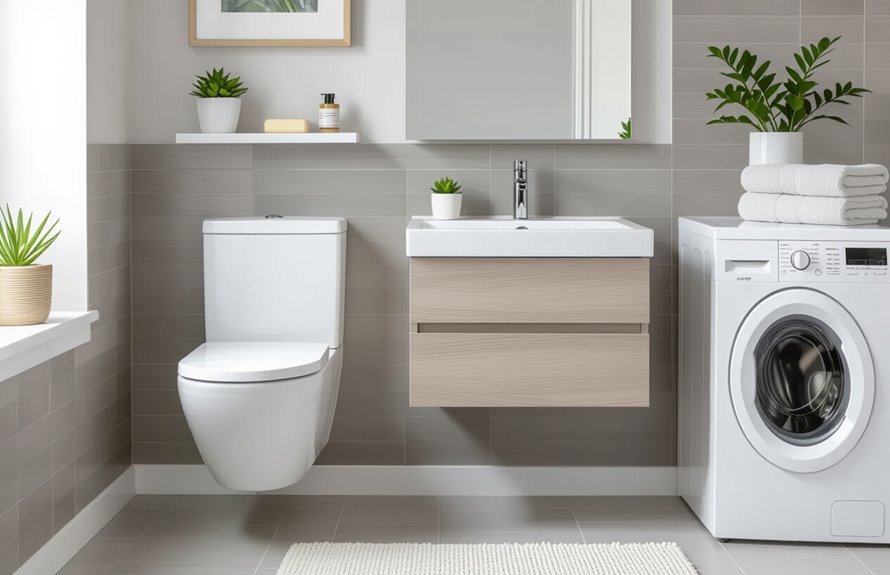
Cutting energy use inside your home often goes hand in hand with reducing water waste, so it makes sense to look at fixtures and habits next.
You can swap to water efficient toilets, install low-flow faucets and showerheads, and fix leaks promptly to save gallons daily.
Consider behavioral shifts: shorter showers, full loads in dishwashers and washers, and mindful outdoor watering.
Picture simple changes:
- A compact toilet flushing less with each use.
- A showerhead spraying efficiently while you lather.
- A faucet with a steady aerated stream.
- A garden watered by a timed drip emitter.
Also explore greywater systems later.
Implementing Rainwater Harvesting and Greywater Use
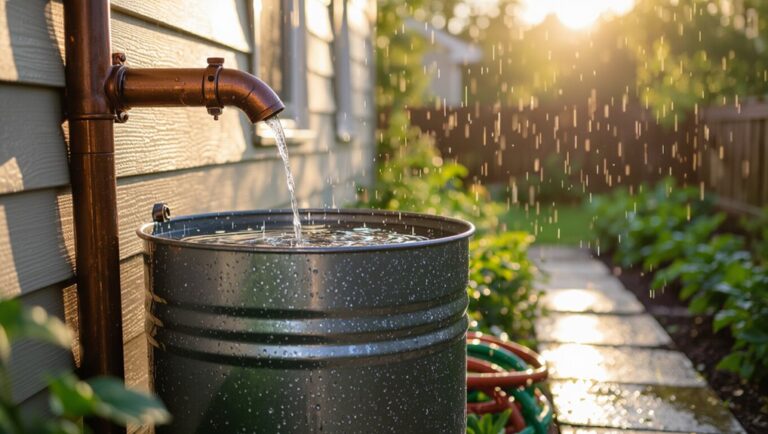
Because water is as valuable as energy in a sustainable home, you can dramatically reduce mains use by capturing rainwater and reusing greywater from sinks, showers, and laundry. You’ll set up rainwater collection with gutter filters, storage tanks, and basic treatment for irrigation and toilets. Greywater recycling systems divert gentle wastewater to mulch basins or subsurface drip for landscape use, lowering demand and bills. Check local regulations, size tanks to rainfall and household needs, and maintain filters and pumps regularly. Start small, expand modularly, and monitor quality to protect plants and plumbing.
| Component | Purpose |
|---|---|
| Gutters & Filters | Capture debris-free runoff |
| Storage Tank | Hold collected water |
| Treatment | Disinfection/filtration |
| Greywater Diverter | Separate and route wastewater |
| Distribution | Irrigation/toilet supply |
Designing With Passive Solar Principles
Once you’ve reduced water and energy loads with harvesting and reuse, take advantage of the sun’s predictable patterns to lower heating, cooling, and lighting needs through passive solar design.
You’ll orient the house for ideal solar orientation and plan window placement to capture winter sun while enabling passive shading in summer.
Use thermal mass to store energy flow, and apply daylighting strategies that reduce electric lighting.
Consider wind patterns and natural ventilation for cooling, and design seasonal adjustments—overhangs, operable vents, and movable screens—into your architectural design to balance comfort, efficiency, and simplicity.
- South-facing glass warming living spaces
- Thick stone floors storing heat
- Deep eaves blocking high summer sun
- Cross-ventilation channels following prevailing winds
Selecting Low-Impact, Non-Toxic Building Materials
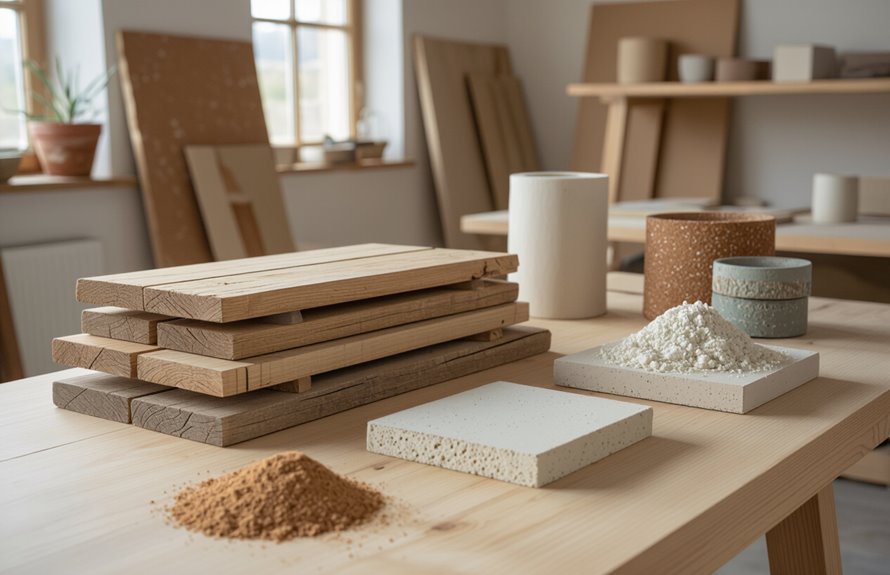
When you build or renovate, pick materials that cut waste and toxin exposure by using reclaimed or salvaged pieces wherever possible.
Choose low‑VOC paints and finishes to keep indoor air clean, and favor rapidly renewable resources like bamboo or cork for flooring and millwork.
These choices lower environmental impact and make your home healthier for everyone who lives in it.
Use Reclaimed or Salvaged Materials
If you want a low-impact, character-rich home, choose reclaimed or salvaged materials for finishes and structural elements; they cut waste, often cost less than new equivalents, and keep embodied carbon out of the landfill.
Use reclaimed wood for floors, beams, or furniture to add warmth and history. Source salvaged bricks for a textured exterior or an interior feature wall.
Salvage yards, deconstruction projects, and online marketplaces help you find quality pieces. Inspect for pests and structural soundness, and clean or retrofit as needed.
Creative reuse reduces demand for new extraction and gives your home unique, storied materials.
- Weathered barn beams
- Patinaed floorboards
- Reclaimed wood cabinetry
- Salvaged bricks fireplace
Choose Low-Voc Finishes
Because indoor air affects your health every day, choose low‑VOC finishes to keep your home non‑toxic and comfortable.
Pick low voc paint labeled with certified low emissions and read ingredient lists to avoid hidden solvents. Favor eco friendly finishes like water‑based stains, non‑toxic sealers, and natural waxes for furniture and floors.
Test small areas first and ventilate during application to reduce exposure. Ask suppliers for product data sheets and third‑party certifications.
Prioritize durability so you repaint less often, and maintain finishes with gentle, natural cleaners to preserve indoor air quality and minimize chemical use long term.
Prefer Rapidly Renewable Resources
While you’re planning materials for remodels or new builds, prioritize rapidly renewable resources like bamboo, cork, and fast‑gown hemp, since they cut environmental impact and often contain fewer toxic additives than conventional alternatives.
You’ll choose bamboo flooring instead of hardwood, cork insulation for thermal comfort, and hemp building elements that lock carbon.
Pair natural fibers and sustainable textiles for upholstery and curtains, use eco friendly paints, and spec recycled glass countertops.
Consider green roofs to boost biodiversity and insulation.
Visualize applications:
- Warm bamboo flooring underfoot.
- Soft cork insulation in walls.
- Hemp panels framing rooms.
- Shiny recycled glass countertops.
Incorporating Sustainable Flooring and Finishes
When you choose sustainable flooring and finishes, you’re cutting indoor toxins, reducing waste, and often saving money over the long run. You can pick bamboo flooring, cork options, or recycled tiles to lower environmental impact. Look for low-VOC paints and certified sustainable finishes. Repair and reuse existing materials when possible. Consider durability, maintenance, and end-of-life recyclability to make practical choices.
| Option | Benefit |
|---|---|
| Bamboo flooring | Fast-renewing, durable |
| Recycled tiles | Waste reduction, unique look |
| Cork options | Comfort, renewable, insulating |
Creating an Eco-Friendly Landscaping Plan
If you want a garden that helps the planet and your pocket, plan landscaping around native plants, water-wise design, and habitat-friendly features. You’ll reduce upkeep, cut irrigation, and support pollinators by choosing local species.
Embrace xeriscaping benefits where soil, mulch, and grouping reduce water needs. Place shrubs to shade foundations, use permeable paths to recharge groundwater, and create layered planting for year-round interest.
Think small rain gardens or swales to manage runoff without composting details. Visualize possibilities:
- Sun-loving native meadow with gravel paths
- Mulched shrub border for pollinators
- Drip-irrigated vegetable island
- Rain-friendly rock swale
Establishing a Home Composting System
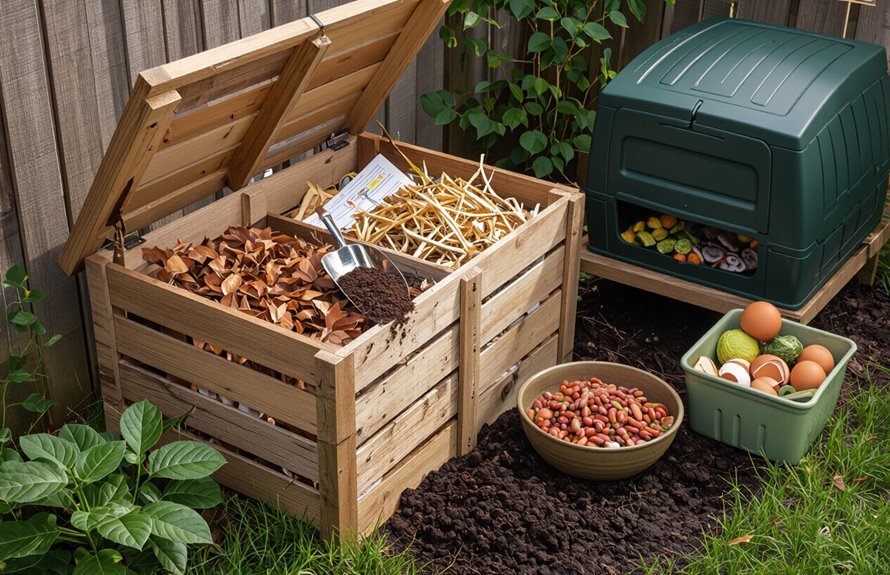
Decide whether a bin, tumbler, or simple pile fits your space and how quickly you want finished compost.
Set straightforward maintenance routines—turning, moisture checks, and a balance of greens and browns—to keep the process efficient and odor-free.
With the right method and a little regular care, you’ll turn kitchen and yard waste into rich soil amendment.
Choosing a Compost Method
Because space, time, and the types of scraps you produce shape what’s practical, choosing a compost method means matching your habits and home to a system you’ll actually maintain.
Think about volume, odor tolerance, and effort. Hot composting suits larger yards and fast turnaround; vermicomposting fits apartments and gentle inputs.
Pick a method that aligns with how often you’ll add scraps and how hands-on you want to be.
- A backyard bin steaming with layered greens and browns.
- A compact worm bin tucked under the sink.
- A tumbling drum you rotate weekly.
- A simple pile shaded by trees.
Compost Maintenance Tips
You’ve picked a compost method that fits your space and routine; now keep it working with simple, regular care.
Turn or aerate weekly to prevent odor and speed decomposition. Balance greens and browns—kitchen scraps, grass clippings, dry leaves—so moisture stays like a wrung-out sponge.
Chop large items and bury food waste to deter pests. Monitor temperature: a warm pile means active microbes. If too wet, add shredded cardboard; if too dry, sprinkle water.
Harvest finished compost for soil amendment. Knowing compost types helps you choose maintenance frequency, maximizing compost benefits for your garden’s health and fertility.
Reducing Waste Through Recycling and Reuse
When you sort what can be reused or recycled before it leaves your home, you cut landfill waste and save resources at the same time.
You’ll set up bins, check local recycling programs, and keep materials clean so they actually get processed.
Turn glass jars and old textiles into upcycling projects that brighten rooms and trim purchases.
Donate usable items to extend their life.
Label containers and make sorting quick for everyone in the household.
Visualize common swaps:
- Mason jars for pantry storage
- Fabric scraps as cleaning rags
- Cardboard folded for storage boxes
- Electronics queued for proper recycling
Improving Indoor Air Quality Naturally
You can boost indoor air quality naturally by choosing houseplants that absorb pollutants and add humidity where needed.
Open windows or use trickle ventilation to refresh stale air and prevent buildup of allergens.
Combine plants with proper airflow and moisture control to keep your home healthy and comfortable.
Houseplants for Purification
Want cleaner indoor air without buying machines? You can use air purifying plants to lift toxins and add calm.
Choose resilient species, place them where you spend time, and practice simple care. Indoor gardening helps you connect with your space and improves air quality naturally.
- Spider plant on a sunny shelf, arching green leaves.
- Snake plant by the bed, upright swords filtering at night.
- Pothos trailing from a high hook, glossy vines softening corners.
- Peace lily near the living room, white blooms absorbing pollutants.
Rotate, water moderately, and remove dust for best results.
Ventilation and Moisture Control
Plants can help, but fresh air and balanced humidity do the heavy lifting for healthy indoor air.
You should use simple airflow strategies: cross-ventilate by opening opposing windows, add trickle vents, and run energy-recovery ventilators to bring in fresh outdoor air without wasting heat.
For humidity control, monitor levels and use exhaust fans in kitchens and bathrooms, a dehumidifier in damp basements, and houseplants selectively to slightly raise humidity where needed.
Seal leaks and insulate to prevent condensation.
Regularly maintain HVAC filters and vents so your system moves air efficiently, keeping your home healthy and moisture balanced.
Smart Home Technologies for Energy Management
When you connect smart devices across your home, they coordinate to cut energy use without constant micromanagement; smart thermostats, lighting controls, and appliance schedulers learn patterns and make adjustments so you pay less and waste less.
You’ll use energy monitoring to spot peaks, set schedules, and prioritize efficiency. Automations respond to occupancy, weather, and utility rates so systems run only when needed.
- A thermostat preheats rooms before you wake.
- Lights dim when rooms are empty.
- Appliances delay cycles to off-peak hours.
- Dashboard graphs show realtime savings.
You’ll save money and reduce your carbon footprint.
Sourcing Sustainable Furniture and Décor
Energy-smart systems cut your bills and shrink your footprint, but the materials and furnishings you bring into the house matter just as much.
Choose pieces made from eco friendly materials like reclaimed wood, certified sustainable timber, or low-VOC finishes. Buy secondhand or upcycled items to reduce demand for new production.
Ask sellers about ethical sourcing and labor practices, and look for certifications (FSC, GOTS). Prefer timeless designs so you won’t chase trends, and select natural fibers for textiles.
Support local artisans to shorten supply chains and guarantee transparency. Small choices add up to a healthier, more responsible home.
Planning for Long-Term Maintenance and Durability
Because durable choices save you time and money over their lifetime, plan for maintenance before you buy or install anything.
You’ll prioritize long term durability by choosing materials with clear care requirements and accessible parts.
Create simple maintenance strategies: schedules, budgeted repairs, and replacement timelines.
Train household members to do basic upkeep and keep manuals and receipts organized.
Think ahead about warranties and local service availability so fixes won’t become costly surprises.
- Inspect roof and flashing annually — picture ladders and sealed seams.
- Clean gutters seasonally — imagine flowing, clear channels.
- Service HVAC biannually — hear steady, efficient airflow.
- Refinish decks every few years — see smooth, protected wood.
Financing and Incentives for Green Upgrades
If you’re ready to green your home without breaking the bank, start by mapping out costs, savings, and available financial help so you can choose upgrades that pay off fastest.
Research green financing options like low-interest loans, PACE programs, and lender green mortgages to spread upfront costs. Combine those with federal, state, and local tax incentives and utility rebates to reduce net investment.
Get multiple quotes, calculate simple payback and lifecycle savings, and prioritize measures with quickest returns. Keep documentation for incentive applications and future resale value.
With a clear plan, you’ll fund impactful upgrades without unnecessary expense.
Engaging Your Household in Sustainable Habits
When everyone in your home understands the reasons behind greener choices and the simple actions they can take, sustainable habits stick much faster; teach why energy matters, show savings, and celebrate wins to make sustainable routines feel doable.
You’ll want clear cues, shared responsibilities, and gentle reminders so eco friendly habits become automatic. Use visuals, short challenges, and rewards to keep momentum.
- A checklist on the fridge showing lights-off and recycling steps.
- A family calendar highlighting low-energy days.
- A labeled bin station for easy sorting.
- A weekly report of energy saved and small rewards.
Conclusion
You’ve planted the seeds of a greener home—now tend the garden. With each energy-saving swap and weatherproofed seam, you’ll watch bills shrink like autumn leaves and comfort grow like morning light. Solar panels, durable furnishings, and mindful habits become the roots that steady your household through storms. Keep pruning priorities, celebrate small blooms, and invite everyone to water the effort; over time your house will stand as a quiet, thriving reflection of care.